


Slice a ripe star fruit crosswise and you’re rewarded with a row of perfect little edible stars, golden, glossy, and almost too pretty to eat. Behind that whimsical shape is a genuinely delicious fruit, crisp and juicy with a bright flavor that lands somewhere between apple, grape, pear, and citrus. If you’ve fallen for it at the market, here’s the good news: learning how to grow star fruit at home is easier and faster than most tropical fruits, and the tree itself is a stunning, productive addition to a warm-climate garden.
Star fruit, or carambola, has a reputation among experienced growers for being wonderfully rewarding when you get a few key things right chiefly warmth, wind protection, and the right variety. This friendly, complete guide walks you through all of it, from choosing a sweet cultivar to slicing into your first homegrown stars.
Can You Grow Star Fruit at Home?
Yes, you can grow star fruit at home if you live in a warm climate (USDA zones 9–11) or can grow it in a movable container. Plant a grafted, sweet-variety carambola in full sun with wind protection and rich, well-draining soil. Water regularly without waterlogging, feed through the growing season, and you can expect fruit in as little as one to three years.
The two things that most determine your success are climate and variety. Carambola is a subtropical tree that can’t take hard frost and dislikes wind, and its fruit ranges from lusciously sweet to mouth-puckeringly tart depending on the cultivar. Nail those two choices and the rest of carambola tree care is refreshingly manageable.
Meet the Star Fruit Tree (Carambola)
The star fruit tree (Averrhoa carambola) is a tropical-to-subtropical evergreen native to Southeast Asia, where it has been cultivated for centuries. It’s a member of the wood sorrel family, and it makes a genuinely beautiful landscape tree: a bushy, multi-branched, rounded canopy of glossy green compound leaves, dotted through the year with delicate pink-to-lavender flowers that pollinators adore.
Left unpruned, a carambola can reach 20 to 30 feet tall and nearly as wide, but it responds beautifully to pruning and is easily kept to a tidy 6 to 12 feet perfect for an average backyard. The fruit itself is 2 to 6 inches long with five prominent ribs, turning from green to a waxy golden-yellow when ripe. The thin skin and small seeds are edible, so the whole fruit can be enjoyed. And carambola is famously generous: a mature, well-cared-for tree can produce hundreds of pounds of fruit in a year. Even setting the harvest aside, many gardeners grow carambola purely for its looks the year-round glossy foliage, the clouds of pretty lilac-pink blooms, and the ornamental fruit make it a standout feature tree, patio specimen, or informal privacy screen.
Star Fruit Climate: Where Carambola Grows Best
Getting the star fruit climate right is the single biggest factor in your success. Carambola thrives in warm, humid, subtropical-to-tropical conditions and grows best in USDA Hardiness Zones 10 and 11, with zone 9 possible if you can protect the tree from frost. In the US, that makes South Florida, Hawaii, and warm pockets of California and southern Texas the natural home for in-ground carambola.
A few climate details make all the difference:
- Temperature. The ideal fruiting range is roughly 68–85°F. Growth slows to a stop around 55–60°F, and while mature trees tolerate brief dips, prolonged temperatures below freezing can seriously damage or kill a tree. Young trees are especially tender.
- Wind is the hidden enemy. More than almost any other fruit tree, carambola resents strong wind, which can shred foliage, drop fruit, and stunt growth. A sheltered, wind-protected spot is essential this is the detail most beginners overlook.
- Salt intolerance. Carambola doesn’t tolerate salty conditions, so it isn’t a great choice for exposed coastal properties.
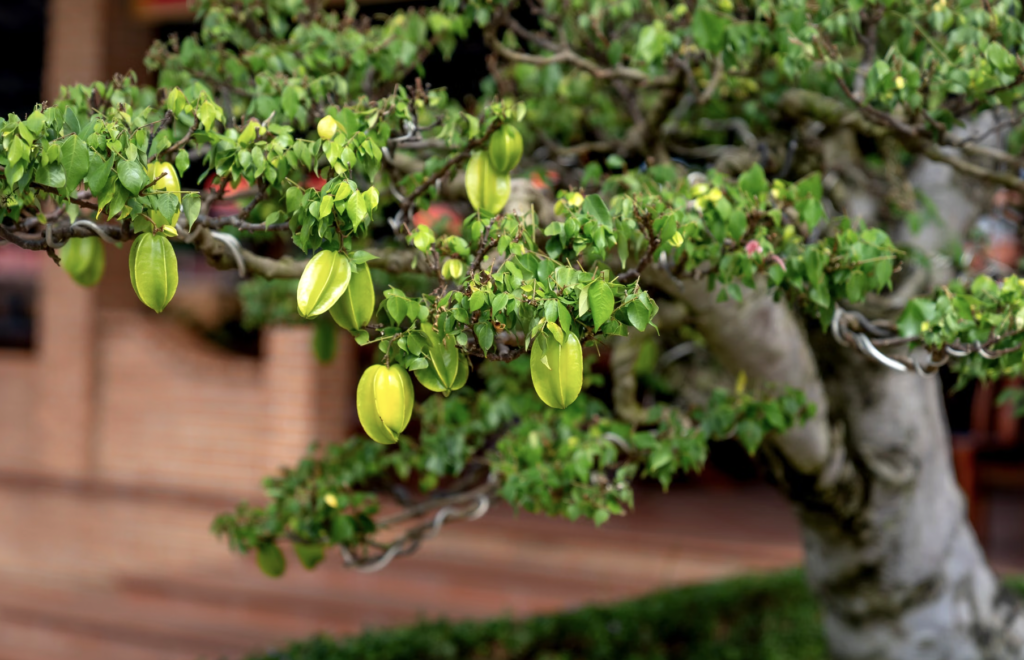
If you live in a cooler zone, don’t count yourself out dwarf carambola grows well in a large container you can move indoors for winter. Keep an eye on your first and last frost dates to time protection, and if you’re in a borderline region, our USDA Zone 9 gardening guide shares helpful microclimate tricks.
In our experience, wind protection is the factor that separates a struggling carambola from a thriving one, and it’s the one new growers most often underestimate. Trees tucked into a sheltered corner beside a warm wall, behind a hedge, or in the lee of the house consistently recover faster from stress, hold their fruit better, and grow more densely than trees left exposed in an open yard. If you can offer only one thing beyond sunshine, make it a windbreak.
Sweet vs. Tart: Choosing the Right Carambola Variety
Here’s a make-or-break tip that too many guides skip: carambola varieties fall into two camps, sweet and tart, and choosing well determines whether you’re eating fruit fresh or reaching for the sugar. Older, unnamed seedlings often produce tart fruit, while modern named cultivars from Thailand, Taiwan, and Malaysia have been selected for sweetness.
- Sweet varieties: ‘Arkin’ (the reliable US favorite), ‘Fwang Tung’, ‘Sri Kembangan’, and ‘Kary’ are crisp and mild, perfect for eating fresh, juicing, or slicing into salads.
- Tart varieties: such as ‘Golden Star’, ‘Newcombe’, and ‘Star King’ are brighter and more acidic, shining in curries, chutneys, jams, and juices.
For the best chance of sweet, dependable fruit, buy a grafted, named cultivar from a reputable nursery rather than gambling on a random seedling.
Seed or Grafted Tree?
You can grow carambola from seed, but it comes with two big caveats. First, the seeds lose viability within just a few days of leaving the fruit, so they must be sown fresh. Second and more importantly seedlings are unpredictable and often produce tart fruit, and they can take years to mature.
A grafted or air-layered nursery tree, by contrast, gives you a known sweet variety and fruits far sooner, sometimes within a year or two. If you want reliable, sweet star fruit without a long wait, a grafted tree is the way to go. If you’d like to try seeds for fun, sow them fresh in a warm (around 70°F), well-draining, peat-based mix in bright indirect light, and be prepared to grow the seedling in a container for two to three years before planting out.
How to Plant a Star Fruit Tree: Step-by-Step
Spring, after all danger of frost has passed, is the best time to plant. Follow these steps for a strong start.
- Step 1: Choose a Sunny, Wind-Sheltered Spot
Pick the sunniest place in your yard carambola wants at least six to eight hours of direct sun for good fruiting that’s also protected from strong winds by a wall, fence, or other trees. Give it room: plant 20 to 30 feet from buildings and other trees so it isn’t shaded or crowded.
- Step 2: Prepare Well-Draining, Slightly Acidic Soil
Carambola isn’t fussy about soil type, but it does need good drainage and grows best in soil rich in organic matter with a moderately acidic to neutral pH (around 4.5–7). If your soil is alkaline (above pH 7), the tree is prone to iron and zinc deficiencies, so it’s worth testing first our guide on how to test your garden soil shows you how, and how to lower soil pH for acid-loving plants helps you adjust it.
- Step 3: Plant Your Carambola
Dig a hole as deep as the root ball and about twice as wide. Choose a healthy nursery tree that isn’t root-bound, gently loosen any circling roots, and set it so the top of the root ball sits level with the surrounding soil. Backfill and firm gently to remove air pockets.
- Step 4: Water In and Mulch
Water the newly planted tree deeply to settle the roots, then spread a layer of organic mulch around the base kept a few inches from the trunk to conserve moisture and suppress weeds. A good layer of organic mulch helps young trees establish quickly.
- Step 5: Tip-Prune Young Shoots to Shape
In the first year or two, tip back any shoots that grow beyond about 2 to 3 feet. This simple pruning encourages bushy branching and sets up a strong, well-shaped, easy-to-harvest tree and a lower, denser tree also stands up far better to wind.
Carambola Tree Care: Water, Feeding & Pruning
Day-to-day carambola tree care is straightforward once your tree is in the right spot.
Watering. Star fruit likes regular, consistent watering to keep the soil evenly moist but it’s also sensitive to overwatering, so never let the roots sit in soggy soil. Aim for steady moisture, easing off during rainy spells, and pay special attention while fruit is developing, since inconsistent watering can cause fruit drop.
Feeding. Feed young trees regularly through the growing season a balanced fertilizer such as 10-10-10 monthly (skip winter) works well then shift mature trees to a few feedings a year. Carambola benefits from a fertilizer that also includes magnesium, and it can develop yellowing leaves (chlorosis) in high-pH soils; a foliar spray of chelated iron and micronutrients corrects this. Compost, worm castings, or aged manure are excellent organic options. If those fertilizer numbers feel cryptic, our guide to understanding NPK ratios makes them simple.
Pruning. Happily, carambola responds very well to pruning and generally needs only light annual attention. Selectively remove a few upper limbs each year to keep the tree at a manageable 6 to 12 feet and to stop the upper canopy from shading out the lower branches but never strip the lower limbs, which carry easy-to-reach fruit and shade the ground. A smaller tree is easier to harvest, easier to protect, and far more wind-resistant.
Growing Star Fruit in Containers
If your winters are too cold for in-ground carambola, a container is the perfect solution and star fruit takes to pots surprisingly well, especially dwarf varieties. Container growing lets you give the tree a warm, sunny summer outdoors and then move it to a frost-free spot when the cold arrives.
Start young trees in a 5–7 gallon pot, then size up to a 15–25 gallon container as they grow. Use a deep, sturdy pot with excellent drainage, filled with a well-draining, slightly acidic mix enriched with compost. Give it full sun, rotate the pot occasionally for even growth, and supplement with a grow light if you’re keeping it indoors through a dim winter. Our container gardening guide for beginners covers pot sizing and repotting, and our overwintering guide walks through cold-season care.
How Long Until Star Fruit Fruits?
Here’s some genuinely cheering news: compared to slow tropical fruits like lychee, carambola is a sprinter. A grafted or air-layered tree can begin fruiting within one to two years, while a seedling typically takes about three years, with abundant harvests by year three or four.
Here’s a realistic picture once your tree is fruiting:
- Flowering: clusters of pink-lavender blooms appear, often with two main flushes (roughly spring and fall) and sometimes more.
- Fruit set to ripe: individual fruits mature in about 60 to 75 days after the flowers set.
- Multiple crops: in warm climates, established trees often fruit two or even three times a year.
- Yield: a healthy mature tree is remarkably prolific, capable of hundreds of pounds of fruit annually.
A lovely quirk of carambola: once a shoot is a few months old and has “learned” to flower, it can flower again and again on the same wood, one reason these trees become so productive with age.
Harvesting Star Fruit
Timing your harvest is easy and satisfying. Wait until the fruit is fully colored a rich, even yellow to golden and the ribs’ edges just begin to turn light brown. At that point the fruit is crisp, juicy, and at its best. You can pick fruit by hand with a gentle twist, and very ripe fruit will even drop on its own.
If you harvest a touch early while it’s still yellow, star fruit will continue to sweeten on the counter until golden. Enjoy it fresh (skin and all), sliced into salads, juiced, or as a striking garnish. Because a productive tree gives so generously, star fruit is a wonderful, low-waste way to fill your kitchen and share stars with the whole neighborhood.
One optional pro trick worth knowing: about three to four weeks after flowering, you can thin the developing fruit, removing the smallest ones from each cluster so the tree channels its energy into fewer, larger, better-formed fruits. It feels ruthless, but it noticeably improves the size and quality of your harvest. Nutritionally, the payoff is worth every bit of care star fruit is low in calories yet rich in vitamin C, fiber, potassium, and antioxidants, making each golden slice as wholesome as it is beautiful.
A Note on Star Fruit and Kidney Health
One important, responsible heads-up: star fruit naturally contains oxalic acid and a compound that can be harmful to people with kidney problems. For most people, star fruit is a healthy, low-calorie treat rich in vitamin C, fiber, and antioxidants. But anyone with kidney disease or impaired kidney function should avoid star fruit unless a doctor confirms it’s safe, as it can cause serious reactions in those individuals. When in doubt, check with a healthcare professional.
Common Problems and How to Fix Them
Most carambola troubles come down to wind, water, cold, or a few familiar pests.
| Problem | Likely Cause | The Fix |
|---|---|---|
| Torn leaves, dropped fruit, stunting | Wind exposure | Plant in a sheltered spot; keep the tree pruned low and dense |
| Yellowing leaves (chlorosis) | High-pH soil, iron/zinc deficiency | Test and acidify soil; apply chelated iron as a foliar spray |
| Wilting, mushy roots | Overwatering / root rot | Improve drainage; water evenly, never leaving soil soggy |
| Tart, disappointing fruit | Grown from a seedling of unknown parentage | Choose a grafted, named sweet cultivar like ‘Arkin’ |
| Damaged leaves and stems | Frost on a tender tree | Cover during cold snaps; move containers indoors |
| Blemished fruit, maggots | Fruit flies, stink bugs, scale | Treat with neem oil; bag fruit; clean up fallen fruit |
Birds also love ripe star fruit, so netting can help protect your harvest as fruit colors up.
One last responsible-gardening note: in some warm regions, star fruit can self-seed and naturalize where it isn’t wanted. It’s easy to be a good steward,harvest fruit promptly, don’t toss seeds into wild areas, and pull up any volunteer seedlings you spot. A little care keeps carambola a welcome guest rather than a nuisance.
Is Growing Star Fruit from Tree Worth It?
Absolutely. Few fruit trees offer this much: fast fruiting, generous yields, year-round ornamental beauty, and fruit that’s as fun to look at as it is to eat. For gardeners in warm climates or anyone willing to grow a dwarf tree in a pot. carambola is a joyful, rewarding, and genuinely sustainable way to enjoy fresh tropical fruit at home.
If star fruit has whetted your appetite for more, keep exploring: try growing a lychee tree, guava trees in containers, papaya from seed, or a pineapple from a top. For the whole collection of exotic edibles, browse our hub on growing tropical and exotic fruits, part of the broader EcoGardenHub Plant Library.
Plant a sweet carambola this spring, give it sun and shelter from the wind, and before long you’ll be slicing your own golden stars, a little piece of the tropics, grown right at home.
Frequently Asked Questions
How long does it take for a star fruit tree to fruit? A grafted or air-layered carambola can begin fruiting within one to two years, while a seed-grown tree usually takes about three years, with abundant harvests by year three or four. Star fruit is one of the faster-fruiting tropical trees.
What climate do star fruit trees need? Carambola grows best in warm, humid USDA zones 10–11, with zone 9 possible if protected from frost. It needs temperatures ideally between 68 and 85°F, shelter from wind, and protection from freezing, which can kill young trees.
Are all star fruit sweet? No. Carambola comes in sweet and tart types. Seedlings are often tart, so for reliably sweet fruit, choose a grafted, named sweet cultivar such as ‘Arkin’, ‘Fwang Tung’, or ‘Sri Kembangan’.
Can you grow star fruit in a pot? Yes. Dwarf carambola grows well in a large container, starting in a 5–7 gallon pot and sizing up to 15–25 gallons. Containers are ideal in cooler climates, since you can move the tree indoors for winter.
How do you know when star fruit is ripe? Harvest when the fruit is fully yellow to golden and the edges of the ribs just start to brown. It will be crisp and juicy; fruit picked slightly early will continue to sweeten on the counter until golden.
Is star fruit safe to eat? For most people, yes it’s a healthy, low-calorie fruit. However, people with kidney disease or impaired kidney function should avoid star fruit unless cleared by a doctor, as it contains compounds that can be harmful to them.
How big does a star fruit tree get? Unpruned, carambola reaches about 20 to 30 feet tall and wide, but it responds well to pruning and is easily kept to 6 to 12 feet for easier harvesting and better wind resistance. Dwarf varieties stay smaller still.