


Peel back the bumpy rose-red skin of a fresh lychee and you’ll find one of the most enchanting fruits on earth: a translucent, pearl-like bite that tastes of roses, honey, and summer. If you’ve ever paid a small fortune for a punnet of them at the market and thought, “I wish I could just grow these,” here’s the happy news you can. Learning how to grow a lychee tree is a wonderful long-game project, and the reward is a gorgeous evergreen tree that hands you fistfuls of fragrant fruit for decades.
Let’s be honest up front: lychees ask for patience. They’re slow to fruit and a little particular about climate. But once you understand their few real needs; warmth, drainage, the right winter chill, and time. they’re a genuinely rewarding tree to grow, and a stunning ornamental even before the first harvest. This guide walks you through everything, from picking the right plant to the moment you pick your first perfect cluster.
Can You Grow a Lychee Tree at Home?
Yes, you can grow a lychee tree at home if you live in a warm climate or can protect the tree from frost. Plant a grafted sapling in full sun and rich, well-draining, slightly acidic soil, water deeply, and feed through the growing season. Lychees thrive in USDA zones 10–11, need a cool, dry winter spell to flower well, and typically fruit within three to five years from a nursery tree.
The single biggest factor in your success is climate. Lychees are subtropical trees that love warm, humid summers but also require a brief cool, dry winter to trigger flowering. Get the climate right or recreate it with a movable container and the rest of lychee care is refreshingly straightforward.
Meet the Lychee Tree
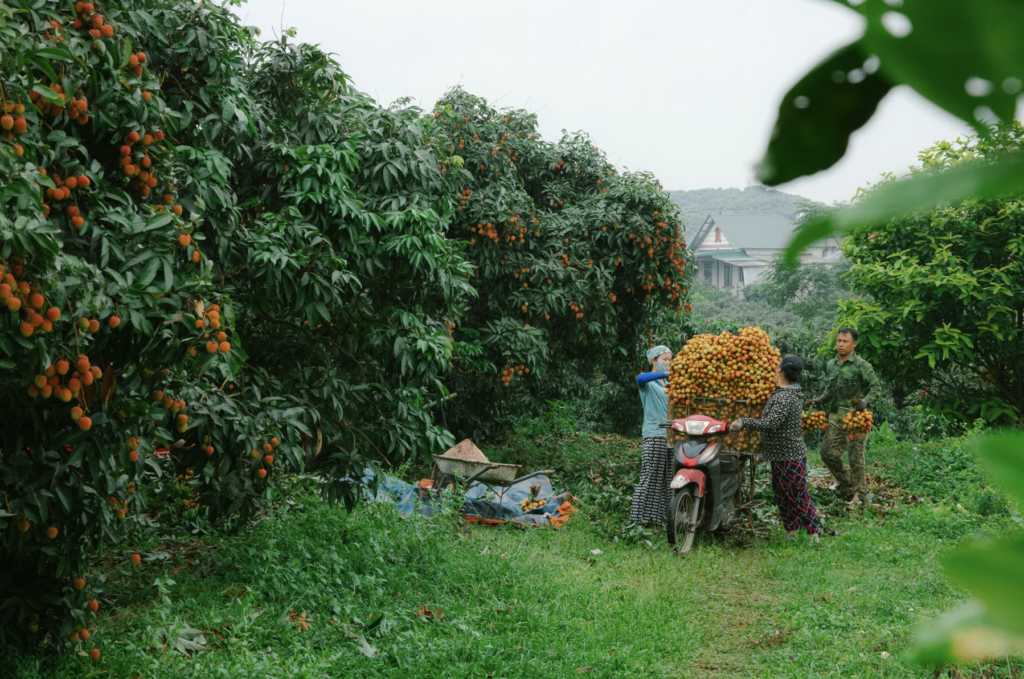
The lychee (Litchi chinensis) is a slow-growing tropical evergreen native to southern China, where it has been cultivated for thousands of years. Its name is often translated as “gift for a joyful life,” which feels exactly right once you’ve tasted the fruit. Beyond the harvest, it’s a beautiful landscape tree: a dense, rounded canopy of glossy compound leaves that reaches nearly to the ground, making it equally useful as a shade tree, a privacy screen, or a specimen centerpiece.
In spring, clusters of tiny pale-yellow flowers appear, followed by summer fruit. Each lychee has that signature bumpy, leathery skin in shades of pink to deep red, wrapping a sweet, translucent white pulp around a single glossy brown seed. Left unpruned in ideal conditions, a lychee can reach 30 to 40 feet tall and wide, but most home growers keep them pruned to a friendly 10 to 15 feet for easy care and harvesting. This is a tree that rewards a long view: plant one thoughtfully, and it can shade your garden and feed your family for generations.
Lychee Climate Zone: Where Lychees Grow Best
Understanding the lychee climate zone is the make-or-break part of growing this tree, so let’s get it right. Lychees grow best in USDA Hardiness Zones 10 through 11, in tropical-to-subtropical regions with warm, humid summers and mild winters. In the United States, that means places like South Florida, Hawaii, and pockets of coastal California and southern Texas are naturally suited to in-ground lychees.
Here’s the nuance that trips up many hopeful growers: lychees actually need a short spell of cool, dry weather in winter roughly 30 to 60 days of temperatures in the 40s to low 60s°F to signal the tree to set flower buds. Too warm and wet year-round, and a healthy tree may grow beautifully but stubbornly refuse to fruit.
Cold is the other limit. Mature lychee trees can shrug off brief dips to around 25°F, but young trees are far more tender and can be damaged by even a light freeze. If you garden in a cooler zone, don’t give up you can grow lychee in a large container and move it to shelter for winter, which we cover below. To time your seasonal moves, keep an eye on your first and last frost dates, and if you’re in a borderline-warm region, our USDA Zone 9 gardening guide offers useful microclimate tips.
Seed vs. Sapling: The Fastest Way to Homegrown Lychees
You can grow a lychee from seed, and it’s a fun experiment but here’s the reality every honest guide should share. Lychees do not grow “true” from seed, meaning a seedling won’t reliably match its parent’s fruit quality, and it can take a patience-testing seven to ten years to fruit, if it fruits at all.
By contrast, a grafted or air-layered nursery sapling fruits far sooner usually within three to five years and gives you a known, reliable variety. For most gardeners who actually want to eat lychees this decade, a nursery tree is the smart choice.
If you’d still like to try seeds for the joy of it, use them fresh lychee seeds lose viability within days of leaving the fruit. Rinse a seed from a ripe lychee, soak it in water for about three days (changing the water daily), or wrap it in a moist paper towel inside a sealed bag in a warm spot. Keep germinating seeds warm, around 82–86°F, and you may see a sprout in a few weeks. Just go in knowing it’s the scenic route, not the express lane.
A quick word on varieties, since choosing well makes a real difference. In the US, dependable home-garden lychees include ‘Brewster’ and ‘Mauritius’ (vigorous, productive classics popular in Florida), ‘Sweetheart’ (large fruit with a small, shriveled “chicken-tongue” seed and lots of flesh), and ‘Emperor’ or ‘Hak Ip’ (prized for flavor). If you can, buy from a local specialty nursery and ask which cultivar performs best in your microclimate — a variety matched to your conditions will fruit more reliably than a random seedling ever could.
How to Plant a Lychee Tree: Step-by-Step
Once you have a healthy sapling, spring after all danger of frost has passed is the ideal time to plant. Follow these steps.
- Step 1: Choose a Sunny, Sheltered, Well-Drained Spot
Pick a location in full sun that receives at least six to eight hours of direct light daily, sheltered from strong winds that can batter young trees. Give it room: plant at least 20 to 25 feet from buildings, power lines, and other trees, since a mature lychee needs space and dislikes being crowded. Avoid low spots prone to flooding.
- Step 2: Prepare Acidic, Well-Draining Soil
Lychees love rich, well-draining, slightly acidic soil with plenty of organic matter and they absolutely hate “wet feet.” Standing water and soggy roots are a fast track to root rot. If your soil is heavy or your area gets heavy summer rain, plant on a raised mound to improve drainage. Because lychees prefer acidic conditions, it’s worth learning how to lower soil pH for acid-loving plants if your soil runs alkaline.
- Step 3: Plant Your Tree
Dig a hole as deep as the root ball and twice as wide. Gently remove the tree from its nursery pot, tease out any circling roots, and set it so the top of the root ball sits level with (or slightly above) the surrounding soil. A sprinkle of mycorrhizal fungi on the roots at planting helps lychees take up phosphorus and establish more strongly. Backfill, firming gently.
- Step 4: Water In and Mulch
Water the newly planted tree deeply to settle the soil around the roots. Then spread a layer of organic mulch around the base, keeping it a few inches away from the trunk to conserve moisture, moderate soil temperature, and suppress weeds. A good organic mulch makes a real difference to a young lychee’s survival.
- Step 5: Water Regularly While It Establishes
For the first few weeks, water your new tree two to three times a week to help it develop a strong root system, then ease off as it establishes. Consistent moisture during this early phase is one of the biggest predictors of long-term success.
Lychee Tree Care: Water, Feeding & Pruning
Ongoing lychee tree care revolves around three things: careful watering, seasonal feeding, and light pruning.
Watering. Lychees like deep, thorough watering rather than frequent shallow sips. Water deeply, then let the top inch or two of soil dry slightly before watering again, keeping the soil moist but never soggy. Established trees tolerate the occasional dry spell, but pay close attention during fruiting season: inconsistent moisture is a common cause of fruit splitting and drop, so water steadily as the fruit swells.
Feeding. Feed young trees several times through the growing season (roughly quarterly, from late winter into summer) with a balanced organic fruit-tree fertilizer. As trees mature, one or two feedings each spring and summer are usually enough. A fertilizer higher in potassium and phosphorus supports flowering and fruiting and it helps to ease back on high-nitrogen feeds before harvest, so the tree pours its energy into ripening fruit rather than leafy growth. If those nutrient numbers are a mystery, our guide to understanding NPK ratios makes them clear.
Pruning. Lychees need only light pruning. The best time is right after harvest, giving the tree the rest of the season to push new growth before winter. Remove dead, crossing, or inward-growing branches to improve airflow, and cut back the top over time to keep the tree at a manageable height. Keep the lower limbs they’re the easiest to harvest from and shade out weeds beneath the canopy. As a rule of thumb, avoid removing branches thicker than about an inch, which can reduce your fruit yield.
How Long Until a Lychee Tree Fruits?
Ah, the patience question. Lychee fruiting timelines depend heavily on how you started your tree:
- From a grafted or air-layered sapling: first fruit typically in three to five years, with bigger crops building over time.
- From seed: seven to ten years, and sometimes never, since seedlings are unpredictable.
- Peak production: many trees hit their stride around ten years old and then produce for decades.
Here’s a realistic season-by-season picture once a tree is old enough to fruit:
- Late winter: a cool, dry spell triggers flower-bud formation.
- Spring: clusters of small flowers open and are pollinated by bees and flies.
- Early-to-mid summer: fruit clusters swell and gradually blush from green to pink-red.
- Mid-to-late summer: a short, glorious harvest window arrives.
One gentle heads-up: lychee fruiting can be delightfully erratic. Some years bring a bumper crop, others just a few clusters, depending on winter chill, weather, and the tree’s cycle. That’s normal and it makes a big harvest year all the sweeter.
In our experience, the growers who get the most reliable crops treat that winter chill period as the key to the whole year. They resist the urge to pamper the tree with water and high-nitrogen feed through late fall and winter, letting it experience the cooler, drier rest it evolved for, and then ramp care back up as spring flowers appear. Working with the lychee’s natural rhythm, rather than keeping it lush and comfortable year-round, is often the difference between a tree that’s merely handsome and one that actually fruits.
Growing Lychee in Containers
If you live outside the lychee’s comfort zone, a large container is your best friend. Container growing lets you give the tree a warm, sunny summer outdoors and then move it to a frost-free spot in a greenhouse, sunroom, or bright garage for the winter.
Choose a big, sturdy pot at least 16 to 20 inches wide and deep (a half wine barrel with drainage holes is a classic choice), and fill it with a rich, well-draining mix formulated for acid-loving plants. Plant, water in, and mulch just as you would in the ground. One crucial caveat: lychees need to be outdoors in spring and summer to be pollinated, so a tree kept permanently indoors will grow but usually won’t fruit. Think of the container as a movable home, not a houseplant. Our container gardening guide for beginners covers pot selection and repotting, and our overwintering guide walks through cold-season care.
Harvesting Lychee
Harvest time is the payoff and getting it right matters, because of one important quirk: lychees do not continue to ripen after they’re picked. Whatever sweetness and color the fruit has when you harvest it is what you get, so patience at the end pays off.
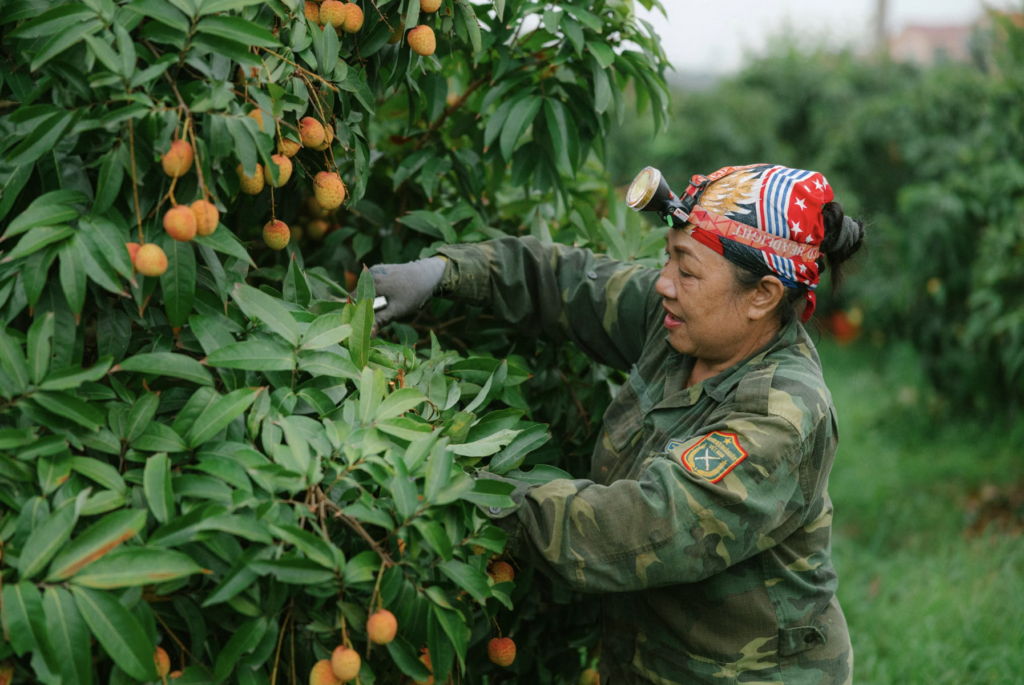
Wait until the fruit is fully colored a rich red or pink, depending on the variety and gives slightly when gently squeezed. Rather than pulling individual fruits (which can damage both fruit and tree), snip off the entire cluster with a short piece of stem attached. Handle the fruit gently; the skin is tougher than it looks but can still bruise.
Fresh lychees are a fleeting treasure with a short shelf life. Enjoy them within about a week refrigerated, or peel and freeze the fruit to savor your harvest for months. Beyond eating them out of hand, lychees shine in fruit salads, sorbets, cocktails, and Asian-inspired dishes, and they’re a good source of vitamin C and antioxidants so every fruit is a small, sweet nutritional bonus. Few homegrown treats feel as luxurious, and because a mature tree can produce heavily, a good year often means enough to share with the whole neighborhood.
Common Problems and How to Fix Them
Most lychee troubles trace back to water, cold, or a couple of persistent pests.
| Problem | Likely Cause | The Fix |
|---|---|---|
| Yellowing leaves, wilting, stunted growth | Overwatering / root rot | Improve drainage; water deeply but less often; plant on a mound |
| Healthy tree but no fruit | No cool, dry winter spell; tree too young | Ensure a winter chill period; be patient; feed for fruiting, not leaves |
| Silvery or felty patches on leaves | Erinose or eriophyid mites | Treat promptly with insecticidal soap or neem oil; remove affected leaves |
| Sticky leaves, distorted new growth | Aphids or scale | Rinse off; apply insecticidal soap or neem oil |
| Splitting or dropping fruit | Inconsistent watering during fruiting | Keep soil evenly moist as fruit swells |
| Frost-damaged leaves and stems | Cold snap on a tender tree | Protect or move containers before freezes; prune damage in spring |
Fruit flies can also be a nuisance at harvest, so pick fallen fruit up promptly and use traps if needed.
Is Growing a Lychee Tree Worth It?
If you love the fruit and have a little patience, absolutely. A lychee tree is a long-term investment that pays you back generously a striking evergreen that shades your yard, screens a view, and once a year delivers clusters of rose-scented fruit you simply can’t buy this fresh. There’s a quiet magic in peeling a lychee you grew yourself.
If your tropical fruit ambitions are growing, keep the momentum going. Try growing guava trees in containers, growing papaya from seed, starting a pineapple from a top, or a compact kumquat tree in a pot. For the whole collection of exotic edibles, explore our hub on growing tropical and exotic fruits, part of the broader EcoGardenHub Plant Library.
Plant a lychee this spring, give it sun, drainage, and time, and one summer not too far off you’ll be handing warm, fragrant fruit to everyone who visits your garden — the very definition of a gift for a joyful life. And remember, the tree earns its keep long before the first harvest: as a lush, evergreen centerpiece, a lychee makes your garden more beautiful every single day you wait.
Frequently Asked Questions
How long does it take for a lychee tree to fruit? A grafted or air-layered sapling usually fruits in three to five years, while a seed-grown tree can take seven to ten years, if it fruits at all. Peak production often arrives around ten years, after which trees can produce for decades.
What climate zone do lychees grow in? Lychees grow best in USDA Hardiness Zones 10–11, in warm, humid climates with a brief cool, dry winter. In cooler zones, grow them in containers you can move to a frost-free spot for winter.
Can I grow a lychee tree from seed? Yes, but it’s slow and unreliable seedlings don’t grow true to the parent and may take up to ten years to fruit. Use fresh seed and keep it warm, but for dependable fruit, choose a grafted nursery tree instead.
Do lychees ripen after picking? No. Lychees do not ripen off the tree, so wait until the fruit is fully red or pink and gives slightly before harvesting. Pick a whole cluster with a bit of stem attached rather than pulling individual fruits.
Do you need two lychee trees to get fruit? No, lychees are self-fruitful, so a single tree can produce a crop. That said, planting more than one cultivar nearby can improve pollination and increase yields.
Why won’t my lychee tree flower or fruit? The most common reasons are a lack of the cool, dry winter spell that triggers flowering, a tree that’s still too young, or too much nitrogen fertilizer driving leafy growth instead of fruit. Ensure a winter chill, be patient, and feed for fruiting.
How big does a lychee tree get? In ideal conditions a lychee can reach 30 to 40 feet tall and wide, but home growers usually prune them to 10 to 15 feet for easier care and harvesting. In containers they stay considerably smaller.