


The next time you slice open a ripe papaya, pause before you scrape those glossy black seeds into the compost. Tucked inside that spoonful of “waste” is a whole grove of fast-growing tropical trees just waiting for a little warmth and patience. Learning how to grow papaya from seed is one of the most satisfying and surprisingly quick fruit projects a home gardener can take on.
Here is the encouraging part: papayas are among the fastest-fruiting fruit plants you can grow, sometimes going from seed to harvest in under a year. They are also forgiving in all the ways that matter and fussy in only a couple, and once you understand those few quirks, success gets a whole lot easier. This guide walks you through every step, from saving seeds to picking your first sun-ripened fruit.
Can You Grow Papaya From Store Bought Seeds?
Yes, you can grow papaya from the seeds of a store-bought fruit. Scoop out the seeds, rinse off their jelly-like coating, and dry them for a few days. Sow several seeds half an inch deep in warm, well-draining soil, keep them around 80°F, and they will sprout in two to three weeks. With good care, plants can fruit in as little as six to twelve months.
One honest caveat: many supermarket papayas are hybrids, so their seedlings will not always match the parent fruit exactly. That is part of the adventure. For the most reliable results, start with seeds from a fresh, locally grown papaya, and simply plant plenty, you will have more than enough seeds to spare.
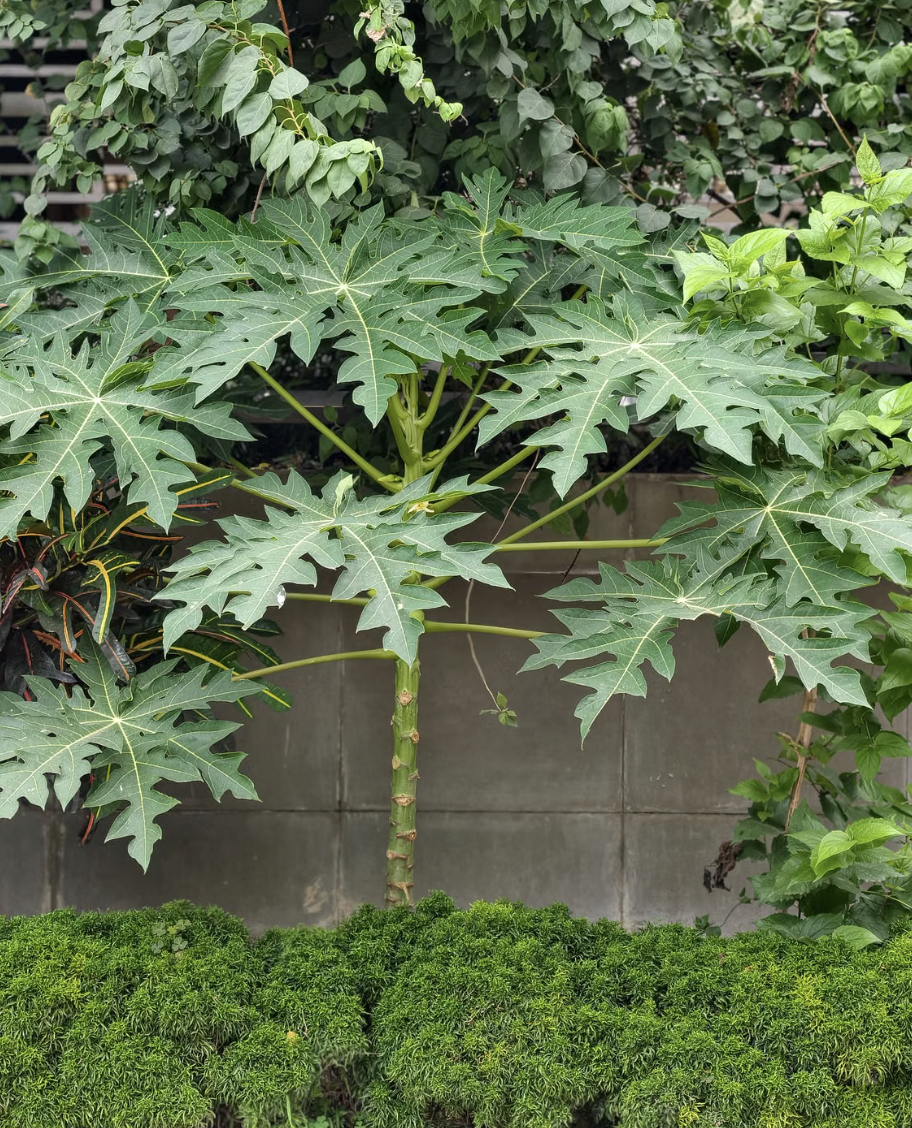
Meet the Papaya Plant: Fast, Tall, and Surprisingly Easy
Before we dig in, it helps to know what you are actually growing. The papaya (Carica papaya) is a fast-growing, short-lived tropical originally from the lowland rainforests of Central and South America. Botanically it is not really a tree at all; it is a giant herbaceous plant with a single, soft trunk topped by a crown of huge, umbrella-like leaves, giving it a distinctly palm-tree look.
That speed is the papaya’s superpower. In warm conditions it can shoot up several feet in a season, flower within a few months, and hand you ripe fruit before its first birthday. The trade-off is that papayas are frost-tender and relatively short-lived, often declining after a few productive years. The happy solution for most gardeners: grow them in containers you can move, and keep a few new seedlings coming along behind your mature plants.
If you love the idea of turning kitchen scraps into edible plants, papaya pairs perfectly with our guide on how to grow a pineapple from a top another tropical treat you can start straight from the grocery store.
What You’ll Need to Grow Papaya From Seed
Gather a few simple supplies before you start:
- A fresh, ripe papaya (ideally locally grown) for seeds
- A fine sieve or colander and a paper towel for cleaning and drying seeds
- Seed-starting mix or a light, well-draining potting mix
- Small pots or a large final container (15–20 gallons for dwarf varieties)
- A warm, bright spot a sunny windowsill, heat mat, or DIY grow light setup works well
- A balanced fertilizer for feeding hungry, fast-growing seedlings
That is genuinely all you need to get from spoonful of seeds to thriving tropical plant.
How to Grow Papaya From Seed: Step-by-Step
Follow these five steps and you will have healthy papaya seedlings on their way to becoming fruit-bearing plants. The active work takes maybe twenty minutes, spread across a couple of sessions.
Step 1: Choose the Right Papaya and Save the Seeds
Pick a papaya that is fully ripe, with deep yellow to reddish-orange skin that yields slightly to a gentle press. Riper fruit means more mature, viable seeds. Slice it open lengthwise and you will find the central cavity packed with round, dark seeds, each wrapped in a clear, gel-like sac.
Scoop out a generous spoonful. Because you cannot tell a seed’s future sex by looking, always save far more than you think you need a couple of dozen is a comfortable starting point.
Step 2: Clean and Dry the Seeds (Don’t Skip This)
This is the step beginners most often rush, and it makes all the difference. Each papaya seed is coated in a slippery, jelly-like membrane called the sarcotesta, which contains germination inhibitors. Leave it on and your seeds may simply refuse to sprout.
Rinse the seeds in a sieve under running water, gently rubbing them between your fingers to slip off that gel coating. You can even pinch each seed lightly to pop the outer casing and expose the bumpy inner seed. Once they are clean, spread them on a paper towel and let them dry in a cool, shady spot for a few days. Dry seeds can be sown right away or stored in a sealed, airtight container for later.
Step 3: Sow Warm and Shallow
Papayas germinate best in warmth. Fill your pots with a light, well-draining seed-starting mix, moisten it, and poke holes about half an inch deep. Drop three to five seeds per pot or planting spot planting several improves your odds of landing a fruitful female or bisexual plant. Cover lightly, mist the surface, and place the pots somewhere warm and bright.
Aim for soil temperatures around 70–85°F (21–29°C); a sunny window or a seedling heat mat is ideal. Keep the mix lightly moist but never soggy, and be patient germination usually takes two to three weeks, though some batches take longer.
Step 4: Germinate and Thin to the Strongest Seedlings
When your seedlings emerge, you will quickly notice they are not all equal — some race ahead while others lag. That is exactly why you planted extra. Once seedlings are two to three inches tall, choose the single strongest, healthiest plant in each pot and snip the others off at the soil line with scissors.
Snip rather than pull. Papaya roots are delicate and intertwined, and yanking seedlings out can disturb the keeper you want to protect.
Step 5: Plant in Their Final Home (Roots Hate Moving)
Here is the papaya’s biggest quirk: it strongly dislikes having its roots disturbed. The less you move it, the better it grows. So plan to transplant seedlings into their permanent home a large container or a sunny garden spot while they are still small, ideally at six to twelve inches tall.
Handle the root ball as gently as possible, settle the plant at the same depth it was growing, water it in well, and keep the soil evenly moist while it settles. From here on, your papaya wants to stay put.
The Male, Female, and Bisexual Puzzle (Papaya Sex Explained)
If there is one thing that trips up first-time papaya growers, it is plant sex so let’s make it simple. Papayas come in three types, and you cannot tell which you have until the plant flowers, usually a few months in when it is roughly knee- to waist-high.
- Male plants produce small flowers on long, branching stalks and generally do not bear fruit. You only need them to pollinate females one male can service ten to fifteen female plants.
- Female plants produce larger single flowers close to the trunk and set fruit, but only if a male or bisexual plant pollinates them.
- Bisexual (hermaphrodite) plants have “perfect” flowers with both male and female parts, so they self-pollinate and fruit on their own. These are the jackpot for home growers.
The practical strategy: grow five or six seedlings, wait for flowering, then keep the females and bisexuals and remove most males (leaving one nearby if you need a pollinator). Better yet, if you want to skip the guessing game entirely, start with seeds from a known self-pollinating hermaphrodite variety like Red Lady or a Solo type.
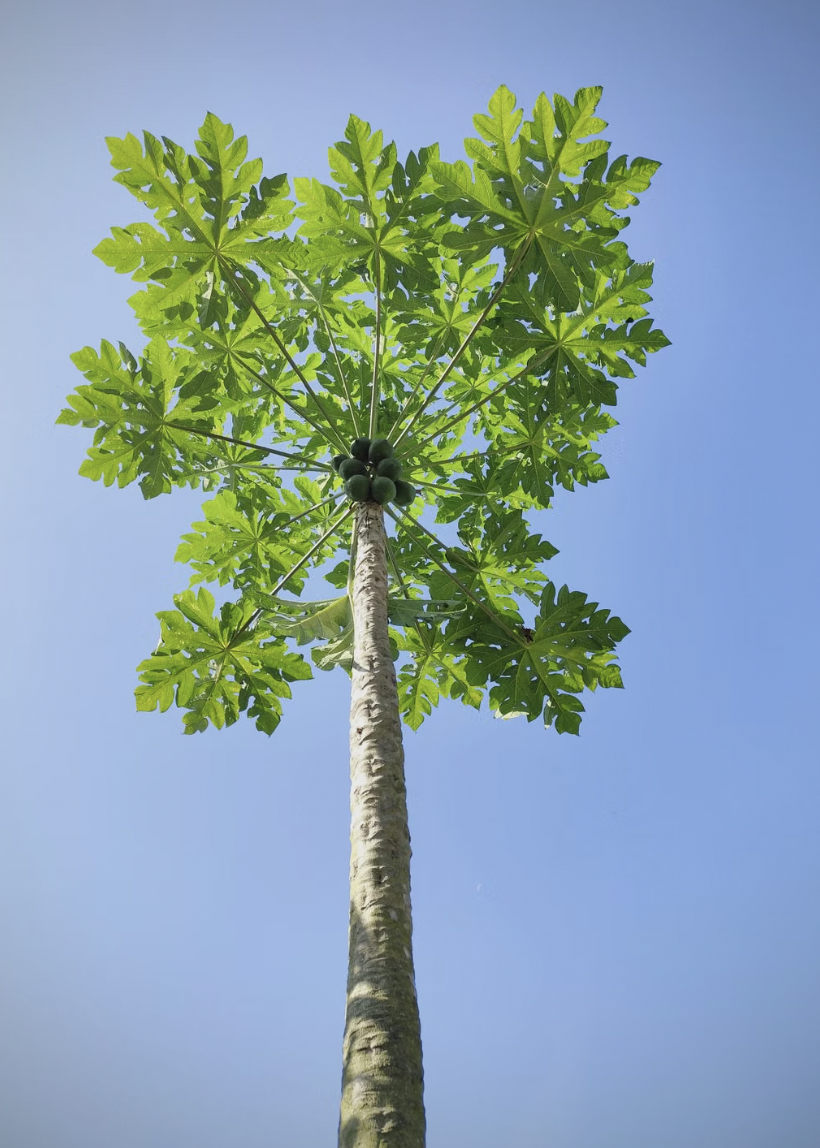
Growing Papaya in Containers
You do not need tropical acreage to grow papaya a large pot on a sunny patio or balcony works beautifully, and it hands you a superpower: the ability to wheel your frost-tender plant to shelter when the weather turns. Container growing is often the best route for gardeners outside truly tropical regions.
The keys to papaya container growing are choosing a compact variety, giving the roots enough room, and never letting the soil get waterlogged. Here is a quick reference:
| Factor | Recommendation |
|---|---|
| Best varieties for pots | Red Lady, Solo Sunrise, Tainung (compact, self-pollinating hybrids) |
| Minimum container size | 15–20 gallons (about 18–22 inches wide, 16 inches deep) |
| Soil | Rich, loose, fast-draining mix; slightly acidic to neutral (pH 6–7) |
| Plants per pot | One (after thinning) |
| Sunlight | 6–8 hours of direct sun daily |
| Portability perk | Move indoors or to a sheltered spot before frost |
Choose a container with generous drainage holes, and consider raising it on pot feet so water never pools underneath. If containers are new territory for you, our container gardening guide for beginners covers drainage, soil, and pot sizing in friendly detail.
Papaya Tree Care: Sun, Water, and Feeding
Good papaya tree care comes down to three things: bright sun, careful watering, and generous feeding. Get those right and your plant practically grows itself.
Sunlight. Papayas are unapologetic sun lovers. Give them at least six to eight hours of direct sun a day. Too little light produces leggy, sparse plants and poor fruiting, so pick your sunniest spot.
Watering. This is where papayas ask for balance. Their big leaves transpire a lot of water, so they need regular moisture — but they are extremely prone to root rot, and overwatering is the single most common reason papayas fail. Aim for evenly moist soil that drains freely, letting the surface dry slightly between waterings. Mulch to conserve moisture, but always keep mulch pulled back from the trunk, since the soft stem rots easily.
Feeding. Papayas are hungry, fast growers and heavy feeders. Feed young plants with a dilute balanced fertilizer every couple of weeks, then a balanced or potassium-rich fertilizer roughly monthly through the growing season as they mature. If those fertilizer numbers look like a secret code, our plain-English guide to understanding NPK ratios breaks it down, and our roundup of banana peels and eggshells in the garden offers gentle, low-waste ways to feed them.
Because papayas cannot tolerate frost, gardeners in cooler regions should grow them in movable containers and bring them in when temperatures dip toward the 40s°F. Knowing your first and last frost dates makes that timing easy, and our guide to overwintering tender plants will help them coast through the cold months.
How Long Until Papaya Fruits?
Here is the reward for a little patience and with papaya, it comes remarkably fast. Under warm, sunny conditions, papayas often flower within four to six months of sowing and produce ripe fruit in as little as six to twelve months. From flower to picked fruit is typically another four to eight months of gradual swelling.
Here is a realistic timeline of what to watch for:
- Weeks 2–3: Seeds germinate and the first true leaves appear.
- Months 1–3: Rapid growth; you thin and settle plants into their final home.
- Months 4–6: Flowering begins and you can finally identify plant sex.
- Months 6–12: Fruit sets, swells, and begins ripening on the trunk.
- Beyond year one: A healthy plant keeps producing for a few productive years before it should be replaced with a fresh seedling.
Because a single plant can yield anywhere from fifteen to thirty fruits in a cycle, even one thriving papaya can keep your kitchen well supplied.
In our own container trials, the seedlings that fruited fastest all shared the same conditions: a large pot from the start (so their roots were never disturbed again), a full-sun position against a warm wall, and steady feeding without ever letting the soil go soggy. The plants we lost, almost without exception, were lost to overwatering in cool weather a reminder that with papaya, restraint at the watering can is a virtue. Warmth is the other non-negotiable: papayas sulk below about 60°F and thrive in the balmy 70–90°F range, which is why gardeners in cooler regions lean on containers and sheltered, sun-trapping corners to keep their plants happy.
Harvesting Papaya
Fruits form and ripen along the trunk from the bottom up, so your lowest fruit ripens first. You will know a papaya is ready when its skin shifts from green to yellow-orange and the fruit gives slightly to a gentle press.
To harvest, clip the fruit from the trunk with a short piece of stalk attached, handling it gently to avoid bruising. Papayas do not sweeten much after picking, so let fruit ripen as much as safely possible on the plant, then finish ripening any firmer fruit indoors at room temperature over a few days.
Do not overlook green papaya, either. Picked while still firm and unripe, it is a beloved vegetable in salads, slaws, and curries around the world a wonderful, zero-waste way to enjoy fruit you might otherwise leave on the plant. Ripe papaya, meanwhile, is prized for being rich in vitamins A, C, and E and the digestive enzyme papain, making every homegrown fruit as nourishing as it is delicious. A quick note of care: papaya stems and unripe fruit contain a milky latex sap that can irritate sensitive skin, so wear gloves if you are prone to reactions.
Common Papaya Problems and How to Fix Them
Most papaya troubles trace back to water, cold, or a few familiar pests. Here is a quick troubleshooting guide.
| Problem | Likely Cause | The Fix |
|---|---|---|
| Seeds won’t germinate | Gel coating left on, or seeds too cold | Clean off the sarcotesta thoroughly; keep soil at 80°F |
| Yellowing, wilting, mushy base | Overwatering and root or stem rot | Improve drainage, water less, keep mulch off the trunk |
| Tall, leggy, few leaves | Not enough sunlight | Move to the sunniest spot available |
| No fruit at all | Plant is male, or female with no pollinator | Keep bisexual/female plants; add a male or hand-pollinate |
| Sticky leaves, cottony spots | Aphids, mealybugs, or whiteflies | Rinse off; treat with insecticidal soap or neem oil |
| Mottled, distorted leaves | Papaya ringspot virus | Remove affected plants; control aphids that spread it |
For pollination troubles specifically, hand-pollinating is easy: use a small, clean brush to move pollen from a male (or bisexual) flower onto the stigma of a female flower.
Is Growing Papaya From Seed Worth It?
Without a doubt. Few plants reward you as quickly or as generously as papaya, and starting from seeds you would otherwise toss makes it a genuinely sustainable, budget-friendly project. You get lush tropical foliage, fast growth, and a steady supply of vitamin-rich fruit all from a spoonful of scraps.
If papaya has you dreaming of a homegrown tropical harvest, keep the momentum going. Try growing guava trees in containers, starting a citrusy kumquat tree in a pot, or planting fig trees for beginners. For the whole collection of exotic edibles, browse our hub on growing tropical and exotic fruits, part of the broader EcoGardenHub Plant Library. And if you garden in a warm region, our USDA Zone 9 gardening guide will help your papayas thrive outdoors year-round.
Save your seeds this week, give them warmth and light, and in a matter of months you could be picking papayas from a plant you grew from scratch. That is sustainable gardening at its most delicious.
Frequently Asked Questions
How long does it take to grow papaya from seed? Seeds germinate in two to three weeks, and plants often flower within four to six months and fruit in six to twelve months under warm, sunny conditions. Papayas are among the fastest fruit plants you can grow from seed.
Can I grow papaya from store-bought fruit seeds? Yes. Just clean off the gel coating, dry the seeds, and sow them. Keep in mind that many grocery-store papayas are hybrids, so seedlings may not exactly match the parent fruit but they will still grow into productive plants.
Why won’t my papaya seeds sprout? The most common culprit is the slippery sarcotesta coating, which contains germination inhibitors. Rinse it off completely before sowing, and keep the soil consistently warm (around 80°F) and lightly moist.
Do I need more than one papaya plant to get fruit? It depends on the plant’s sex. Bisexual (hermaphrodite) plants self-pollinate and fruit alone, while female plants need a nearby male or bisexual plant to pollinate them. Growing several seedlings ensures you end up with a fruiting plant.
Can papaya grow in a pot? Absolutely. Choose a compact, self-pollinating variety like Red Lady, use a 15–20 gallon container with excellent drainage, and give it full sun. Container growing also lets you move the frost-tender plant to shelter in cold weather.
How do I know when papaya is ripe? Ripe papayas turn from green to yellow-orange and feel slightly soft when gently pressed. Fruit ripens on the trunk from the bottom up, and since papayas barely sweeten after picking, let them ripen as much as possible on the plant.
How big do papaya plants get? Standard papayas can reach 10 to 20 feet tall, but compact hybrid varieties bred for containers stay under about 8 feet, making them far more manageable for patios and small gardens.