


Imagine stepping onto your balcony on a cool morning, brushing past a glossy-leaved little tree, and picking a warm, fragrant guava for breakfast no tropical vacation required. If you have ever assumed guavas were only for gardeners with sprawling, frost-free backyards, here is some genuinely good news: learning how to grow guava in containers puts this sweet, vitamin-packed fruit within reach of almost anyone, even on a patio in a chilly climate.
Guava trees are tough, adaptable, and surprisingly happy in pots. Growing them in containers even comes with bonus perks — you can control the soil, keep the tree compact, and simply wheel it indoors when frost threatens. This guide covers everything from choosing the right variety to picking your first perfectly ripe fruit, in plain, friendly language.
Can You Grow Guava in a Pot at Home?
Yes, guava grows very well in a pot. Choose a compact variety, plant it in a large container (at least 18–24 inches wide) filled with fast-draining, slightly acidic soil, and give it 6–8 hours of full sun. Water deeply but sparingly, feed every 6–8 weeks in the growing season, and protect it from frost. Potted guavas can fruit in as little as one to two years.
The real advantage of container growing is portability. Because guava is a tropical-to-subtropical plant that dislikes hard freezes, keeping it in a pot lets you move it to a sheltered spot or indoors when the temperature drops which is exactly how gardeners well outside the tropics grow them successfully.
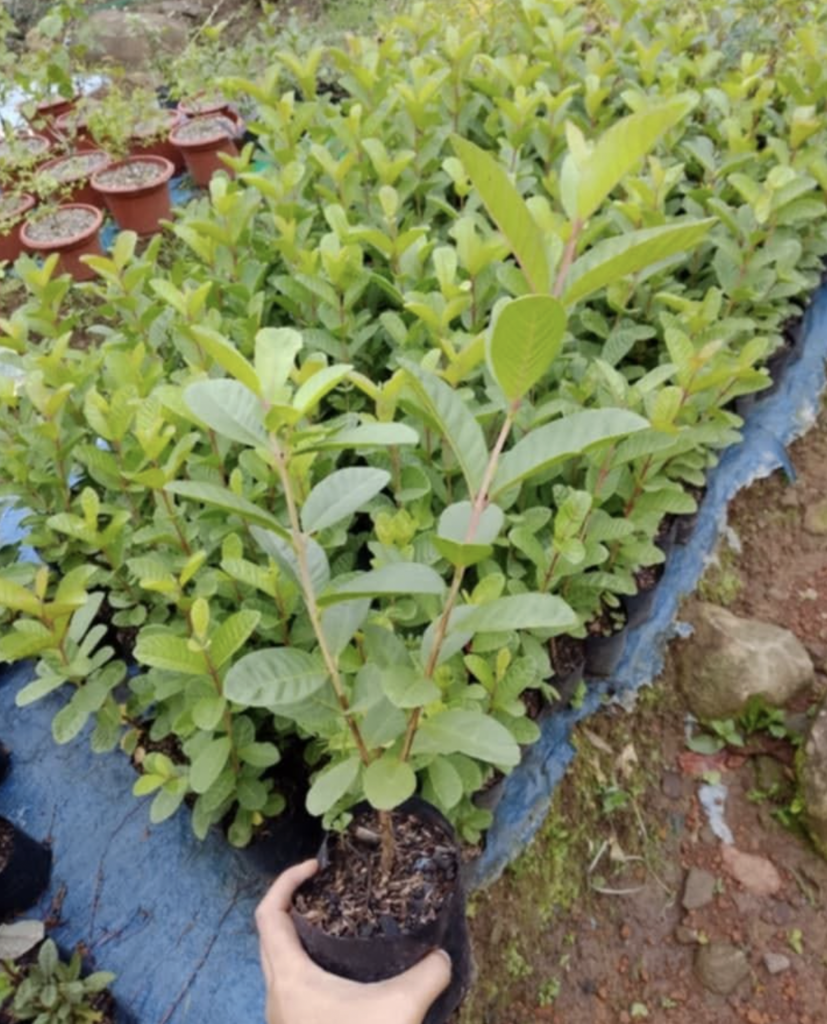
Why Containers Are Perfect for Guava
You might assume in-ground planting is always better, but guava is one of those fruits that genuinely thrives in a pot. Here’s why container growing works so well:
- Beat your climate. A movable pot lets you grow a frost-tender tropical almost anywhere, wheeling it to shelter when cold threatens and back into the sun when it warms.
- Keep it compact. Restricting the roots naturally limits the tree’s size, so a plant that could top 20 feet in the ground stays a tidy, pickable few feet tall.
- Control the soil. You get to provide the exact fast-draining, slightly acidic mix guava loves, instead of fighting whatever’s in your yard.
- Fewer pests and problems. Raised off the ground and easy to inspect, potted guavas are simpler to keep clean and healthy.
- Contain a spreader. In some warm regions guava can seed itself aggressively; a pot keeps this vigorous grower politely in bounds.
For small-space, urban, and cool-climate gardeners especially, a container isn’t a compromise it’s often the smartest way to grow guava.
Meet the Guava (and Its Look-Alikes)
The classic guava (Psidium guajava) is a tropical tree native to Mexico, Central America, and the Caribbean, prized for sweet, aromatic fruit bursting with vitamin C. Left in the ground it can reach 10 to 30 feet, but in a container with a little pruning it stays a manageable few feet tall, making it ideal for pots.
It helps to know the guava “family” you’ll see at nurseries, because they aren’t all the same plant:
- Tropical guava (Psidium guajava): the true guava, with the largest, juiciest fruit. It’s the most frost-tender of the group and the star of this guide.
- Strawberry guava (Psidium cattleianum): a shrubbier tree with smaller, tarter red fruit and higher cold tolerance (hardy to around 25°F).
- Pineapple guava (Feijoa sellowiana): technically a different plant with citrusy fruit and beautiful twisting trunks, and the most cold-hardy of the bunch (down to about 15°F).
All three grow well in containers, but when someone says “guava,” they usually mean the tropical guava so that’s our main focus.
As a bonus, guava is a handsome plant in its own right. Its paired, leathery green leaves stay on the tree year-round in mild conditions, and its small white flowers are lightly fragrant and attractive to pollinators. Even before it fruits, a potted guava earns its place as an evergreen, ornamental little tree on a patio or balcony.
Best Guava Varieties for Containers
Not every guava stays pot-friendly, so choosing a compact, self-fruiting variety sets you up for success. Here are reliable performers for container growing:
| Variety | Fruit & Flesh | Why It Works in Pots |
|---|---|---|
| Ruby Supreme | Sweet, pink-red flesh | Popular, productive, container-friendly |
| Homestead | Classic sweet guava, pink flesh | Reliable cropper, easy to keep compact |
| Thai White | Crisp, mildly sweet, white flesh | Naturally smaller, great for small spaces |
| Peruvian White | Green ripening to white-yellow | Proven in cool-climate container setups |
| Barbie Pink | Aromatic, pink flesh | Compact habit, ornamental and tasty |
Guavas are self-pollinating, so a single tree will fruit on its own. That said, growing two different varieties nearby often boosts fruit set noticeably a nice option if you have the room. Buying a young grafted sapling rather than starting from seed also gets you fruit far faster: roughly one to two years, versus three to seven years from seed.
What You’ll Need
- A compact guava variety (a grafted sapling for fastest fruiting)
- A large container with plenty of drainage holes (start smaller, size up over time)
- A fast-draining potting mix potting soil, compost, and sand or perlite
- A sunny, sheltered spot getting 6–8 hours of direct sun
- A balanced fertilizer (organic granular, fish emulsion, or 10-10-10)
- Mulch to hold moisture and insulate the roots
- Frost protection a sheet, fleece, or the ability to move the pot indoors
How to Plant a Guava Tree in a Container: Step-by-Step
Follow these five steps to get your potted guava off to a strong start.
- Step 1: Pick the Right Pot
Guavas have shallow, vigorous roots and need room. If you’re starting with a small sapling, a 12-inch pot is fine, but plan to move up to a final container at least 18–24 inches across and roughly as deep (larger is even better for mature trees). Make sure it has several drainage holes. A lightweight plastic or fiberglass pot or one on wheels makes it far easier to chase the sun and dodge frost.
- Step 2: Mix a Fast-Draining Soil
Guava thrives in loose, well-draining soil that’s slightly acidic to neutral (pH around 5–7). A dependable blend is roughly two parts quality potting soil, one part compost or aged manure, and one part sand or perlite for drainage. Good drainage is non-negotiable, soggy soil is the fastest way to lose a guava to root rot.
- Step 3: Plant Your Guava
Fill the pot about halfway with your mix. Set the sapling so the top of its root ball sits level with the final soil surface, never buried deeper. Backfill around the roots, firming gently to remove air pockets, and leave an inch or so of space below the rim for watering.
- Step 4: Water It In and Place in Full Sun
Water thoroughly right after planting until moisture runs from the drainage holes, then move the container to its sunny home. Guavas want at least six to eight hours of direct light daily; in very hot regions, a little afternoon shade prevents leaf scorch. Add a layer of organic mulch on top, keeping it away from the trunk.
- Step 5: Pot Up as It Grows
Your guava won’t stay small forever. As roots fill the container (you’ll see them circling at the drainage holes, or notice the soil drying out unusually fast and growth slowing), move the tree into the next size up, ideally in spring. Refresh with fresh mix each time. Gradual potting-up keeps the tree vigorous without shocking it and new to containers overall? Our container gardening guide for beginners covers drainage and repotting in friendly detail.
Guava Tree Care: Sun, Water, Feeding & Pruning
Dialed-in guava tree care is genuinely low-effort once you understand the rhythm.
Sunlight. More sun means more fruit. Aim for 6–8 hours of direct light, rotating the pot every week or two for even growth. If winter light is weak, a full-spectrum grow light keeps the tree ticking over the same DIY grow light setup you’d use for seedlings works nicely.
Watering. Here’s the balance guavas ask for: they like deep watering but hate soggy roots. Water thoroughly only when the top 1–2 inches of soil feel dry, then let it drain freely. Overwatering is the single most common mistake with potted guavas, so check the soil before you reach for the hose. As a rough seasonal guide, that often means a deep soak two to three times a week in the heat of summer, easing to once a week or less as temperatures cool. In winter, when growth slows to a crawl, water only sparingly, guavas are surprisingly drought-tolerant during their rest period, and letting them dry out slightly is far safer than keeping them wet in the cold.
Feeding. Container guavas are hungry, potted trees use up nutrients faster than those in the ground. Feed with a balanced fertilizer (like 10-10-10) or organic options such as compost tea or fish emulsion every 6–8 weeks during the growing season, and feed again after any hard pruning. A useful refinement as your tree matures: while it’s young and putting on growth, a nitrogen-forward blend encourages leafy development, but once it starts flowering and fruiting, shifting to a formula higher in potassium supports better fruit set and sweetness. If those N-P-K numbers look cryptic, our guide to understanding NPK ratios makes them simple, and kitchen staples like banana peels and eggshells can gently supplement feeding. Ease off feeding in winter, when the tree slows down and rests.
Pruning. Here’s a grower’s secret: guavas fruit on new growth, so smart pruning actually increases your harvest. Trim after fruiting or in late winter to remove dead and crossing branches, open up airflow, and keep the tree compact and easy to pick. Removing any shoots below the graft union keeps energy going to the fruiting variety. It also pays to thin the fruit itself: allow no more than about four fruits per branch, and remove any developing on thin, weak stems, so the tree channels its energy into fewer, larger, sweeter guavas. A layer of organic mulch on the soil surface conserves moisture and shields shallow roots.
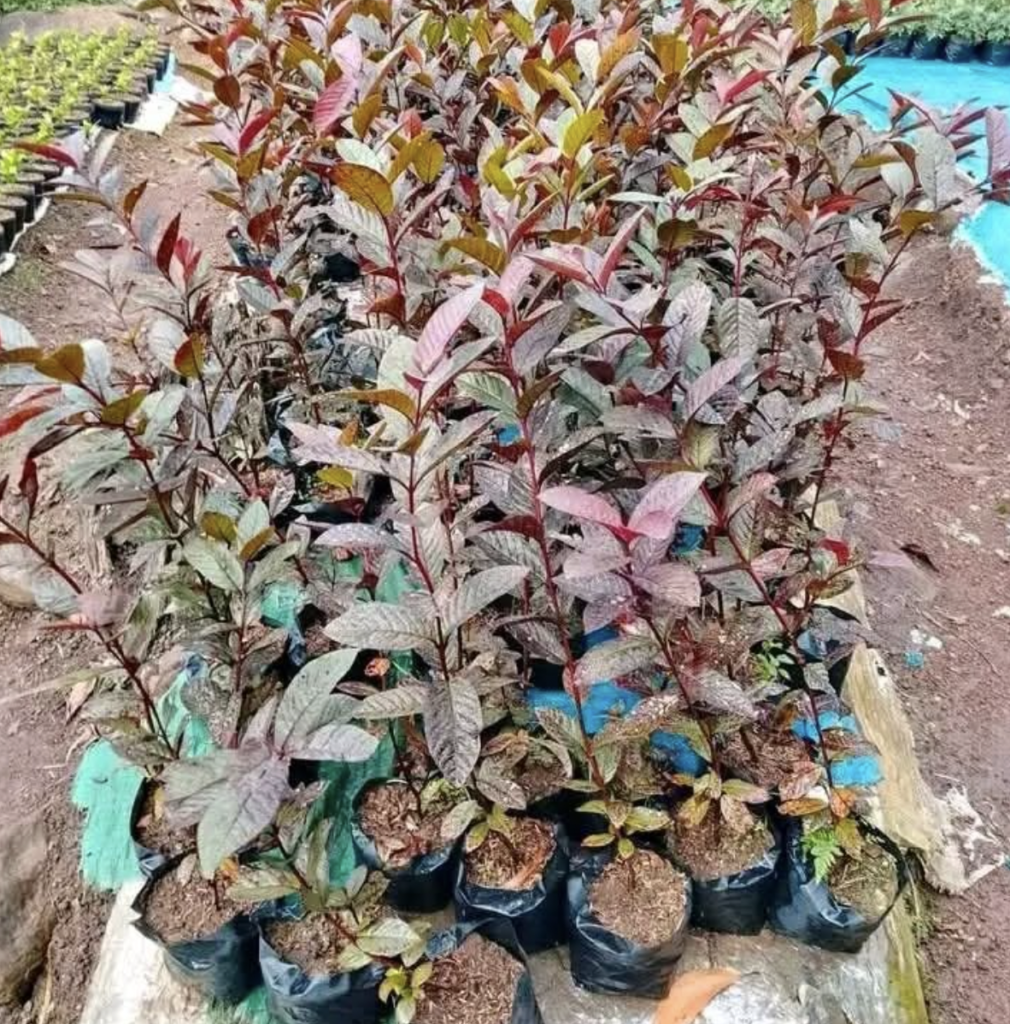
Growing Guava in Cold Climates
One of the joys of a potted guava is that you’re no longer limited by your zone. Guava’s native range is roughly USDA zones 9–12, but plenty of gardeners in far cooler regions grow thriving container guavas simply by moving them to shelter when the cold arrives.
The strategy is straightforward: as nights approach freezing, bring the pot into a garage, greenhouse, or bright indoor room, or protect it in place. For short cold snaps, you can cover the tree with a frost cloth or old sheet, run a small fan for air circulation, or even string old-fashioned incandescent holiday lights through the branches for a touch of gentle warmth. Knowing your first and last frost dates makes this timing effortless, and our guide to overwintering tender plants walks through the whole cold-season routine. If you happen to garden in a warm zone, our USDA Zone 9 gardening guide covers growing guava outdoors year-round.
In our experience, the gardeners who succeed with cool-climate container guavas treat it as a simple seasonal routine rather than a battle. They keep their trees in lightweight pots on rollers, watch the ten-day forecast in autumn, and move the plants under cover the first night temperatures are set to dip near freezing. Guavas are remarkably resilient once that one habit is in place many growers in regions as cool as USDA zone 7 harvest fragrant fruit year after year simply by giving their potted trees a warm place to wait out the coldest weeks.
How Long Until Guava Fruits?
Patience pays off quickly with guava especially if you start from a sapling. Here’s a realistic timeline:
- From a grafted sapling: flowering can begin within 6–8 months of healthy growth, with fruit often in the first one to two years.
- From seed: expect three to seven years before fruiting, which is why most container growers buy young trees.
- Flower to ripe fruit: roughly a few months, with most guavas ripening in the cooler months.
Give your tree strong sun, steady feeding, and thoughtful pruning, and it will reward you with fragrant fruit sooner than you might expect.
Harvesting Guava
Guavas tell you when they’re ready. Watch for the skin color to shift from deep green to a lighter yellow-green, yellow, or blush of pink, depending on the variety. Ripe fruit gives slightly to a gentle squeeze and the surest sign releases a wonderfully sweet, floral fragrance.
Pick fruit by hand, twisting gently or clipping with a short stalk. If you harvest a touch early, guavas will continue to soften and sweeten at room temperature over a few days. Firm, green guavas even store for a couple of weeks. Once ripe, they’re a delight fresh, and equally lovely as juice, jam, jelly, chutney, or a tropical addition to desserts, a genuinely zero-waste, homegrown treat. Nutritionally, guavas are little powerhouses: they’re famously rich in vitamin C (often several times more than an orange, ounce for ounce), plus fiber and antioxidants, so every fruit you grow is as good for you as it is delicious. Ripe guavas are best eaten within a few days, but you can refrigerate them to extend their life, or freeze the pulp to enjoy your harvest long after the season ends.
Common Problems and How to Fix Them
Most potted-guava troubles come down to water, cold, or a few familiar pests.
| Problem | Likely Cause | The Fix |
|---|---|---|
| Yellowing leaves, wilting, mushy roots | Overwatering / root rot | Let soil dry between waterings; improve drainage |
| Leaf scorch or brown edges | Harsh midday sun or dryness | Add afternoon shade in hot climates; mulch and water deeply |
| Few or no flowers/fruit | Too little sun or over-feeding on nitrogen | Move to full sun; use balanced feed; prune to spur new growth |
| Maggots or premature fruit drop | Fruit flies | Bag developing fruit; remove and dispose of fallen fruit |
| Leggy, sparse growth | Insufficient light | Relocate to a brighter spot or add a grow light |
| Cold, blackened leaves | Frost damage | Move indoors or cover before freezes; prune damage in spring |
Is Growing Guava in Containers Worth It?
Absolutely. A potted guava gives you lush evergreen foliage, fragrant flowers, and sweet, nutritious fruit, all in a footprint small enough for a balcony, and portable enough to outsmart frost. Few tropical fruits are this forgiving or this rewarding for small-space and cool-climate gardeners. Better still, a container guava is a project that grows with you: start with one compact sapling, learn its simple rhythm of sun, water, and seasonal shelter, and you may soon find yourself adding a second variety and turning a corner of your patio into a miniature tropical orchard.
If your container orchard is calling for more, keep going: try growing papaya from seed, growing a pineapple from a top, a citrusy kumquat tree in a pot, or fig trees for beginners. For the full lineup of exotic edibles, browse our hub on growing tropical and exotic fruits, part of the broader EcoGardenHub Plant Library.
Pot up a young guava this season, give it sun and a little patience, and you’ll be picking fragrant, homegrown fruit before you know it. Sustainable, small-space gardening at its sweetest.
Frequently Asked Questions
How big a pot does a guava tree need? Start a young sapling in a 12-inch pot, then move up to a final container at least 18–24 inches wide and deep as it matures. Bigger pots support more roots and more fruit, so err on the larger side once the tree is established.
How long does it take for a potted guava to fruit? A grafted sapling can fruit within one to two years, while a tree grown from seed may take three to seven years. That speed difference is why most container gardeners start with a young nursery tree.
Do you need two guava trees to get fruit? No. Guavas are self-pollinating, so a single tree will produce fruit on its own. Growing a second variety nearby can improve pollination and increase yields, but it isn’t required.
Can guava survive winter in a container? Yes, if you protect it. Guava is frost-sensitive, so in cold regions move the pot to a garage, greenhouse, or bright indoor room during freezes, or cover it and reduce watering until warmth returns.
How much sun does a container guava need? Give it at least 6–8 hours of direct sunlight daily for good growth and fruiting. In very hot climates, light afternoon shade helps prevent leaf scorch, and in dim winters a grow light keeps it productive.
How do I know when a guava is ripe? Ripe guavas lighten in color from green toward yellow or pink, soften slightly to the touch, and give off a strong, sweet fragrance. You can pick them a little early and let them finish ripening indoors over a few days.
Should I prune my potted guava tree? Yes. Guavas fruit on new growth, so pruning after harvest or in late winter to remove dead, crossing, or overgrown branches both keeps the tree compact and encourages more fruit.