


Here’s a fruit-growing secret the farmers market won’t tell you: that little pint of figs costing six dollars comes from one of the easiest, most forgiving fruit trees you can grow at home. Figs (Ficus carica) have been cultivated for over 5,000 years. some believe they were the very first fruit humans ever domesticated and learning how to grow fig trees is refreshingly beginner-friendly. Plant one, give it sun and decent drainage, and within a year or two it can be handing you soft, honey-sweet fruit warm from the branch.
The best part? You don’t need a Mediterranean climate. With the right variety and a few simple cold-weather tricks, gardeners grow figs successfully from Southern California to Chicago. This friendly guide covers everything a first-timer needs, from choosing the perfect variety for your zone to protecting your tree through winter and harvesting your first perfect fig.
Can Beginners Grow Fig Trees?
Yes, figs are one of the best fruit trees for beginners. Plant a variety suited to your climate in a hot, sunny spot with well-draining soil, water it consistently while it establishes, and protect it over winter in cold regions. Common figs are self-fruitful, so you only need one tree, and it can produce fruit within one to two years. In cold zones, grow figs in pots you can move indoors.
The single most important decision is variety. Fig cultivars vary dramatically in flavor and cold-hardiness, and matching one to your zone is genuinely half the battle. Get that right, and figs reward you with more fruit for less effort than almost anything else in the garden.
Meet the Fig Tree (Ficus carica)
The common fig is a fast-growing deciduous tree or large shrub, prized for its lush, hand-shaped leaves and richly sweet fruit. Native to the Mediterranean and Middle East, it’s a plant of hot, sunny places, but it’s far hardier and more adaptable than its tropical reputation suggests.
One detail makes figs especially beginner-friendly: the common fig is self-fruitful and needs no pollination to set fruit, so you only need a single tree and never have to worry about pollination partners or the famous fig wasp that some other fig types require. Most home varieties stay a manageable 10 to 20 feet (and can be kept smaller with pruning or in a pot), they’re deciduous, dropping their leaves each winter and flushing out fresh in spring and the fruit is a genuine superfood, rich in fiber, potassium, and calcium.
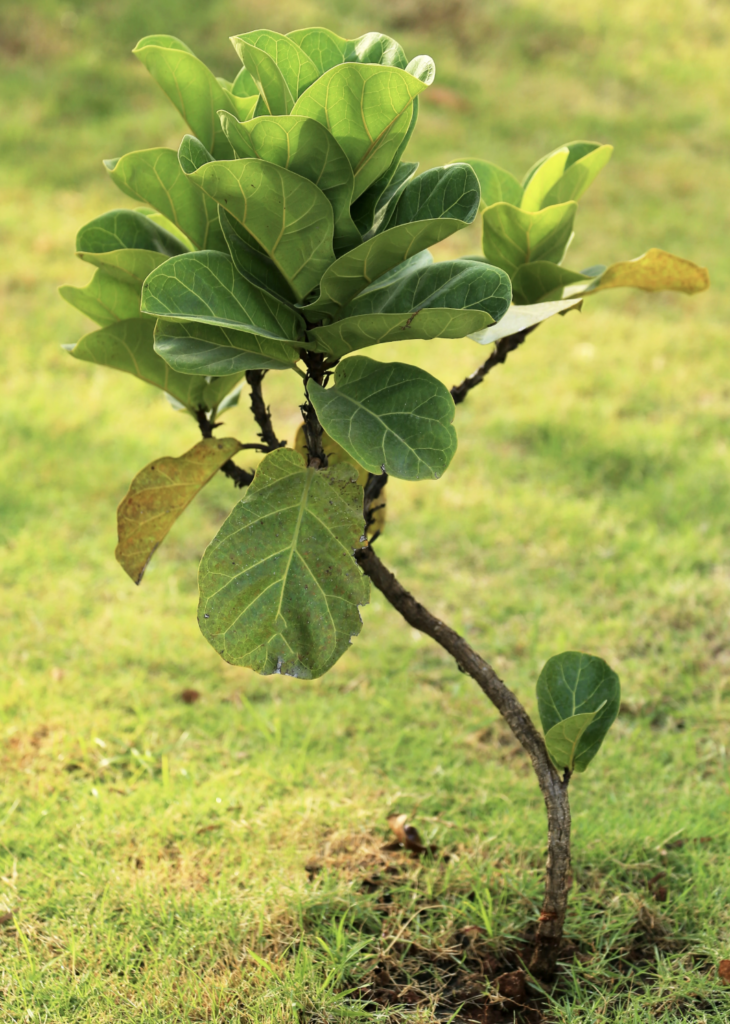
There’s also something quietly special about growing figs: you’re tending a plant with thousands of years of history behind it. The same tree that fed ancient civilizations around the Mediterranean can grow on a modern patio, asking for little more than sunshine and the occasional drink. That combination of heritage, ease, and generosity is a big part of why, once gardeners grow their first fig, they rarely stop.
Choosing the Right Fig Variety for Your Zone
Because figs are so sensitive to their environment while ripening, choosing a variety suited to your climate is the key to success. Here are dependable, beginner-friendly cultivars:
| Variety | Fruit | Best For |
|---|---|---|
| Chicago Hardy | Purple skin, red flesh, sweet | The most cold-hardy — great for zones 5–6 with protection |
| Celeste | Small, brown-purple, very sweet (“sugar fig”) | Compact (7–10 ft), heat-tolerant, often fruits in year one |
| Brown Turkey | Medium, mild and sweet | The popular all-rounder; among the most cold-hardy |
| Black Mission | Large, purple-black, jammy | Hot, dry climates (zones 6–11) |
| Kadota | Small-medium, rich and sweet | Warm areas; the classic canning fig |
Most figs are hardy in USDA zones 7 to 11 in the ground. In zones 5 and 6, choose the hardiest varieties (like Chicago Hardy) and provide winter protection, or grow figs in containers you can move indoors. Our regional guides for USDA Zone 5 and USDA Zone 7 gardening can help you match plants to your climate.
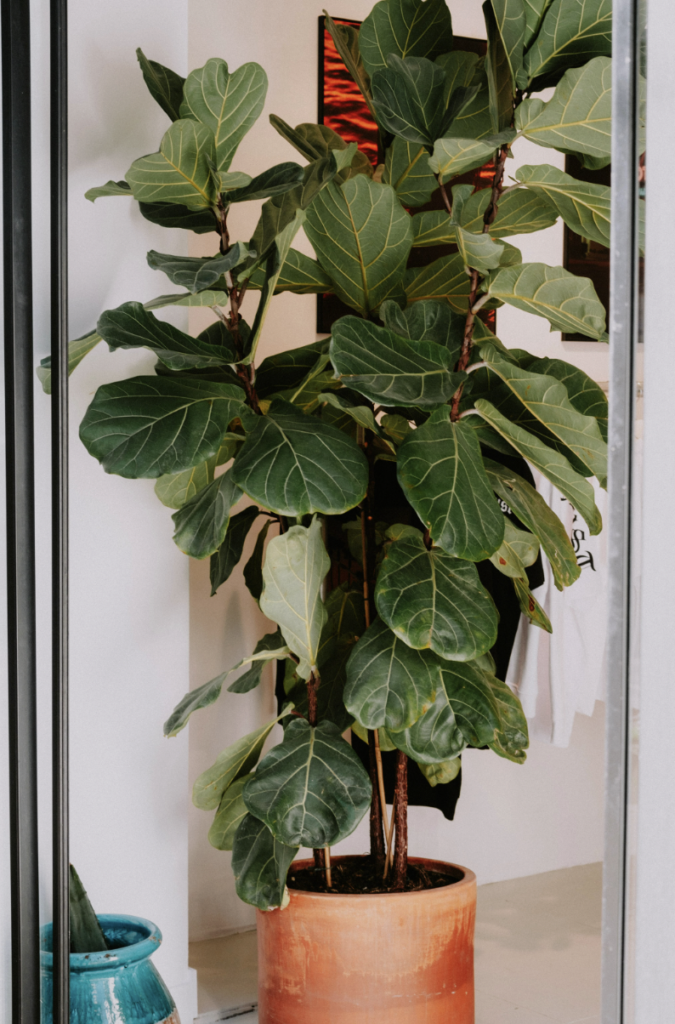
How to Plant a Fig Tree: Step-by-Step
Figs are forgiving, but getting the planting right sets you up for years of easy harvests.
- Step 1: Choose the Right Variety and a Sunny Site
Pick a variety suited to your zone, then find your hottest, sunniest spot. figs want at least six to eight hours of direct sun (more is better), and they love the reflected heat of a south-facing wall or fence, which speeds ripening and shelters the trunk in winter. Avoid low-lying frost pockets, since figs are more vulnerable to late spring frosts on tender new growth than to ordinary winter cold.
- Step 2: Plant at the Right Time (and a Little Deep)
Plant in early spring after the last frost, or in early fall in mild climates, giving roots time to establish. Dig a hole about twice as wide as the root ball. Here’s a fig-specific trick most guides skip: unlike other fruit trees, you can plant a fig slightly deeper than it grew in its pot, burying a couple of the lowest trunk nodes below the soil line. Those buried buds act as insurance, if a harsh winter kills the top, the tree can regrow from below.
- Step 3: Enrich, Backfill, and Firm
Mix a few handfuls of compost or well-rotted manure into the planting hole to boost fertility and structure. Set the tree, backfill around the roots, and firm gently to remove air pockets. Figs tolerate most soil types as long as it drains well and holds some organic matter.
- Step 4: Water Well and Mulch
Water thoroughly after planting to settle the soil, then spread a layer of organic mulch around the base, kept a few inches from the trunk, to conserve moisture and moderate soil temperature. Our guide to types of mulch helps you choose.
- Step 5: (Optional) Grow a Free Fig From a Cutting
One of the joys of figs is how easily they root from cuttings, giving you free trees. Take an 8- to 10-inch piece of dormant young wood, dip the cut end in rooting hormone, and plant it in moist, well-draining soil. Keep it warm and lightly moist, and it will often root and grow into a whole new tree.
Fig Tree Care: Sun, Water, Feeding and Pruning
Once established, fig tree care is wonderfully low-effort, figs are among the most drought-tolerant, resilient fruit trees you can grow.
- Sun. More sun, more figs. Give your tree full sun (eight or more hours where possible); in too much shade, fruit production drops sharply.
- Watering. Keep the soil consistently moist during the first year and through the growing season, especially as fruit develops erratic watering can cause fruit to drop or split. Once established, in-ground figs become quite drought-tolerant. Container figs, however, dry out fast and need more regular watering.
- Feeding. In-ground figs in decent soil need very little feeding; in fact, over-fertilizing (especially with nitrogen) produces lush leaves at the expense of fruit. Container figs are the exception, they benefit from a high-nitrogen feed every four weeks or so through spring and early summer. Our guide to understanding NPK ratios keeps it simple, and homemade organic fertilizers offer gentle, low-waste options.
- Pruning. Less is more with figs. Over-pruning disrupts the tree’s hormones and can reduce next year’s crop, so prune lightly while the tree is dormant in late winter or early spring, removing dead, diseased, or crossing branches and any suckers from the base. Always wear gloves, as fig sap can irritate skin.
Understanding Fig Crops: Breba vs Main
Here’s something that puzzles many new fig growers, so it’s worth understanding. Many fig trees produce two crops a year:
- The breba crop forms in spring on the previous year’s wood. It’s earlier but smaller, and because the young fruitlets overwinter on the branch tips, they’re vulnerable to frost damage.
- The main crop forms later in summer and fall on the current season’s new growth. It’s larger and the one most gardeners rely on.
In cooler climates, the breba crop may be lost to frost and only the main crop ripens, which is exactly why winter protection matters so much for figs. It’s also why a tree can look healthy yet drop unripe fruitlets: often those were breba figs caught by cold.
Growing Figs in Containers
Growing a potted fig is a brilliant solution for small spaces and cold climates alike and figs genuinely thrive in pots, since they don’t mind having their roots a little restricted. A container also gives you a superpower: you can move the whole tree to shelter for winter.
Start a young tree in a pot around a foot wide and deep, or one size up from its nursery pot, filled with a soil-based potting mix improved with bark chips, perlite, or pebbles for drainage. Keep it in full sun through summer, water regularly (pots dry out quickly), and feed every few weeks in spring and early summer. Because the roots are confined, repot every few years into fresh mix to keep the tree healthy and productive. Our container gardening guide for beginners covers pots, drainage, and repotting in detail.
Fig Winter Protection: How to Overwinter Your Fig
For gardeners north of zone 7, fig winter protection isn’t optional, it’s the difference between a thriving tree and a dead stump. The good news is that it’s straightforward, and there are several proven methods to suit your setup.
- For potted figs (the easy route). Let the tree experience a light frost so it drops its leaves and goes dormant, then move the container into a cool, dark, frost-free spot like an unheated garage, shed, or basement (ideally around 20–50°F). Water only sparingly through winter to keep the roots from fully drying out, and bring it back into the sun in spring. Dormancy is far easier than trying to keep a fig actively growing indoors.
- For in-ground figs — wrap it up. Once the tree drops its leaves in fall, tie the branches together loosely, then wrap the whole tree in burlap or landscape fabric, stuffing the interior with straw or dry leaves for insulation. A final layer of tarp or plastic sheds moisture. Unwrap gradually in early spring once nights stay reliably above about 25°F.
- The mulch-and-cage method. Encircle the tree with a ring of chicken wire and fill it with insulating leaves, straw, or wood chips to protect the lower trunk and buds.
- The bend-and-bury method. A traditional technique from Italian-American gardeners in the cold Northeast: prune to a few flexible branches, bend the whole tree to the ground, and bury it under six to eight inches of soil and mulch for winter.
Whichever you choose, remember that young trees are the most vulnerable, so give newly planted figs extra care. And even if a hard winter kills the top growth, a hardy variety will usually resprout from the roots in spring, just remove the dead wood while the tree is still dormant. For more on shepherding tender plants through the cold, see our guides to overwintering plants and winter garden prep, and use your first and last frost dates to time everything.
In our experience, the growers who succeed with figs in cold regions all share one habit: they don’t panic. A fig that looks like a lifeless stick in April often surprises everyone by pushing vigorous new shoots from the base once the soil warms. The trick is patience, wait until late spring before writing off any branch, scratch the bark to check for green underneath, and only then prune away what’s truly dead. Combined with a hardy variety and a little autumn wrapping, that calm, wait-and-see approach is what turns “figs won’t grow here” into a yearly harvest.
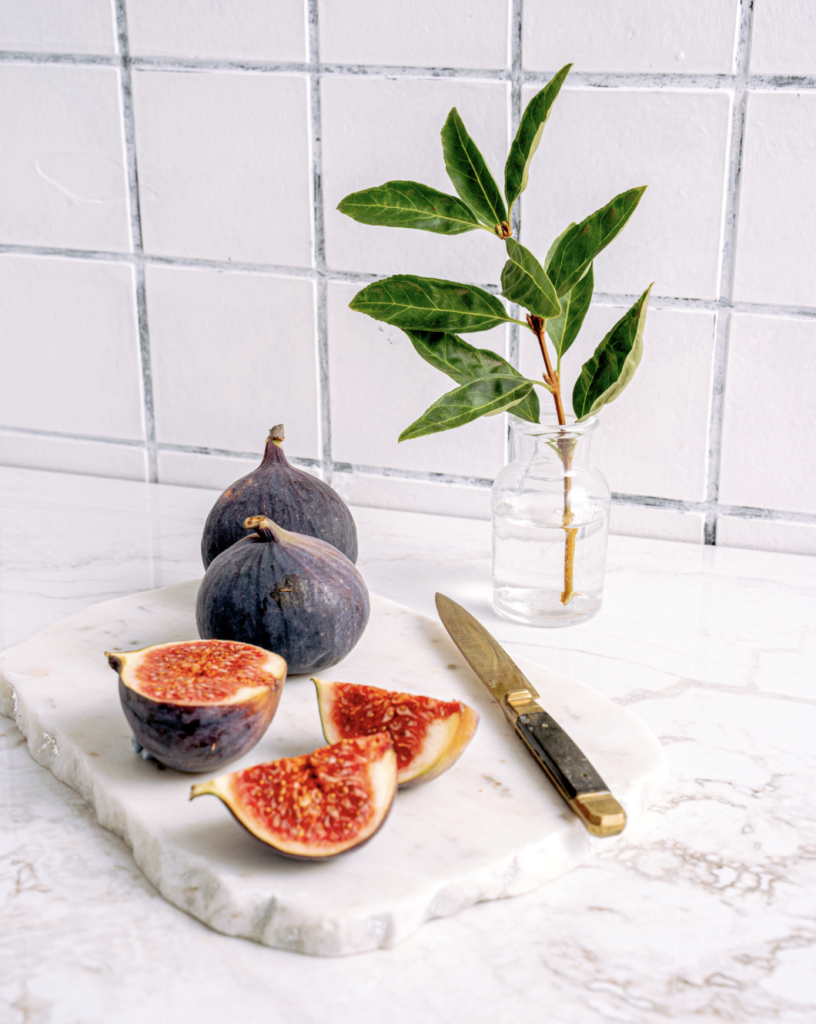
How Long Until a Fig Tree Fruits & Harvesting
Figs are fast rewarders. A nursery tree or rooted cutting often bears its first fruit within one to two years, with some compact varieties like Celeste fruiting in their very first season. Harvest usually comes in late summer to early fall.
The golden rule of harvesting: figs do not ripen off the tree, so patience is essential. Pick only when a fig is fully colored, soft to a gentle squeeze, and starting to droop on its stem. A fully ripe fig detaches easily with the barest tug, and may show a drop of nectar at its base. Because birds and squirrels adore ripe figs, drape the tree with netting and harvest daily once fruit starts coloring up. Wear gloves or long sleeves while picking, since the sap can irritate skin.
Figs are wonderfully perishable, which is part of their homegrown magic, enjoy them fresh within a couple of days, or preserve your surplus by freezing whole, drying, or making jam. Few things capture the taste of summer like a still-warm fig eaten straight off your own tree.
Because a healthy fig tree can be remarkably generous, it pays to plan for a glut. Fresh figs keep only two to three days in the fridge, but they freeze beautifully whole for smoothies and baking, dry into chewy, candy-sweet snacks that store for months, and cook down into some of the finest jam and preserves you’ll ever taste. Figs also pair gorgeously with cheese, honey, and cured meats, or roasted alongside savory dishes, a luxurious ingredient that would cost a small fortune at the store but flows freely from a single backyard tree. It’s the kind of abundant, low-waste harvest that makes growing your own feel genuinely rewarding.
Common Problems and How to Fix Them
Figs are famously trouble-free, but a few issues can arise.
| Problem | Likely Cause | The Fix |
|---|---|---|
| Fruit won’t ripen before season ends | Cool climate or too much shade | Choose an earlier variety; give maximum sun; a warm wall helps |
| Tree dies back over winter | Cold below the variety’s hardiness | Wrap or bury; grow a hardier variety; expect regrowth from roots |
| Dropping small unripe fruitlets | Frost-damaged breba crop, or stress | Protect in winter; keep watering steady |
| Few figs despite lush leaves | Over-fertilizing or over-pruning | Ease off nitrogen; prune lightly only |
| Birds and squirrels stealing fruit | Ripe figs are irresistible | Net the tree and harvest daily |
| Sticky or webbed leaves | Scale or spider mites (often indoors) | Treat with insecticidal soap or neem oil |
Fruit flies can also target overripe or fallen figs, so pick promptly and clear away any dropped fruit.
Is Growing Figs Worth It?
Without question. Figs offer one of the best effort-to-reward ratios in all of gardening: a single sun-loving tree, a little patience, and a few winter precautions in cold regions, and you’re rewarded with basketfuls of luxurious, expensive-at-the-store fruit. They’re beautiful, ancient, low-maintenance, and easy to propagate for free, everything a sustainable home garden loves.
If figs have you dreaming of more homegrown fruit, keep exploring: try growing pomegranate from seed, a compact kumquat tree in a pot, a pineapple from a top, or papaya from seed. For the full collection of exotic edibles, browse our hub on growing tropical and exotic fruits, part of the broader EcoGardenHub Plant Library.
Plant a fig this spring, give it your sunniest corner, and get ready, that first warm, honey-sweet fig off your own tree is a moment you won’t forget. And with a tree that fruits fast, propagates for free, and can outlive you with basic care, it may just be the most generous plant you ever add to your garden.
Frequently Asked Questions
How long does it take for a fig tree to produce fruit? A nursery tree or rooted cutting often fruits within one to two years, and some compact varieties like Celeste can fruit in their first season. Figs are among the faster fruit trees to reward you.
Do you need two fig trees to get fruit? No. The common fig is self-fruitful and needs no pollination, so a single tree will produce fruit on its own, one of the reasons figs are so beginner-friendly.
Can you grow figs in cold climates? Yes. Choose a cold-hardy variety like Chicago Hardy, provide winter protection such as wrapping or mulching, or grow the fig in a container you can move indoors for winter. Gardeners grow figs well into cold northern zones this way.
How do I protect a fig tree in winter? For potted figs, let them go dormant and store them in a cool, frost-free garage or basement. For in-ground trees, wrap them in burlap stuffed with straw, build a mulch-filled chicken-wire cage, or bend and bury the tree then uncover in spring.
How do I know when a fig is ripe? A ripe fig is fully colored, soft to a gentle squeeze, and droops on its stem, detaching with the slightest tug. Figs do not ripen after picking, so always wait until they’re fully ripe on the tree.
Can I grow a fig tree in a pot? Absolutely. Figs thrive in containers and even fruit well with restricted roots. Use a soil-based mix with added drainage, keep it in full sun, water and feed regularly, and repot every few years.
Why won’t my fig tree fruit? The usual culprits are too little sun, a variety poorly matched to your climate, over-fertilizing, or over-pruning. Give it maximum sun, choose a zone-appropriate variety, and prune and feed sparingly.