


Here’s a story almost every gardener knows. You grow a gorgeous, fragrant rosemary all summer. It’s magnificent, three feet of piney needles you brush past on the way to the grill. Come October you bring it inside to save it from frost, put it somewhere warm and cozy, water it faithfully like a good plant parent… and by March it’s a brown, brittle skeleton.
You didn’t neglect it. You killed it with hospitality. Learning how to grow rosemary in pots is mostly about one counterintuitive realization: a warm, well-watered living room is close to the worst place on earth for this plant. Rosemary evolved on dry, sunbaked Mediterranean cliffs where it drinks from sea-sprayed air, not soggy soil. Once you understand that, potted rosemary stops being difficult and becomes what it should be, a fragrant, evergreen, decade-long companion by your kitchen door.
How Do You Grow Rosemary in a Pot?
Plant rosemary in a terracotta pot with drainage holes using a fast-draining, slightly alkaline mix (cactus soil works well). Give it 6 to 8 hours of direct sun, and water only when the top of the soil is dry, rosemary hates wet feet. To overwinter indoors, keep it cool (40–60°F), in your sunniest window, away from heaters, and water sparingly. Clip sprigs regularly for cooking to keep it bushy.
Two rules make the difference: never let it sit wet, and keep it cool and bright in winter. Nearly every dead indoor rosemary traces back to breaking one of those.
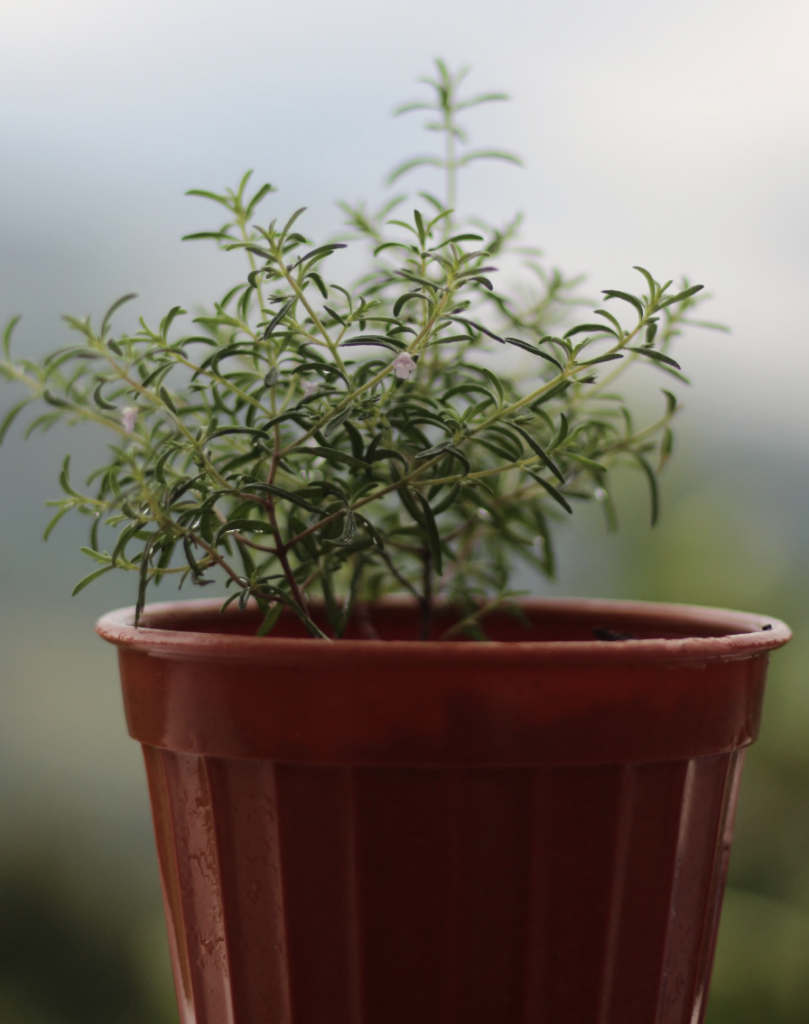
Why Rosemary Wants What It Wants
Rosemary (Salvia rosmarinus, reclassified from the old Rosmarinus officinalis) is a woody Mediterranean evergreen shrub, hardy outdoors in roughly USDA zones 7 to 10, where it’s used as a permanent landscape anchor, flowering nearly year-round.
Its native habitat explains everything about its care. Rosemary grows in dry, sharply drained, rocky soil under hot sun, on coasts where the air itself is damp with sea spray. So the plant is adapted to:
- Dry roots. It gets much of its moisture from humid air rather than from the soil. Wet feet are lethal.
- Blazing light. It’s a full-sun plant, full stop.
- Lean, slightly alkaline ground. Like lavender, rich soil does it no favors.
- Cool, mild winters — not tropical warmth.
Now consider a typical heated home in January: bone-dry air, weak light, temperatures in the 70s, and a well-meaning gardener with a watering can. That’s the inverse of a Mediterranean cliff in almost every particular. Understanding that mismatch is the whole game.
Why Grow Rosemary in a Pot?
- You can beat your climate. In zone 8 and colder, rosemary often won’t survive winter outdoors. A pot lets you grow this perennial shrub anywhere.
- You control the drainage. The single biggest rosemary killer becomes a solved problem.
- It’s portable. Summer outdoors in real sunshine, winter indoors under shelter, the best of both.
- It’s beautiful and useful. Evergreen, architectural, wonderfully fragrant, and endlessly good in the kitchen.
- It can live indoors permanently if you prefer, though it puts on a much lusher flush if it summers outside.
Choosing the Pot and Soil
The pot: terracotta, every time. A medium clay or terracotta pot is close to ideal because it’s porous, it wicks moisture away from the roots and lets the soil breathe, which is precisely what rosemary wants. It’s also easy to move and insulates the roots against temperature extremes better than thin plastic. Drainage holes are non-negotiable.
Size it sensibly, and don’t let it get root-bound. This is an under-appreciated rosemary killer. A pot-bound plant produces weak, leggy growth and often collapses over winter. If you’re seeing roots circling the surface or emerging from the drainage holes, size up. Repot in spring, when the plant has the light and energy to recover; repotting a stressed plant in autumn, just as it heads into a dark winter, is asking a lot of it.
The soil: fast-draining and lean. A cactus or succulent mix works beautifully, or a standard potting mix cut generously with grit, perlite, or coarse sand. Rosemary likes it slightly alkaline, so a little lime or bone meal worked in is genuinely helpful (see raising soil pH with lime). Don’t enrich it, this isn’t a plant that wants compost.
Never leave the pot standing in a saucer of water. If you use a saucer, empty it after watering.
Choosing a Variety
Variety choice matters if you’re pushing your climate.
| Variety | Why Grow It |
|---|---|
| ‘Arp’ | The best-known cold-hardy rosemary — often survives zone 6 with shelter. (A charming irony: it was discovered by Texas herb grower Madalene Hill while she was hunting for heat tolerance) |
| ‘Hill Hardy’ (aka ‘Madalene Hill’) | Another proven cold-hardy standard |
| ‘Nichols Select’ | Reputed to be hardy to about zone 6B and to have survived −7°F, with excellent flavor |
| Trailing / prostrate types | Spill beautifully over a pot rim — and several growers report they’re the best performers indoors over winter |
| ‘Tuscan Blue’ | Upright, vigorous, strongly flavored — a classic culinary choice |
If you plan to overwinter outdoors in a borderline zone, start with a cold-hardy cultivar and plant several in different microclimates, one sheltered spot may carry a plant through while another doesn’t.
How to Grow Rosemary in a Pot: Step-by-Step
- Step 1: Choose a Terracotta Pot With Drainage
Pick a medium clay pot with generous drainage holes, sized to the plant with a little room to grow, not vastly oversized, which holds excess wet soil around the roots.
- Step 2: Fill With a Fast-Draining, Slightly Alkaline Mix
Use cactus mix, or potting soil cut with grit or perlite, plus a little lime or bone meal. The goal is soil that water runs through, not soil that holds it.
- Step 3: Plant and Place in Full Sun
Set the plant at the depth it grew in its nursery pot, firm it gently, and put it where it gets at least 6 to 8 hours of direct sun. More is better, rosemary in shade is leggy, sparse, and weakly flavored.
- Step 4: Water Only When the Top Is Dry
Water thoroughly, let it drain completely, and then wait. Only water again when the top of the soil is dry to the touch. Overwatering is the number one cause of potted rosemary death, and it kills through root rot.
- Step 5: Clip Sprigs Regularly
Light pruning keeps rosemary bushy and healthy and happily, clipping sprigs for cooking is your pruning. Snip regularly through the growing season. Save any hard pruning for spring, when growth resumes.
Rosemary Care Through the Seasons
- Summer outdoors. Move pots outside a few weeks after your last frost. The plant will reward you with a genuinely lush flush of growth in real sunshine and rainfall. Check your frost dates for timing.
- Feeding. Barely necessary. An occasional dose of dilute fish emulsion and kelp during the growing season is plenty. Like most Mediterranean herbs, over-feeding gives you soft, floppy growth with diluted flavor. See homemade organic fertilizer for gentle options.
- Humidity. Rosemary likes around 50% humidity, a genuinely important detail indoors, where heated air is far drier. An occasional light misting of the needles, or a spot away from heat sources, helps considerably.
- Rotate the pot every few days so every side gets its share of light and the plant grows evenly rather than leaning.
Bring it in before frost. As the first frost date approaches, move the pot back indoors. Container-grown rosemary of any variety benefits from protection whenever temperatures head for the low 20s°F.
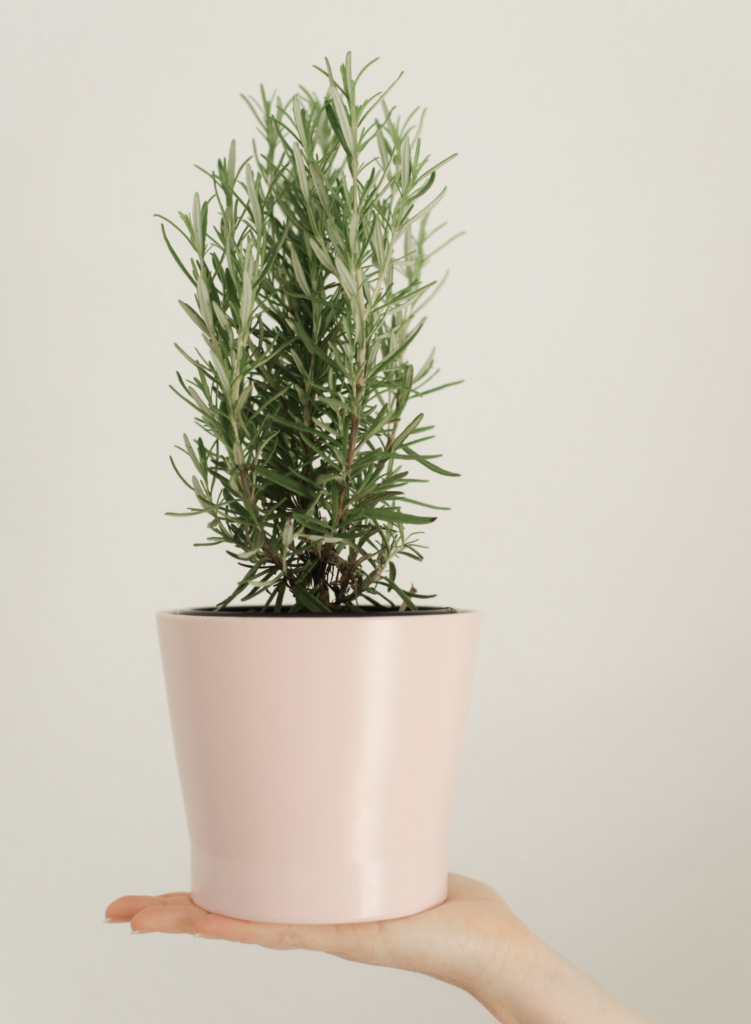
Overwintering Rosemary Indoors (The Hard Part)
This is where most rosemary is lost, so let’s be precise. Three things matter: light, temperature, and water.
- Light — as much as you can give. Rosemary wants 6 to 8 hours of bright, direct light daily. Use your sunniest south-facing window (a west-facing one can work), positioning the plant about 6 to 12 inches from the glass. If your windows face north, don’t fight it — use a grow light for 10 to 15 hours a day. Our DIY grow light setup guide covers simple, affordable options. Leggy winter growth is a light problem, every time.
- Temperature — cool, not cozy. Here’s the counterintuitive heart of it: rosemary wants to be cold in winter, around 40–60°F. Successful overwintering spots include an unheated upstairs bedroom, a cold windowsill, an enclosed porch, or a barely-heated greenhouse. What it does not want is your warm living room, and it especially doesn’t want to sit near a radiator or heat vent, which will desiccate it. Keep it away from cold drafts too cool and stable is the target.
- Water — sparingly, and never wet. Water only when the soil feels dry, then let it drain fully. Never let it sit in water. A weekly light sprinkle over the needles mimics that sea-spray humidity it evolved with and is often more welcome than another drink at the roots.
The dormancy option. In cold climates, potted rosemary will often go dormant for winter, it needs less light, won’t put on much new growth, and simply rests. Some gardeners lean into this and overwinter rosemary in an unheated garage, letting it sleep until spring. If your plant isn’t growing much in January, that’s not failure; that’s the plan.
Save yourself some grief: before winter, freeze a few sprigs. If the worst happens, you’ve still got rosemary for the roast and, as one seasoned gardener notes with admirable pragmatism, a rosemary that dries out completely indoors at least leaves you with free dried rosemary.
In our experience, the emotional trap here is real and worth naming. Every instinct you have as a caring gardener — bring it somewhere warm, water it when it looks thirsty, keep it comfortable is precisely wrong for rosemary in January. The plants that sail through winter belong to people who essentially ignore them in a cold, bright room and water them roughly once a fortnight. The plants that die belong to people who love them attentively in a snug lounge. If it helps, reframe the job: you’re not keeping rosemary alive through winter, you’re letting it rest. Your role is to provide light and get out of the way.
Overwintering Rosemary Outdoors
If you’re in zone 7 or warmer, or growing a cold-hardy cultivar in a sheltered zone 6 spot, rosemary may well come through outside. But here’s the crucial nuance, and it mirrors what’s true of lavender:
It’s rarely the absolute low temperature that kills rosemary. Established plants have survived overnight lows below 0°F. What actually kills them is wet soil followed by hard cold, repeated freeze-thaw cycles with frost heaving, and extended stretches that never rise above freezing day or night.
So the winter strategy is less about insulation than about drainage and shelter:
- Plant in a sharply drained spot, ideally against a warm wall or in another sheltered microclimate.
- Choose a cold-hardy cultivar.
- Throw garden blankets or row covers over plants you’re worried about, one or two layers. See using row covers and winter garden prep.
- Be cautious with heavy mulch right against the trunk and root zone, some growers prefer to skip it, since trapped moisture is the enemy.
Our overwintering plants guide covers the wider cold-season routine, and gardeners in warm zones can see USDA Zone 9 gardening.
Harvesting and Using Rosemary
Snip sprigs as you need them, taking soft green growth rather than old wood. Frequent clipping keeps the plant compact and productive, it’s the rare herb where harvesting is maintenance.
In the kitchen, rosemary is superb with roast potatoes, chicken, lamb, garlic and olive oil, bread, pizza, tomato sauce, pork, and vegetable soup, but use a light hand, because the flavor is powerful. It dries beautifully and freezes well.
Beyond cooking, rosemary has a long medicinal and aromatic history. It’s a traditional symbol of remembrance, valued in folk tradition and aromatherapy for mental clarity and focus, and its aromatic oils are a staple of soaps, rinses, and infused oils. (As always: nothing here is medical advice ,check with a healthcare professional before using any herb medicinally.)
Free Plants: Rosemary From Cuttings
One of rosemary’s quiet pleasures is how easily it multiplies, useful insurance if you’re nervous about overwintering, since a backup plant costs nothing.
Take a 4- to 6-inch cutting of soft, green, non-woody growth from a healthy stem in spring or early summer. Strip the lower leaves, dip the cut end in rooting hormone if you have it, and push it into a small pot of gritty, damp mix. Keep it somewhere bright but out of scorching direct sun, and keep the mix barely moist, the same restraint that applies to the parent plant applies here. Roots typically form in a few weeks.
The strategy worth adopting: take a couple of cuttings every summer. If your big plant sails through winter, you’ve got spares to give away. If it doesn’t, you’ve lost nothing but a pot. Given how often rosemary is lost indoors, that small habit takes all the anxiety out of the season.
Common Problems and How to Fix Them
| Problem | Likely Cause | The Fix |
|---|---|---|
| Died indoors over winter | Overwatering, too little light, or too warm | Cool room (40–60°F), sunniest window, water only when dry |
| Brown, brittle needles | Soil dried out completely, or heater desiccation | Water when the top is dry; move away from heat sources |
| Yellowing, soft, mushy base | Root rot from wet feet | Terracotta pot, fast-draining mix, never stand in water |
| Leggy, stretched winter growth | Not enough light | Move within 6–12 in of a south window, or add a grow light 10–15 hrs/day |
| Weak growth, plant declining | Root-bound | Repot into a larger pot in spring, not autumn |
| White powdery coating | Powdery mildew | Remove affected parts, seal in a bag, dispose; improve airflow |
| Sticky leaves or fine webbing | Aphids or spider mites | Neem oil or horticultural soap; isolate from other houseplants |
| Died outdoors despite a mild winter | Wet soil + freeze-thaw, not cold itself | Improve drainage; plant in a sheltered, sharply drained spot |
A note on pests: rosemary’s strong aroma means few insects bother it, but a potted plant brought indoors can spread pests to your other houseplants, so inspect it before it comes in and isolate it immediately at any sign of infestation.
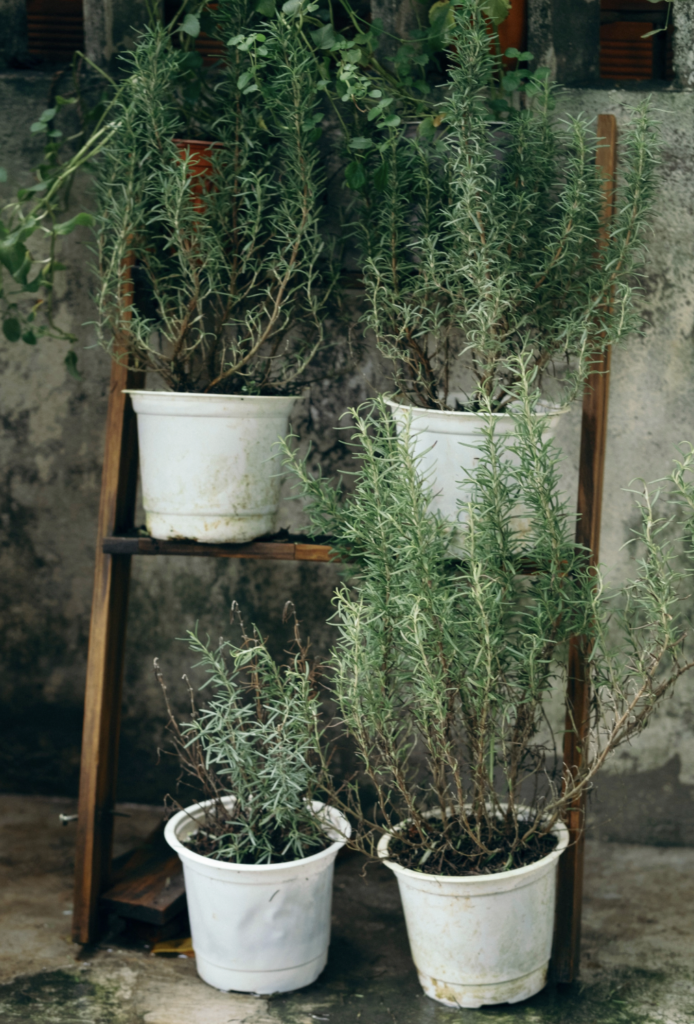
Is Growing Rosemary in Pots Worth It?
Very much so. A potted rosemary is an evergreen, architectural, deeply fragrant shrub that lives for years, asks almost nothing but sunshine and restraint, and puts one of the kitchen’s most useful flavors within arm’s reach of the stove. It survives on neglect, provided the neglect is the right kind. Don’t feed it fuss it. Don’t cosset it by the radiator. Give it a clay pot, gritty soil, all the sun you own, a cool winter rest, and let the watering can gather dust.
Do that and you’ll have rosemary for roast potatoes in February, and a plant that greets you at the door for a decade.
That completes our herb collection and rosemary sits happily among all of it. Pair it with lavender, its fellow Mediterranean that wants exactly the same lean, dry, sunny treatment; with peppermint and chamomile for tea; with basil indoors; or with echinacea for a medicinal border. Explore the full Medicinal Herbs collection, part of the broader EcoGardenHub Plant Library. For pot fundamentals see our container gardening guide for beginners, or start a windowsill herb garden.
Buy one plant, pot it in terracotta, put it in your brightest window, and then the hardest part, leave the watering can alone.
Frequently Asked Questions
Why does my rosemary keep dying indoors? Almost always one of three things: overwatering, not enough light, or too much warmth. Rosemary wants a cool room (40–60°F), 6 to 8 hours of direct sun, and water only when the top of the soil is dry. Keep it well away from heaters, which desiccate it.
What kind of pot is best for rosemary? A terracotta or clay pot with drainage holes. It’s porous, so it wicks moisture away from the roots, exactly what this dry-loving Mediterranean plant needs and it insulates roots against temperature extremes better than plastic.
How often should I water potted rosemary? Only when the top of the soil is dry to the touch, then water thoroughly and let it drain completely. Never let the pot sit in a saucer of water. Overwatering and root rot are the leading causes of dead potted rosemary.
What temperature does rosemary need indoors in winter? Cool, ideally 40–60°F. This surprises people, but a warm living room is one of the worst places for it. An unheated bedroom, cold windowsill, enclosed porch, or barely heated greenhouse all work far better.
Can rosemary survive winter outdoors? In zones 7 to 10, usually yes, and cold-hardy cultivars like ‘Arp’ or ‘Hill Hardy’ can manage zone 6 with shelter. Crucially, it’s rarely the cold itself that kills, it’s wet soil combined with freeze-thaw cycles, so sharp drainage matters more than insulation.
Which rosemary variety is best for pots? Cold-hardy types like ‘Arp’, ‘Hill Hardy’, and ‘Nichols Select’ are excellent if you’re overwintering, and trailing or prostrate varieties both look lovely spilling over a rim and have a good reputation for performing indoors through winter.
Does rosemary need fertilizer? Very little. An occasional dose of dilute fish emulsion or kelp during the growing season is plenty. Rich soil and heavy feeding produce soft, floppy growth with weaker flavor, rosemary genuinely prefers lean conditions.