


Few fruits are as underrated or as delightful as the loquat. Golden, fragrant, and tasting like a sun-warmed blend of peach, citrus, and mango with a whisper of honey, loquats are almost never found in grocery stores, which makes growing your own feel like a wonderful secret. Learning how to grow a loquat tree rewards you with clusters of sweet spring fruit and a strikingly beautiful evergreen that looks tropical year-round.
Here’s what makes the loquat especially charming: it does everything backward. While most fruit trees bloom in spring, the loquat flowers in fall and ripens its fruit in late winter and early spring, brightening the leanest part of the gardening year. That unusual habit is also the key to growing it well, and this complete guide walks you through all of it from choosing the right climate to thinning fruit for the biggest, sweetest harvest.
Can You Grow a Loquat Tree at Home?
Yes, you can grow a loquat tree at home if you live in a warm climate (USDA zones 8–10) or can protect it from hard frost. Plant a grafted tree in full sun with well-draining, slightly acidic soil, water it deeply, and feed it in spring. Loquats flower in fall and fruit in late winter to spring, and a grafted tree can bear within a couple of years. In colder regions, grow loquats in containers.
The single most important thing to understand is climate. Because loquats flower in fall and carry developing fruit through winter, a hard frost can wipe out the crop even on a tree that survives the cold just fine. Nail the climate (or protect the tree), and loquats are genuinely easy, low-maintenance, and generous.
Meet the Loquat (Eriobotrya japonica)
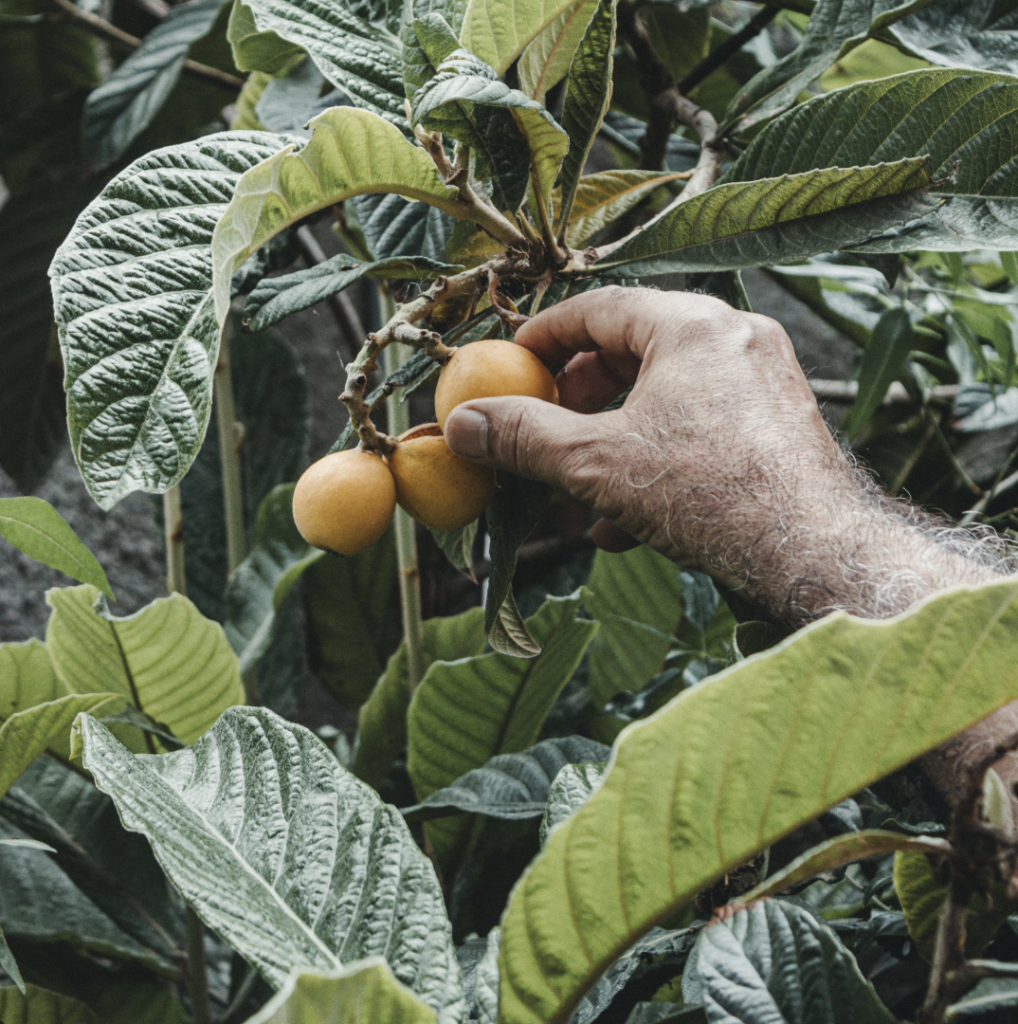
The loquat (Eriobotrya japonica) is an evergreen small tree or large shrub native to southeastern China and long cultivated across China and Japan, where it’s revered as a symbol of wealth and prosperity. You may also hear it called the Japanese plum, Chinese plum, or Japanese medlar. Surprisingly, it’s a member of the rose family, making it a cousin of apples, pears, and quince.
As a landscape plant, the loquat is a showstopper: glossy, dark-green, tropical-looking leaves up to a foot long, an attractive rounded or vase-shaped form, and fragrant white flower clusters whose sweet scent carries on the breeze. Left unpruned it can reach 20 to 30 feet, but it’s easily kept to a tidy 10 to 15 feet and it makes an excellent specimen tree, shade cover, or even an espalier against a warm wall. The round-to-pear-shaped fruits, borne in generous clusters, ripen to yellow or orange with sweet, juicy, slightly tart flesh and a soft, apple-like texture. The flavor is hard to pin down and all the more delightful for it, tasters variously describe notes of peach, apricot, plum, cherry, citrus, and mango, usually with a mellow honeyed sweetness. It’s the kind of fruit that makes first-timers’ eyes widen, precisely because it tastes like nothing else and can’t be bought fresh at the average supermarket.
The Loquat’s Backward Season (and Why Climate Is Everything)
If you take away one thing from this guide, make it this: the loquat’s unusual bloom cycle is the key to whether you’ll actually get fruit. Loquats flower in fall to early winter and ripen fruit in late winter to early spring the opposite of nearly every other fruit tree.
That timing creates a crucial climate quirk. The loquat tree is quite cold-hardy, surviving temperatures down to around 10–12°F without serious damage. But its flowers and developing fruit are far more tender and are killed at about 27°F. So in a cold-winter region, you may grow a gorgeous, thriving loquat tree that simply never fruits, because each fall’s blossoms freeze before they can ripen.
This is why loquats fruit reliably in USDA zones 8 to 10 warm, mild-winter areas where citrus also grows, like much of California, the South, and the Southeast. If your winters dip below the mid-20s°F, you can still enjoy the loquat as a handsome evergreen, or grow a dwarf tree in a container you move to shelter to protect the flowers and fruit. Keeping an eye on your first and last frost dates tells you exactly what to expect, and our USDA Zone 9 gardening guide covers warm-climate fruit growing in more depth.
In our experience, site selection makes a real difference right at the margins of loquat’s fruiting range. Gardeners in borderline zones who tuck their tree into a warm, protected microclimate against a south-facing wall, under the eaves of a house, or in a courtyard that traps daytime heat, often coax fruit from trees that would freeze out in an open, exposed yard. A spot sheltered from cold morning sun (which can damage frozen tissue as it thaws too quickly) and from harsh wind gives those precious fall flowers and winter fruitlets their best shot. If you’re on the cool edge of zone 8, treat finding that sheltered pocket as the most important decision you’ll make.
Seed, Cutting, or Grafted Tree?
You have a few ways to start a loquat, but they’re not created equal:
- Grafted nursery tree (best): A grafted tree grows on established rootstock, comes true to a known variety, and fruits reliably within a couple of years. For dependable, tasty fruit, this is the way to go.
- From seed (fun but slow): Loquat seeds must be sown fresh, right after eating the fruit, because they don’t store. Seedlings won’t come true to the parent, their fruit quality is unpredictable, and they can take up to 10 years to fruit, if they ever do. Lovely as an experiment, unreliable for fruit.
- From cuttings (tricky): Semi-hardwood cuttings taken in early summer can root, but loquats are notoriously difficult to strike, so dip them in rooting hormone and expect mixed results.
For most gardeners who want to eat loquats this decade, a grafted tree from a reputable nursery is well worth it.
A quick word on varieties, since there are hundreds to choose from. Loquats fall loosely into two camps: white-fleshed types, prized for delicate sweetness and often better in cooler areas, and orange-fleshed types, which are richer and more robust but need more heat to sweeten fully. Popular, widely available cultivars include ‘Big Jim’ and ‘Champagne’ (sweet, high-quality favorites), ‘Gold Nugget’ (large, orange, late-ripening), and the compact ‘Christmas’ loquat that fruits early. If you can, buy from a nursery that grows for your region and ask which cultivars fruit best locally — a variety matched to your climate will always outperform a random seedling.
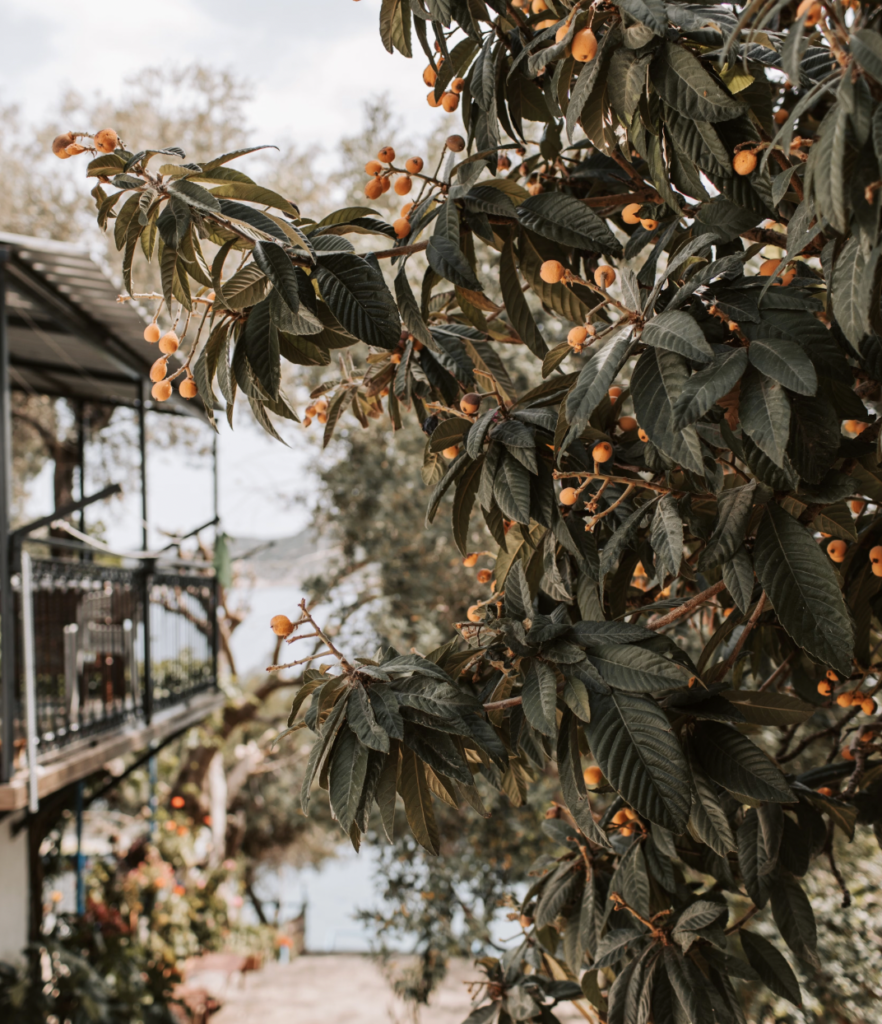
How to Plant a Loquat Tree: Step-by-Step
Spring or early summer (before hot, dry weather) is the ideal planting time; in mild-winter regions, fall works too. Follow these steps.
- Step 1: Choose a Sunny, Sheltered, Well-Drained Site
Pick a spot in full sun — loquats will grow in part shade, but the fruit won’t ripen as sweetly. Shelter it from strong wind, which damages young branches and hurts fruiting. Give it room: plant standard trees at least 12 to 25 feet from buildings, walkways, and other trees (loquats can be a little messy over a patio, and crowding reduces fruiting).
- Step 2: Prepare Slightly Acidic, Compost-Rich Soil
Loquats aren’t fussy about soil type and grow in loam, sandy soil, or clay — but drainage is essential, since they won’t tolerate soggy roots, and they dislike alkaline soil. They prefer slightly acidic ground (around pH 6–6.5). Work plenty of compost or well-rotted manure into the planting area, and if your soil runs alkaline, our guide on lowering soil pH for acid-loving plants can help. Not sure where you stand? Learn how to test your garden soil first.
- Step 3: Plant Your Loquat
Dig a hole about twice as wide as the root ball and a little deeper, mixing compost into the backfill. Drive a sturdy stake in beside the hole first. Set the tree so its nursery soil mark sits at or just below the surrounding soil surface, backfill, and firm gently. Because loquat roots are shallow, plan to keep a weed-free zone a few feet around the trunk and cultivate carefully.
- Step 4: Water In and Mulch
Water the newly planted tree deeply and often as it establishes its roots. Then spread a 2- to 6-inch layer of organic mulch (like bark or wood chips) around the base, keeping it 8 to 12 inches away from the trunk to prevent rot. A good organic mulch conserves moisture and suppresses the weeds that compete with young loquats.
- Step 5: Tip-Prune Young Shoots to Shape
In the first year or two, tip back any shoots that grow beyond about 2 to 3 feet. This encourages branching and builds a strong, well-shaped tree that’s easy to harvest. You can train loquats to an open-center or modified central-leader form, much like apples and pears.
Loquat Care: Water, Feeding and Pruning
Once established, loquat care is refreshingly simple.
- Watering. Water deeply about once a week during the growing season, more often in hot, dry weather, checking soil moisture a few inches down. Established trees tolerate some drought, but pay attention at two key moments: when the blossoms swell and again as the fruit ripens, when consistent moisture plumps the fruit and prevents drop. Mulch helps hold that steady moisture.
- Feeding. Feed loquats in early spring as growth resumes, using a balanced fertilizer applied in modest doses rather than one heavy hit, a common guideline is about one pound per year of the tree’s age, split into several feedings through the growing season. Avoid overdoing nitrogen, which favors leaves over fruit. Our guide to understanding NPK ratios keeps feeding simple, and homemade organic fertilizers offer gentle, low-waste options.
- Pruning. Loquats need only light pruning. In warm regions, prune in late winter or early spring, removing dead, crossing, and inward-growing branches to open up the canopy to light and air, and shortening the tree to a manageable 6 to 12 feet. In colder areas, wait to prune until new shoots appear, so you don’t remove wood you’ll need if frost causes dieback. Always use clean, sharp tools.
Fruit Thinning for Bigger, Better Loquats
Here’s a pro tip that many casual growers miss: thinning your loquat clusters dramatically improves the fruit. Each terminal cluster can set far more fruit than it can properly size up, so once the little fruits form, thin each cluster to about four to ten fruits by pinching out the smallest. It feels counterintuitive to remove healthy fruit, but doing so can increase the size of what remains by anywhere from 25% to 100% bigger, sweeter, more impressive loquats. In areas with fruit flies or hungry birds, slipping a mesh bag over each cluster protects your crop as it ripens.
Growing Loquats in Containers
If your winters are too cold for reliable fruiting, a container is the perfect answer. A potted loquat can spend the warm months outdoors and be moved to a sheltered, frost-free spot to protect its fall flowers and developing winter fruit from freezing.
Choose a large pot with excellent drainage, use a rich, free-draining mix, and pick a naturally compact or dwarf variety. Container loquats grow fast, up to two feet a year, so prune more often to keep them small and productive. Give the pot full sun, water when the top of the soil dries, and feed lightly through the growing season. Our container gardening guide for beginners and overwintering plants guide cover the details of pot growing and cold-season care.
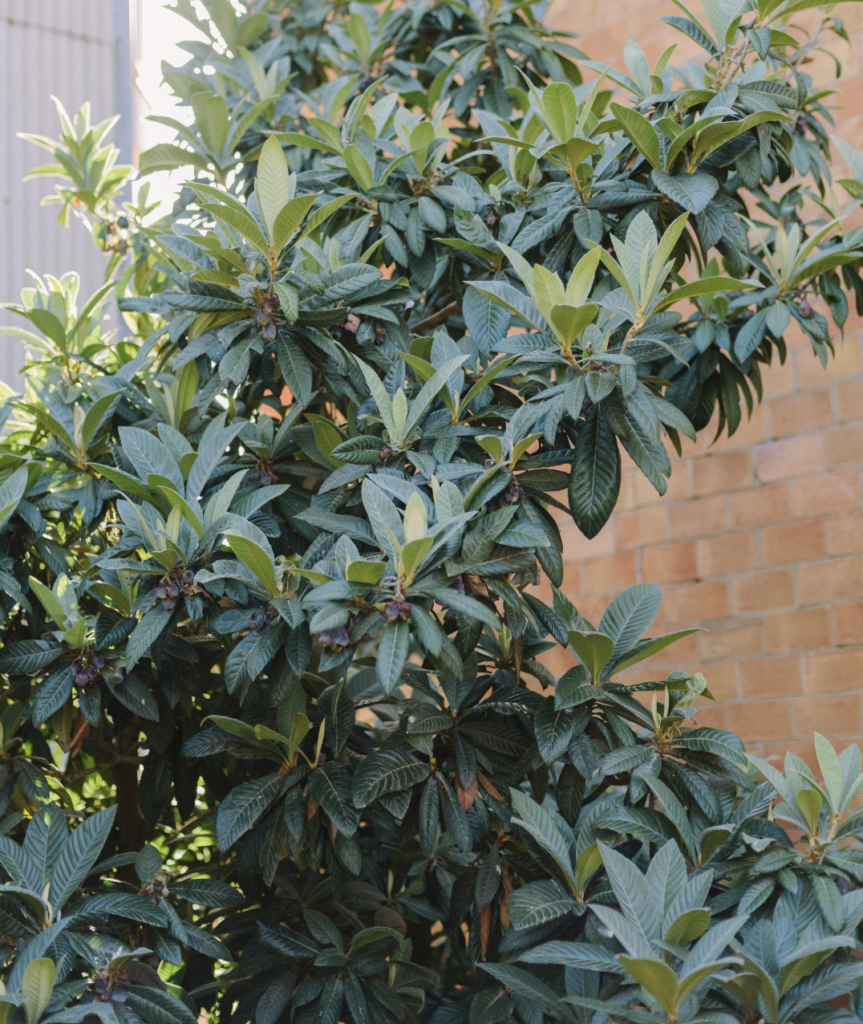
How Long Until a Loquat Fruits & Harvesting
A grafted loquat typically begins bearing within about two to three years, while seed-grown trees are slow and unreliable. Once established, mature trees are wonderfully productive, yielding anywhere from 35 to 300 pounds of fruit a year depending on size and care.
Because the fruit ripens unevenly, harvesting loquats is a leisurely, several-session affair which happily stretches your fresh-fruit season. Watch for these ripeness signs: a bright, even yellow-to-orange color, a sweet, aromatic fragrance, and a slight softness to gentle pressure. Loquats develop their best flavor when allowed to fully ripen on the tree, so resist picking early. Harvest by twisting individual fruits (ripe ones detach easily) or snipping whole clusters with clean shears, handling gently to avoid bruising.
Enjoy your loquat fruit fresh (most people peel the thin skin), or use the surplus in fruit salads, jams, jellies, chutneys, pies, and cobblers. The fruit is very perishable, keeping only a few days in the fridge, though you can freeze it whole for later. Rich in vitamins, minerals, and fiber yet low in calories, homegrown loquats are as nourishing as they are delicious, and a real treat to share with family and friends.
A Note on Loquat Seeds
One quick, responsible heads-up: like the seeds of apples, cherries, and other rose-family relatives, loquat seeds (and leaves) contain naturally occurring cyanogenic compounds and shouldn’t be eaten. Simply remove and discard the large seeds before eating or cooking with the fruit, the sweet flesh itself is perfectly safe and wholesome. It’s an easy habit, and worth mentioning if children are helping with the harvest.
Common Problems and How to Fix Them
Loquats are generally tough and trouble-free, but keep an eye out for a few issues.
| Problem | Likely Cause | The Fix |
|---|---|---|
| Healthy tree but no fruit | Fall flowers or winter fruit killed by frost | Grow in zones 8–10 or protect a container-grown tree from cold |
| Small or sparse fruit | Overcrowded clusters | Thin each cluster to 4–10 fruits for bigger loquats |
| Blackened, scorched-looking shoots | Fire blight (a rose-family disease) | Prune out affected wood well below the damage; sterilize tools |
| Maggoty or damaged fruit | Fruit flies (Caribbean fruit fly) or birds | Bag fruit clusters; clean up fallen fruit |
| Sticky leaves or cottony spots | Aphids or scale | Blast aphids with water; use insecticidal soap or neem oil |
| Wilting, poor growth | Soggy or alkaline soil | Improve drainage; acidify alkaline soil; don’t overwater |
Because loquats are related to apples and pears, they can be susceptible to fire blight, so remove any affected branches promptly and avoid heavy nitrogen feeding, which fuels the soft growth the disease favors.
Is Growing a Loquat Tree Worth It?
Wonderfully so. The loquat gives you the best of both worlds: a beautiful, low-maintenance evergreen that looks lush all year, and clusters of sweet, fragrant fruit at a time when almost nothing else is ripening fruit you can rarely find in any store. For gardeners in warm climates, it’s one of the most rewarding and underappreciated fruit trees you can plant, asking for little more than sun, decent drainage, and an occasional prune in return for decades of harvests.
The loquat also makes a lovely finale to a whole collection of exotic edibles. If you’ve enjoyed this guide, explore its tropical companions: growing a lychee tree, fig trees for beginners, a compact kumquat tree in a pot, guava trees in containers, or pomegranate from seed. For the complete lineup, browse our hub on growing tropical and exotic fruits, part of the broader EcoGardenHub Plant Library.
Plant a loquat this season, give it sun and well-drained soil, and look forward to fragrant fall blossoms and golden spring fruit, a beautiful, delicious secret hiding in plain sight in your own backyard. Once you’ve tasted a sun-warmed loquat picked at the drab end of winter, when little else in the garden is fruiting, you’ll wonder why this generous, easygoing tree isn’t in every warm-climate garden already.
Frequently Asked Questions
How long does it take for a loquat tree to fruit? A grafted loquat tree usually begins fruiting within about two to three years, while a seed-grown tree can take up to 10 years, if it fruits at all. For reliable fruit, start with a grafted nursery tree.
What climate do loquats need to fruit? Loquats fruit best in USDA zones 8–10. Though the tree survives to about 10°F, its fall flowers and winter fruit are killed at around 27°F, so mild-winter regions are essential for a reliable crop or grow it in a movable container.
Do you need two loquat trees to get fruit? Not usually. Most loquats are self-fertile and will fruit on their own, but planting a second, different cultivar nearby often improves both the quantity and quality of the fruit through cross-pollination.
When do loquats flower and fruit? Unlike most fruit trees, loquats flower in fall to early winter and ripen their fruit in late winter to early spring. This backward cycle is why frost protection is so important for getting a crop.
Are loquat seeds poisonous? Loquat seeds (and leaves) contain cyanogenic compounds, similar to apple and cherry seeds, and shouldn’t be eaten. The fruit’s flesh is perfectly safe, just remove and discard the seeds before eating or cooking.
How big does a loquat tree get? Loquats can reach 20 to 30 feet if left unpruned, but they’re easily kept to a manageable 10 to 15 feet, and dwarf varieties stay smaller still, ideal for containers and small gardens.
Can you grow a loquat tree in a pot? Yes. Loquats grow well in large containers, especially dwarf varieties. Container growing is ideal in cold regions, since you can move the tree to a sheltered spot to protect its flowers and fruit from frost.