


Welcome to your ultimate guide on nurturing the famed Hass Avocado! Whether you’re a home gardener dreaming of plucking your produce or someone looking to amplify their orchard with this global heavyweight, you’re about to embark on a fruitful journey. The Hass avocado is cherished across continents, dominantly leading both commercial markets and home gardens due to its unique flavor, texture, and resilience. Let’s delve into the essentials to ensure your Hass avocado journey from seedling to a bountiful harvest!
Understanding the Hass Avocado
What Makes Hass Different from Other Avocado Varieties
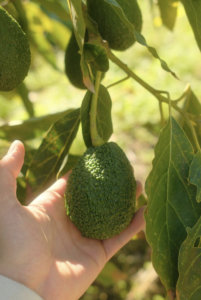
The Hass avocado is a standout with its notably pebbly skin, high oil content, and rich, nutty flavor. These traits make it a premium choice compared to other popular varieties such as Fuerte, Bacon, or Reed. The myriad of characteristics that set the Hass apart include its relatively thick skin, which is easier to peel and has greater resistance to pests and diseases. Notably, the Hass avocado tree is appreciated for its consistent production and adaptability, rendering it the dominant choice for avocado aficionados around the globe.
Botanical Classification and Plant Biology Basics
Diving into the scientific realm, the Hass avocado belongs to the Lauraceae family and the Persea genus, with its botanical zeitgeist attracting both botanists and horticulturalists. Understanding the plant structure of the avocado tree is integral: the roots establish a robust foundation while the trunk and branching create the leafy canopy that aids in sun absorption. The Hass avocado is monogenic and displays “perfect” flowers having both male and female organs, supporting a fascinating mechanism of alternate “A” and “B” flowering types that enhance pollination and fruit production.
As the flowering phases unfold, Hass avocados undergo a mesmerizing transformation from blossom to full-fledged fruit. Each stage must be carefully nurtured to assure robust and luscious fruit output come harvest time.
A Brief Botanical and Commercial History of Hass
Rewind to the 1920s in California, and you’ll find the origin story beginning with Rudolph Hass who stumbled onto a unique seedling that would change the avocado landscape forever. Originally sourced as an intriguing anomaly, the Hass avocado quickly replaced other predominant varieties due to its superior commercial qualities and unmatched fruit standards. Its genetic makeup is such that it’s almost always grafted, as growing from seed won’t yield a true Hass tree. Grafting also leverages the opportunity for consistent yield and quality, making it a more viable choice for both home and commercial growers.
Choosing and Sourcing Hass Avocado Trees
Hass vs. “Hass-like” Cultivars (Lamb Hass, Gem, Carmen, etc.)
When choosing to grow Hass, it’s essential to distinguish between the true Hass and “Hass-like” cultivars such as Lamb Hass, Gem, and Carmen. The true Hass cultivar offers stability and reliability due to its established profile. However, for those considering newer varieties, some Hass-like types can offer benefits like increased cold tolerance or alternate bearing seasons which might align better with regional climates or personal preference.
Grafted Tree vs. Seed-Grown: Which to Choose and Why
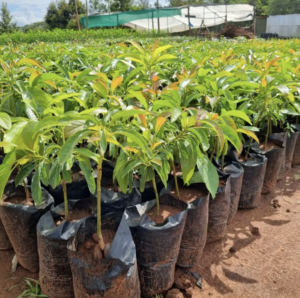
Opting between a grafted tree and a seed-grown tree is fundamental. Hass avocados from seeds rarely grow true to type, meaning the predictability of fruit quality and yield can be drastically varied. Grafted nursery trees, on the other hand, provide earlier bearing and predictable fruit production. When selecting grafted trees, look for a solid graft union, healthy trunk, and robust root system crucial indicators of a tree’s future success.
Selecting the Right Rootstock for Your Climate and Soil
Rootstock selection is yet another pivotal choice impacting your avocado’s performance, particularly regarding climate resilience and soil compatibility. Popular rootstocks are known for their characteristics, such as salt tolerance and disease resistance, which are crucial in matching rootstock types with your region’s conditions. If your garden has heavy clay soil, certain rootstocks might be preferable, whereas sandy soils could call for entirely different compatibility. Understanding these nuances and asking pointed questions at the nursery can significantly optimize your tree’s potential.
Site Selection and Climate Requirements
Ideal Climate Zones for Hass Avocado
Hass avocados thrive in certain climates, specifically USDA Hardiness Zones 9 through 11, where temperatures allow for optimal growth without the adversity of frost or overwhelming heat. These zones typically feature milder winters and warm but not excessive summer heats, conditions the Hass cultivar favors for flourishing. Within these parameters, the coolness of coastal zones contrasts with the warmth of inland, granting certain nuances to consider for specific microclimate needs.
Sunlight, Wind, and Microclimate Considerations
Ensuring your Hass avocado receives ample sunlight is a non-negotiable factor for healthy growth, as it demands full sun exposure. Furthermore, wind poses its own challenges the Hass cultivar isn’t that fond of arid gusts that can lead to leaf burn, fruit drop, or broken branches. Adequate shelter via companion planting or strategic placement against structures can mitigate these issues and cultivate a protective microclimate for your precious tree.
Frost, Heat, and Humidity Tolerance
Protecting your Hass avocado involves understanding how it reacts to extreme temperatures. Frost can critically damage leaves, flowers, and fruits, while excessive heat can lead to scorch and affect fruit quality. Similarly, high humidity might spike disease susceptibility, whereas too dry a climate might challenge hydration and overall health. Striking the right environmental balance is key to managing the external factors that compromise vitality and yield.
Soil Chemistry and Preparation for Hass Avocado
Ideal Soil Structure and Drainage
One absolute must for Hass avocado cultivation is soil with excellent drainage. Preferably, aim for loam or sandy loam, which allows for proper water infiltration without stagnation that could rot the roots. Conducting simple drainage tests at home by observing water absorption rates can help assess what amendments might be necessary.
Optimal pH Range and Its Impact on Nutrient Uptake
The soil’s pH plays an unseen yet crucial role, with Hass avocados preferring a slightly acidic to neutral pH range of 6.0 to 7.0. Adequate pH helps maintain the availability of essential nutrients such as iron, zinc, manganese, and phosphorus, key to healthy growth. Many regions face pH challenges from alkaline calcareous soils to overly acidic environments all requiring different corrective actions for optimal nutrient uptake.
Managing Soil Organic Matter and Microbial Life
Building a rich soil organic matter presence enriches the environment for your Hass avocado. It increases moisture retention and provides a robust nutrient foundation. Encouraging a lively microbial life, with helpful organisms like mycorrhizal fungi, plays a pivotal role in root health and nutrient assimilation. Incorporating compost and mulches should be done carefully to prevent root suffocation, essential for maintaining a balanced and thriving root zone.
By covering these essential foundations, you pave the way for your Hass avocado to not just survive, but truly thrive in its new home. In the steps that follow, you will ensure that from the soil to sky, your gardening practice cultivates an environment of optimal growth and bounty.
Hass Avocado Tree Care: Optimizing Irrigation, Fertilization, and Pruning for Maximum Yield
When it comes to Hass avocado tree care, providing appropriate water, nutrients, and pruning is vital to ensure vigorous growth and bountiful fruit production. In this section, we will explore detailed irrigation schedules, recommended fertilizer N-P-K ratios, and essential pruning techniques tailored to the unique needs of Hass avocado trees. These practices are particularly important for gardeners interested in growing avocados from seed or through avocado grafting, as young trees have specific requirements that lay the foundation for future productivity.
Irrigation Schedules for Hass Avocado Trees
Proper watering is critical in avocado cultivation, as both under- and over-irrigation can negatively impact tree health and fruit yields. The right irrigation schedule also depends on soil type, climate, and the tree’s age or stage.
General Guidelines for Watering Hass Avocado Trees
- Young Trees (0-3 Years): Newly planted avocado trees, including those propagated by **avocado grafting** or from seed, require frequent, light watering to establish roots. Water deeply 2-3 times per week, allowing moisture to penetrate the root zone about 12 to 18 inches deep, but avoid waterlogging.
- Mature Trees (3+ Years): Mature Hass avocado trees develop extensive root systems and have greater water demands, especially during flowering and fruit development phases. Water deeply once or twice weekly depending on rainfall, temperature, and avocado soil pH which affects nutrient availability and water uptake.
- Seasonal Considerations: Increase watering during hot, dry summer months to prevent drought stress. In cooler seasons or rainy conditions, reduce frequency to avoid root diseases from excess moisture.
Tips for Efficient Irrigation
- Use drip irrigation or microsprinklers to deliver water directly to the root zone while minimizing evaporation.
- Mulch around the base with organic materials like wood chips or compost to improve water retention and moderate soil temperature.
- Always check soil moisture by probing the root zone before watering to avoid over-irrigation.
Fertilizer N-P-K Ratios for Hass Avocado Tree Care
Fertilization tailored to the nutritional demands of Hass avocado trees significantly influences tree vigor, flowering, and fruit set. The ideal fertilizer regime balances nitrogen (N), phosphorus (P), and potassium (K) in appropriate proportions.
Recommended N-P-K Ratios by Growth Stage
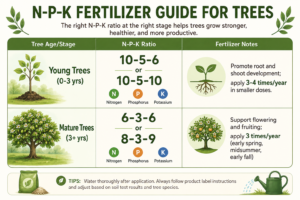
Nitrogen is crucial during early growth for leaf and shoot development, but in mature trees, moderate nitrogen with balanced phosphorus and potassium ensures healthy flowering and high-quality fruits. Potassium particularly enhances fruit size, taste, and skin quality.
Micronutrient Considerations
Zinc (Zn), iron (Fe), and manganese (Mn) deficiencies are common in avocado cultivation. Incorporate micronutrient foliar sprays or soil amendments as recommended based on soil test results to avoid leaf chlorosis and poor fruit set.
Fertilizer Application Tips
– Split fertilizer doses to avoid nutrient leaching and improve uptake.
– Apply fertilizers evenly around the tree drip line, avoiding contact with the trunk.
– Irrigate after fertilizing to help nutrients penetrate the root zone.
Pruning Techniques for Maximum Fruit Production
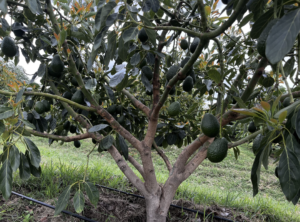
Strategic pruning improves canopy structure, light penetration, air circulation, and overall fruit yield and quality in Hass avocado trees. Proper pruning also facilitates easier management of irrigation and avocado grafting sites.
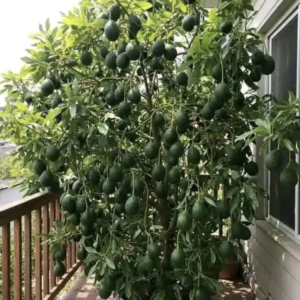
Why Prune Hass Avocado Trees?
– Remove dead or diseased branches to maintain tree vigor.
– Control tree size for easier harvesting and maintenance.
– Enhance sunlight exposure within the canopy, which encourages more flowering and fruiting.
– Stimulate growth of fruiting wood by balancing vegetative and reproductive development.
Pruning Methods
1. Structural Pruning (Young Trees)
Focus on developing a strong framework with 3-4 main scaffold branches spaced evenly around the trunk.
– Prune to establish a central leader or open vase shape during the first 2-3 years.
– Remove low branches below 24 inches from the ground to create clearance.
– Cut back competing leaders and weak shoots to encourage robust scaffold branches.
2. Maintenance Pruning (Mature Trees)
– Annually remove any dead, broken, or crossing branches.
– Thin dense canopy areas to improve air circulation and sunlight penetration. Remove crowded, inward-growing branches.
– Shorten overly long branches to encourage lateral shoots that will bear fruit in the next season.
– Avoid severe heading cuts as avocados can respond with excessive vegetative growth at the expense of fruiting.
Timing of Pruning
The best time to prune is late winter to early spring before the onset of active growth and flowering, although light pruning after harvest is also possible. Avoid heavy pruning during flowering or fruiting as this can reduce yield.
Integrating Hass Avocado Tree Care Practices
Successfully growing Hass avocado trees, whether by growing avocados from seed or using avocado grafting techniques, depends on combining these irrigation, fertilization, and pruning strategies with attention to avocado soil pH ideally around 6.0 to 6.5—to optimize nutrient availability. Remember:
- Monitor soil moisture through regular checks and adjust irrigation schedules accordingly.
- Apply fertilizers with the appropriate N-P-K ratios based on age and growth stage for balanced nutrition.
- Prune judiciously to maintain tree health and maximize fruit production without causing undue stress.
Careful attention to these parameters will help home gardeners achieve a thriving Hass avocado orchard with superior fruit quality and abundance.
Some Critical Questions Asked About Growing Hass Avocado
-
How long does it take for a grafted Hass avocado tree to bear fruit? Hass avocado are fast-growing, usually between 3-4 years for grafted trees vs. 10+ for seeds.
-
Do I need two trees for pollination? Hass is “Type A” and self-pollinating, but many gardeners don’t know that planting a “Type B” nearby can significantly increase crop yield.
-
How do I protect my tree from “Sunscald”? Young avocado trees have sensitive bark that can burn in high heat; many experts recommend whitewashing the trunk with diluted white latex paint.
-
How can I tell exactly when a Hass avocado is ready to harvest? Avocados do not ripen on the tree; beginners need to know how to pick a “test fruit” and check for skin color changes or stem shriveling.
-
What is the “Mound Planting” technique? For gardeners with poor drainage or heavy rain, planting on a 1-2 foot mound of soil is a pro-tip that prevents root rot better than flat planting).
- How much sunlight does a Hass avocado tree need daily? 6 to 8 hours of direct full sun.
-
What is the maximum height a Hass avocado tree can reach? Typically 15–30 feet, though they can grow taller.
-
How often should I water my avocado tree during dry spells? Deeply once a week, adjusting for soil moisture.
-
What are the temperature limits for Hass avocados? They thrive between 60°F and 85°F and are sensitive to frost.
-
Can I grow a Hass avocado tree in a pot? Yes, provided it has enough sunlight, water, and nutrients.
-
What type of fertilizer should I use and when? Balanced fruit tree fertilizer in early spring and late summer.
-
How do I prevent root rot in my avocado tree? Avoid dense clay soils and ensure the soil is well-drained; do not overwater.
-
When is the best time to prune my tree? Conduct annual pruning to remove dead wood and improve air circulation.
-
What are the most common pests to watch out for? Spider mites, aphids, and avocado borers.