


What Is Passion Fruit?
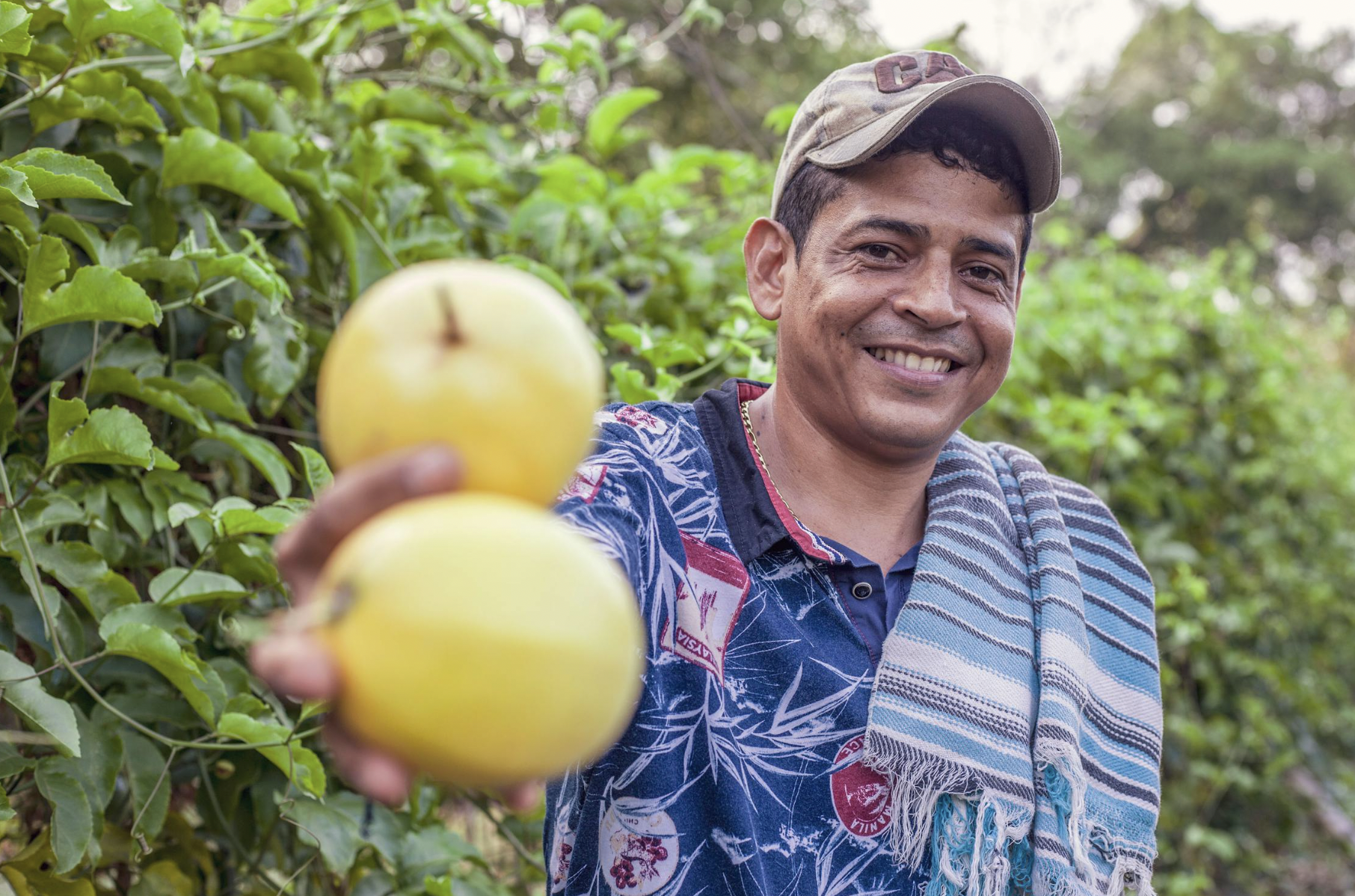
Passion fruit, also known as maracuyá, granadilla, and numerous other regional names, is a tropical delight that belongs to the genus *Passiflora*. The most commonly cultivated species include *Passiflora edulis*, which notably splits into two primary forms: the purple passion fruit (P. edulis edulis) and the yellow passion fruit (P. edulis flavicarpa). These luscious fruits are not only prized for their aromatic and tangy flavor but are also popularly consumed fresh, used in juices, desserts, or even for their medicinal properties. The captivating flowers of the plant, from which it draws its name, further make it a garden favorite.
Why Grow Passion Fruit at Home?
Growing passion fruit at home offers several compelling advantages over purchasing them from the store. For one, homegrown fruits are likely to be fresher, more flavorful, and richer in nutrients, largely because they can ripen naturally on the vine. Passion fruit vines are highly productive, with each mature vine capable of yielding a considerable number of fruits. This productivity, combined with the space-efficiency of the vines’ growing habit, makes passion fruit an excellent choice for gardeners, even those with limited space. Additionally, the fragrant flowers and fruits provide a habitat and food source for pollinators like bees and butterflies, thereby enhancing garden biodiversity and health.
Botanical Background and History
Taxonomy and Species Overview
Passion fruit plants belong to the genus *Passiflora*, part of the larger family Passifloraceae. Among the approximately 550 species in this genus, those widely cultivated for their edible fruit include *Passiflora edulis*, *Passiflora ligularis* (sweet granadilla), and *Passiflora quadrangularis* (giant granadilla). *P. edulis edulis* (purple passion fruit) and *P. edulis flavicarpa* (yellow passion fruit) are especially popular in agricultural and horticultural circles. While both share a common core of flavor, each has distinct characteristics regarding size, vigor, and climate tolerance. The purple variety tends to be sweeter and thrives in cooler subtropical regions, whereas the yellow variety is more robust and suited to tropical environments.
Origin and Natural Habitat
The origins of passion fruit trace back to the tropical and subtropical regions of South America, specifically encompassing regions within Brazil, Paraguay, and northern Argentina. In their native environment, they often grow along forest edges and in subtropical hillsides where the conditions foster their climbing growth habit. Adapted to these habitats, passion fruit vines are naturally perennial and exhibit vigorous climbing behavior, using tendrils to secure themselves to surrounding foliage and structures.
Cultural and Historical Significance
To grow passion fruit’s journey from the heart of South America to other parts of the world is both fascinating and culturally rich. Following its domestication, the fruit spread beyond its native continent to Africa, Asia, and Oceania. Indigenous cultures have long utilized passion fruit not only as a source of sustenance but also in traditional medicine practices. The intriguing name “passion flower” is derived from the symbolism ascribed by European missionaries, who saw aspects of Christ’s crucifixion in the intricate structure of the flowers.
Growth Habit and Plant Physiology
Passion fruit plants showcase a unique growth habit characterized by their sprawling, perennial vines. These vines possess nodes from which tendrils, leaves, and axillary shoots emerge, facilitating their climbing and sprawling nature. New plants transition from a juvenile phase, characterized by rapid vegetative growth, to a mature phase where flowering and fruiting commence. A well-cared-for vine can remain productive for many years. The plant’s striking flowers are crucial to its reproductive cycle, employing distinct structures that foster pollination by insects. From pollination to harvest, the fruit development timeline typically spans several weeks, resulting in plump, ripe fruits ready for consumption.
Climate and Site Requirements
Ideal Climate Conditions
Grow Passion Fruit plants that thrive in warm, humid environments, making them ideal candidates for growth in USDA Hardiness Zones 9-11. In these regions, the optimal temperature range during the day is between 68°F and 84°F (20°C to 29°C), with night temperatures preferably not dropping below 50°F (10°C). Passion fruit vines Growth are sensitive to frost and can be adversely affected by temperatures approaching freezing. Conversely, extreme heat can also stress the plants, particularly if accompanied by low humidity. A consistent supply of rainfall is beneficial, though they also need good drainage to prevent root rot.
Sunlight and Exposure
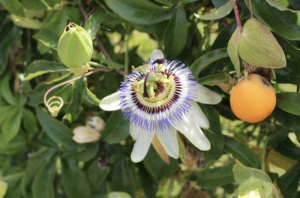
For robust growth and fruiting, passion fruit vines demand full sun, ideally receiving at least six to eight hours of sunlight per day. While partial shade may be tolerated in very hot climates, it often results in reduced flowering and fruit yield. Strategic placement in the garden is crucial; vines should be oriented in a way that maximizes sunlight exposure while still considering prevailing wind patterns to prevent damage.
Wind, Frost, and Microclimates
Given their sprawling nature, passion fruit vines are susceptible to wind damage, which can harm both the plant’s foliage and its flowers. Erecting windbreaks or situating vines in naturally protected areas can mitigate such risks. In terms of microclimates, seeking or creating warmer niches in the garden, such as south-facing walls or trellises, can provide added protection against unexpected cold snaps. Frost pockets should be avoided, and utilizing slopes and raised beds can further enhance air circulation and warmth retention.
Irrigation Schedules for Growing Passion Fruit from Seed
When growing passion fruit from seed, consistent and appropriate watering is essential to establish a healthy maracuya vine. Young seedlings require a moist but well-drained environment to promote vigorous root development. During the initial stages, aim to water the plants lightly every two to three days, ensuring the soil remains damp but not waterlogged.
As the passion fruit vine matures, the irrigation schedule can be adjusted based on climate and soil conditions. Generally, mature passion fruit vines benefit from deep watering once or twice a week, depending on rainfall and temperature. Deep watering encourages roots to grow deeper into the soil, enhancing drought tolerance. Avoid frequent shallow watering, which can cause the roots to remain near the surface and reduce the plant’s overall resilience.
For gardeners cultivating passion fruit on a passion fruit trellis, irrigation techniques such as drip irrigation or soaker hoses are highly recommended. These methods deliver water directly to the root zone, minimizing water waste and reducing the risk of fungal diseases associated with wet foliage. Consistent moisture levels also support optimal passion fruit pollination by ensuring flowers develop properly and remain viable for pollinators like bees.
Fertilizer N-P-K Ratios for Maracuya Vine Care
Providing the right balance of nutrients is critical for vigorous growth and abundant fruit production when growing passion fruit from seed. Maracuya vines have specific nutrient requirements that change throughout their life cycle, particularly during flowering and fruiting stages.
Early Growth Stage Fertilization (High Nitrogen)
In the first six months after germination, focus on stimulating healthy vegetative growth by applying a fertilizer with a higher nitrogen (N) content relative to phosphorus (P) and potassium (K). An N-P-K ratio of approximately 10-5-10 is effective during this phase. Nitrogen encourages lush foliage development, which provides the necessary support for future flower and fruit production.
Apply fertilizer every four to six weeks, incorporating it into the soil around the root zone to maximize uptake. Avoid excessive fertilizer application, which can lead to nutrient burn or promote excessive leaf growth at the expense of flowering.
Flowering and Fruiting Stage Fertilization (Balanced N-P-K)
Once the maracuya vine begins flowering, switch to a balanced fertilizer with a higher emphasis on phosphorus and potassium to support passion fruit pollination and fruit set. A typical N-P-K ratio for this stage is 8-15-30. Phosphorus promotes strong flower development, while potassium enhances fruit quality, size, and overall vine health.
Fertilize every six to eight weeks during the growing season, reducing nitrogen slightly to prevent excessive vegetative growth that can shade flowers and reduce pollination efficiency. Using organic fertilizers like composted manure or well-balanced commercial blends can improve soil structure and microbial activity, further benefiting maracuya vine care.
Micronutrient Supplementation
In addition to primary macronutrients, ensure adequate levels of micronutrients such as magnesium, calcium, and iron. Deficiencies can result in poor passion fruit pollination and suboptimal fruit development. Conduct soil tests periodically to tailor micronutrient amendments and avoid imbalances.
Pruning Techniques for Maximum Fruit Production
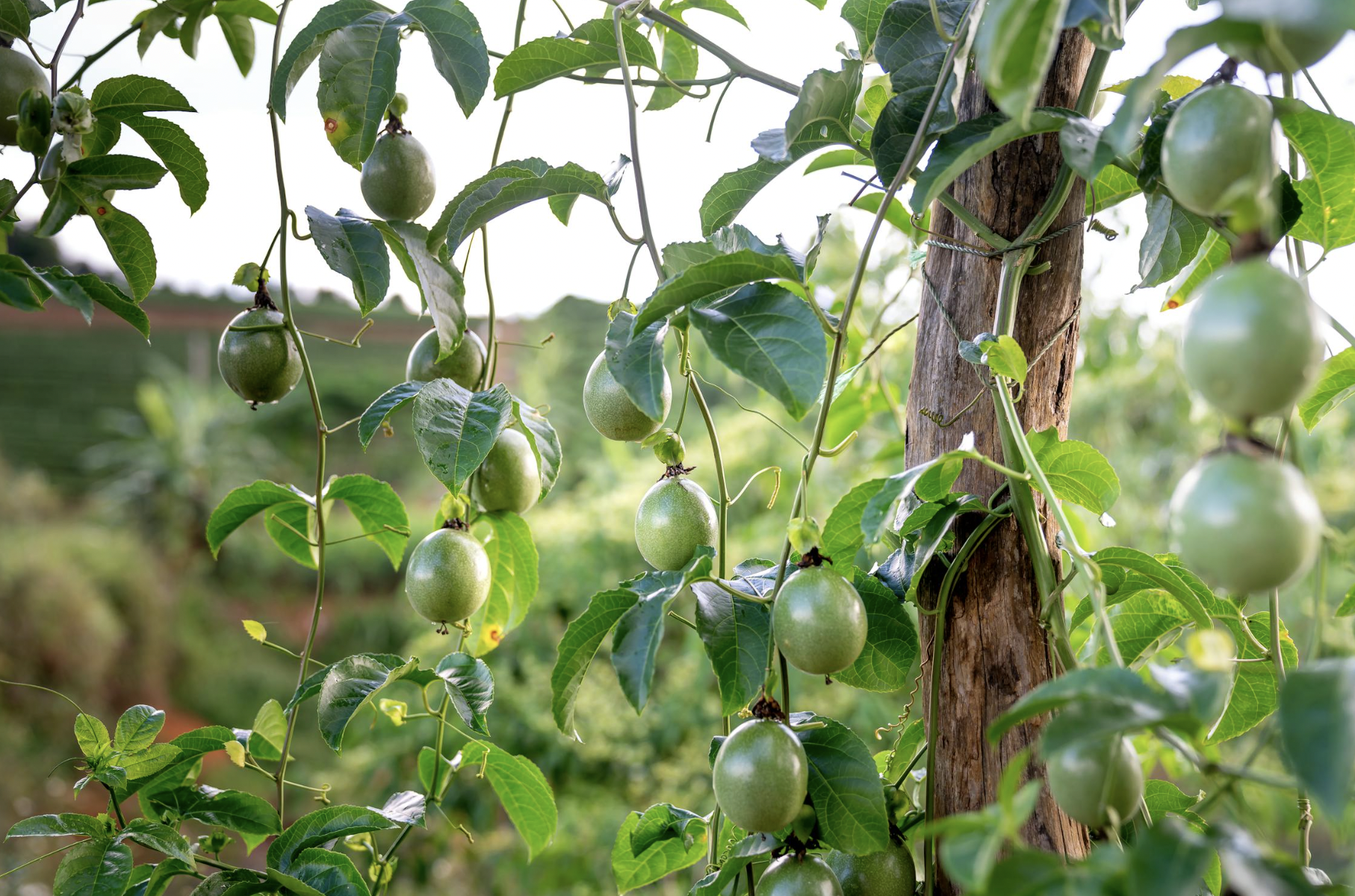
Pruning is a key cultural practice in maracuya vine care that supports strong growth, improves air circulation, and maximizes passion fruit pollination and yield. Proper pruning also aids in managing the size and shape of the passion fruit trellis, making harvesting easier and more efficient.
Initial Pruning whe you Grow Passion Fruit from Seed
When growing passion fruit from seed, prune seedlings once they reach a height of about 60 cm (24 inches). Pinching back the main stem encourages lateral branching, leading to a bushier vine with more potential flowering sites. This early pruning shapes the young plant for vigorous growth on its trellis.
Training and Maintenance Pruning on the Passion Fruit Trellis
As the maracuya vine grows, regular pruning is necessary to maintain an open canopy that allows sunlight penetration and air movement both critical factors for effective passion fruit pollination and disease prevention.
- Remove Dead or Diseased Wood: Inspect the vine monthly and prune out dead, damaged, or diseased branches to maintain vine health.
- Thin Excess Branches: Excessive branching can create too much shade, reducing flower production and limiting pollinator access. Remove weak or overcrowded shoots.
- Encourage New Growth: Prune older woody stems annually during the dormant season to stimulate new growth from basal shoots, which tend to be more productive.
- Control Vine Spread: Since passion fruit vines can become vigorous climbers, prune to keep the vine within the trellis structure, preventing tangling or overshadowing other plants.
Post-Harvest Pruning
After the fruiting season, conduct a thorough pruning to prepare the passion fruit vine for the next cycle. Cut back overly long or weak shoots to maintain the vigor of the plant. This renewal pruning encourages the development of strong new shoots that will support flower clusters in the coming season.
Summary
Implementing an effective irrigation schedule tailored to the developmental stage of your maracuya vine ensures consistent moisture that supports seedling establishment and mature fruiting. Use fertilizer formulations with the appropriate N-P-K ratios: higher nitrogen during early growth and balanced phosphorus and potassium during flowering and fruiting to maximize blossom formation, passion fruit pollination, and Great fruit quality. Regular, strategic pruning maintains an open canopy for air circulation, encourages fruitful lateral growth, and keeps the passion fruit trellis organized. Together, these practices form the foundation for successful maracuya vine care and abundant, flavorful passion fruit harvests.