


Sustainable gardening is no longer just a trend, it has become a necessity in today’s world. With climate change, environmental degradation, and increasing urbanization, gardeners are now looking for smarter and more eco-friendly ways to grow plants. Whether you are a beginner or an experienced gardener, staying updated with the latest developments in sustainable gardening can help you make better choices for both your garden and the planet.
In 2026, the gardening world is seeing rapid innovation, blending traditional practices with modern solutions. From urban farming techniques to smart gardening tools, sustainability is shaping how we grow, maintain, and design our green spaces. This article explores the most important trends in sustainable gardening that you should know.
The Rise of Urban Gardening
As cities continue to expand, green spaces are becoming limited. This has led to a surge in urban gardening practices such as balcony gardening, rooftop gardens, and vertical farming. People living in apartments are now growing herbs, vegetables, and flowers in small spaces using creative methods.
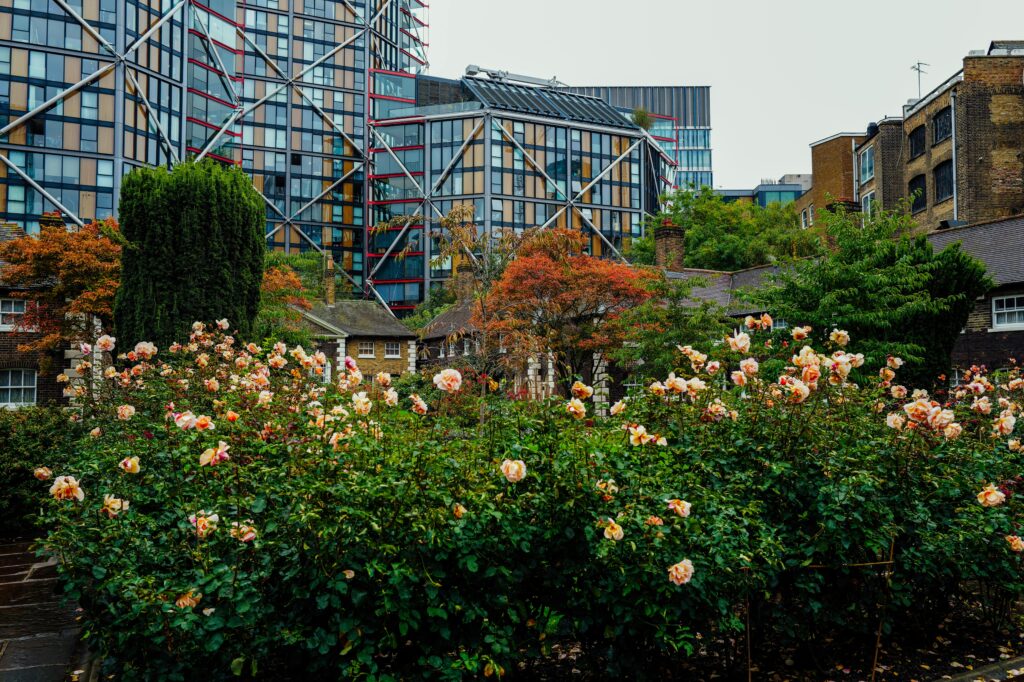
Urban gardening not only improves air quality but also provides fresh, organic produce. It helps reduce dependency on store-bought vegetables, which often involve transportation and packaging that harm the environment. Vertical gardens, in particular, are becoming popular because they maximize space while adding aesthetic value to urban homes.
Focus on Native and Climate-Resilient Plants
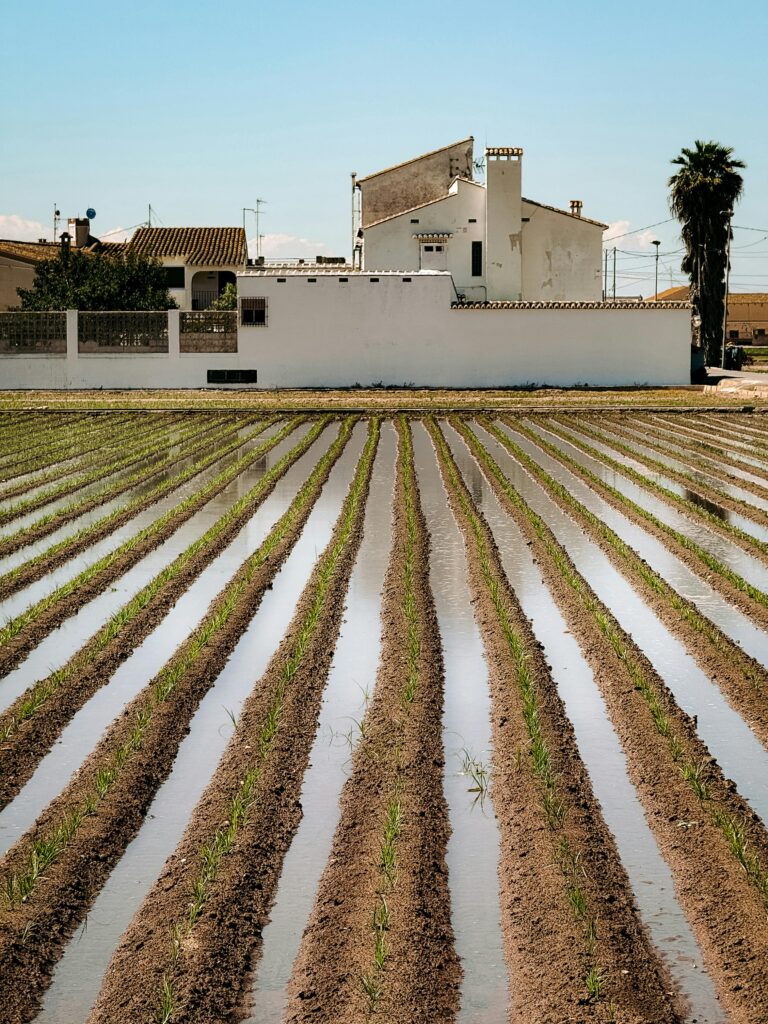
Gardeners are increasingly choosing native plants that are naturally adapted to their local climate. These plants require less water, fewer fertilizers, and minimal maintenance compared to exotic species. They also support local wildlife, including birds and pollinators.
Climate-resilient plants are another growing trend. With unpredictable weather patterns, gardeners are selecting species that can survive droughts, heavy rains, and temperature fluctuations. This approach ensures that gardens remain healthy even under challenging conditions.
Organic Gardening and Chemical-Free Practices
The shift toward organic gardening is stronger than ever. Many gardeners are moving away from synthetic fertilisers and pesticides due to their harmful effects on soil health and the environment. Instead, they are using natural alternatives such as compost, manure, and organic pest control methods.
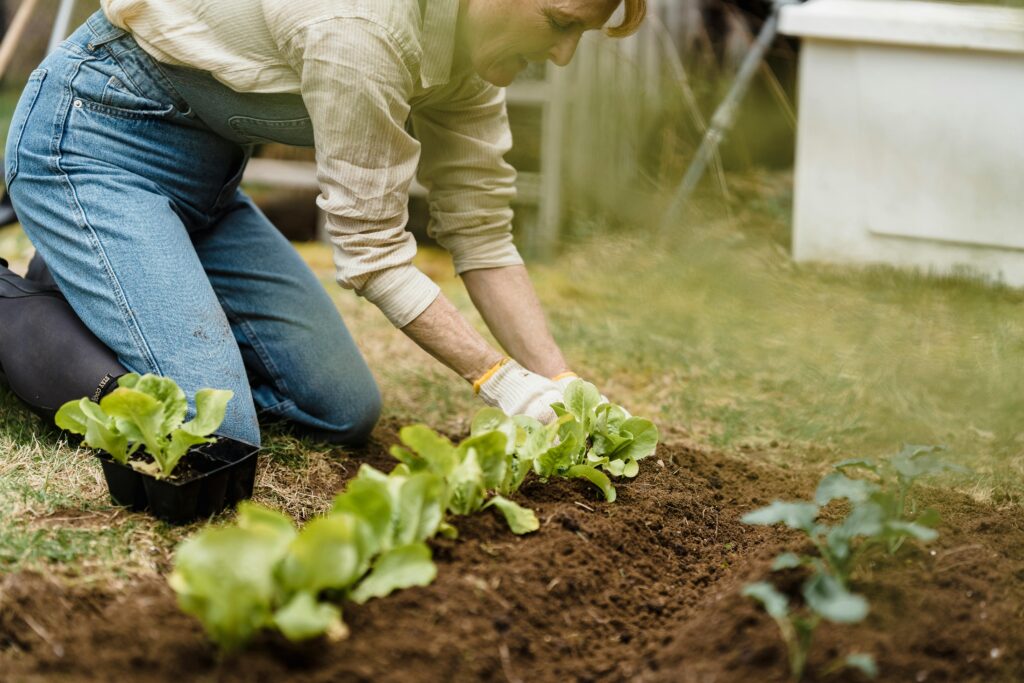
Composting has become a key practice in sustainable gardening. Kitchen waste like vegetable peels and fruit scraps can be turned into nutrient-rich compost, reducing waste while improving soil fertility. This not only benefits plants but also reduces landfill waste.
Water Conservation Techniques
Water scarcity is a major concern in many parts of the world, making water-efficient gardening practices essential. Gardeners are adopting techniques such as drip irrigation, rainwater harvesting, and mulching to conserve water.
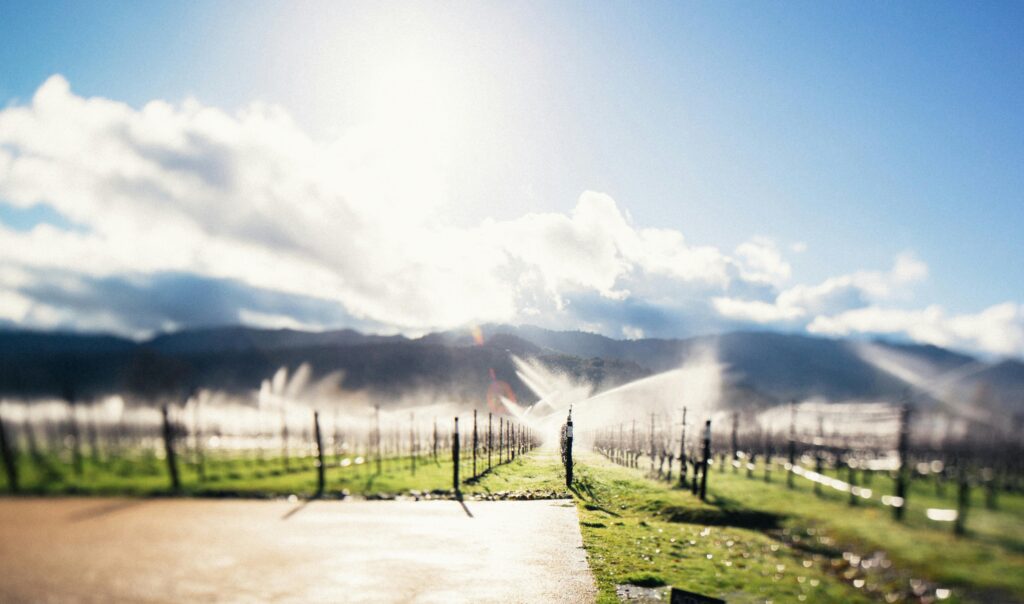
Drip irrigation systems deliver water directly to the plant roots, minimizing waste. Rainwater harvesting allows gardeners to collect and store rainwater for later use. Mulching helps retain soil moisture, reducing the need for frequent watering.
These methods not only save water but also promote healthier plant growth.
Smart Gardening Technology
Technology is transforming gardening in exciting ways. Smart gardening tools such as soil sensors, automated irrigation systems, and mobile apps are helping gardeners monitor and manage their plants more efficiently.

Soil sensors can measure moisture levels, temperature, and nutrient content, providing real-time data. Automated systems ensure that plants receive the right amount of water at the right time. Gardening apps offer reminders, tips, and plant care guides.
Smart gardening is especially useful for busy individuals who want to maintain a healthy garden with minimal effort.
Growing Your Own Food
The idea of growing your own food is gaining popularity as people become more conscious of what they consume. Home gardens are now being used to grow vegetables, fruits, and herbs organically.
This trend not only ensures fresh and chemical-free produce but also reduces grocery costs. It also promotes self-sufficiency and a deeper connection with nature. Even small spaces can be used effectively to grow a variety of crops.
Supporting Pollinators and Biodiversity
Pollinators like bees, butterflies, and birds play a crucial role in plant reproduction. Unfortunately, their populations are declining due to habitat loss and pesticide use. Gardeners are now taking steps to create pollinator-friendly environments.
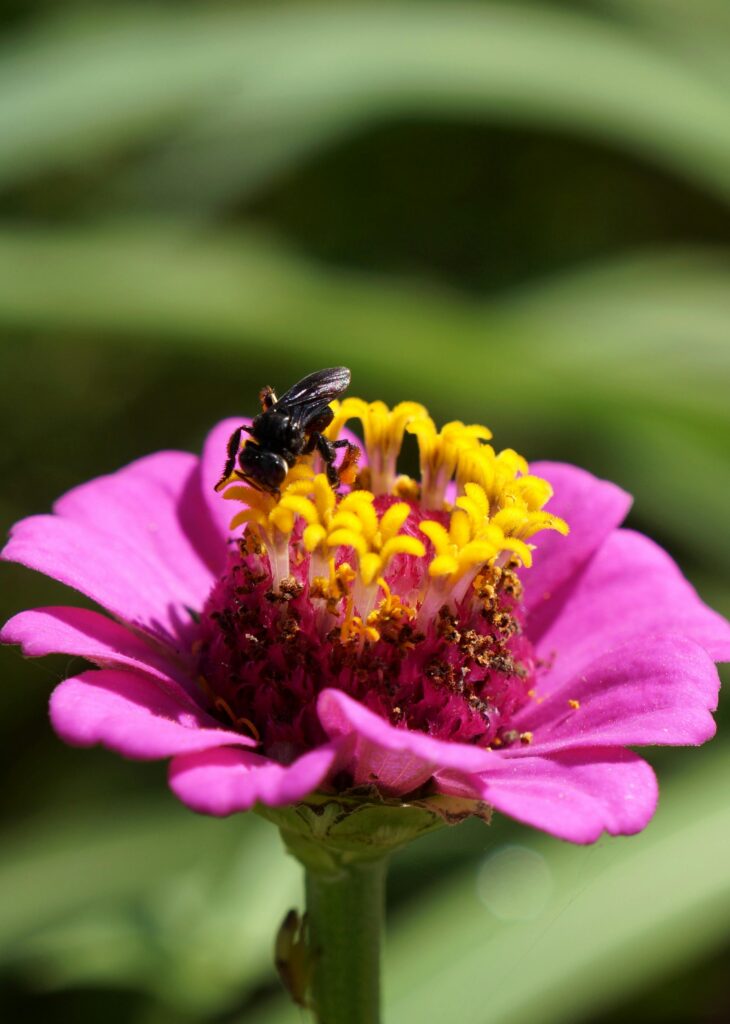
Planting nectar-rich flowers, avoiding harmful chemicals, and providing water sources can attract pollinators to your garden. This not only helps the ecosystem but also improves plant productivity.
Biodiversity is essential for a balanced garden, and supporting wildlife is a key part of sustainable gardening.
Eco-Friendly Garden Materials
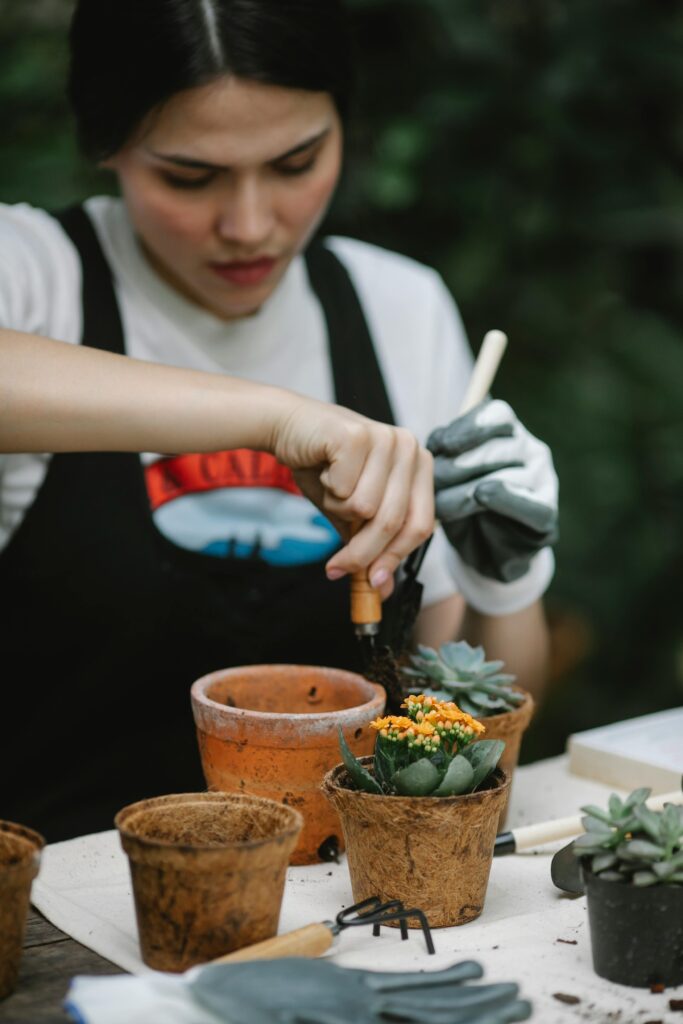
Sustainability is not just about plants—it also includes the materials used in gardening. Gardeners are choosing eco-friendly options such as recycled containers, biodegradable pots, and sustainable wood for garden structures.
Plastic use is being reduced in favor of natural materials. Upcycling old items into planters and garden decor is also becoming popular. These practices help reduce waste and promote environmental responsibility.
Modern lifestyles are busy, and not everyone has time for intensive gardening. This has led to the rise of minimalist and low-maintenance garden designs. These gardens focus on simplicity, functionality, and sustainability.
Using native plants, mulching, and efficient irrigation systems can significantly reduce maintenance efforts. Minimalist gardens are not only easy to manage but also visually appealing.
Community Gardening and Shared Spaces
Community gardening is gaining momentum as people come together to grow plants in shared spaces. These gardens promote social interaction, knowledge sharing, and collective responsibility for the environment.
They are especially beneficial in urban areas where individual gardening space is limited. Community gardens also help educate people about sustainable practices and healthy living.
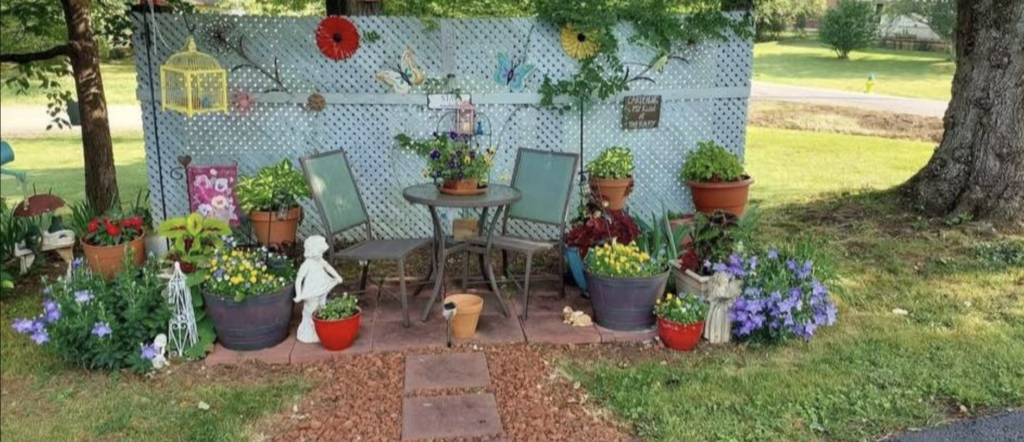
The stewardship of the land is a sacred calling, and the shifting climate of our era demands a more sophisticated, intuitive approach to the soil. We are moving beyond mere maintenance and into a new age of regenerative cultivation. By championing no-till protocols, closed-loop composting, and the integration of biodiversity, we are doing more than just planting; we are fortifying the very foundations of our local ecosystems. These practices minimize our environmental footprint while maximizing the vigor and resilience of the landscape.
Embracing these methods transforms the garden from a labor-intensive plot into a self-sustaining sanctuary that works in harmony with nature. It is a shift from fighting the earth to collaborating with it—a journey that rewards the grower with deeper yields and a landscape teeming with vitality.
The Winter Blueprint
The dormant season is not a period of inactivity, but the essential phase of strategic vision. Now is the time to map out your no-till beds, refine your nutrient cycling systems, and curate a selection of native species that will thrive in the coming thaw. Sustainable horticulture is not a fleeting movement; it is the vital evolution of our relationship with the earth.
A Vision for 2026
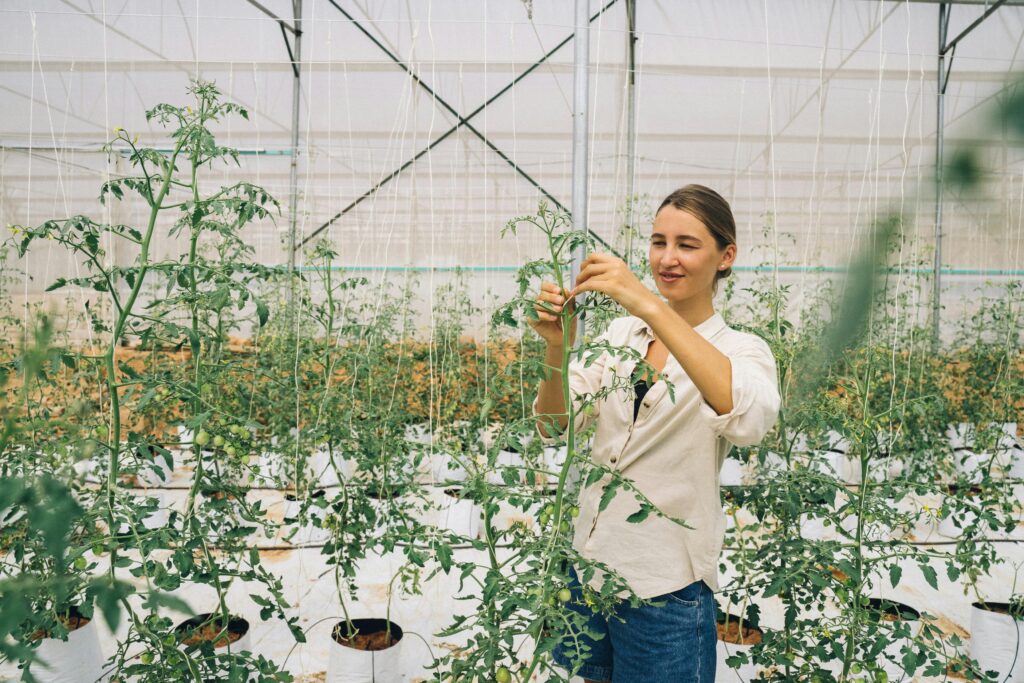
Let the coming year be defined by the strength of your soil and the vibrancy of your harvest. May your garden be a beacon of color, a haven for pollinators, and a testament to the profound joy of cultivation. Here is to healthy soil, resilient growth, and the enduring legacy of the harvest.
Happy Gardening to evryone!
Conclusion
Sustainable gardening is shaping the future of how we interact with nature. The trends of 2026 highlight a shift toward eco-friendly practices, smart technology, and community involvement. By adopting these methods, gardeners can create beautiful, productive, and environmentally responsible spaces.
Whether you start small with a few plants or transform your entire garden, every step toward sustainability makes a difference. Staying informed and embracing these trends will not only improve your garden but also contribute to a healthier planet.