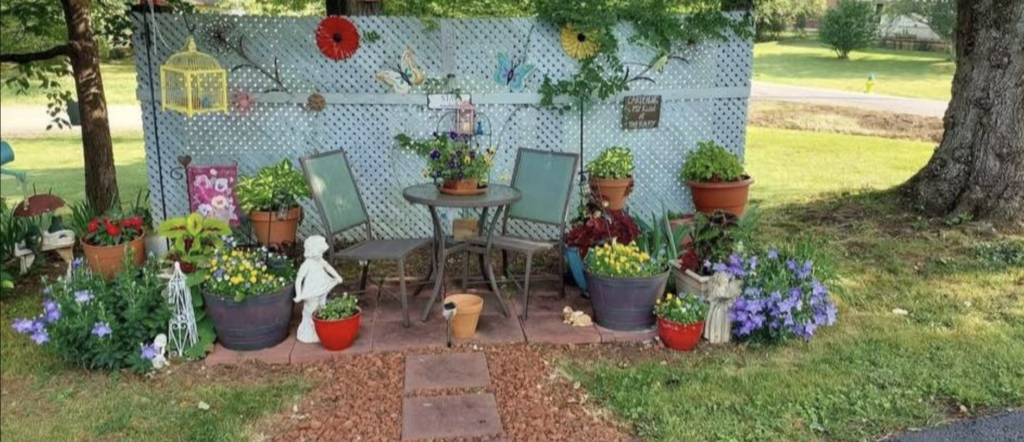
To create a sustainable outdoor space that is both beautiful and eco friendly, you must prioritize resource conservation by selecting native plants, installing smart irrigation, and utilizing permeable or reclaimed materials for hardscaping. By working with your yard’s natural conditions such as soil quality and sunlight patterns, you can build a resilient landscape that supports local biodiversity while requiring significantly less maintenance and water.
Plant Smarter: Use native and drought-resistant species that thrive in your local climate without heavy fertilizers or pesticides.
Conserve Water: Implement drip irrigation, rain barrels, and mulching to minimize evaporation and runoff.
Sustainable Hardscaping: Opt for permeable pavers, recycled stone, or reclaimed wood to reduce environmental impact and improve drainage.
Support the Ecosystem: Incorporate features like pollinator gardens and bird feeders to create a habitat for local wildlife.
Low Maintenance: Replace traditional high-water lawns with ground covers like clover or creeping thyme to save time and resources.
In this guide, you’ll learn how to design a garden that suits your space, lifestyle, and environmental goals with the 8 Steps to create Sustainable Outdoor spaces in 2026
1. Define Your Purpose
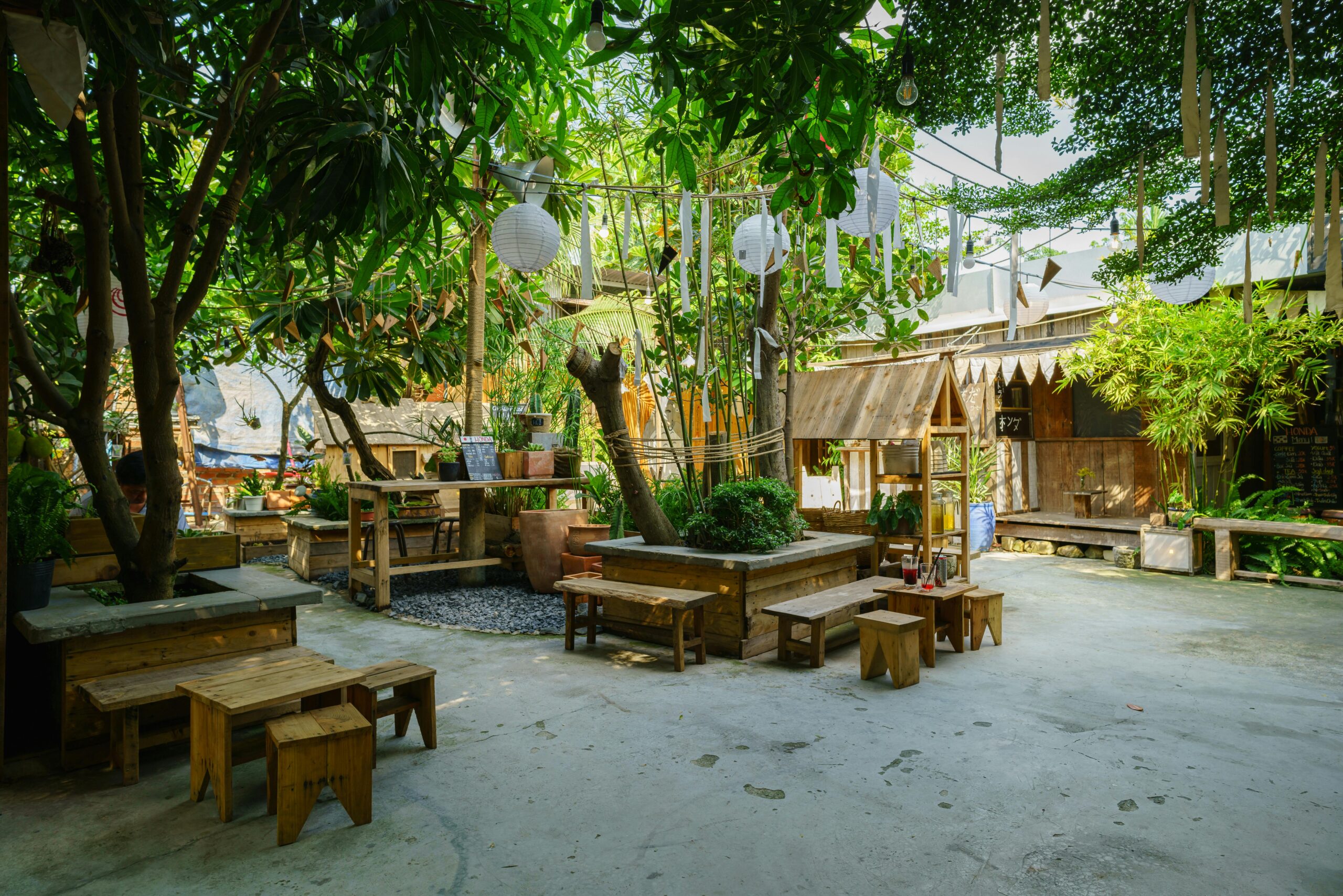
The first step is Define your space not just by activity (dining vs. playing) but by sensory intent. Are you creating a “Restorative Zone” for meditation or a “Productive Zone” for urban farming? Design with the intent to connect with nature, ensuring the space serves your mental health as much as your social calendar.
Step 1: Define Your Purpose
2. Optimize Layout design and Flow
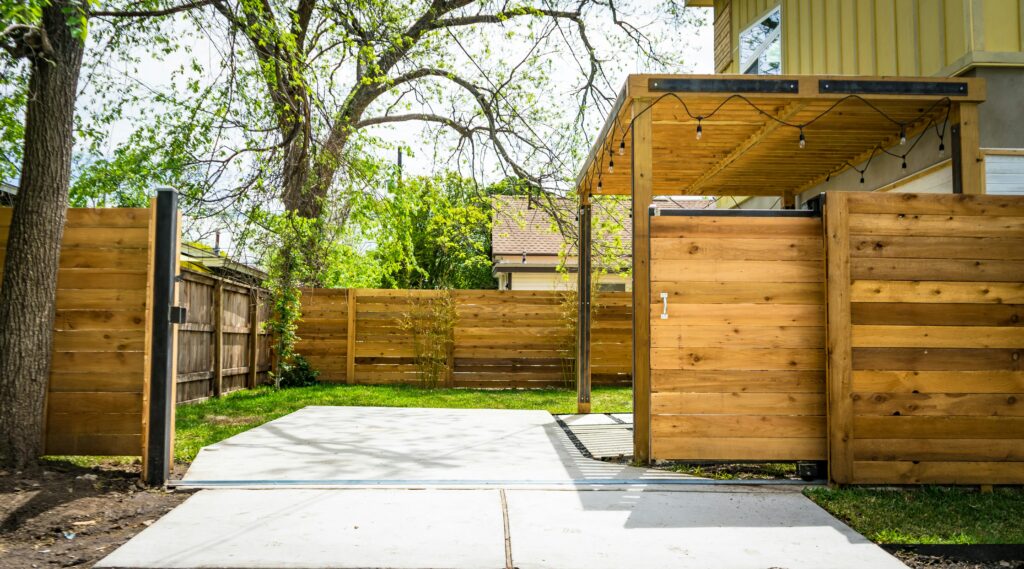
A greatt layout ensures your outdoor space is both functional and attractive. Consider the flow of movement through the area. For larger spaces, create distinct zones for different activities, such as dining, lounging, and playing. in 2026, the Use a “Sponge” layout Instead of traditional concrete paths, use permeable hardscaping (like gravel or spaced pavers) that allows water to recharge the groundwater. Create “Pocket Ecosystems”—dense clusters of native plants—to act as natural air conditioners, cooling the seating areas by several degrees through evapotranspiration.
step 2: Optimize Layout design and Flow
3. Select the Right Furniture
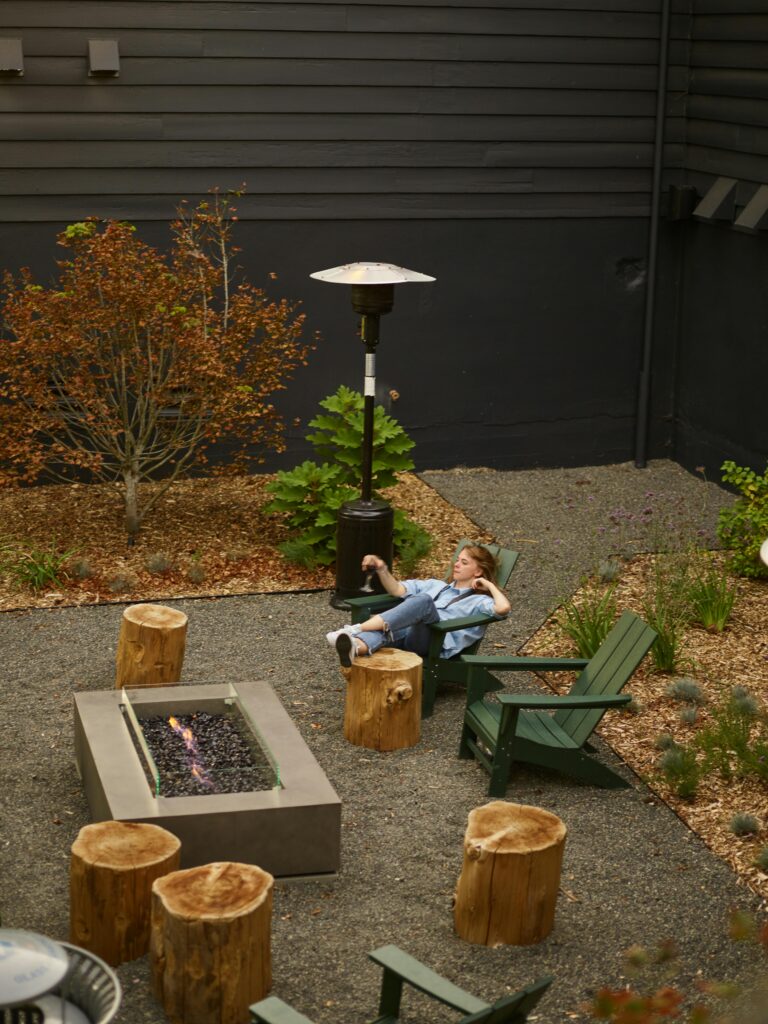
Prioritize Modular & Repairable pieces. Instead of replacing a whole set, choose brands that offer individual part replacements. Look for “Low-Carbon” certifications and materials like recycled aluminum (which uses 95% less energy than virgin ore) or FSC-certified thermally modified timber, which lasts decades without toxic chemical treatments. For dining areas, choose a table that fits your space and accommodates the number of people you typically entertain.
step 3: Select the Right Furniture
Don’t forget to add side tables for convenience. You can get a glimpse of these design tips in action at Signature Homes move-in ready homes in Lodi.
4. Incorporating Greenery: Keystone Species & “No-Till”
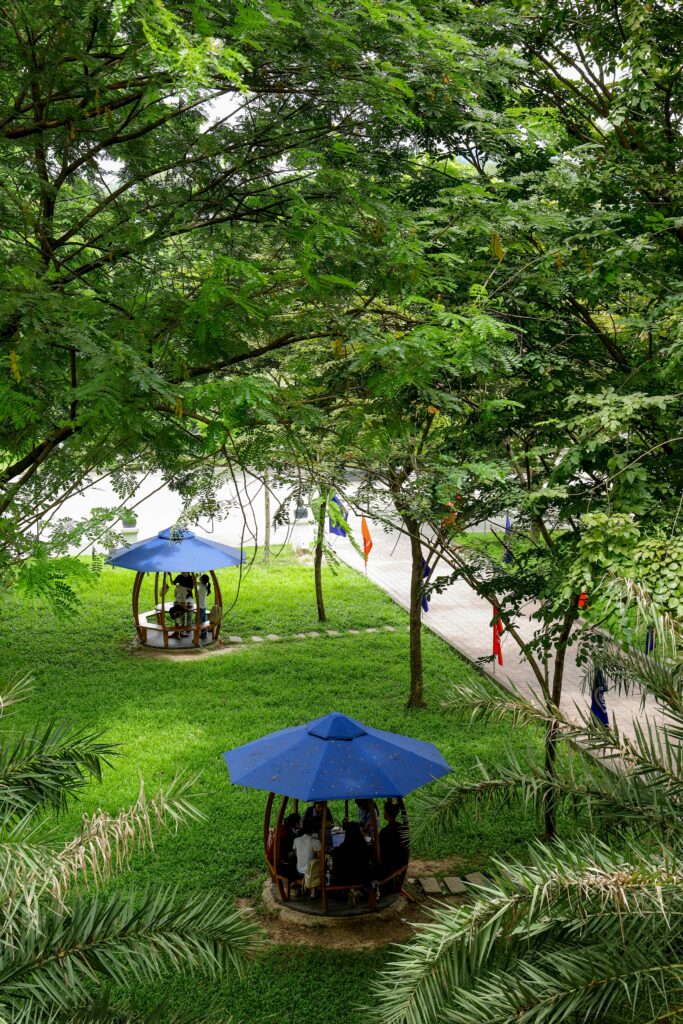
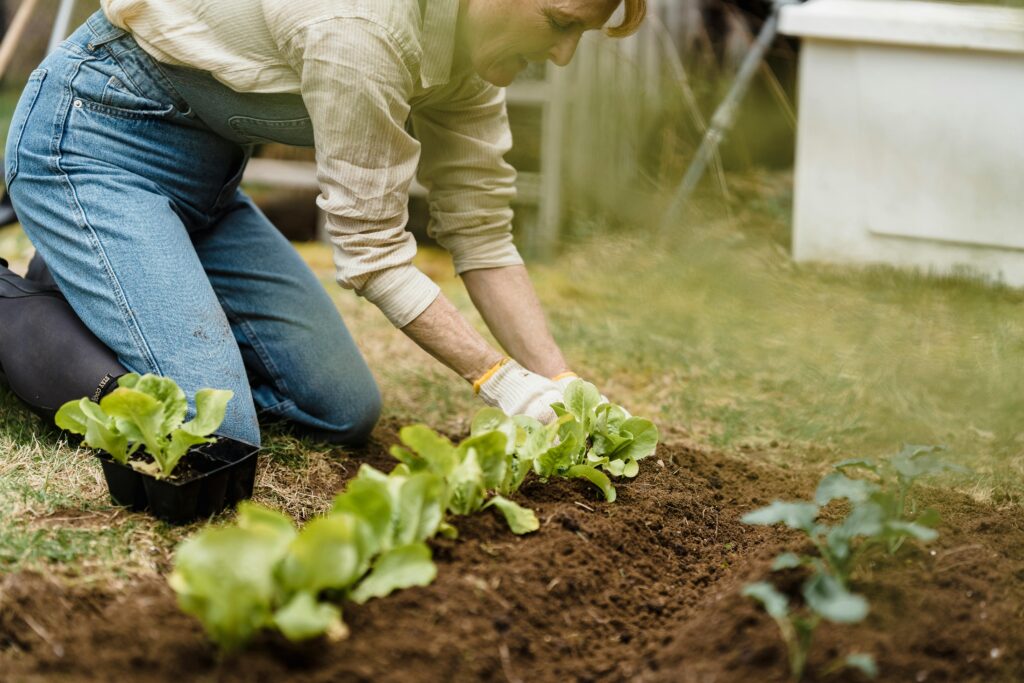
Plants and greenery can transform any outdoor space, adding beauty, tranquility, and a touch of nature. Consider incorporating a mix of plants, including potted plants, hanging baskets, and garden beds. Choose plants that thrive in your climate and are easy to maintain. Move away from decorative annuals and toward Keystone Planting. Use “No-Till” methods (layering organic matter rather than digging) to preserve soil microbes and sequester carbon. Integrate “Foodscaping” mixing edible berries and herbs into your ornamental beds to create a space that feeds both you and the local pollinators.
Incorporating Greenery: Keystone Species & “No-Till”
5. Focus on Comfort and Ambiance
Creating a comfortable and inviting atmosphere is key to enjoying your outdoor space. Add soft textiles like outdoor rugs, cushions, and throws to make the area cozy. Consider installing an outdoor fireplace or fire pit for warmth and ambiance during cooler evenings. For lighting, Adopt “Dark-Sky” compliant lighting. Use shielded, warm-toned (below 2700K) LED fixtures that point downward to prevent skyglow. For ambiance, integrate smart bio lighting that mimics the natural circadian rhythm, dimming and shifting colour as the night progresses to support both your health and the local owl and bat populations
create an ambience that Focus on color of the design
6. Incorporate Shade and Shelter
Protection from the sun and elements ensures your outdoor space is usable throughout the year. Supplement hard structures with Living Shade. Use fast-growing, deciduous vines on pergolas to provide thick shade in the summer while allowing solar heat to warm your home in the winter. For year-round shelter, utilize “Passive Cooling” techniques, such as positioning structures to catch prevailing breezes, reducing the need for outdoor fans or heaters.
7. Add Personal Touches
Personalize with Functional Art. Instead of a standard fountain, install a “Pondless” recirculating water feature that provides a safe drinking spot for birds without wasting water.Add “Soundscape” elements like bamboo wind chimes or rustling grasses (like Muhly Grass) to mask urban noise and create a private sanctuary. Incorporate items that make the space enjoyable for you and your family, like a hammock, outdoor games, or a cozy reading nook.
8. Consider Sustainability
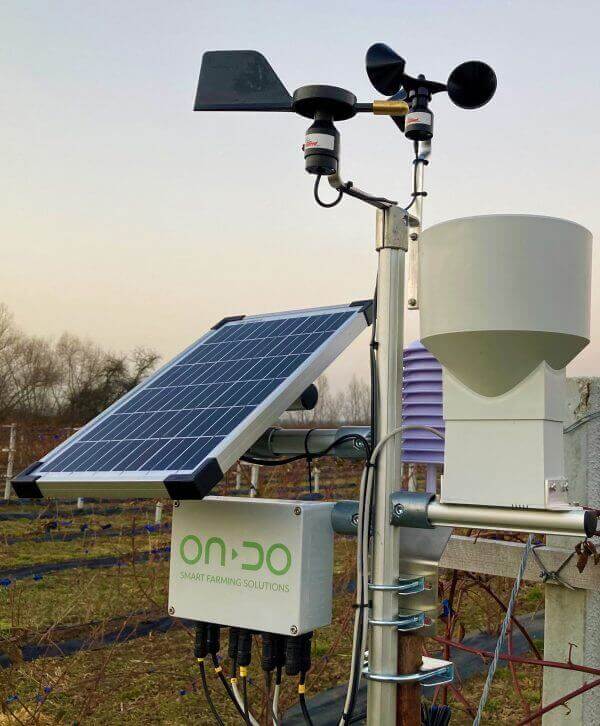
Sustainable choices can enhance the functionality and appeal of your outdoor space. Implement Predictive Resource Management. Use AI-connected soil moisture sensors that sync with local weather forecasts to ensure you never over-water. Install “Bioswales” (landscaped ditches) to capture 100% of your roof’s runoff, turning a heavy rain into a deep-watering event for your garden rather than a burden on the city’s storm drains.
Some FAQ about Eco-Friendly Outdoor Spaces in 2026:
What is the most eco-friendly decking material in 2026? Reclaimed wood or composite boards made from 100% post-consumer recycled plastic and FSC-certified wood fibers are the top choices.
How can I reduce my outdoor water bill? Switch to “Hydrozoning”—grouping plants by water need—and use AI-controlled drip irrigation that adjusts based on real-time evaporation rates.
Are “Smart” gardens really more sustainable? Yes, if used correctly. AI sensors can reduce water waste by up to 50% by preventing irrigation during or after rain.
What are “Keystone” plants? These are native plants (like Oaks or Milkweed) that are essential to the survival of a large number of other species in your specific zip code.
Is a fire pit eco-friendly? Bio-ethanol or smokeless propane pits are preferred over wood-burning ones in 2026 to reduce particulate matter and CO2 emissions.
Can I have a lawn and still be eco-friendly? Yes, by replacing traditional turf with “Micro-Clover” or “Mow-Less” native grass blends that require 70% less water and no fertilizer.
What is “Dark-Sky” lighting? It is lighting designed to minimize glare and light spill, protecting the night environment for humans and wildlife.
How do I start “No-Till” gardening? Instead of digging, lay down cardboard to kill weeds, then layer 4–6 inches of compost and mulch on top. Plant directly into this layer.
What is a bioswale? A landscaped depression that collects rainwater from “hard” surfaces (like roofs or driveways), filters it, and lets it soak slowly into the ground.
What is “Circular” furniture? Furniture designed to be easily taken apart at the end of its life, with every component being either biodegradable or 100% recyclable.
Conclusion
Garden design is an art that combines creativity, planning, and sustainability. By understanding your space, choosing the right elements, and maintaining your garden properly, you can create an outdoor area that is both beautiful and functional.
Whether you prefer a modern look or a natural, wildlife-friendly environment, thoughtful design will help you achieve your vision. With time and effort, your garden can become a space that brings joy, relaxation, and a deeper connection to nature.
You went away for a long weekend. You came back to a peace lily doing its best impression of a wet dishcloth, and a tomato plant that somehow got both too much water and not enough. If you’ve ever wondered whether you’re just missing the gene for this, take heart, you’re not. You’re missing data, and that’s a much easier problem to fix.
That’s really the story of how technology is transforming the care and cultivation of plants right now. Not robots taking over your borders. Not gadgets replacing your instincts. Just a steady shift from guessing to knowing, from “I think it needs water” to “the soil at root depth is at 22% moisture and rain is coming Thursday, so it doesn’t.”
This guide walks through the seven technologies actually changing plant care in 2026, what each one costs, which ones are worth it for a home garden versus a commercial operation, and the part most articles skip what this tech still can’t do for you.
The short answer
Technology is transforming the care and cultivation of plants by replacing guesswork with real-time data. Sensors measure soil moisture and nutrients, AI apps diagnose disease from a photo, weather-linked irrigation waters only when plants need it, and automated greenhouses hold ideal conditions year-round. The result: healthier plants, less water, and far less effort.
What “smart gardening” actually means
Strip away the marketing and smart gardening is three things stacked together:
Deciding: software interprets that measurement against what the plant needs.
Acting: a valve opens, a light comes on, or your phone buzzes with a suggestion.
That’s it. Everything from a $25 moisture probe to a million-dollar automated greenhouse runs on that same three-step loop. Once you see the pattern, the whole category stops feeling intimidating and starts feeling like a menu you can order from.
And you don’t have to order everything. Most gardeners get 80% of the benefit from step one.
Why is gardening technology gaining popularity?
Modern life often buries our green thumbs under a mountain of daily chores. Between erratic weather, strict water limitations, and the concrete squeeze of urban growth, traditional gardening can feel like an uphill battle. Fortunately, smart gardening bridges this gap, transforming how we cultivate nature. How Technology is Transforming the Care and Cultivation in USA.
By leveraging cutting-edge technology, you can help your plants flourish with minimal intervention. These clever tools don’t just save time; they promote a more sustainable lifestyle by optimizing every drop of water and inch of soil.
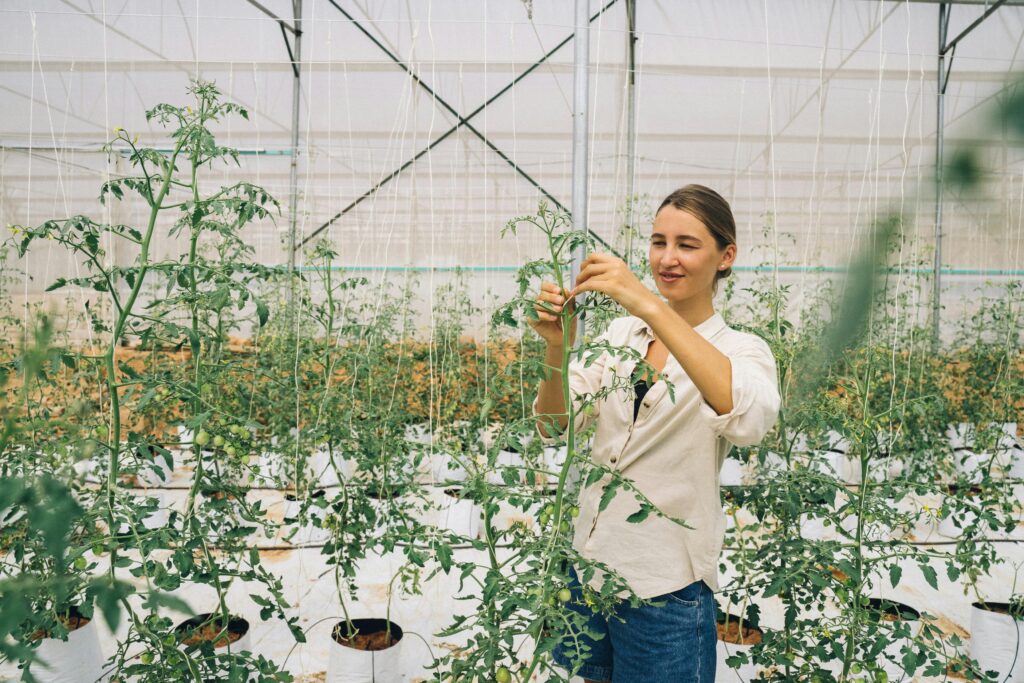
Picture by Anna Shvets :How Smart Tech Saves Your Plants.
Exploring the various ways technology is revolutionizing the care and cultivation
Smart Gardening: Let Your Plants Do the Talking.
Smart gardens harness cutting-edge technology to automate and optimize the art of growing plants. By integrating everything from self-watering pots to AI-powered monitoring systems, these setups slash manual labor while supercharging plant health and growth.
They offer a perfect lifeline for space-starved city dwellers, busy professionals, and gardening novices who find traditional maintenance a bit daunting. Instead of worrying about soil moisture or light cycles, you can let the tech do the heavy lifting while you enjoy a flourishing indoor jungle.
Some Technologies powering the Smart Gardens Systems
1. Precision Irrigation & Automated Hydration
Smart irrigation systems eliminate the guesswork of traditional watering by utilizing soil moisture sensors to deliver precise hydration. These systems often managed via dedicated smartphone apps which calculate exact water requirements in real-time, preventing the common pitfalls of root rot or dehydration.
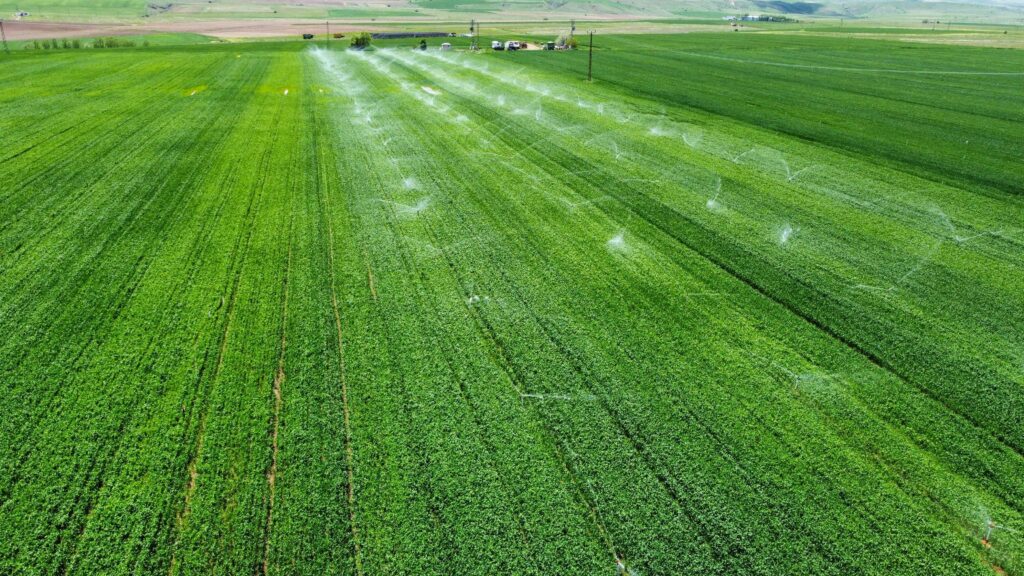
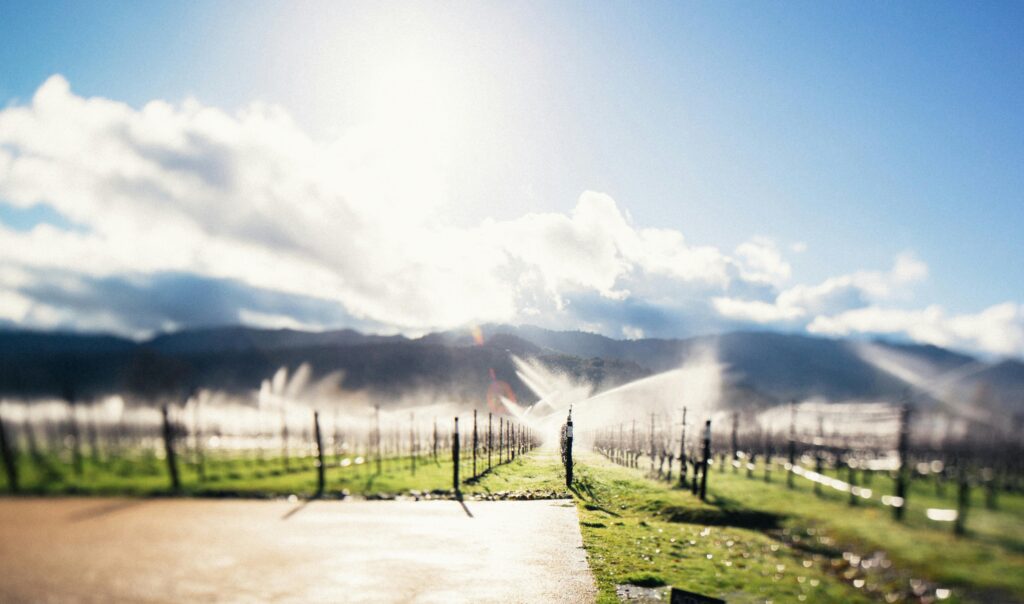
Smart controllers fix that by pulling in local weather data or reading soil moisture directly, then adjusting or skipping the cycle. The numbers here are genuinely striking. Residential outdoor water use in the United States accounts for nearly 8 billion gallons of water each day, mainly for landscape irrigation, and experts estimate as much as 50 percent of it is wasted through overwatering caused by inefficient methods and systems.
Swapping the timer helps more than you’d think. The EPA reports that replacing a standard clock-based controller with a WaterSense labeled irrigation controller can save an average home up to 15,000 gallons of water annually. To earn that label, controllers are independently certified against specific WaterSense criteria for efficiency and performance — which makes the label a useful shortcut when you’re staring at a wall of options.
Two flavors exist, and they’re both good: weather-based controllers use local weather and landscape conditions to tailor watering schedules, while soil moisture-based controllers monitor moisture in the soil to prevent irrigation when water isn’t needed.
The 3 Massive Advantages of Precision Irrigation
Better Water Management: It eliminates over-watering and ensures the “right amount of water at the right time,” leading to significant water savings and lower energy costs during smart irrigation.
Efficient Soil Protection: By delivering water directly to the root zone, it minimizes surface runoff, reduces soil compaction, and prevents nutrient leaching, keeping the soil fertile and healthy.
Increased Crop Yields: Targeted moisture delivery reduces plant stress and limits weed growth, resulting in higher-quality crops and greater overall field productivity.
Precision Irrigation & Automated Hydration
2. AI-Driven Diagnostic & Monitoring Platforms
AI-powered monitoring systems transform plant care into a data-driven science by analyzing telemetry from sensors tracking temperature, humidity, and nutrient density. Artificial intelligence (AI) and machine learning are becoming increasingly important in the field of horticulture. These technologies are being used not only to analyse vast amounts of data, predict plant growth patterns, and optimize care practices but also see How Technology is Transforming the Care and Cultivation in USA gardens.
How AI is Transforming Plant Care:
Predictive Analytics: AI algorithms can analyze data from sensors, weather forecasts, and historical records to predict plant growth patterns and potential issues. This allows growers to take proactive measures to prevent problems such as pest infestations or nutrient deficiencies.
Image Recognition: AI-powered image recognition tools can identify plant diseases, pests, and nutrient deficiencies based on images of the plants. This technology can be used to diagnose problems early and recommend appropriate treatments.
Automated Decision-Making: Machine learning models can optimize irrigation schedules, nutrient delivery, and other care practices based on real-time data, ensuring that plants receive the best possible care.
Personalized Recommendations: AI-driven apps can provide personalized care recommendations based on the specific needs of individual plants, helping gardeners make informed decisions.
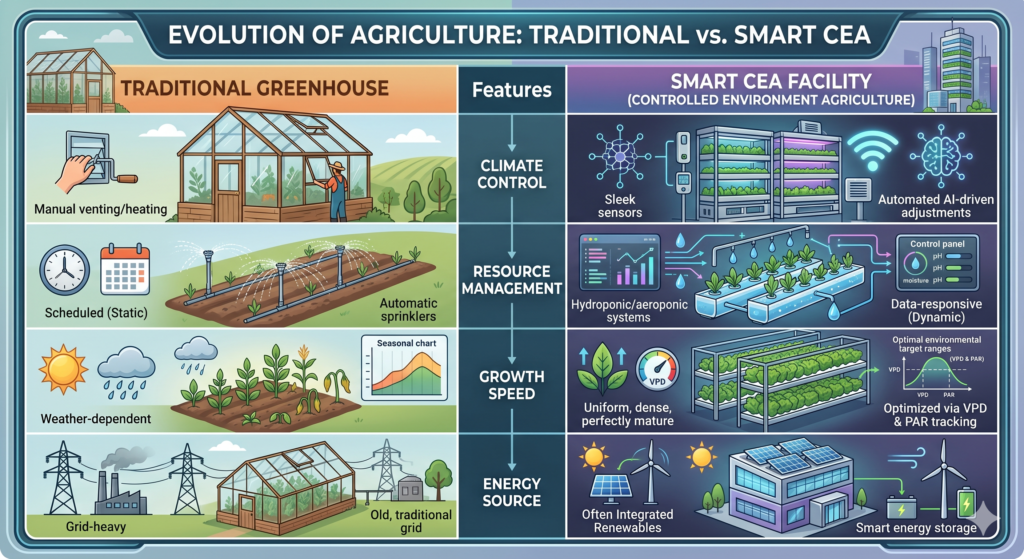
Hydroponic and aeroponic technologies revolutionize indoor cultivation by removing soil from the equation entirely. These systems circulate nutrient-dense water or atomized mist directly to the root zones, facilitating faster metabolic growth and higher yields compared to traditional geophonic methods. These facilities eliminate environmental variables, engineering a consistent microclimate that guarantees peak metabolic performance.
Real-Time Environmental Orchestration: High-precision sensors constantly monitor critical growth metrics—including Vapor Pressure Deficit (VPD), ambient temperature, and humidity. The central controller processes this data to adjust ventilation, shading, and CO2 enrichment in real-time, maintaining the “sweet spot” for plant development.
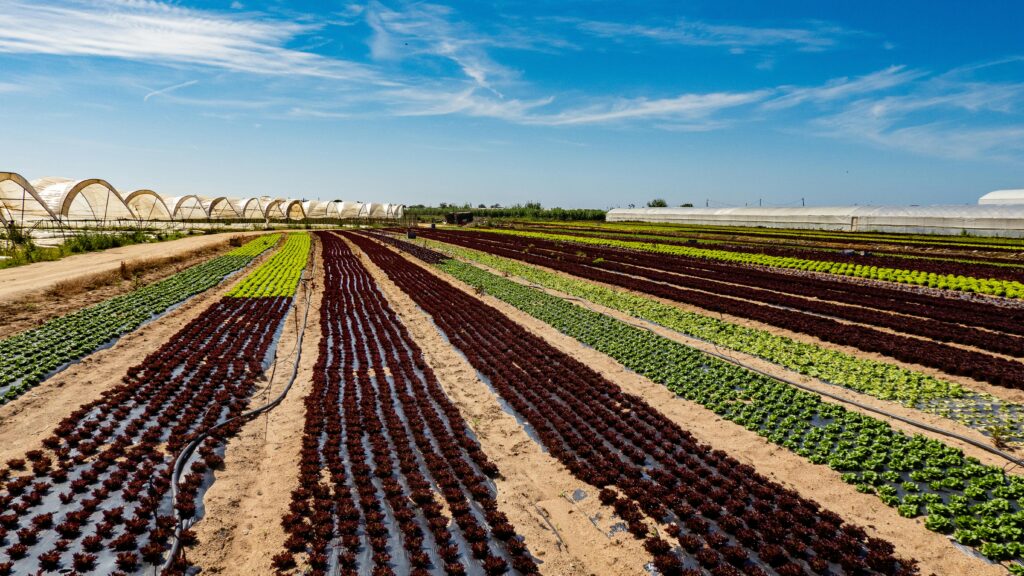
Perpetual Harvest Cycles: By bypassing seasonal limitations, this technology facilitates year-round production. Cultivators achieve significantly higher biomass yields and faster turnover rates compared to traditional field farming.
Resource Efficiency & Sustainability: Smart systems slash water and nutrient waste by delivering inputs only when the plants reach specific absorption thresholds. Furthermore, integrating photovoltaic (solar) arrays and thermal energy storage drives the facility toward carbon neutrality and reduces long-term operational overhead.
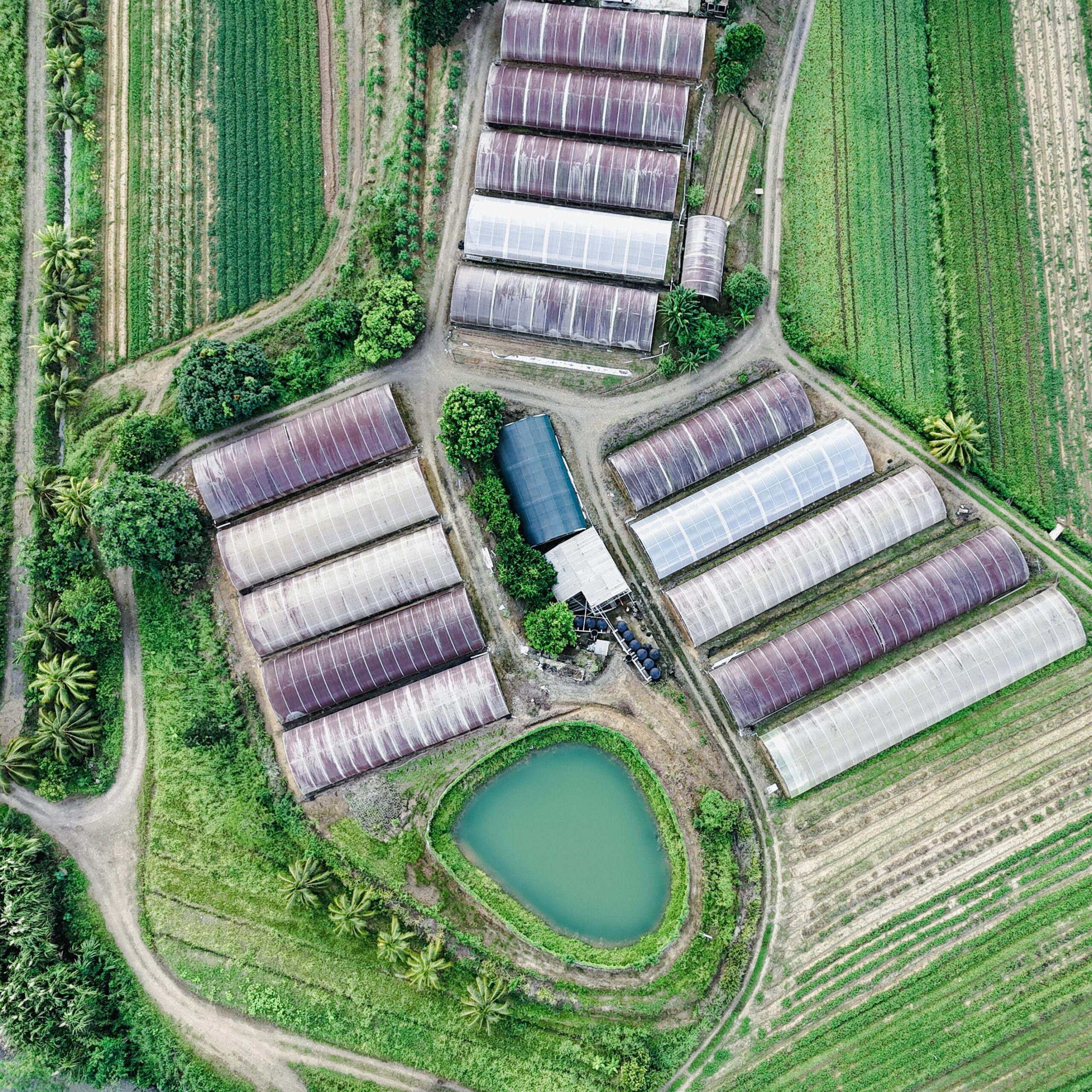
Evoulution of Agriculture: Traditional Greenhouse vs Smart CEA (Automated)
4. IoT-Integrated Smart Cultivators
IoT-enabled planters act as a central hub for plant telemetry, syncing directly with mobile applications to stream real-time health metrics. These “connected” containers autonomously regulate water delivery, light exposure, and nutrient dosage based on the specific biological requirements of the species.
Point your phone at a sad leaf, get a diagnosis. This is the technology that’s improved most dramatically in the last two years, and it’s the one that’s most useful to beginners.
Image-recognition models now identify most common fungal diseases, pest damage, and classic nutrient deficiencies with real accuracy. They’re pattern-matching against millions of labeled images and leaf symptoms are, conveniently, a very visual problem.
Where AI diagnosis genuinely shines:
Telling nitrogen deficiency from iron chlorosis (both cause yellowing, opposite fixes)
Catching powdery mildew early enough that airflow changes still work
Identifying whether that beetle is a pest or a beneficial before you reach for anything
Answering “what even is this plant?” for inherited gardens
Deploying Swarm Intelligence and Fleet Orchestration:
Implementing Edge-AI for 24/7 Operational Intelligence:
Executing High-Fidelity Precision Horticulture
“Where to stay skeptical: these tools are confident even when they’re wrong. Root problems, viruses, and herbicide drift all look like a dozen other things from above ground. Treat the answer as a strong hypothesis, not a verdict — and cross-check anything drastic with your local extension service before you spray.”
The latest robotic machinery utilizes multispectral sensors and generative AI to assess crop ripeness and health with surgical accuracy. By automating selective harvesting and micro-pruning, these systems ensure high-value consistency while reducing chemical use and soil compaction.
IoT-Integrated Smart Cultivators
5. Spectral-Tuned Smart LED Lighting
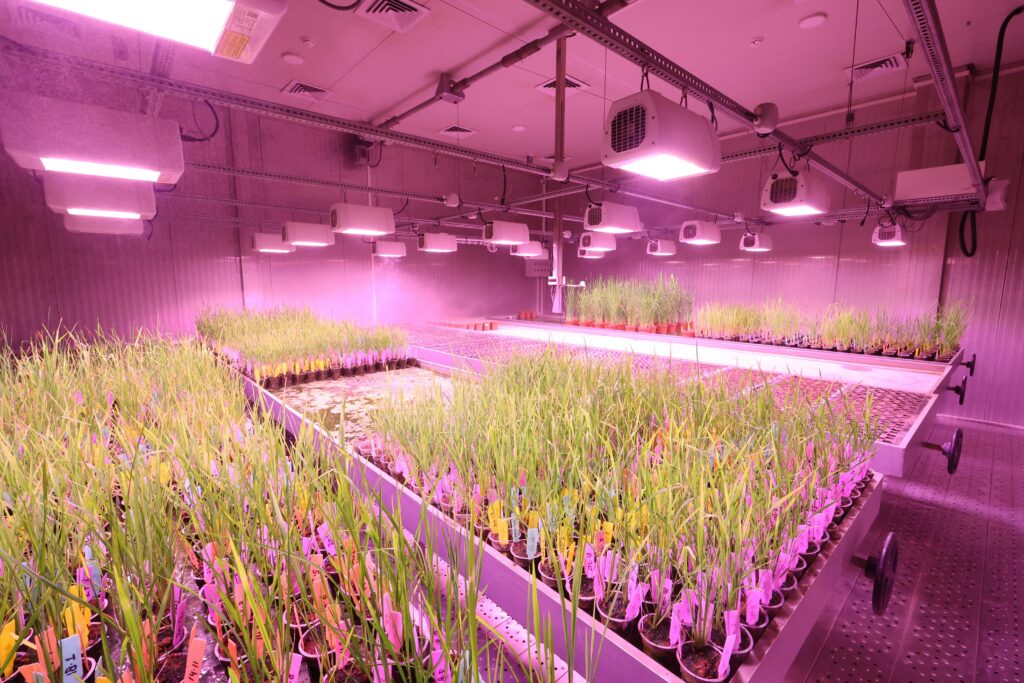
As global agricultural demand rises and usable farmland shrinks, high-tech farming including greenhouses and vertical farms—relies on Cree LED’s advanced lighting solutions to solve production challenges.
Horticultural LEDs are engineered around what plants actually absorb rather than what looks bright to human eyes. That means more usable light per watt and dramatically less waste heat — which matters more than the electricity savings, because heat is what forces ventilation, which is what dries everything out.
You can also tune the spectrum by growth stage: more blue for compact, sturdy seedlings, more red as plants move toward flowering and fruiting. For anyone starting seeds on a windowsill in February, this is the difference between stocky transplants and leggy, sad ones falling over in their trays.
Rough guidance for home growers: leafy greens and herbs are happy with 14–16 hours of light a day; fruiting plants like tomatoes and peppers want more. Look for a fixture that publishes its PPFD numbers, if a listing only advertises wattage, the manufacturer is hiding something.
Key Benefits of Using “LED Lighting” in High Tech Farming
Customized Photosynthesis: Unlike human-centric lighting, horticulture LEDs are engineered for plant-specific metrics, maximizing the delivery of usable light energy (PPF) while minimizing heat waste.
Operational Efficiency: Innovations like the S Line technology provide sulfur and corrosion resistance, ensuring that robotic and automated lighting systems can survive the harsh, humid conditions of modern greenhouses.
Economic Impact: Advanced components allow fixture designers to either increase light output at the same cost or maintain performance with fewer LEDs, lowering the capital expenditure for “Agriculture 5.0” operations.
Sustainable Scaling: By enabling farms to be built closer to urban centers (reducing transport emissions) and maximizing vertical space, LED technology is the primary engine behind 24/7 sustainable food production.
Smart LED Lighting in smart Farming
How to build a smart garden in 6 steps
You don’t need to automate everything at once. In fact, please don’t, the fastest way to abandon this is to buy a pile of gadgets that all need separate apps. Start with one problem.
Step 1: Pick your worst-performing spot
Don’t start with the garden. Start with the one bed or pot that keeps disappointing you. That’s where data has something to tell you. Everything that’s already thriving needs no help, and instrumenting it just gives you dashboards to ignore.
Step 2: Measure before you automate
Put one soil moisture sensor in that spot and leave it alone for two weeks. Don’t change anything. Just watch. You’re looking for the shape of the problem. does it dry out in a day or does it never dry at all? Almost everyone is surprised by what they find here, and plenty of people fix their problem at this step and stop.
Step 3: Choose one system, not six
Pick a platform and stay in it. Six devices from six brands means six apps, six logins, and six chances to get bored. If you already own a smart-home hub, favour devices that talk to it. If you don’t, favour whichever ecosystem covers the most of your list.
Step 4: Automate the watering
Now act on what you learned. Install a weather-linked or moisture-linked controller, or a simple drip line on a smart valve. Look for the WaterSense label — it’s independently certified, and it’s often the ticket to a utility rebate. Set it conservatively at first; you can always add water, but you can’t un-drown roots.
Step 5: Add light if you grow indoors
If you start seeds or keep plants inside, add a tuned LED fixture on a timer. Match the schedule to what you’re growing — long days for leafy greens and herbs, longer still for anything you expect to fruit. This is a set-and-forget upgrade that pays off every single spring.
Step 6: Watch for a season, then adjust
Give it one full growing season before you judge it. Compare your water use to last year. Note which alerts you actually acted on and which you swiped away, the ignored ones are telling you that sensor is in the wrong place or measuring the wrong thing. Then, and only then, expand.
What garden technology still can’t do
Here’s the part the gadget reviews leave out, and it matters — because knowing the limits is what keeps you from wasting money.
It can’t fix bad soil. No sensor makes compacted clay drain. Data tells you the problem exists; compost and time solve it. If you’re choosing between a $200 controller and $200 of compost for a struggling bed, buy the compost.
It can’t fix the wrong plant in the wrong place. A shade-loving fern under full sun will die on schedule, beautifully monitored. Technology optimises within a plant’s tolerances, it doesn’t rewrite them.
It can’t replace looking at your plants. The most useful diagnostic instrument in any garden is still a person walking through it slowly. Sensors miss the things you’d notice instantly: the chewed edges, the odd smell, the branch that snapped in the wind.
It adds failure modes. Wi-Fi drops. Batteries die in January. Apps get discontinued when a startup folds. Anything critical needs a manual fallback, and anything that “can’t fail” absolutely will, usually in August.
None of this is a reason to skip the technology. It’s a reason to use it as a layer on top of good fundamentals, not as a substitute for them.
The sustainability case
There’s a version of this conversation that’s all convenience, and it undersells what’s happening.
Water is the headline. The EPA notes that if every U.S. home with an automatic sprinkler system installed and properly operated a WaterSense labeled controller, the country could save meaningful volumes of water annually and that’s from swapping one small box, not rebuilding anything.
But the compounding effects go further:
Fewer chemicals, because targeted spot-treatment replaces blanket spraying
Less fertiliser runoff, because nutrients go out when roots can take them up
Less replacement, because plants that don’t get stressed don’t need replacing and the greenest plant is the one you didn’t have to buy twice
Shorter supply chains, when growing moves closer to where people live
That last one is quietly the biggest. Produce that travels 20 miles instead of 2,000 changes the maths on the whole system.
The bottom line
How technology is transforming the care and cultivation of plants comes down to something reassuringly simple: it’s closing the gap between what your plants need and what you know about them. It isn’t replacing the green thumb, it’s giving it better information.
You don’t need a robot, don’t need a greenhouse. You need to know when your soil is actually dry, and you need to stop watering when it rains. Start there, spend under $200, watch a season, and expand only into what you’ll genuinely use.
Your plants have been trying to tell you what they need this whole time. Now you can finally hear them.
Is smart gardening technology worth it for a small home garden?
For most small gardens, yes but only selectively. A single soil moisture sensor and a weather-linked irrigation controller deliver nearly all the benefit for under $200, and utility
rebates often cover part of that. Robots, greenhouses, and multi-zone monitoring rarely pay off below a certain scale.
How much water can smart irrigation actually save?
The EPA reports that replacing a standard clock timer with a WaterSense labeled controller can save an average home up to 15,000 gallons per year. Real savings depend on your climate, soil, and how badly your old schedule was set — the worse your current setup, the bigger the improvement.
Can AI apps accurately diagnose plant diseases?
They’re strong on common, visually distinct problems like powdery mildew, aphid damage, and classic nutrient deficiencies. They’re much weaker on root problems, viruses, and anything below the soil line. Treat an AI diagnosis as a good first hypothesis, then confirm with your local extension service before doing anything drastic.
Do I need Wi-Fi for a smart garden?
Most connected devices need Wi-Fi for remote monitoring and app control, though many run their core schedule locally if the network drops. Standalone soil probes and battery timers need no network at all. If your garden sits at the edge of your signal, choose devices that work offline and treat the app as a bonus.
What’s the difference between hydroponics and traditional soil growing?
Hydroponics delivers nutrients directly to roots in water, with no soil involved. It grows plants faster, uses far less water because the solution recirculates, and works indoors year-round. Soil, meanwhile, buffers mistakes and hosts a living microbiome, it’s more forgiving, and it’s cheaper to start.
Is gardening technology replacing gardeners?
No, it’s replacing repetitive tasks. Automation handles watering schedules, monitoring, and mowing; people still handle design, plant selection, judgment calls, and everything that requires actually understanding a garden. The technology gives you back the hours you used to spend dragging hoses.
Will smart garden devices still work in a few years?
This is the fair worry, and the answer is: some won’t. Cloud-dependent devices die when the company does. To protect yourself, favour brands with a long track record, devices that work locally without the cloud, and open standards like Matter over proprietary hubs.
A garden is not just a place for plants—it can also be a thriving habitat for wildlife. Birds, bees, butterflies, and beneficial insects all play a vital role in maintaining a healthy ecosystem. By creating a wildlife-friendly garden, you are not only enhancing the beauty of your outdoor space but also contributing to environmental conservation.
Modern gardening practices often overlook the importance of biodiversity. The use of chemicals, loss of natural habitats, and urban expansion have significantly reduced wildlife populations. However, even a small garden can make a big difference if designed thoughtfully.
In this guide, you’ll learn how to attract and support wildlife in your garden using simple, practical, and eco-friendly methods.
Why Wildlife Matters in Your Garden
Pollination
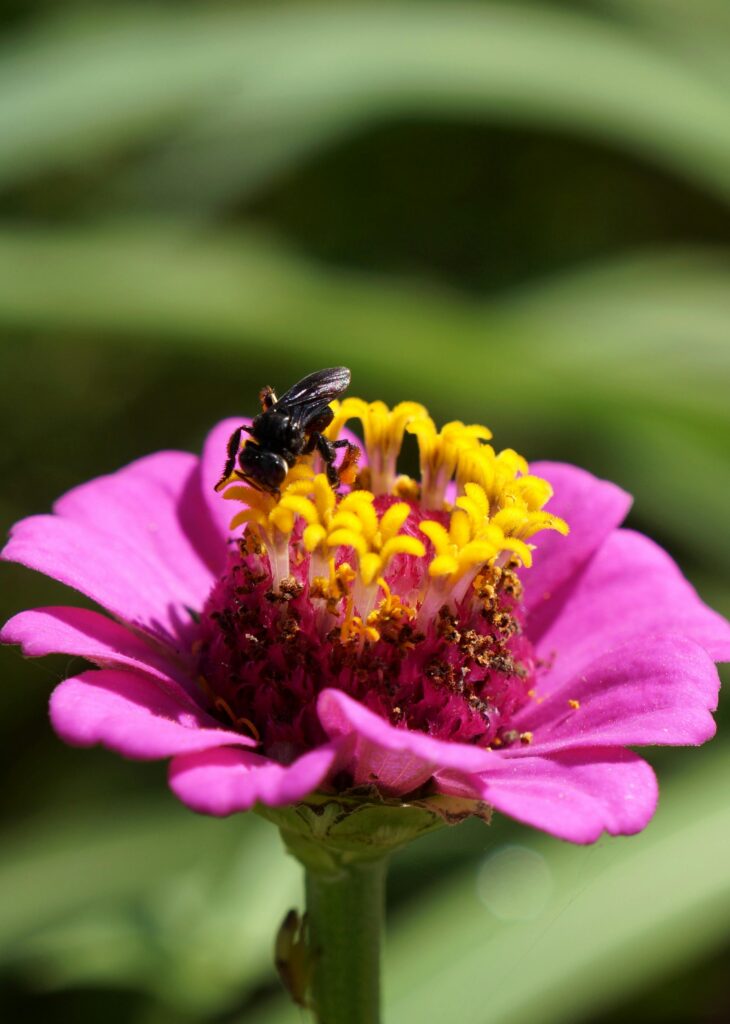
Pollinators such as bees and butterflies help plants reproduce by transferring pollen. Without them, many plants would struggle to produce fruits and seeds.
Natural Pest Control
Birds and beneficial insects feed on harmful pests, reducing the need for chemical pesticides. This creates a balanced and healthier garden environment.
Biodiversity and Ecosystem Balance
A diverse garden is more resilient to diseases and environmental changes. Supporting wildlife helps maintain this balance naturally.
Creating a Wildlife-Friendly Environment
Plant Native Species
Native plants are the best choice for attracting local wildlife. They provide familiar food and shelter for birds, insects, and other creatures.
These plants are also easier to maintain and require fewer resources, making them ideal for sustainable gardening.
Provide Food Sources
Different types of wildlife need different kinds of food.
Nectar-rich flowers attract bees and butterflies
Berry-producing plants provide food for birds
Seeds and grains support small animals
Having a variety of plants ensures that your garden supports multiple species.
Add Water Features
Water is essential for all living beings. Even a small water source can attract wildlife.
Birdbaths
Small ponds
Shallow dishes of water
Make sure to keep the water clean and safe for animals.
Designing Habitats for Wildlife
Create Shelter Areas
Wildlife needs safe spaces to rest and hide from predators.
Plant dense shrubs and hedges
Leave some areas of your garden slightly wild
Use logs, rocks, and natural materials
These features provide shelter for birds, insects, and small animals.
Build Nesting Spaces
Encouraging birds to nest in your garden helps maintain a steady presence of wildlife.
Install birdhouses
Leave trees and branches for natural nesting
Avoid disturbing nesting areas
Attracting Pollinators
Pollinators are essential for a productive garden.
Plant Pollinator-Friendly Flowers
Choose flowers that produce plenty of nectar and bloom at different times of the year. This ensures a continuous food supply.
Avoid Chemical Pesticides
Chemicals can harm pollinators and disrupt the ecosystem. Use natural pest control methods instead.
Provide Safe Spaces
Pollinators need places to rest and breed. Leaving some areas undisturbed can support their life cycle.
Supporting Birds in Your Garden
Provide Food
Bird feeders can supplement natural food sources, especially during colder months.
Offer Water
Birds need water for drinking and bathing. A simple birdbath can make a big difference.
Ensure Safety
Keep feeders and nesting areas away from predators and disturbances.
Encouraging Beneficial Insects
Not all insects are harmful—many are essential for a healthy garden.
Examples of Beneficial Insects
Ladybugs (control aphids)
Bees (pollination)
Dragonflies (control mosquitoes)
How to Attract Them
Plant diverse flowers
Avoid chemicals
Provide natural habitats
Reducing Harmful Practices
Limit Chemical Use
Pesticides and fertilizers can harm wildlife and disrupt natural processes. Opt for organic alternatives.
Reduce Lawn Area
Large lawns offer little benefit to wildlife. Replacing some lawn space with plants and flowers increases biodiversity.
Avoid Over-Cleaning
A perfectly tidy garden may look neat but offers fewer resources for wildlife. Leaving some natural elements can be beneficial.
Seasonal Wildlife Care
Spring
Focus on planting and creating habitats.
Summer
Ensure water availability and monitor plant health.
Autumn
Provide food sources like seeds and berries.
Winter
Offer shelter and additional food for survival.
Balancing Wildlife and Gardening
While attracting wildlife is beneficial, it’s important to maintain balance.
Protect plants from excessive damage
Use natural barriers if needed
Monitor wildlife activity
A balanced approach ensures both plants and wildlife thrive together.
Educational Benefits of Wildlife Gardening
A wildlife-friendly garden is a great learning space.
Observe animal behavior
Teach children about nature
Understand ecological relationships
This connection with nature enhances your gardening experience.
Long-Term Impact
Creating a wildlife-friendly garden has lasting benefits:
Supports declining species
Improves environmental health
Enhances garden productivity
Every small effort contributes to a larger ecological impact.
Common Mistakes to Avoid
Using harmful chemicals
Ignoring native plants
Not providing water
Over-maintaining the garden
Avoiding these mistakes helps create a more welcoming environment for wildlife.
Conclusion
A wildlife-friendly garden is more than just a beautiful space—it’s a living ecosystem that supports nature and promotes sustainability. By making small changes, you can attract birds, pollinators, and beneficial insects while improving your garden’s health.
The key is to work with nature, not against it. With thoughtful planning and consistent care, your garden can become a thriving habitat that benefits both you and the environment.
Choosing the right plants is one of the most important decisions you’ll make as a gardener. No matter how good your soil is or how well you water your garden, success largely depends on selecting plants that are suited to your environment and lifestyle. This is where a well-organized plant library becomes incredibly valuable.
A plant library is more than just a collection of plant names—it’s a resource that helps you understand plant characteristics, care requirements, and compatibility with your garden conditions. Whether you’re growing flowers, vegetables, herbs, or ornamental plants, having the right knowledge can save you time, effort, and frustration.
In this guide, you’ll learn how to choose the right plants, understand their needs, and build a thriving garden with confidence.
Understanding Your Garden Environment
Before selecting plants, it’s essential to understand the conditions of your garden.
Sunlight Exposure
Different plants require different levels of sunlight:
Full sun plants need 6–8 hours of direct sunlight daily
Partial shade plants thrive with 3–6 hours of sunlight
Full shade plants grow well with minimal direct sunlight
Observing how sunlight moves across your garden will help you place plants correctly.
Climate and Temperature
Your local climate determines which plants can survive and thrive. Some plants prefer warm conditions, while others grow better in cooler environments.
Seasonal changes also play a role. Understanding your growing season helps you choose plants that match the timing.
Soil Type
Soil affects nutrient availability and water retention. Knowing whether your soil is sandy, clay, or loamy helps you select suitable plants or improve the soil accordingly.
Types of Plants to Include in Your Garden
A balanced garden includes a variety of plant types:
Flowering Plants
These add color and beauty to your garden. Popular choices include roses, marigolds, and sunflowers.
Vegetables and Herbs
Growing your own food is both rewarding and sustainable. Common options include tomatoes, spinach, basil, and mint.
Trees and Shrubs
These provide structure, shade, and long-term value to your garden.
Ground Covers
These plants spread across the soil, helping prevent weeds and reduce erosion.
Choosing the Right Plants
Start with Native Plants
Native plants are adapted to your local environment, making them easier to grow and maintain. They also support local wildlife and require fewer resources.
Consider Maintenance Level
Some plants require frequent care, while others are low-maintenance. Choose plants based on how much time you can dedicate to gardening.
Match Plants to Your Space
Small gardens benefit from compact plants or vertical gardening options, while larger spaces can accommodate trees and expansive layouts.
Understanding Plant Care Requirements
Watering Needs
Each plant has different watering requirements. Overwatering can be just as harmful as underwatering.
Check soil moisture before watering
Use well-draining soil to prevent root rot
Fertilization
Plants need nutrients to grow, but too much fertilizer can cause damage.
Use organic fertilizers when possible
Follow recommended application guidelines
Pruning and Maintenance
Regular pruning helps maintain plant shape, remove dead parts, and encourage growth.
Seasonal Planting Guide
Spring
Ideal for planting flowers, vegetables, and herbs as temperatures begin to rise.
Summer
Focus on maintaining plants and protecting them from heat.
Autumn
A good time for planting trees and preparing soil for the next season.
Winter
Use this time for planning, composting, and protecting plants from cold.
Common Mistakes When Choosing Plants
Ignoring Climate Conditions
Choosing plants that are not suited to your climate often leads to failure.
Overcrowding
Planting too many plants in a small space can limit growth and increase competition for resources.
Lack of Research
Not understanding plant needs can result in poor care and unhealthy plants.
Creating a Plant Care Routine
Consistency is key to maintaining a healthy garden.
Water plants based on their needs
Monitor for pests and diseases
Adjust care routines according to seasons
Benefits of a Well-Planned Plant Library
Better Organization
A plant library helps you keep track of plant types, care requirements, and growth patterns.
Improved Gardening Success
Having the right information leads to healthier plants and better results.
Time and Cost Efficiency
Choosing the right plants reduces waste and saves money in the long run.
Supporting Biodiversity Through Plant Selection
Choosing a variety of plants helps create a balanced ecosystem.
Attract pollinators with flowering plants
Support birds and insects with native species
Avoid monoculture (growing only one type of plant)
Using Technology to Manage Your Plant Library
Modern tools can help you organize and maintain your plant collection.
Gardening Apps
Apps can track plant care schedules, watering reminders, and growth progress.
Digital Records
Keeping notes about plant performance helps you make better decisions in the future.
Designing Your Garden with Plants
Plant selection also plays a role in garden design.
Layering
Use a combination of tall, medium, and low-growing plants for depth.
Color Coordination
Choose plants with complementary colors for visual appeal.
Functional Placement
Place plants based on their needs for sunlight and water.
Conclusion
A well-maintained plant library is a powerful tool for any gardener. By understanding your environment, selecting the right plants, and providing proper care, you can create a garden that is both beautiful and sustainable.
Gardening success doesn’t come from luck—it comes from knowledge and planning. With the right approach, your garden can thrive year-round and bring lasting satisfaction.
If plants are the heart of a garden, then soil is its foundation. No matter how much effort you put into watering, planting, or designing your garden, everything ultimately depends on the quality of your soil. Healthy soil provides essential nutrients, supports root growth, retains moisture, and creates a balanced environment where plants can truly thrive.
Unfortunately, many gardeners overlook soil health and focus only on plants. This often leads to poor growth, weak plants, and low yields. The truth is simple: when you improve your soil, everything else becomes easier.
In this complete guide, you’ll learn how soil works, why it matters, and how to naturally improve it for long-term success.
Understanding Soil Composition
Soil is much more than just dirt—it’s a living ecosystem made up of several key components:
Minerals
Mineral particles come from broken-down rocks and are categorized into sand, silt, and clay. The balance of these particles determines soil texture.
Sandy soil drains quickly but lacks nutrients
Clay soil holds water but can become compacted
Silty soil is smooth and retains moisture well
The ideal garden soil is loamy soil, which is a balanced mix of all three.
Organic Matter
Organic matter includes decomposed plant and animal material. It improves soil fertility, structure, and moisture retention.
Compost is one of the best sources of organic matter and plays a key role in sustainable gardening.
Air and Water
Healthy soil contains spaces that allow air and water to move freely. Roots need oxygen to grow, and proper water balance is essential for nutrient absorption.
Microorganisms
Soil is full of life, including bacteria, fungi, and earthworms. These organisms break down organic matter and release nutrients that plants can absorb.
Why Soil Health Matters
Nutrient Supply
Soil provides essential nutrients like nitrogen, phosphorus, and potassium. Without these, plants cannot grow properly.
Root Development
Healthy soil allows roots to expand easily, leading to stronger and more resilient plants.
Water Management
Good soil retains enough moisture for plants while allowing excess water to drain away.
Disease Resistance
Healthy soil supports beneficial microbes that help protect plants from diseases.
Signs of Poor Soil Health
Recognizing unhealthy soil is the first step toward improvement.
Plants grow slowly or look weak
Water either drains too quickly or stays too long
Soil appears dry, compacted, or lifeless
Low crop yield or poor flowering
If you notice these signs, it’s time to improve your soil.
How to Improve Soil Naturally
Add Compost Regularly
Compost is one of the most effective ways to improve soil health. It adds nutrients, improves structure, and supports beneficial microorganisms.
You can make compost at home using kitchen waste like fruit peels, vegetable scraps, and garden clippings.
Use Organic Fertilizers
Organic fertilizers such as manure, bone meal, and fish emulsion provide essential nutrients without harming the environment.
Unlike synthetic fertilizers, they release nutrients slowly and improve soil over time.
Mulching
Mulch is a layer of material placed on top of the soil. It helps retain moisture, regulate temperature, and prevent weed growth.
Organic mulch, such as straw or leaves, also adds nutrients as it decomposes.
Avoid Over-Tilling
Excessive tilling can damage soil structure and kill beneficial organisms. Minimal disturbance helps maintain a healthy soil ecosystem.
Understanding Soil Nutrients
Nitrogen (N)
Promotes leafy growth and is essential for overall plant health.
Phosphorus (P)
Supports root development and flowering.
Potassium (K)
Improves plant strength and disease resistance.
Balancing these nutrients is key to a healthy garden.
Soil Testing
Soil testing helps you understand nutrient levels and pH balance.
Why Test Soil?
Identify nutrient deficiencies
Adjust pH levels
Improve fertilizer application
You can use simple home kits or professional testing services.
Managing Soil pH
Soil pH affects how well plants absorb nutrients.
Acidic soil (low pH) may limit nutrient availability
Alkaline soil (high pH) can cause deficiencies
How to Adjust pH
Add lime to raise pH
Add sulfur or organic matter to lower pH
Maintaining the right pH ensures optimal plant growth.
Composting: Turning Waste into Gold
Composting is a sustainable way to recycle organic waste into nutrient-rich soil.
What to Compost
Fruit and vegetable scraps
Dry leaves
Grass clippings
What to Avoid
Meat and dairy products
Diseased plants
Chemical-treated materials
Regular composting improves soil health and reduces waste.
The Role of Earthworms and Microorganisms
Earthworms are natural soil enhancers. They improve aeration, break down organic matter, and increase nutrient availability.
Microorganisms play a vital role in nutrient cycling and maintaining soil health. Supporting these organisms leads to a thriving garden ecosystem.
Preventing Soil Erosion
Soil erosion can wash away nutrients and damage your garden.
Prevention Tips
Use mulch to protect soil surface
Plant ground cover to hold soil in place
Avoid overwatering
Create wind barriers
Sustainable Soil Practices
Crop Rotation
Changing plant types each season prevents nutrient depletion and reduces pests.
Cover Crops
Planting cover crops like clover improves soil fertility and structure.
Reduced Chemical Use
Limiting synthetic chemicals protects soil life and long-term health.
Common Soil Mistakes to Avoid
Overwatering or underwatering
Using too many chemical fertilizers
Ignoring soil testing
Removing organic matter instead of recycling it
Avoiding these mistakes can significantly improve your results.
Building Soil Health Over Time
Improving soil is not a one-time task—it’s an ongoing process.
Be Patient
Soil improvement takes time, but the results are worth it.
Stay Consistent
Regular composting, mulching, and proper care lead to long-term success.
Observe and Adapt
Pay attention to how your soil and plants respond, and adjust your methods accordingly.
Conclusion
Healthy soil is the key to a successful and sustainable garden. By understanding soil composition, improving nutrient balance, and adopting natural practices, you can create a strong foundation for plant growth.
Instead of relying on quick fixes, focus on long-term soil health. With consistent care and the right techniques, your garden will become more productive, resilient, and environmentally friendly.
Climate change is no longer a distant concern—it is already affecting the way we grow plants, manage soil, and maintain gardens. Rising temperatures, irregular rainfall, longer droughts, and unexpected storms are creating new challenges for gardeners around the world. What once worked reliably for decades may no longer produce the same results today.
For gardeners, this shift means one thing: adaptation is essential. Understanding how climate change impacts your garden allows you to take proactive steps to protect your plants and maintain productivity. The good news is that with the right techniques and mindset, you can build a resilient garden that thrives even in changing conditions.
In this guide, we’ll explore how climate change is affecting gardening and provide practical, easy-to-follow solutions to help you adapt successfully.
Understanding the Impact of Climate Change on Gardens
Rising Temperatures
One of the most noticeable effects of climate change is the increase in average temperatures. Warmer conditions can speed up plant growth, but they can also lead to stress, dehydration, and reduced yields.
Some plants may flower earlier than usual, while others may struggle to survive prolonged heat waves. Heat stress can also affect soil health by reducing moisture levels and harming beneficial microorganisms.
Irregular Rainfall Patterns
Rainfall is becoming more unpredictable. Some regions experience heavy downpours, while others face extended dry periods. This inconsistency makes it difficult to maintain proper watering schedules.
Excess rain can lead to waterlogging, root rot, and fungal diseases. On the other hand, drought conditions can weaken plants and reduce productivity.
Increased Frequency of Extreme Weather
Storms, floods, and strong winds are becoming more common. These events can damage plants, erode soil, and destroy garden structures.
Gardeners must now consider protective measures such as windbreaks, raised beds, and proper drainage systems to minimize damage.
Choosing Climate-Resilient Plants
One of the most effective ways to adapt is by selecting plants that can tolerate changing conditions.
Native Plants
Native plants are naturally suited to your local climate. They require less water, fewer fertilizers, and minimal maintenance. Because they are adapted to the environment, they are more resilient to climate fluctuations.
Drought-Tolerant Plants
In areas experiencing water scarcity, drought-resistant plants are a smart choice. These plants can survive with minimal watering and still thrive.
Heat-Resistant Varieties
Some plant varieties are specifically bred to tolerate higher temperatures. Choosing these can help maintain productivity even during heat waves.
Improving Soil Health for Climate Resilience
Healthy soil plays a crucial role in helping plants withstand environmental stress.
Adding Organic Matter
Incorporating compost and organic materials improves soil structure, enhances nutrient content, and increases water retention. This helps plants survive both drought and heavy rainfall.
Mulching
Mulch acts as a protective layer on the soil surface. It helps retain moisture, regulate temperature, and prevent erosion. Organic mulch also decomposes over time, enriching the soil.
Avoiding Soil Degradation
Overuse of chemicals and excessive tilling can harm soil health. Adopting natural and minimal-disturbance practices helps maintain a stable and productive soil ecosystem.
Water Management Strategies
Efficient water use is critical in a changing climate.
Drip Irrigation
Drip irrigation systems deliver water directly to plant roots, reducing waste and ensuring efficient usage. This method is especially useful in drought-prone areas.
Rainwater Harvesting
Collecting rainwater allows you to store and use it during dry periods. It is an eco-friendly and cost-effective solution for maintaining your garden.
Smart Watering Practices
Watering early in the morning or late in the evening reduces evaporation. Monitoring soil moisture levels helps prevent overwatering or underwatering.
Protecting Plants from Extreme Conditions
Shade Structures
Providing shade during extreme heat can prevent plant stress and sunburn. Shade cloths or natural shading from trees can be very effective.
Windbreaks
Planting hedges or installing barriers can protect your garden from strong winds. This helps prevent physical damage and reduces moisture loss.
Raised Beds and Drainage
Raised beds improve drainage and prevent waterlogging during heavy rains. Proper drainage systems ensure that excess water does not damage plant roots.
Adapting Gardening Practices
Changing Planting Schedules
With shifting seasons, traditional planting calendars may no longer be accurate. Observing local weather patterns and adjusting planting times can improve success rates.
Crop Rotation and Diversity
Growing a variety of plants reduces the risk of total crop failure. Crop rotation also improves soil health and prevents pest buildup.
Companion Planting
Certain plants grow better together and can help protect each other from pests and environmental stress. This natural method enhances garden resilience.
Encouraging Biodiversity
A diverse garden is more resilient to climate challenges.
Attracting Pollinators
Bees, butterflies, and birds help with pollination, increasing plant productivity. Planting flowers and providing water sources can attract these beneficial species.
Supporting Beneficial Insects
Not all insects are harmful. Many help control pests naturally, reducing the need for chemical interventions.
Using Technology for Climate-Smart Gardening
Modern tools can make it easier to adapt to changing conditions.
Weather Apps and Forecasting
Monitoring weather forecasts helps you prepare for extreme conditions and plan gardening activities accordingly.
Soil Sensors
These devices provide real-time data on soil moisture and temperature, allowing you to make informed decisions.
Automated Systems
Automated irrigation and climate control systems can optimize plant care with minimal effort.
Long-Term Sustainability and Planning
Adapting to climate change is not just about immediate solutions—it requires long-term planning.
Designing Resilient Gardens
Incorporate features like water-efficient systems, diverse plant selection, and protective structures to create a sustainable garden.
Reducing Environmental Impact
Using organic methods, conserving water, and minimizing waste contribute to a healthier environment.
Continuous Learning
Gardening in a changing climate requires ongoing learning and adaptation. Staying informed about new techniques and trends is essential.
Conclusion
Climate change is transforming the way we garden, but it also presents an opportunity to adopt smarter and more sustainable practices. By understanding the challenges and implementing practical solutions, you can create a garden that not only survives but thrives in changing conditions.
From choosing the right plants to improving soil health and using modern technology, every step you take contributes to a more resilient and eco-friendly garden. The key is to stay flexible, informed, and committed to sustainable practices.
Sustainable gardening is no longer just a trend, it has become a necessity in today’s world. With climate change, environmental degradation, and increasing urbanization, gardeners are now looking for smarter and more eco-friendly ways to grow plants. Whether you are a beginner or an experienced gardener, staying updated with the latest developments in sustainable gardening can help you make better choices for both your garden and the planet.
In 2026, the gardening world is seeing rapid innovation, blending traditional practices with modern solutions. From urban farming techniques to smart gardening tools, sustainability is shaping how we grow, maintain, and design our green spaces. This article explores the most important trends in sustainable gardening that you should know.
The Rise of Urban Gardening
As cities continue to expand, green spaces are becoming limited. This has led to a surge in urban gardening practices such as balcony gardening, rooftop gardens, and vertical farming. People living in apartments are now growing herbs, vegetables, and flowers in small spaces using creative methods.
Adrian Olichon | The Rise of Urban Gardening
Urban gardening not only improves air quality but also provides fresh, organic produce. It helps reduce dependency on store-bought vegetables, which often involve transportation and packaging that harm the environment. Vertical gardens, in particular, are becoming popular because they maximize space while adding aesthetic value to urban homes.
Focus on Native and Climate-Resilient Plants
Gardeners are increasingly choosing native plants that are naturally adapted to their local climate. These plants require less water, fewer fertilizers, and minimal maintenance compared to exotic species. They also support local wildlife, including birds and pollinators.
Climate-resilient plants are another growing trend. With unpredictable weather patterns, gardeners are selecting species that can survive droughts, heavy rains, and temperature fluctuations. This approach ensures that gardens remain healthy even under challenging conditions.
Picture By Alisa Skripina | Native and Climate-Resilient Plants
Organic Gardening and Chemical-Free Practices
The shift toward organic gardening is stronger than ever. Many gardeners are moving away from synthetic fertilisers and pesticides due to their harmful effects on soil health and the environment. Instead, they are using natural alternatives such as compost, manure, and organic pest control methods.
Greta Hoffman | Organic Gardening and Chemical-Free Practices
Composting has become a key practice in sustainable gardening. Kitchen waste like vegetable peels and fruit scraps can be turned into nutrient-rich compost, reducing waste while improving soil fertility. This not only benefits plants but also reduces landfill waste.
Water Conservation Techniques
Water scarcity is a major concern in many parts of the world, making water-efficient gardening practices essential. Gardeners are adopting techniques such as drip irrigation, rainwater harvesting, and mulching to conserve water.
Top Water Conservation Techniques
Drip irrigation systems deliver water directly to the plant roots, minimizing waste. Rainwater harvesting allows gardeners to collect and store rainwater for later use. Mulching helps retain soil moisture, reducing the need for frequent watering.
These methods not only save water but also promote healthier plant growth.
Smart Gardening Technology
Technology is transforming gardening in exciting ways. Smart gardening tools such as soil sensors, automated irrigation systems, and mobile apps are helping gardeners monitor and manage their plants more efficiently.
Smart Gardening Technology
Soil sensors can measure moisture levels, temperature, and nutrient content, providing real-time data. Automated systems ensure that plants receive the right amount of water at the right time. Gardening apps offer reminders, tips, and plant care guides.
Smart gardening is especially useful for busy individuals who want to maintain a healthy garden with minimal effort.
Growing Your Own Food
The idea of growing your own food is gaining popularity as people become more conscious of what they consume. Home gardens are now being used to grow vegetables, fruits, and herbs organically.
This trend not only ensures fresh and chemical-free produce but also reduces grocery costs. It also promotes self-sufficiency and a deeper connection with nature. Even small spaces can be used effectively to grow a variety of crops.
Supporting Pollinators and Biodiversity
Pollinators like bees, butterflies, and birds play a crucial role in plant reproduction. Unfortunately, their populations are declining due to habitat loss and pesticide use. Gardeners are now taking steps to create pollinator-friendly environments.
Supporting Pollinators and Biodiversity
Planting nectar-rich flowers, avoiding harmful chemicals, and providing water sources can attract pollinators to your garden. This not only helps the ecosystem but also improves plant productivity.
Biodiversity is essential for a balanced garden, and supporting wildlife is a key part of sustainable gardening.
Eco-Friendly Garden Materials
Sustainability is not just about plants—it also includes the materials used in gardening. Gardeners are choosing eco-friendly options such as recycled containers, biodegradable pots, and sustainable wood for garden structures.
Plastic use is being reduced in favor of natural materials. Upcycling old items into planters and garden decor is also becoming popular. These practices help reduce waste and promote environmental responsibility.
Minimalist and Low-Maintenance Gardens
Modern lifestyles are busy, and not everyone has time for intensive gardening. This has led to the rise of minimalist and low-maintenance garden designs. These gardens focus on simplicity, functionality, and sustainability.
Using native plants, mulching, and efficient irrigation systems can significantly reduce maintenance efforts. Minimalist gardens are not only easy to manage but also visually appealing.
Community Gardening and Shared Spaces
Community gardening is gaining momentum as people come together to grow plants in shared spaces. These gardens promote social interaction, knowledge sharing, and collective responsibility for the environment.
They are especially beneficial in urban areas where individual gardening space is limited. Community gardens also help educate people about sustainable practices and healthy living.
How Technology is Transforming the Care and Cultivation of Flowers and Plants 2026
The stewardship of the land is a sacred calling, and the shifting climate of our era demands a more sophisticated, intuitive approach to the soil. We are moving beyond mere maintenance and into a new age of regenerative cultivation. By championing no-till protocols, closed-loop composting, and the integration of biodiversity, we are doing more than just planting; we are fortifying the very foundations of our local ecosystems. These practices minimize our environmental footprint while maximizing the vigor and resilience of the landscape.
Embracing these methods transforms the garden from a labor-intensive plot into a self-sustaining sanctuary that works in harmony with nature. It is a shift from fighting the earth to collaborating with it—a journey that rewards the grower with deeper yields and a landscape teeming with vitality.
The Winter Blueprint
The dormant season is not a period of inactivity, but the essential phase of strategic vision. Now is the time to map out your no-till beds, refine your nutrient cycling systems, and curate a selection of native species that will thrive in the coming thaw. Sustainable horticulture is not a fleeting movement; it is the vital evolution of our relationship with the earth.
A Vision for 2026
A Vision for 2026
Let the coming year be defined by the strength of your soil and the vibrancy of your harvest. May your garden be a beacon of color, a haven for pollinators, and a testament to the profound joy of cultivation. Here is to healthy soil, resilient growth, and the enduring legacy of the harvest.
Happy Gardening to evryone!
Conclusion
Sustainable gardening is shaping the future of how we interact with nature. The trends of 2026 highlight a shift toward eco-friendly practices, smart technology, and community involvement. By adopting these methods, gardeners can create beautiful, productive, and environmentally responsible spaces.
Whether you start small with a few plants or transform your entire garden, every step toward sustainability makes a difference. Staying informed and embracing these trends will not only improve your garden but also contribute to a healthier planet.