


Most vegetables spend autumn quietly giving up. Kale does the opposite, it waits for the first frost and then gets better. While the tomatoes are blackening and the squash has thrown in the towel, kale stands there in the snow, sweeter than it was in August, practically daring you to come pick it.
That’s the secret at the heart of this crop. Learning how to grow kale isn’t really about coaxing a fussy plant through hard conditions, it’s about understanding that cold isn’t kale’s enemy, it’s kale’s seasoning. Get your timing right and one planting can feed you from fall straight through winter and into early spring, when almost nothing else in the garden is awake. This guide covers the science, the hardiest varieties, the planting calendar, and how to keep harvesting when the ground is frozen.
How Do You Grow Kale in Cool Weather?
Sow kale seeds 3 to 6 weeks before your last spring frost, or direct sow 60 to 90 days before your first fall frost for the sweetest crop. Give it full sun and fertile, compost-rich soil, keep it consistently moist, and space plants 18 to 24 inches apart. Harvest outer leaves once they’re the size of your hand, leaving the center intact. In zones 7+ kale often needs no winter protection at all; in colder zones, a row cover or low tunnel keeps it producing.
Two things matter most: timing your planting so the crop matures in cool weather, and choosing a genuinely cold-hardy variety. Get those right and kale becomes arguably the easiest, most generous vegetable in the entire garden.
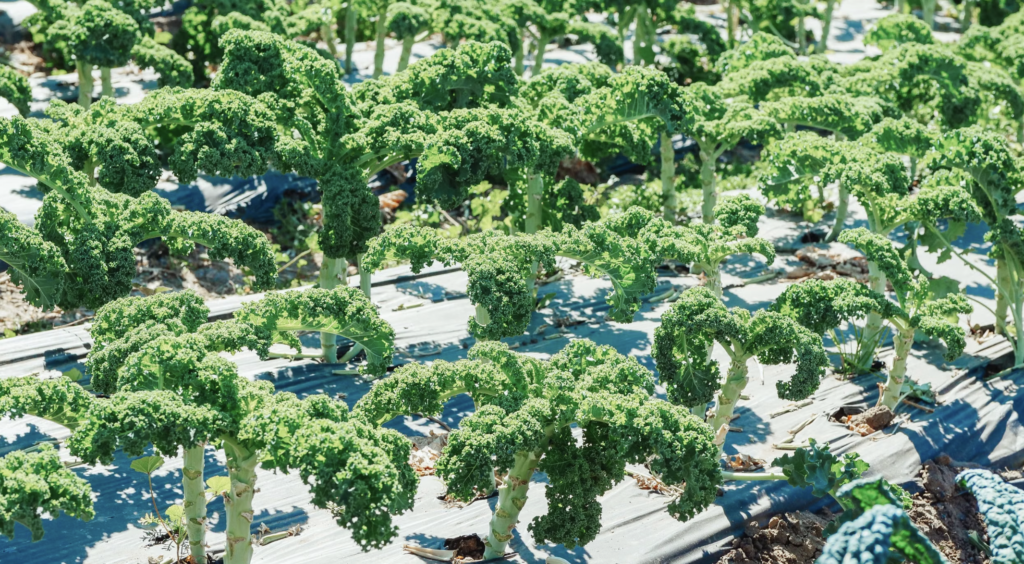
Why Frost Makes Kale Sweeter (The Science)
This isn’t gardening folklore; it’s plant chemistry, and it’s the single best reason to grow kale in cool weather.
When temperatures drop, kale faces a problem: the water inside its cells could freeze and rupture them. So the plant defends itself by converting stored starch molecules into sugars, which act like a natural antifreeze, lowering the freezing point inside its tissues. The plant is protecting itself and the delicious side effect is that its leaves genuinely become sweeter and nuttier.
It gets better. Harvesting after a light frost or two doesn’t just improve flavor; research indicates it can boost antioxidant content such as the anthocyanins in purple varieties by as much as 40%. So frost-kissed kale isn’t just tastier, it’s measurably more nutritious.
The flip side explains kale’s other reputation. In summer heat, growth speeds up but flavor turns tough and bitter, and plants are prone to bolting. Same plant, completely different vegetable. Cool weather is not a compromise for kale, it’s the whole point.
It’s worth knowing what you’re growing, too. Kale (Brassica oleracea) is a non-heading member of the cabbage family, a cousin to broccoli, cauliflower, and Brussels sprouts. Unlike most of those relatives, it doesn’t need to form a head before you can eat it, every leaf is usable from the moment it’s big enough to pick, which is a large part of why it’s so productive and so forgiving for beginners.
The Preconditioning Rule Nobody Mentions
Here’s an insight that quietly explains a lot of winter kale failures, and most guides skip it entirely: a plant’s cold tolerance depends on what came before it.
Kale that has spent weeks basking in mild autumn weather and is then slammed by a sudden drop to 22°F can be seriously damaged, even though “kale is hardy to well below that.” But a plant that has been gradually toughened by a series of progressively colder nights will shrug off the same temperature without blinking.
The practical takeaway: kale acclimates. Gradual cooling builds hardiness; sudden shocks break it. This is exactly why fall-planted kale that experiences a natural, slow slide into winter outperforms kale that gets rushed outside or coddled under cover and then suddenly exposed. It’s also why an unseasonable early cold snap does more damage than a much harder freeze in January. Let your kale meet the cold slowly and it will handle far more than you’d expect.
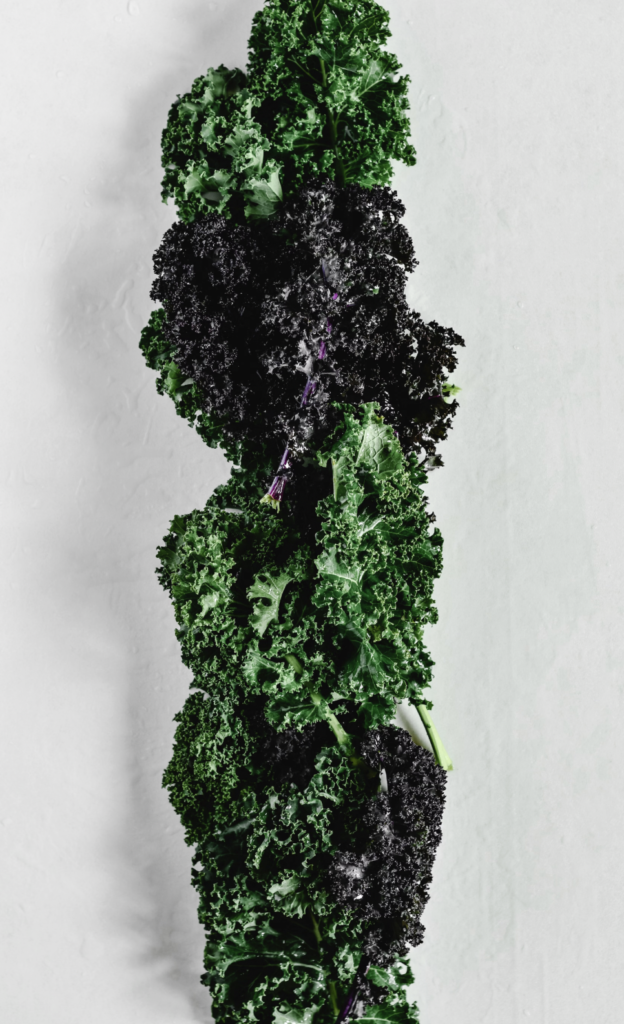
Choosing Cold-Hardy Kale Varieties
Not all kale handles cold equally, and here’s a genuine surprise: the fashionable Lacinato (dinosaur) kale is actually one of the less cold-hardy types, along with tender Portuguese kale. The unglamorous curly and Russian types are the true winter warriors.
| Variety | Hardiness | Why Grow It |
|---|---|---|
| Winterbor | Exceptional — survives to around −10°F | The cold-season superstar; vigorous, 2 ft tall, deeply ruffled blue-green leaves, mild flavor |
| Red Russian | Very hardy | Sweetens beautifully after frost and regrows fast in spring; oak-leaf shape, purple veins |
| True Siberian | Extremely hardy | Large frilly blue-green leaves; pick all winter in many areas |
| Vates Blue Curled | Hardy | Slow to bolt and doesn’t yellow in cold weather |
| Redbor | Very hardy | Intense purple-burgundy curled leaves — stunning in winter salads |
| Lacinato (Dinosaur) | Moderate | Delicious and heat-tolerant, but more frost-sensitive; protect in hard freezes |
| Portuguese (Tronchuda) | Least hardy | The most tender kale — best as a warm-season snacking green |
The smart play: grow a mix. Pair a bulletproof variety like ‘Winterbor’ or ‘Red Russian’ for genuine winter harvests with something like Lacinato for flavor and tenderness in the milder months. That way you’re covered in every season, and you get a range of colors, textures, and flavors on the plate rather than one note.
When to Plant Kale
Timing is everything, because the goal is always the same: have your kale maturing in cool weather.
For a spring crop: direct sow or transplant 3 to 6 weeks before your average last spring frost. Kale seeds germinate in soil as cool as 40–45°F, so you can start remarkably early. The aim is a good harvest before real summer heat arrives. Our seed starting guide covers indoor starts, and what to plant in early spring helps with timing.
For a fall and winter crop (the best one): direct sow 60 to 90 days before your first fall frost, generally late July through August once the fiercest heat has passed. This is the crop that matures into cooling weather and delivers that famous sweetness. See what to plant in late summer for the full fall lineup.
In hot climates (zones 9–10): skip summer entirely and sow from October through February, growing kale right through your mild winter.
Check your local first and last frost dates to pin down your windows, and if you garden somewhere cold, our USDA Zone 5 and Zone 7 guides offer regional context.
How to Grow Kale: Step-by-Step
- Step 1: Pick a Sunny Spot With Rich Soil
Kale wants at least 6 hours of sun and fertile, well-draining soil rich in organic matter, with a pH around 6.5 to 6.8. Work in several inches of aged compost before planting, kale is a leafy crop and appreciates the fertility. In-ground beds, raised beds, and containers all work beautifully.
- Step 2: Sow or Transplant at the Right Depth and Spacing
Sow seeds about ¼ to ½ inch deep, or set out transplants at the depth they grew. Space plants 18 to 24 inches apart, it looks absurdly generous when they’re tiny, but mature kale gets big, and crowded plants produce smaller, more bitter leaves with worse airflow.
- Step 3: Water Consistently (This Is the Flavor Lever)
Kale needs about 1 to 1.5 inches of water per week, kept evenly moist. This matters more than people realize: drought-stressed kale turns bitter and tough. Consistent moisture is what produces tender, mild, sweet leaves. Water at the soil line and check often in warm weather.
- Step 4: Mulch to Keep Roots Cool
A layer of straw or shredded leaves around the base holds moisture and keeps the root zone cool, which directly improves flavor in warmer weather and insulates roots when winter arrives. Our types of mulch guide can help you choose.
- Step 5: Feed Monthly While Actively Growing
Feed monthly through summer and early autumn with a liquid organic fertilizer like fish emulsion, or side-dress with compost, to keep a steady supply of leaves coming. Once cold weather settles in and growth slows, you can stop. Our homemade organic fertilizer guide has low-waste options, and NPK ratios explains the numbers.
Harvesting Kale (Cut-and-Come-Again)
Kale is a cut-and-come-again champion, and harvesting it correctly is what turns one plant into months of food.
The method: never pull up the whole plant. Instead, pick the outer, lower leaves , the oldest ones. while leaving the central growing point untouched. Kale grows from the center outward, so as long as that crown keeps producing, you can harvest the same plant again and again. This is the identical technique that makes leaf lettuce a continuous crop.
Timing: baby leaves are ready in about 3 to 4 weeks, full-size leaves in 6 to 8 weeks. Harvest a fistful at a time roughly a handful of outer leaves per plant and never strip more than about a third of the plant at once.
In deep cold: take only the outer leaves so you don’t stress a plant that isn’t actively regrowing, and harvest around midday, when leaves are less brittle. Frozen kale leaves shatter like glass if you handle them at dawn; give them a few hours to soften first.
The rhythm: a single well-tended kale plant can produce for six months or more. And here’s a lovely bonus, kale is a biennial, so overwintered plants throw out fresh leaves weeks before anything else is ready in spring, and many send up sweet, tender, edible flower shoots before they finally bolt in their second year.
Growing Kale Through Winter
This is where kale becomes genuinely magical. In zones 7 and warmer, kale often needs no protection at all, many gardeners harvest straight from the snow all winter. In zones 5 and 6, a little help keeps it going through remarkable cold:
- Mulch heavily. A thick layer of straw or shredded leaves around the base insulates the roots. Apply it after the first hard frost.
- Use a low tunnel. Hoops with frost cloth or plastic sheeting can keep kale alive down to around −10°F. In the coldest stretch, doubling the frost cloth adds warmth without losing airflow. See our guides to building a cold frame, a hoop house or low tunnel, and using row covers.
- Let the snow stay. Snow is a genuinely excellent insulator, don’t rush to brush it off your plants.
- Watch for overheating. On sunny winter days, a sealed tunnel can cook plants. Choose a design you can roll back to ventilate.
The best part of a winter kale patch is how little it asks. Once cold sets in, there’s no weeding, no watering, and essentially no pests, you simply walk out and pick. Our winter garden prep guide and growing vegetables in winter cover the wider cold-season garden.
In our experience, the gardeners who eat homegrown greens in January aren’t doing anything clever in December, they’re doing something simple in August. Winter kale is almost entirely a timing crop. Sow it in late summer so the plants are big and well-rooted before the cold arrives, and they’ll coast through months of freezing weather on the strength of that head start. Try to plant kale in October and you’ll get a row of struggling seedlings that never size up. The work is front-loaded; the winter itself is the easy part.
Growing Kale in Containers
Kale takes to pots readily, which makes it a great choice for patios and balconies. Use a container at least 12 inches deep and wide per plant, filled with quality potting mix and compost. Compact varieties like ‘Dwarf Green Curled’ are ideal.
Two container notes: pots dry out faster, and dry kale is bitter kale, so check moisture often. And potted roots are more exposed to cold than in-ground ones, so in a hard freeze, move the container against a sheltered wall or wrap it. Our container gardening guide for beginners covers the basics.
Storing and Using Your Kale
Fresh kale keeps for about a week stored loosely in a plastic bag in the fridge, though with a winter patch outside, the best “storage” is simply leaving it on the plant and picking as needed.
For a glut, kale freezes beautifully. Wash the leaves, strip out the tough central stems, blanch them in boiling water for two to three minutes, then plunge them into ice water to stop the cooking and lock in the color. Squeeze out the excess water, pack, and freeze. For maximum quality, harvest the leaves you plan to freeze after a light frost or two, you’ll be preserving them at their absolute sweetest and most antioxidant-rich.
In the kitchen, kale is endlessly useful: massaged raw into salads (young leaves are best), sautéed with garlic, crisped into chips, stirred into soups and stews where it holds its texture far better than spinach, or blitzed into smoothies. It’s one of the most nutrient-dense foods you can grow, loaded with vitamins A, C, and K, calcium, and antioxidants.
Common Problems and How to Fix Them
| Problem | Likely Cause | The Fix |
|---|---|---|
| Bitter, tough leaves | Summer heat or drought stress | Plant for a fall harvest; water consistently; mulch roots |
| Plant bolted (flower stalk) | Heat, or it’s a second-year biennial | Grow in cool seasons; replant; eat the sweet flower shoots |
| Small leaves, weak plants | Overcrowding | Space 18–24 inches apart |
| Damage after a sudden cold snap | No preconditioning — mild weather then a sharp freeze | Let plants acclimate gradually; cover before unseasonable drops |
| Leaves shattering when picked | Harvesting frozen leaves at dawn | Harvest midday when leaves have softened |
| Ragged holes in leaves | Cabbage worms, loopers, aphids | Use row covers; encourage beneficial insects; hand-pick |
| Plant cooked under cover | Sealed tunnel on a sunny winter day | Ventilate; use a design you can roll back |
| Yellowing lower leaves | Natural aging, or needs feeding | Remove old leaves; feed while actively growing |
For pests, kale’s biggest summer nuisances are cabbage worms and aphids one more reason a fall crop is easier, since cold weather largely ends the pest problem for you. Our guide to beneficial insects can help during the warm months.
Is Growing Kale Worth It?
Enormously. If you can grow weeds, you can grow kale. It’s the toughest, most forgiving, most productive green in the garden: a single plant feeds you for months, it laughs at frost, it needs almost no work in winter, and it tastes best exactly when everything else is dead. Add in the nutrition, it’s one of the most vitamin- and mineral-dense vegetables you can eat, and even more so after a frost and it’s hard to think of a better use of a square foot of soil.
Ready to build a cool-season garden around it? Kale pairs perfectly with other cold-hardy crops. Try leaf lettuce for continuous harvest, spinach year-round, or carrots in raised beds which frost sweetens by the very same mechanism. Explore the full Vegetables collection, part of the broader EcoGardenHub Plant Library.
Sow a few seeds in late summer, let winter do the seasoning, and go pick your dinner out of the snow. It’s the closest thing gardening offers to a free lunch and it arrives exactly when you need it most.
Frequently Asked Questions
- Does frost really make kale sweeter? Yes, and it’s real chemistry. Cold prompts kale to convert stored starches into sugars as natural antifreeze to protect its cells. The result is sweeter, nuttier leaves and research suggests frost can also boost antioxidant content by up to 40%.
- How cold can kale tolerate? Very cold. Mature plants of hardy varieties like ‘Winterbor’ can survive to around −10°F, and kale keeps growing until roughly 20°F. Crucially, tolerance depends on preconditioning, a plant gradually hardened by cool weather handles far more than one hit by a sudden freeze.
- When should I plant kale? Sow 3 to 6 weeks before your last spring frost for a spring crop, or 60 to 90 days before your first fall frost for a sweeter fall and winter crop. In hot climates, plant from October through February and skip summer entirely.
- What is the most cold-hardy kale variety? ‘Winterbor’ is the standout, surviving to around −10°F, with ‘Red Russian’, ‘True Siberian’, and ‘Redbor’ close behind. Note that popular Lacinato (dinosaur) kale is actually less cold-hardy than curly types.
- How do I harvest kale so it keeps growing? Pick the outer, lower leaves and leave the central growing point intact kale grows from the center outward. Take no more than about a third of the plant at a time, and one plant can produce for six months or more.
- Why is my kale bitter? Bitterness comes from heat and drought stress. Kale grown in summer or allowed to dry out turns tough and bitter, while cool weather and consistent moisture produce sweet, tender leaves. Mulch to keep roots cool.
- Can kale survive winter without protection? In zones 7 and warmer, usually yes many gardeners harvest kale from the snow with no cover at all. In zones 5 and 6, mulch heavily and use a low tunnel or row cover to keep plants producing through hard cold.