


Growing the beloved Honeycrisp apple is an endeavor that countless orchardists and home gardeners look forward to with great anticipation. Known for their tantalizing texture and delightful flavor, these apples demand premium prices, making them a valuable asset to any growing operation. However, growing them successfully warrants an understanding of their unique needs and characteristics. Whether you’re a beginner or an experienced gardener, this comprehensive guide will help you cultivate Honeycrisp apples effectively.
Understanding Honeycrisp Apples
What Makes Honeycrisp Unique?
The Honeycrisp apple is celebrated for its explosive crispness a textural quality often described as a “fracture” bite. This characteristic is largely due to its distinct cellular structure, which contributes to the apple’s high sugar-acid balance, a hallmark of its universally adored flavor. Consumers consistently demand Honeycrisp apples, allowing them to command premium prices in markets. For home growers, this translates into not only a tasty reward but potentially lucrative returns from selling surplus produce.
Botanical Background and Breeding History
Originating from the meticulous breeding efforts at the University of Minnesota, the Honeycrisp apple’s lineage is nothing short of fascinating. It was developed as a cross between Macoun and Honeygold apples, selected for its ability to thrive in colder climates. This cultivar’s cold-hardy tendency stems from its robust breeding heritage, particularly ideal for northern climates. Unlike older cultivars such as McIntosh or Red Delicious, the Honeycrisp is renowned for its distinct physiological traits, which contribute significantly to its hardiness and unique flavor profile.
Growth Habit and Tree Characteristics
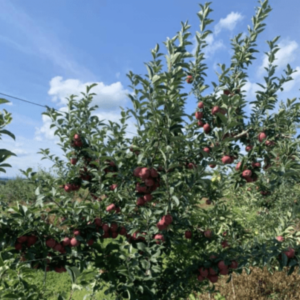
Understanding the growth habit and tree characteristics of Honeycrisp apples is crucial for effective management. They exhibit noteworthy rooting behavior and a structured canopy, often demonstrating a mix of spur and tip-bearing tendencies. These trees possess a natural vigor that demands careful consideration of pruning and training techniques to manage their growth efficiently. Moreover, Honeycrisp apples display biennial bearing tendencies
a physiological trait that requires strategic management to ensure consistent yearly yields.
Choosing and Sourcing Honeycrisp Trees
Rootstock Selection and Tree Size
Choosing the right rootstock is pivotal in determining the success of Honeycrisp apple trees. Common rootstocks such as M.26, M.9, M.7, B.9, and various G-series rootstocks profoundly influence the final tree size, cold hardiness, and drought tolerance. These rootstocks also impact the tree’s precocity how soon it will begin to bear fruit along with disease resistance and anchorage. For backyard gardeners, dwarfing rootstocks might be preferred to maintain manageable tree sizes. Conversely, small-scale orchards might opt for semi-dwarf rootstocks, striking a balance between size, yield, and resource management.
Where to Buy Quality Honeycrisp Trees
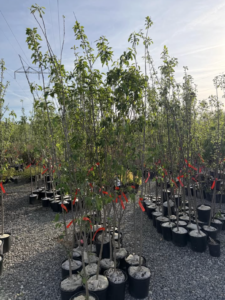
Selecting top-quality Honeycrisp trees begins with purchasing from reputable sources. While big-box garden centers offer convenience, certified nurseries ensure access to virus-indexed and true-to-name stock, which are vital for achieving healthy growth and reliable fruit production. Consider whether to buy one-year whips or feathered maidens; one-year whips are typically easier to train, while feathered maidens may produce fruit sooner.
Pollination Requirements and Companion Varieties
Honeycrisp trees, unfortunately, are poor self-pollinators, necessitating additional planning around pollination. Selecting cultivars that bloom simultaneously is essential for effective cross-pollination. Compatible pollinizer cultivars should be planted within suitable distances and ratios to ensure bountiful fruiting. Additionally, wild crabapples or nearby orchards can play a supportive role in enhancing pollination prospects.
Site Selection and Climate Considerations
Ideal Climate Zones for Honeycrisp
Honeycrisp apples thrive best within USDA Hardiness Zones 3 to 7, regions that provide the necessary chilling requirements crucial for quality fruit development. These zones specifically offer the optimal growing degree days required for Honeycrisp apples to mature to their desired flavor and texture standards.
Yet, Honeycrisp has its quirks; a little too much summer heat can negatively affect its esteemed fruit quality, leading to softer textures and less crisp crunch than the standard tolls.
Sunlight, Airflow, and Frost Risk
Location is key when planting Honeycrisp apple trees. A site receiving ample daily sunlight is critical for developing the high-sugar content these apples are known for. Ensuring good airflow is also essential to prevent diseases and frost pockets from forming. Choosing a location with effective cold-air drainage helps avoid frost damage, while considering slope orientation be it north or south-facing, can further optimize sunlight exposure and growth conditions.
Advanced Climate Troubleshooting
Growing Honeycrisp apples in marginal climates demands strategic approaches to combat adverse conditions. In warmer areas, techniques such as using reflective mulches, shade cloth, or evaporative cooling can help manage heat stress and prevent fruit softness. In colder climates, winter injury, sunscald, and bark splitting are concerns where methods like whitewashing trunks or using trunk wraps and managing snow cover can help mitigate damage. Additionally, growers dealing with late spring frosts can explore the use of row covers, conceptual wind machines, or microsprinkler frost protection systems to safeguard their budding trees.
Soil Requirements and Site Preparation
1. Soil Type, Texture, and Structure
Honeycrisp apples are particular about their footing, thriving predominantly in loam to sandy loam soils. These soil types offer the drainage necessary for healthy tree growth, avoiding the perils of waterlogging which can lead to root diseases. In cases of heavy soils, implementing raised beds or mounded rows is an effective measure to enhance drainage and soil structure.
2. Soil Chemistry for Honeycrisp: pH and Nutrient Balance
Understanding the soil chemistry is equally as crucial as selecting the right soil type. Honeycrisp apples prefer a moderately acidic to neutral pH range, which optimizes nutrient availability and uptake. Balancing the interactions of calcium, magnesium, and potassium in your soil management practices is key to avoiding disorders like bitter pit and ensuring robust, healthy fruit development.
Growing Honeycrisp Apples: Optimizing Irrigation, Fertilization, and Pruning for Maximum Yield
Successfully growing Honeycrisp apples requires more than just planting the tree; it involves carefully managing irrigation schedules, selecting appropriate fertilizer N-P-K ratios, and mastering apple tree pruning techniques. By integrating these crucial horticultural practices, you can promote healthy growth, increase fruit production, and reduce the risk of honeycrisp apple pests. This section will delve into detailed guidance on irrigation, fertilization, and pruning tailored specifically for Honeycrisp apple trees.
Irrigation Schedules for Growing Honeycrisp Apples
Consistent and balanced watering is critical when growing Honeycrisp apples, as water stress negatively affects both fruit size and quality. Proper irrigation supports nutrient uptake, flower bud development, and overall tree vigor.
Seasonal Watering Needs
- Spring and Early Summer: During the active growth phase, Honeycrisp apple trees require moderate moisture levels to support leaf and shoot development. Aim to supply approximately 1 to 1.5 inches of water per week through rainfall and supplemental irrigation.
- Fruit Development Stage (Mid-Summer): This period demands even more attention. Adequate moisture, generally about 1.5 to 2 inches weekly, prevents fruit drop, reduces stress-related disorders like bitter pit, and encourages larger apples.
- Late Summer to Early Fall: As harvest approaches, gradually taper watering to encourage fruit maturity and reduce disease issues caused by excess moisture.
- Dormant Season: Minimal watering is needed during the resting phase, except in cases of prolonged drought.
Irrigation Techniques
- Drip Irrigation: Highly recommended for efficient water use and targeted delivery around the root zone. Drip systems also minimize wetting of foliage, helping control honeycrisp apple pests and diseases.
- Soaker Hoses: An alternative to drip systems, especially suitable for home gardens.
- Avoid Overhead Sprinklers: These can encourage fungal diseases by wetting leaves and fruit.
Soil Moisture Monitoring
Use tensiometers or soil moisture sensors to maintain optimal soil moisture levels. The best soil for apple trees should be kept consistently moist but not saturated, facilitating healthy root development and nutrient uptake.
Fertilizer N-P-K Ratios for Honeycrisp Apple Trees
Fertilizer management is pivotal in growing Honeycrisp apples, impacting vegetative growth, fruit size, and overall tree health. The right balance of nitrogen (N), phosphorus (P), and potassium (K) is essential, but these levels should be adjusted based on soil tests and tree age.
Understanding Nutrient Needs
- Nitrogen (N): Promotes leafy growth and overall vigor but excessive nitrogen can delay fruiting and increase susceptibility to pests.
- Phosphorus (P): Supports root development and flower initiation.
- Potassium (K): Crucial for fruit quality, size, color, and stress tolerance.
Recommended Fertilizer Ratios
For growing Honeycrisp apples, a balanced approach typically involves:
- Early Season (Pre-Bloom to Fruit Set): Apply a nitrogen-heavy formulation such as 10-5-10 to encourage canopy development. Avoid over-application to prevent excessive vegetative growth.
- Mid-Season (Fruit Development): Switch to higher potassium to enhance fruit quality with ratios like 5-10-20.
- Late Season: Minimal fertilization; focus on maintaining soil health and preparing the tree for dormancy.
Application Rates
– For young Honeycrisp apple trees (1-3 years), apply about 0.25 pounds of actual nitrogen per tree per year, divided over 2-3 applications.
– Mature trees (4+ years) may require up to 1 pound of nitrogen annually, split into an early-spring and mid-summer dose.
Fertilizer Tips
– Incorporate fertilizers into the soil around the drip line rather than at the trunk base.
– Combine with organic matter like compost to improve soil structure and nutrient availability.
– Monitor foliage and soil nutrient levels for tailored adjustments.
Apple Tree Pruning Techniques for Honeycrisp Apples
Pruning is indispensable in maximizing fruit production while managing tree size and shaping structure. Proper apple tree pruning enhances light penetration and air circulation, reducing honeycrisp apple pests and improving fruit quality.
When to Prune:
- Dormant Season Pruning (Late Winter to Early Spring): The ideal time for major pruning cuts before bud break.
- Summer Pruning: Supplemental pruning may be done to control excessive vigor and remove water sprouts or unwanted growth.
Types of Pruning Cuts
- Thinning Cuts: Remove entire branches back to their point of origin to open the canopy.
- Heading Cuts:** Trim part of a branch to promote lateral growth and encourage fruiting spurs.
Pruning Objectives for Honeycrisp Apples
- Maintain a Central Leader Structure: Encourage one dominant upright leader with evenly spaced scaffold branches. This structure supports balanced fruiting and structural stability.
- Remove Suckers and Water Sprouts: These vigorous shoots divert energy from fruit production.
- Manage Tree Height and Width: Control growth to facilitate easier harvest and maintenance, especially in home gardens.
- Thin Fruit Spurs: Moderate fruiting wood to balance fruit size and prevent overbearing.
Step-by-Step Winter Pruning Guide
1. Remove Dead, Diseased, or Damaged Wood: Cut back to healthy tissue to prevent pest and disease problems.
2. Cut Crossing Branches: Eliminate branches that rub together to avoid wounds.
3. Open the Canopy: Thin crowded areas to allow light to reach interior leaves and fruits.
4. Shorten Last Year’s Growth: Cut back overly long shoots by one-third to stimulate fruit bud formation.
5. Encourage Fruiting Spurs: Retain short, stubby lateral branches that produce apples.
Pruning Tools and Safety
– Use sharp hand pruners for small branches and loppers or pruning saws for larger limbs.
– Sterilize tools between cuts to prevent disease spread.
– Always wear protective gloves and eyewear.
Integrating Pruning and Fertilization for Better Fruit Production
Balanced vegetative growth fosters optimal fruit development. Prune to control excess shoots that result from high nitrogen levels, and adjust fertilizer to support the tree’s energy needs without encouraging unchecked canopy expansion.
Conclusion: Harmonizing Irrigation, Fertilization, and Pruning
Growing Honeycrisp apples at home becomes manageable when you apply precise irrigation schedules, tailor fertilizer N-P-K ratios, and adopt effective apple tree pruning techniques. Maintaining adequate soil moisture in the best soil for apple trees, providing balanced nutrient supplies, and sculpting the tree structure directly influence fruit yield quality and pest resilience. Properly grown Honeycrisp apples will reward your effort with crisp, flavorful fruit season after season.
By focusing on these core horticultural techniques, gardeners can elevate their Honeycrisp apple harvests, contributing to the orchard’s overall sustainability and productivity. In the next section, we will cover optimal harvesting practices and post-harvest storage tips to maximise fruit shelf life and quality.