


Welcome to the complete guide on growing Cavendish bananas in your garden. As one of the most favored bananas worldwide, understanding this plant’s unique needs and characteristics will set you on the path to cultivating a thriving banana crop.
Understanding the Cavendish Banana
What Is a Cavendish Banana?
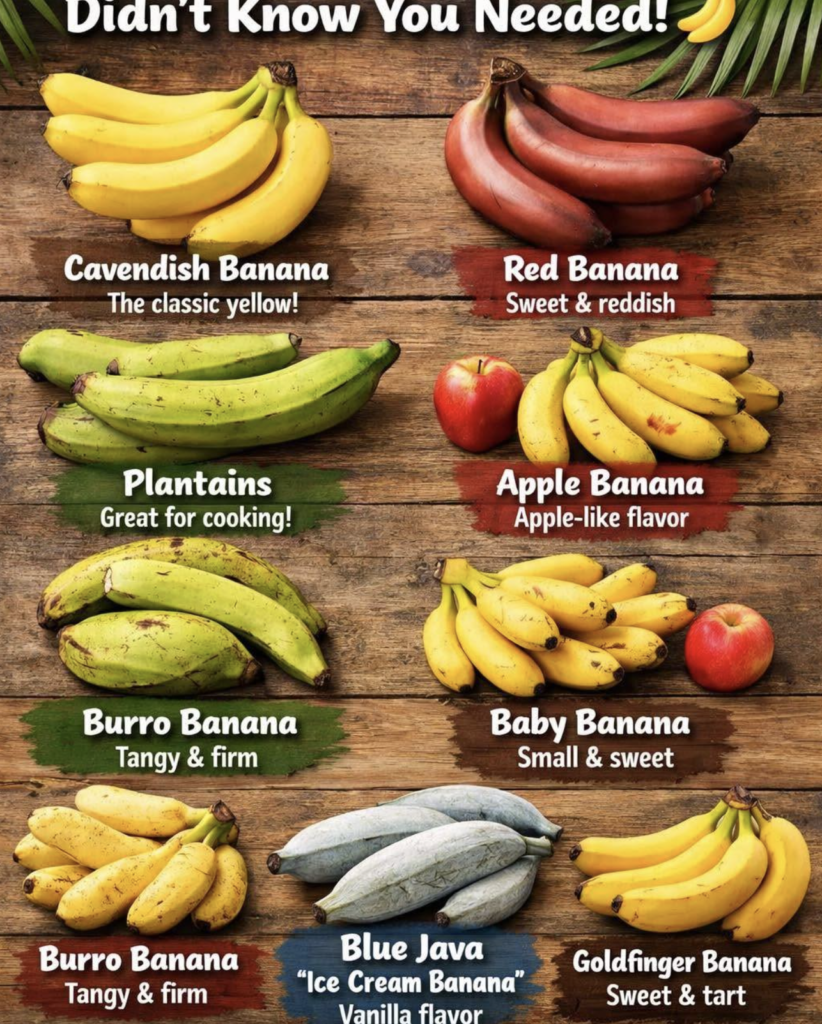
To appreciate the Cavendish banana’s appeal, it’s essential to know what sets it apart from other banana varieties. Part of the dessert banana category, Cavendish bananas differ from plantains, which are starchy and require cooking. The dessert variety offers sweet, soft fruit ideal for fresh consumption. Importantly, Cavendish bananas are seedless and parthenocarpic, meaning they develop fruit without the need for pollination—a significant distinction from their wild counterparts that contain numerous seeds.
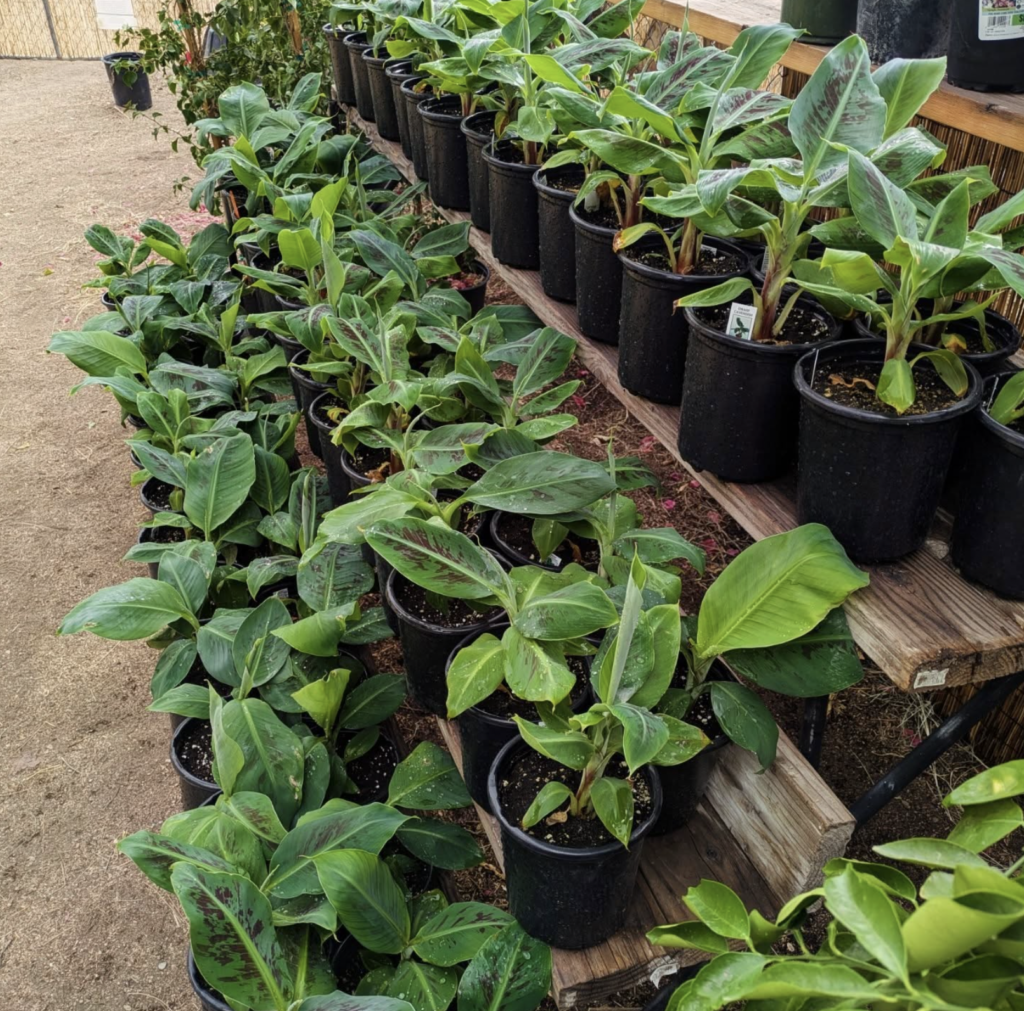
Common cultivars within the Cavendish group include the Dwarf Cavendish, Grand Nain, and Williams bananas. Each variety has its unique traits, but all share the general characteristics that make them popular in global trade.
Botanical Classification and Plant Anatomy
The Cavendish banana belongs to the taxonomy of “Musa acuminata“, within the AAA group, highlighting its genetic divergence from other Musa species. Sometimes misunderstood as trees, bananas are actually perennial herbs with a pseudostem made up of tightly packed leaf sheaths a fascinating evolutionary trait!
Understanding banana plant anatomy is key for successful cultivation. The corm, often referred to as the rhizome, serves as the plant’s energy reservoir, facilitating new growth. Bananas also produce suckers, which can be harvested and replanted for propagation.
The pseudostem and leaf are marvels on their own. The pseudostem forms from overlapping leaf sheaths, while the leaves include a petiole (stalk) and lamina (blade). As the plant matures, it produces an inflorescence composed of male and female flowers organized into hands and fingers, eventually becoming clusters of bananas.
A Brief History of Cavendish Bananas
The Cavendish banana traces its origins to Southeast Asia. It became the leading banana variety on global markets after successfully replacing the Gros Michel variety, which succumbed to Panama disease (Fusarium wilt TR1). This transition marked a significant chapter in agricultural history, as Cavendish bananas were not only more resistant to this disease but also suited to mass cultivation.
Today, Cavendish bananas are essential in international trade, while also thriving in backyard gardens, thanks to their adaptability and prolific fruiting capacity.
Climate and Hardiness
Having a healthy banana plant heavily depends on understanding its climatic preferences, particularly if you’re planning to grow them in the U.S.
USDA Hardiness Zones 9–11
The Cavendish banana thrives in warm climates, making USDA Hardiness Zones 9-11 ideal for outdoor growth. These zones represent regions with mild winters and minimal frost, which is crucial for banana plants as they are extremely frost-sensitive. If you live in these zones, you’ll find that bananas can be cultivated year-round with minimal risk of cold damage.
Cavendish bananas require a temperature range of 60-80°F (15-27°C) for optimal growth. In these zones, the temperature rarely dips below 20°F (-6°C), which makes it feasible for the plant to maintain vegetative health even in cooler months. Protecting your plants with frost cloths or by moving potted plants indoors during colder spells is wise to prevent potential damage, especially in the fringes of Zone 9.
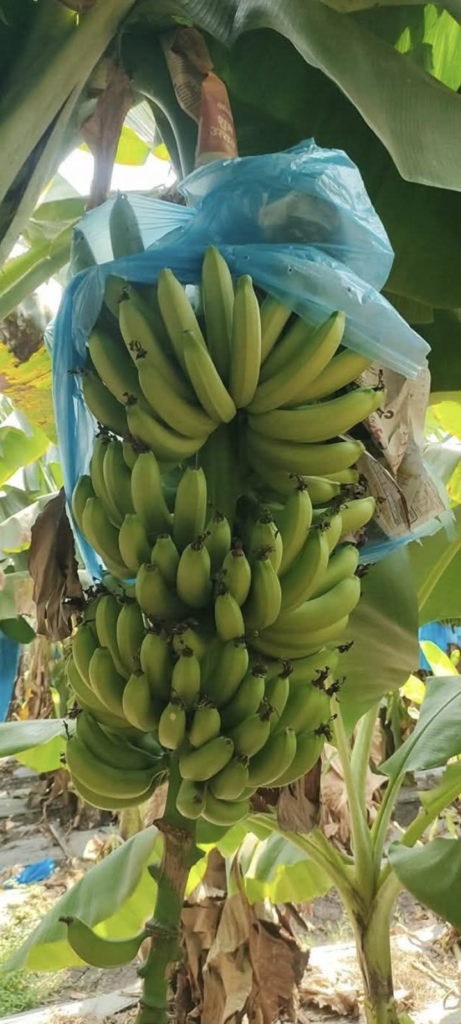
In warm, frost-free climates, Cavendish bananas benefit from long growing seasons, leading to larger fruit bunches and faster maturation. A key consideration is humidity, as bananas appreciate a humid environment. While higher temperatures encourage rapid growth, adequate humidity helps maintain healthy leaf tissue and prevents desiccation.
In addition to temperature and humidity, wind exposure is a factor in these zones. Being in wind-prone areas can cause damage; thus, providing protection like windbreaks will ensure your banana plants mature without setbacks from environmental stressors.
Soil Requirements and Chemistry for Cavendish Bananas
Ideal Soil Texture and Structure
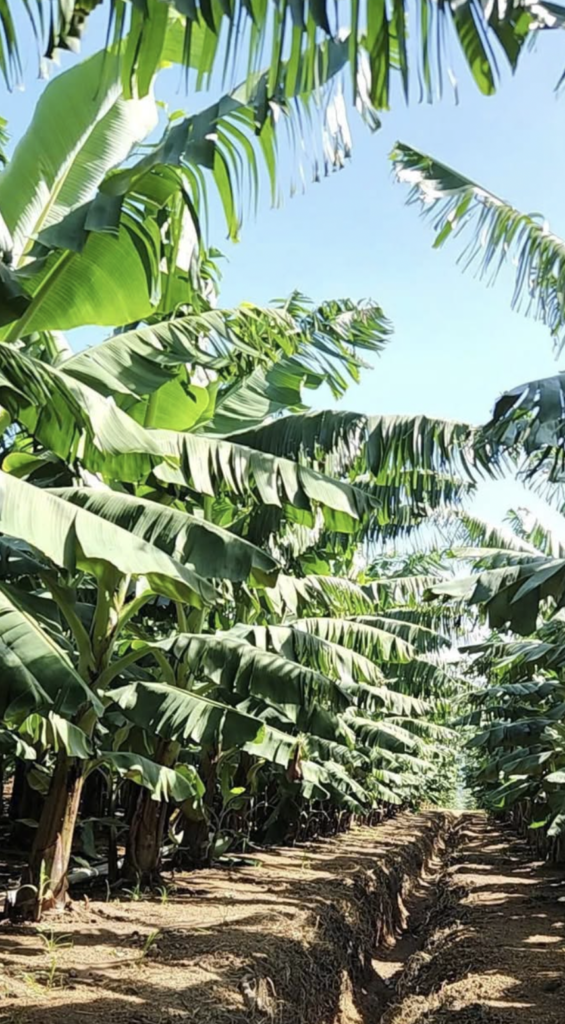
For Cavendish bananas, soil texture and structure directly influence root health and nutrient uptake. They flourish in deep, well-aerated loams or sandy-loams, which promote healthy root penetration and drainage. Their extensive root systems necessitate soil that doesn’t compact excessively, as this can restrict growth and nutrient uptake, ultimately impacting overall plant vitality.
Organic matter plays a pivotal role, acting as a natural conditioner that enhances soil water retention and nutrient availability. Aim for a rich mix with ample organic material to buffer nutrient leaching and maintain a conducive environment for beneficial microorganisms.
Soil pH and Cation Exchange Capacity (CEC)
Cavendish bananas thrive with a soil pH range between 5.5 and 7.0. Maintaining this pH balance ensures that essential nutrients like nitrogen (N), phosphorus (P), and potassium (K) are available in optimal quantities, as extreme pH levels can lead to nutrient lock-up or deficiency.
Cation Exchange Capacity (CEC) is another vital consideration for banana growers. Soils with high CEC hold on to nutrients more effectively, allowing plants to access essential elements even between fertilization periods. Therefore, understanding and enhancing soil CEC can significantly promote robust growth and yields.
Optimizing Growing Cavendish Bananas: Irrigation, Fertilizer, and Pruning
Successfully growing Cavendish bananas requires a harmonious balance of proper irrigation schedules, tailored fertilization, and disciplined pruning techniques. Mastering these key elements of banana plant care is essential to encourage robust growth, healthy foliage, and prolific fruiting. This section provides detailed guidance on watering regimens, the best banana tree fertilizer formulations based on N-P-K ratios, and pruning methods that maximize your banana harvest.
Irrigation Schedules for Growing Cavendish Bananas
Cavendish banana plants thrive under consistently moist soil conditions but are highly sensitive to waterlogging. Therefore, a thoughtful irrigation approach is vital to maintain optimum soil moisture levels and prevent root diseases such as rot.
Watering Frequency and Volume
- Young Plants and Propagated Suckers: Newly planted banana pups or tissue-cultured plants require frequent watering to establish roots. Water 3-4 times weekly, applying enough water to reach a depth of 12-18 inches.
- Mature Banana Plants: Once established, your banana mat requires deep watering 2-3 times weekly depending on rainfall. During peak summer heat, increase frequency to maintain soil moisture without oversaturating.
- Seasonal Adjustments: In the rainy season, reduce supplemental irrigation to prevent soggy soil. In dry or drought periods, extend watering intervals slightly but ensure plants never go beyond two weeks without water.
Soil Moisture Monitoring
Regularly check soil moisture levels by inserting your finger or a moisture probe 6 inches deep. The soil should feel moist but not waterlogged. If the soil remains soggy for prolonged periods, reduce watering to avoid root hypoxia.
Best Practices
- Use drip irrigation or soaker hoses to deliver water directly to the root zone, minimizing leaf wetness that can foster fungal diseases.
- Mulch heavily around the base with straw, coir, or leaf litter to retain soil moisture and moderate soil temperature fluctuations.
Banana Tree Fertilizer: Choosing the Ideal N-P-K Ratios
Nutrient management through banana tree fertilizer application is the cornerstone of fruitful banana plant care. Cavendish bananas have high nutrient demands, especially for nitrogen (N) and potassium (K), which drive vigorous vegetative growth and fruit development, respectively.
Understanding N-P-K Ratios for Bananas
- Nitrogen (N): Promotes lush leafy growth essential for photosynthesis and energy accumulation.
- Phosphorus (P): Supports root development and early plant establishment.
- Potassium (K): Critical for fruit size, sweetness, and overall plant resilience.
Recommended Fertilizer Regimens
- Young Plants (0-6 months): Apply a balanced fertilizer such as 10-10-10 or one with slightly higher phosphorus like 12-24-12 to encourage root establishment. Use approximately 100 grams per plant monthly.
- Mature, Fruiting Plants: Use a high-potassium fertilizer with an N-P-K ratio around 8-10-30 during the active growth and fruiting stages. Potassium enhances fruit quality and yield. Apply 300-500 grams per application monthly or biweekly during peak growth.
- Supplemental Micronutrients: Cavendish bananas also require micronutrients like magnesium, calcium, and zinc. Consider foliar feeding with micronutrient blends monthly for optimal health.
Fertilizer Application Tips
– Split fertilizer doses through the growing season rather than one heavy application to avoid nutrient leaching and toxicity.
– Apply fertilizers at the root zone but avoid direct contact with the stem to prevent burn.
– Incorporate organic matter such as well-composted manure or green manure before planting to improve soil fertility and structure.
Pruning Techniques to Maximize Fruit Production
Pruning is an often overlooked but highly effective banana plant care practice that improves air circulation, reduces disease incidence, and channels energy towards fruit production.
Types of Pruning for Cavendish Bananas
- Sucker Management:** Cavendish bananas propagate through suckers emerging from the base. Select one or two vigorous suckers to replace the mother plant after fruiting and remove the excess suckers to reduce competition for nutrients.
- Dead and Dying Leaves:** Regularly remove yellowing, dead, or diseased leaves to improve airflow and light penetration within the canopy. This reduces fungal disease risks and enhances photosynthetic efficiency.
- Fruit Stem Pruning:** After harvesting, cut down the spent fruit stem near the base to allow the sucker to take over vigorously. This protects the plant from harboring pests and redirects energy to new growth.
Best Practices for Effective Pruning
- Use clean, sharp pruning tools disinfected with alcohol or bleach solution to prevent spread of pathogens.
- Prune during the dry season or early morning to minimize stress and susceptibility to infection.
- Avoid removing too many green leaves at once – leave at least 6-8 healthy leaves per plant as they are essential for carbohydrate production used during the fruiting phase.
Summary
By following the irrigation schedules outlined above, applying balanced banana tree fertilizer with focus on high potassium content during fruiting, and practicing disciplined pruning and sucker selection, you can optimize growing Cavendish bananas in your home garden. These steps ensure your banana mat remains healthy, vigorous, and productive throughout the growing season.