


To create a sustainable outdoor space that is both beautiful and eco friendly, you must prioritize resource conservation by selecting native plants, installing smart irrigation, and utilizing permeable or reclaimed materials for hardscaping. By working with your yard’s natural conditions such as soil quality and sunlight patterns, you can build a resilient landscape that supports local biodiversity while requiring significantly less maintenance and water.
-
Plant Smarter: Use native and drought-resistant species that thrive in your local climate without heavy fertilizers or pesticides.
-
Conserve Water: Implement drip irrigation, rain barrels, and mulching to minimize evaporation and runoff.
-
Sustainable Hardscaping: Opt for permeable pavers, recycled stone, or reclaimed wood to reduce environmental impact and improve drainage.
-
Support the Ecosystem: Incorporate features like pollinator gardens and bird feeders to create a habitat for local wildlife.
-
Low Maintenance: Replace traditional high-water lawns with ground covers like clover or creeping thyme to save time and resources.
In this guide, you’ll learn how to design a garden that suits your space, lifestyle, and environmental goals with the 8 Steps to create Sustainable Outdoor spaces in 2026
1. Define Your Purpose
The first step is Define your space not just by activity (dining vs. playing) but by sensory intent. Are you creating a “Restorative Zone” for meditation or a “Productive Zone” for urban farming? Design with the intent to connect with nature, ensuring the space serves your mental health as much as your social calendar.
2. Optimize Layout design and Flow
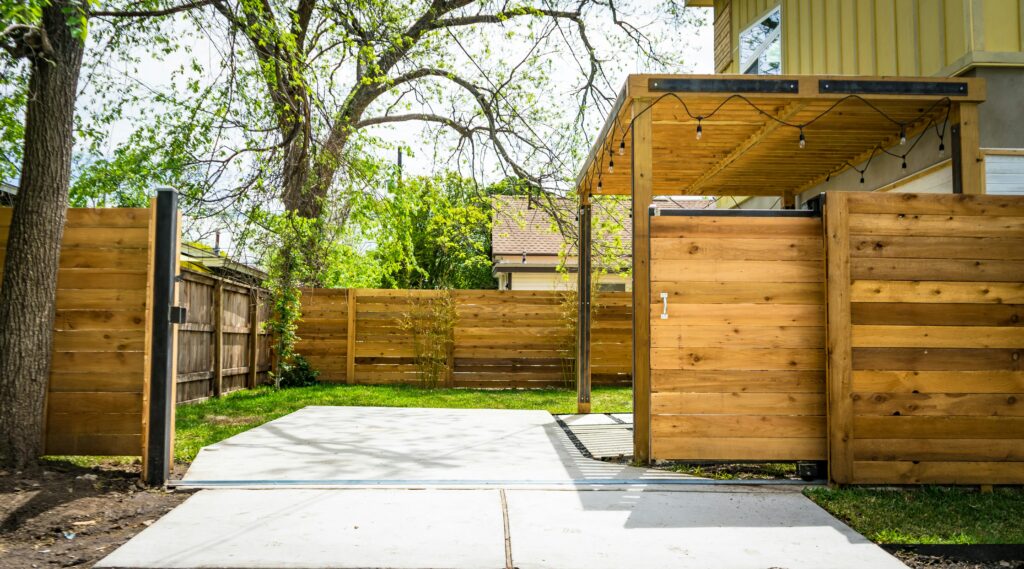
A greatt layout ensures your outdoor space is both functional and attractive. Consider the flow of movement through the area. For larger spaces, create distinct zones for different activities, such as dining, lounging, and playing. in 2026, the Use a “Sponge” layout Instead of traditional concrete paths, use permeable hardscaping (like gravel or spaced pavers) that allows water to recharge the groundwater. Create “Pocket Ecosystems”—dense clusters of native plants—to act as natural air conditioners, cooling the seating areas by several degrees through evapotranspiration.
3. Select the Right Furniture
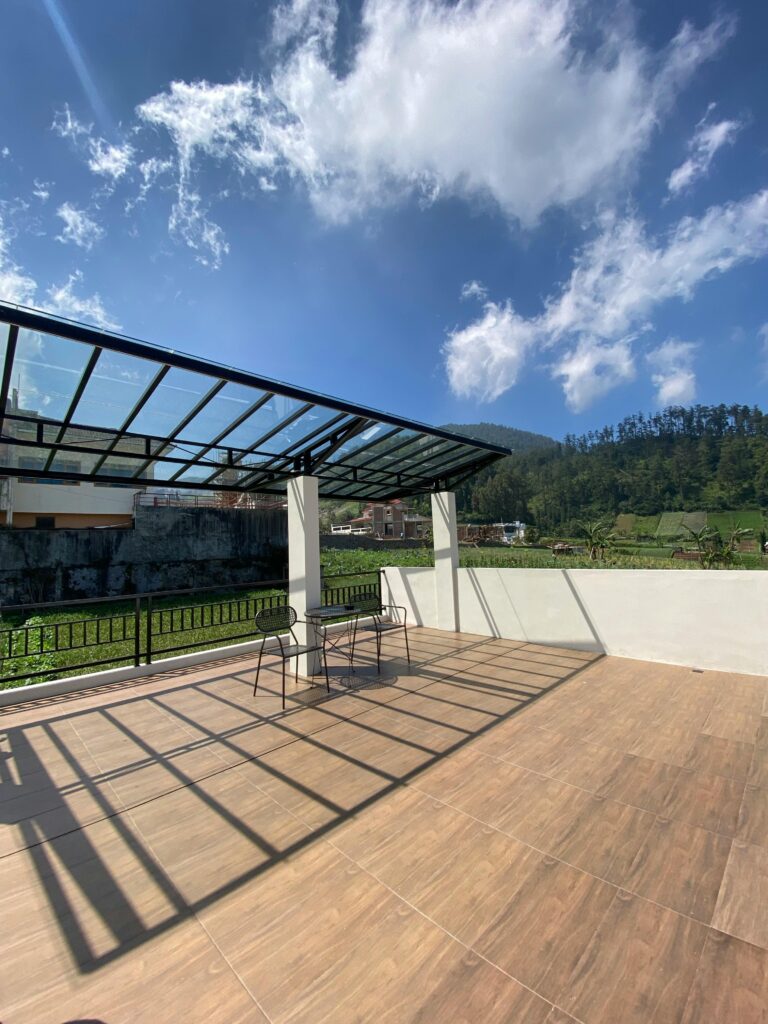
Prioritize Modular & Repairable pieces. Instead of replacing a whole set, choose brands that offer individual part replacements. Look for “Low-Carbon” certifications and materials like recycled aluminum (which uses 95% less energy than virgin ore) or FSC-certified thermally modified timber, which lasts decades without toxic chemical treatments. For dining areas, choose a table that fits your space and accommodates the number of people you typically entertain.
Don’t forget to add side tables for convenience. You can get a glimpse of these design tips in action at Signature Homes move-in ready homes in Lodi.
4. Incorporating Greenery: Keystone Species & “No-Till”
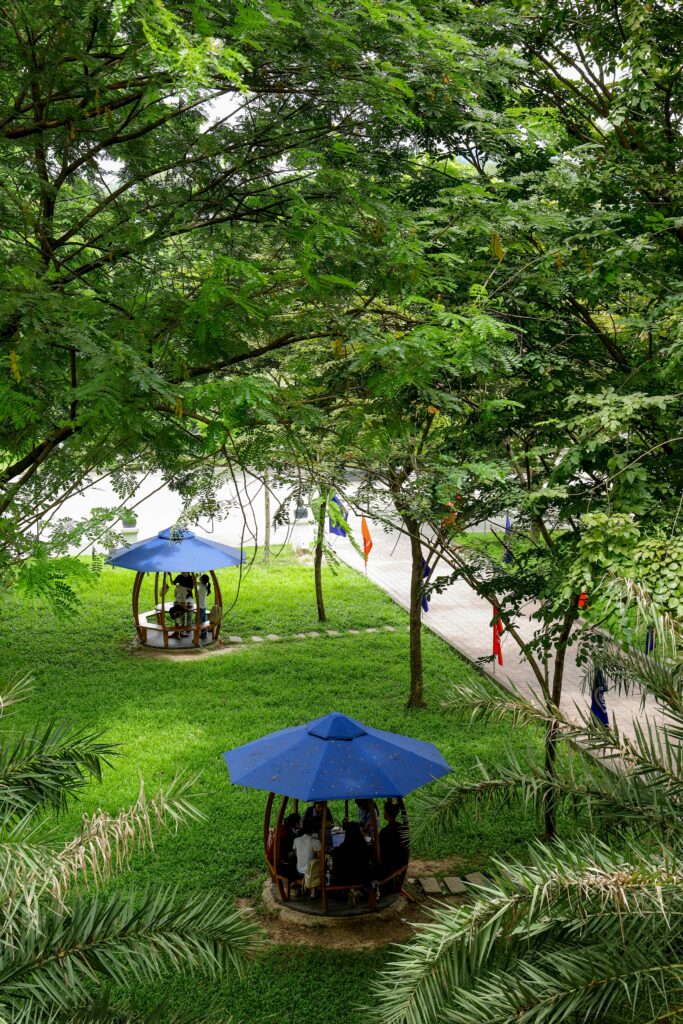
Plants and greenery can transform any outdoor space, adding beauty, tranquility, and a touch of nature. Consider incorporating a mix of plants, including potted plants, hanging baskets, and garden beds. Choose plants that thrive in your climate and are easy to maintain. Move away from decorative annuals and toward Keystone Planting. Use “No-Till” methods (layering organic matter rather than digging) to preserve soil microbes and sequester carbon. Integrate “Foodscaping” mixing edible berries and herbs into your ornamental beds to create a space that feeds both you and the local pollinators.
5. Focus on Comfort and Ambiance
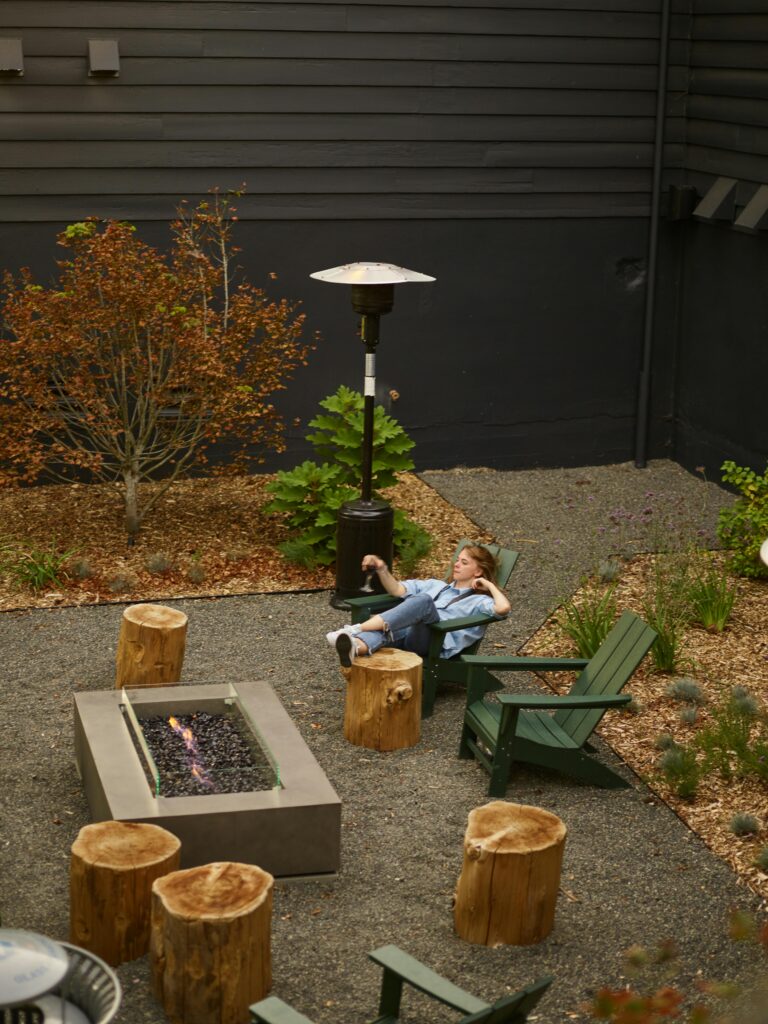
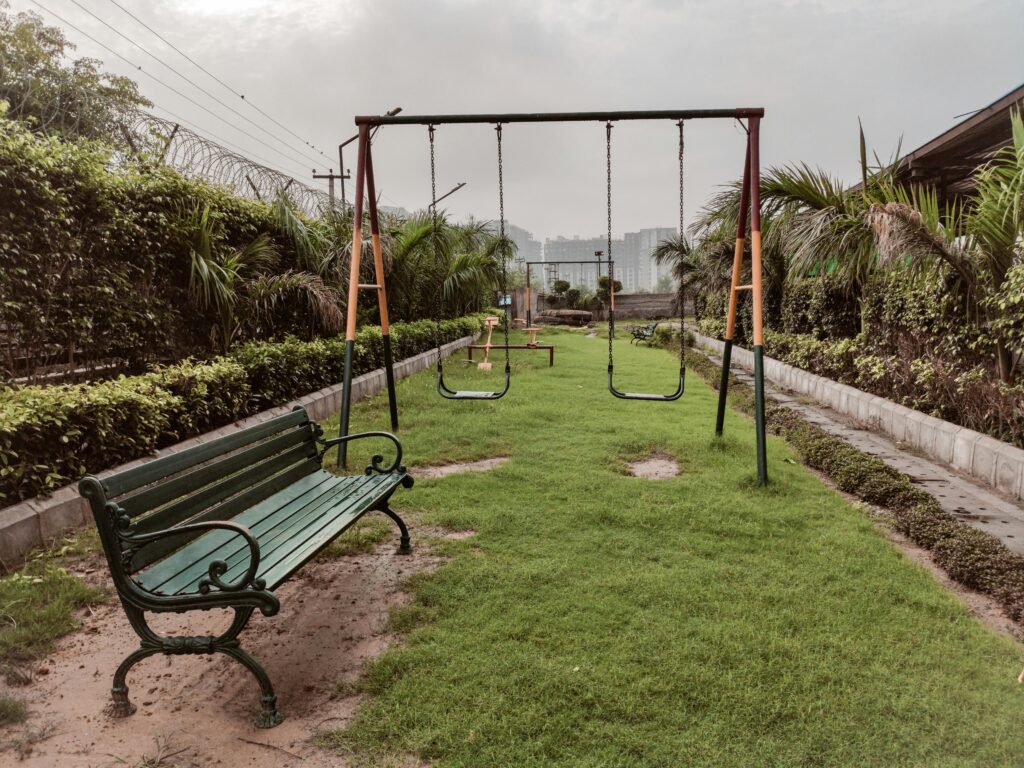
Creating a comfortable and inviting atmosphere is key to enjoying your outdoor space. Add soft textiles like outdoor rugs, cushions, and throws to make the area cozy. Consider installing an outdoor fireplace or fire pit for warmth and ambiance during cooler evenings. For lighting, Adopt “Dark-Sky” compliant lighting. Use shielded, warm-toned (below 2700K) LED fixtures that point downward to prevent skyglow. For ambiance, integrate smart bio lighting that mimics the natural circadian rhythm, dimming and shifting colour as the night progresses to support both your health and the local owl and bat populations
6. Incorporate Shade and Shelter
Protection from the sun and elements ensures your outdoor space is usable throughout the year. Supplement hard structures with Living Shade. Use fast-growing, deciduous vines on pergolas to provide thick shade in the summer while allowing solar heat to warm your home in the winter. For year-round shelter, utilize “Passive Cooling” techniques, such as positioning structures to catch prevailing breezes, reducing the need for outdoor fans or heaters.
7. Add Personal Touches
Personalize with Functional Art. Instead of a standard fountain, install a “Pondless” recirculating water feature that provides a safe drinking spot for birds without wasting water. Add “Soundscape” elements like bamboo wind chimes or rustling grasses (like Muhly Grass) to mask urban noise and create a private sanctuary. Incorporate items that make the space enjoyable for you and your family, like a hammock, outdoor games, or a cozy reading nook.
8. Consider Sustainability
Sustainable choices can enhance the functionality and appeal of your outdoor space. Implement Predictive Resource Management. Use AI-connected soil moisture sensors that sync with local weather forecasts to ensure you never over-water. Install “Bioswales” (landscaped ditches) to capture 100% of your roof’s runoff, turning a heavy rain into a deep-watering event for your garden rather than a burden on the city’s storm drains.
Some FAQ about Eco-Friendly Outdoor Spaces in 2026:
-
What is the most eco-friendly decking material in 2026? Reclaimed wood or composite boards made from 100% post-consumer recycled plastic and FSC-certified wood fibers are the top choices.
-
How can I reduce my outdoor water bill? Switch to “Hydrozoning”—grouping plants by water need—and use AI-controlled drip irrigation that adjusts based on real-time evaporation rates.
-
Are “Smart” gardens really more sustainable? Yes, if used correctly. AI sensors can reduce water waste by up to 50% by preventing irrigation during or after rain.
-
What are “Keystone” plants? These are native plants (like Oaks or Milkweed) that are essential to the survival of a large number of other species in your specific zip code.
-
Is a fire pit eco-friendly? Bio-ethanol or smokeless propane pits are preferred over wood-burning ones in 2026 to reduce particulate matter and CO2 emissions.
-
Can I have a lawn and still be eco-friendly? Yes, by replacing traditional turf with “Micro-Clover” or “Mow-Less” native grass blends that require 70% less water and no fertilizer.
-
What is “Dark-Sky” lighting? It is lighting designed to minimize glare and light spill, protecting the night environment for humans and wildlife.
-
How do I start “No-Till” gardening? Instead of digging, lay down cardboard to kill weeds, then layer 4–6 inches of compost and mulch on top. Plant directly into this layer.
-
What is a bioswale? A landscaped depression that collects rainwater from “hard” surfaces (like roofs or driveways), filters it, and lets it soak slowly into the ground.
-
What is “Circular” furniture? Furniture designed to be easily taken apart at the end of its life, with every component being either biodegradable or 100% recyclable.
Conclusion
Garden design is an art that combines creativity, planning, and sustainability. By understanding your space, choosing the right elements, and maintaining your garden properly, you can create an outdoor area that is both beautiful and functional.
Whether you prefer a modern look or a natural, wildlife-friendly environment, thoughtful design will help you achieve your vision. With time and effort, your garden can become a space that brings joy, relaxation, and a deeper connection to nature.