


Introduction to Growing Meyer Lemon
Welcome, fellow gardeners and citrus enthusiasts! Whether you’re a seasoned horticulturist or a budding backyard gardener, growing Meyer lemons can be a rewarding and delightful experience. Known for their sweeter taste and less acidic bite, Meyer lemons offer a distinct twist on the classic citrus flavor. Not only do they serve well in culinary endeavors from zesting into desserts to infusing beverages but they also hold ornamental value as an exotic Fruit, especially when integrated into container gardens. However, their charm is not just culinary; the plant’s manageable size and adaptable growth habits make it a favorite choice for container gardening and orchard enthusiasts alike.
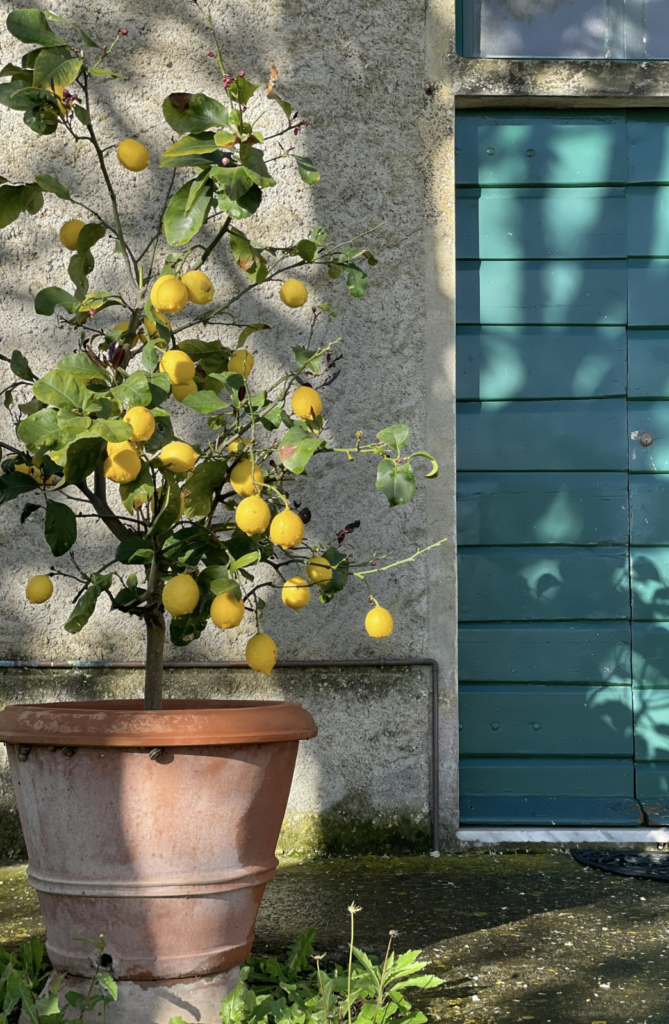
Why Meyer Lemon Is Different From Other Lemons
First discovered by Frank N. Meyer in China during the early 1900s, the Meyer lemon isn’t just your typical lemon. Unlike the more acidic Eureka and Lisbon lemons we find in grocery stores, the Meyer lemon offers a unique blend of sweet and tangy flavors, thanks to its likely hybrid origins from citron, mandarin, and pomelo parents. Its smaller stature, compared to other lemons, makes it particularly appealing for those with space constraints or those wishing to grow citrus indoors or on patios. Whether you’re aiming for a fruity addition to your meals or a decorative conversation piece, the Meyer lemon fits the bill perfectly.
Quick Snapshot: Ideal Conditions at a Glance
Before diving into the rich history and growth habits, let’s ponder over the ideal set of conditions for these charming trees. Thriving in warmth, Meyer lemons prefer temperatures between 50 to 80°F and require ample sunlight—around 8 to 12 hours daily—whether grown indoors or outdoors. The soil should be slightly acidic, with good drainage to prevent root rot. If you’re indoors, choosing a south-facing window can mimic outdoor sun exposure effectively. With these conditions set, patience is key; from planting to first harvest, you can expect a timeline of about two to three years.
Botanical Background & History of the Meyer Lemon
Origin and Discovery
Meyer lemons owe their name to Frank N. Meyer, a plant explorer who introduced this citrus wonder to the United States. Discovered in the early 1900s on his travels through China, Meyer stumbled upon what locals had long cherished—a small, sweet citrus fruit that was a delightful culinary ingredient and an attractive garden addition. As genetic studies suggest, its hybrid nature is the result of crossing citron, mandarin, and pomelo, lending it a unique profile distinct from western lemon varieties.
Once introduced to the United States, the Meyer lemon quickly gained popularity, primarily for its ornamental appeal. Its appealing lush green foliage and fragrant blossoms drew gardeners’ attention, long before the fruit became a staple in culinary circles.
From “Improved” Meyer Lemon to Modern Cultivars
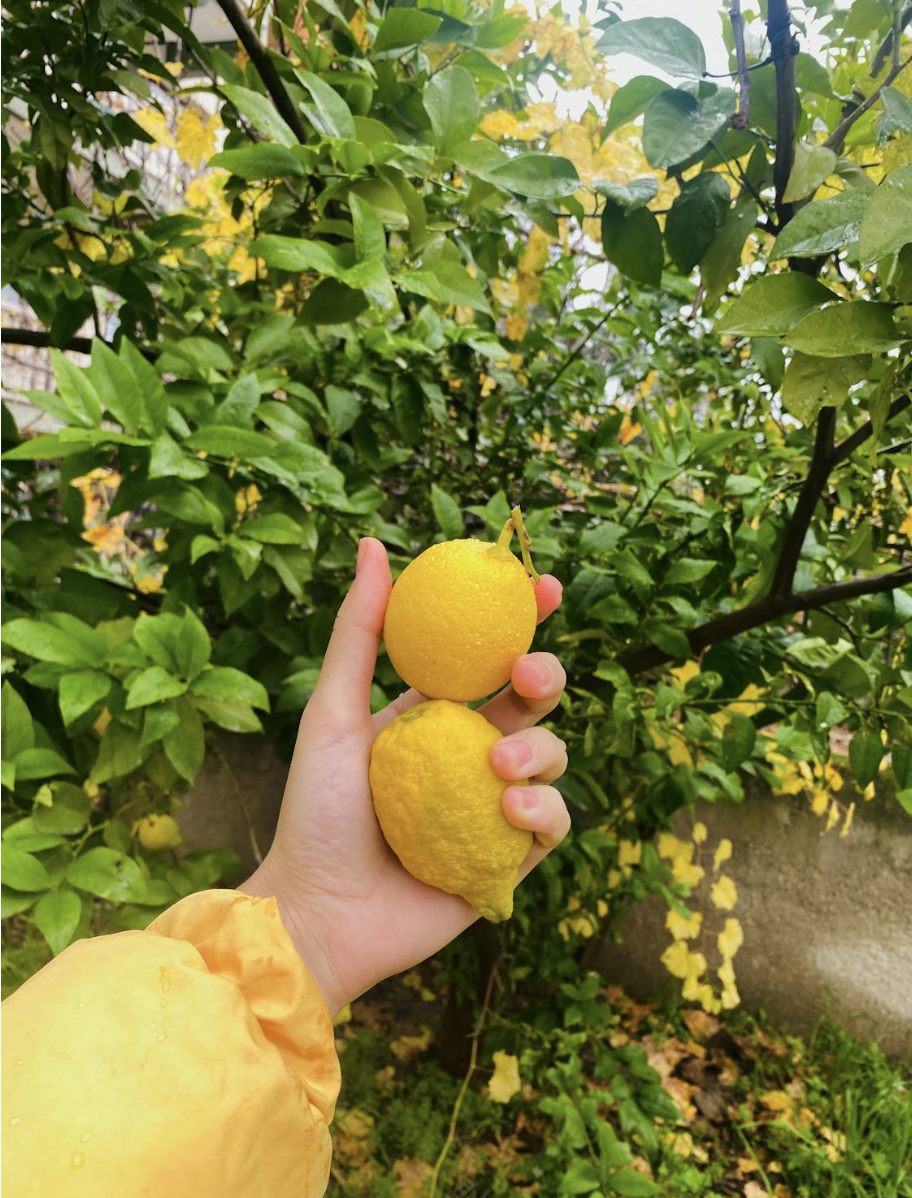
Initially, the Meyer lemon had its shortcomings; it was susceptible to diseases, notably the Citrus tristeza virus, which prompted significant agricultural challenges. Fortunately, through determined breeding efforts and the release of the “Improved Meyer Lemon” in the 1950s, these concerns were largely mitigated. Today’s cultivars boast enhanced disease resistance and are notably more productive and hardy than their predecessors, making them ideal for modern gardens. These improvements make the Meyer lemon a reliable and rewarding choice even for novice gardeners.
Climate Requirements and Site Selection
Ideal Climate and Hardiness Zones
For those contemplating where to plant their Meyer lemons, understanding the climate prerequisites is paramount. Meyer lemons flourish in USDA Hardiness Zones 8b through 11, where the climate supports their growth most effectively. These regions offer the warm temperatures that lemons love, with minimal risk of frost. In terms of temperature tolerance, while Meyer lemons can endure brief periods of cooler temperatures, prolonged exposure to conditions below 50°F may hinder their growth, and anything below 30°F could potentially damage the plant.
In zones outside 8b-11, particularly where temperatures drop significantly, growing in containers becomes advantageous. This approach allows for mobility, enabling gardeners to shift the plant indoors when outdoor conditions become unfavorable. By doing so, you can maintain the plant’s health and productive cycles through consistent temperature management.
Choosing the Right Location (Indoors and Outdoors)
Placement is everything when gardening with Meyer lemons. If opting for an outdoor spot, ensure the location is sun-soaked for a good portion of the day. A full 8 to 12 hours of sunlight is ideal. Equally critical is selecting a spot protected from excessive wind and with good air circulation to deter disease and pests.
For indoor growers, situating the trees near south-facing windows will mimic their natural outdoor light conditions best. If necessary, supplementing with grow lights can provide the additional light needed during shorter winter days. Additionally, placing the container near heat-reflective surfaces like patios or brick walls can capitalize on heat accumulation, further nurturing your lemon tree’s growth.
Soil Chemistry, Drainage, and Potting Media
Understanding Citrus Soil Preferences
At the root of a thriving Meyer lemon tree is its soil environment. Citrus trees prefer well-draining, slightly acidic soils with a pH of 5.5 to 6.5. This range ensures optimal root function and nutrient uptake, vital for robust growth and fruit production. The soil should ideally be loamy—a texture providing the right balance between draining excess water while retaining enough moisture for nourishment.
Textures such as heavy clay or overly sandy soils can pose challenges; the former retains too much water, risking root rot, while the latter drains too quickly, starving the tree of moisture. Hence, knowing your soil type and adjusting it accordingly can make a substantial difference.
Soil Chemistry in Detail: pH, Nutrients, and Salinity
The nuances of soil chemistry significantly affect the health of your Meyer lemon tree. pH levels influence the availability of critical nutrients like iron, manganese, and zinc—imbalances of which can cause symptoms such as leaf chlorosis. Understanding this dynamic is crucial, as is recognizing the roles macronutrients play—nitrogen for foliage growth, phosphorus for roots and flowers, and potassium for overall plant vitality.
It’s also essential to address potential salinity issues, especially when using tap water, which might contain salts capable of harming the plant. In container situations, micronutrient deficiencies are common, often requiring supplementation with fertilizers rich in iron, magnesium, zinc, and manganese. Keeping an eye on these elements—and adjusting pH with sulfur or lime when necessary—will ensure that your Meyer lemon tree stays healthy and productive.
By understanding your soil’s needs and making informed adjustments, you can cultivate a thriving environment that supports your Meyer lemon tree’s growth at every stage. In the next sections, we’ll explore more about propagation, choosing seedlings, and the exacting science behind crafting the ideal potting mix for these beloved citrus plants. Stay tuned!
Meyer Lemon Tree Care: Irrigation Schedules for Healthy Growth
Proper irrigation is fundamental in Meyer lemon tree care to ensure vibrant foliage and abundant fruit. Whether you are growing citrus in containers or in-ground, understanding the tree’s water needs throughout the seasons optimizes health and yield.
How Often to Water Meyer Lemon Trees
Meyer lemons prefer consistently moist soil but are susceptible to root rot if overwatered. The general rule: water deeply but infrequently, allowing the top few inches of soil to dry out between watering sessions.
- In warmer months (spring and summer): Water your Meyer lemon tree about twice a week. Check soil moisture by feeling 2-3 inches below the surface; if dry, it’s time to irrigate. For container-grown trees, daily watering may be necessary during hot spells, as pots dry more quickly.
- During cooler months (fall and winter): Reduce watering frequency to once every 10-14 days. This aligns with the tree’s slowed growth phase, especially important as part of lemon tree winter care.
Using a drip irrigation system or soaker hoses ensures slow, deep watering that promotes strong root development while conserving water. Mulching around the base with organic matter can also help retain soil moisture and moderate root temperature.
Fertilizer N-P-K Ratios for Meyer Lemon Tree Care
Fertilizing correctly supports vigorous growth and maximizes fruit production. Meyer lemon trees have particular nutrient demands reflected in precise N-P-K ratios: nitrogen (N), phosphorus (P), and potassium (K).
Ideal N-P-K Fertilizer Ratios
- Early growth and leaf development: Use a balanced fertilizer such as 6-6-6 or 8-8-8 to encourage healthy foliage and root growth.
- Flowering and fruit set: Shift to a higher potassium formulation like 8-10-10 or 10-10-10. Potassium improves flower bud formation, fruit size, and disease resistance.
- Maintenance feeding: A standard citrus fertilizer with approximately 12-6-6 provides adequate nutrients during the growing season.
Applying Fertilizer on Meyer Lemons
For potted Meyer lemon trees described in guides to growing citrus in containers, use a slow-release fertilizer formulated specifically for citrus, applying every 6-8 weeks during active growth (early spring through early fall). In-ground trees benefit from granular or liquid feeds applied 3-4 times a year.
To prevent nutrient burn:
– Avoid over-fertilizing; always follow label instructions.
– Water thoroughly after feeding to help nutrients penetrate the root zone.
– Apply fertilizer under the canopy, extending slightly beyond the drip line where feeder roots are concentrated.
Supplemental micronutrients such as magnesium, zinc, and iron are also crucial—deficiencies can cause chlorosis (yellowing leaves) and reduce fruit yield. Chelated micronutrient sprays or soil amendments may be used seasonally.
Pruning Techniques for Maximum Fruit Production on Meyer Lemon Trees
Strategic pruning enhances Meyer lemon pollination and fruit quality by improving light penetration, air circulation, and encouraging productive growth.
When to Prune Meyer Lemon Trees
– The best time to prune is late winter or early spring, just before the tree begins its active growth cycle.
– Avoid heavy pruning in late summer or fall, which may stimulate tender new growth vulnerable to cold damage during lemon tree winter care.
– Light formative pruning can also be done throughout the year to remove dead, damaged, or crossing branches.
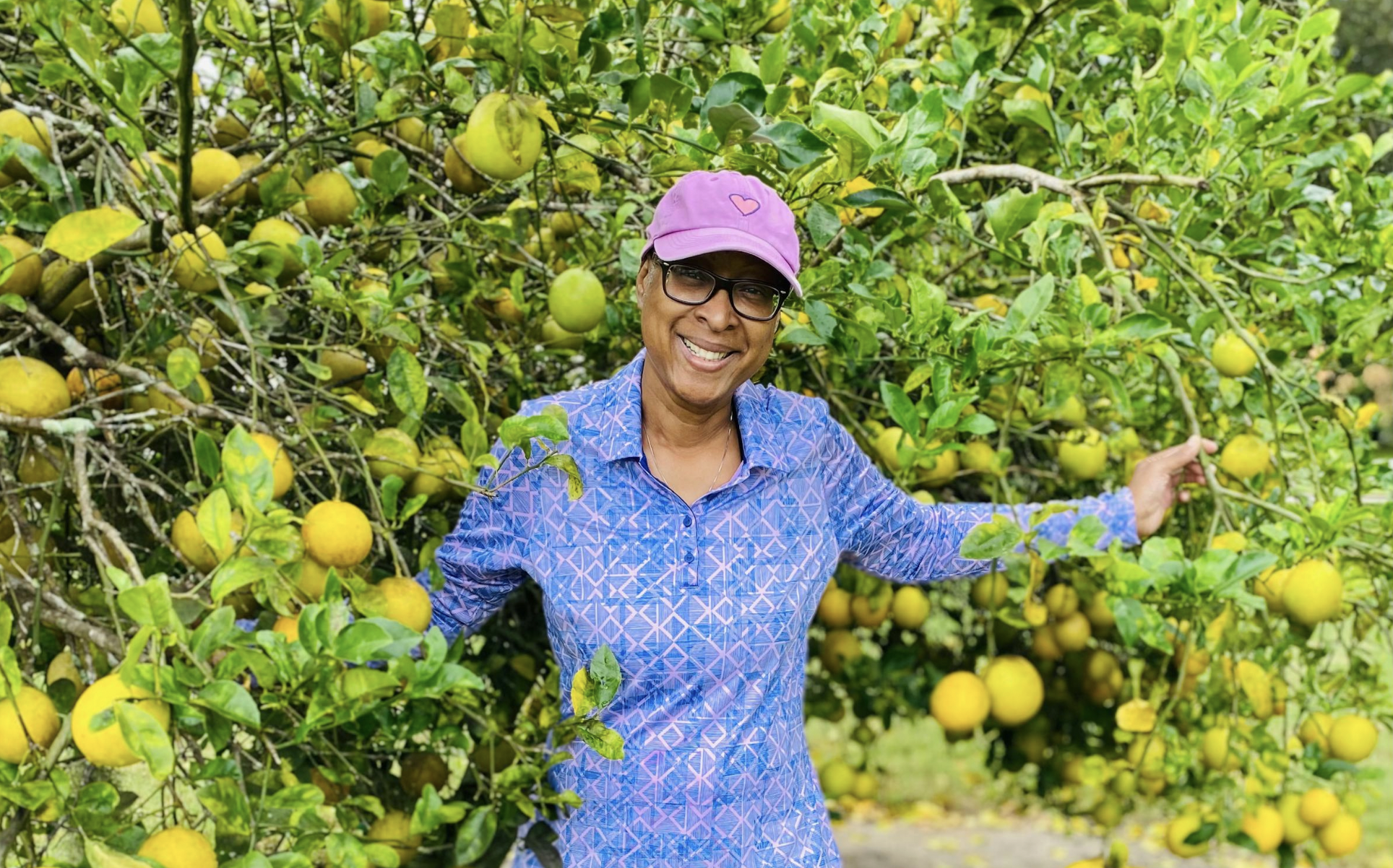
How to Prune Meyer Lemon Trees Effectively
- Remove suckers and water sprouts: These vigorous, vertical shoots drain energy but rarely produce fruit.
- Thin crowded branches: Open the canopy by cutting back branches that cross or grow inward. This enhances sunlight exposure and air movement essential for disease prevention and better flower development.
- Shorten long branches: Trim overly long limbs by one-third to encourage lateral fruiting branches.
- Cut above outward-facing buds: Encourages outward growth, maintaining an open vase shape that facilitates meyer lemon pollination by allowing pollinators easy access.
- Sanitize pruning tools: Prevent disease spread by disinfecting shears between cuts, especially when removing diseased wood.
Pruning for Container-Grown Meyer Lemons
For Meyer lemon trees grown in containers, pruning is also necessary to manage size and shape, preventing the tree from becoming root-bound or top-heavy. Regular trimming supports energy allocation to developing fruit rather than excessive canopy growth.
Integrating Irrigation, Fertilization, and Pruning for Optimal Meyer Lemon Tree Care
Combining consistent irrigation schedules with appropriate feeding and pruning practices creates the perfect environment for Meyer lemon trees to thrive. Remember these key points:
- Keep soil moisture even but avoid waterlogging.
- Match fertilizer N-P-K ratios to growth stages.
- Prune thoughtfully to support healthy structure and expose flowers to pollinators.
When these factors align, home gardeners can expect enhanced fruit set, improved lemon quality, and robust tree health.
Should you be practicing meyer lemon pollination in a greenhouse or indoor setting, remember that maintaining good airflow and regularly pruning to reduce overcrowding are essential. For outdoor trees, attracting pollinators like bees or hand-pollinating blossoms can further boost fruit yield.
By integrating these horticultural techniques, your Meyer lemon tree will reward you with bountiful harvests season after season.