


Welcome to your ultimate resource for learning how to grow Ataulfo mango right at home. Whether you’re a curious gardener or an enthusiastic fruit grower, this guide will lead you through the essentials of nurturing this delightful tropical tree from its roots to its juicy fruits. We’ll traverse the botanical history, explore seedling selection, and dive deep into soil and climate needs. Get ready to embark on a gardening adventure!
Understanding Ataulfo Mango: Origins, Traits & Growing Potential
Botanical Background & History of Ataulfo Mango
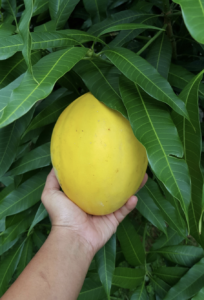
The Ataulfo mango, cherished for its honey-like sweetness and creamy texture, is more than just a tropical delicacy. It belongs to the species Mangifera indica, positioning it in the diverse spectrum of mango varieties. This particular cultivar, recognized for its golden color and petite kidney shape, owes its genesis to Mexican breeders.
- Origin and Selection: Ataulfo mangoes trace their development back to Soconusco in Chiapas, where they were initially cultivated by Ataulfo Morales Gordillo. The naming pays homage to this pioneer grower. Known interchangeably as “Honey” or “Champagne” mango, this variant quickly earned prestige due to its disease tolerance and fiberless flesh, making it a sought-after choice for both commercial and small-scale growers.
- Key Genetic Traits
The Ataulfo’s genetic composition endows it with several desirable traits, including a compact growth habit conducive to dense planting and adaptability to various growing conditions. Its fiberless flesh adds to the appeal, ensuring a silky consumption experience that’s superior to many fibrous mango varieties. - Commercial Rise
In recent decades, the Ataulfo has captured global markets. Its predisposition for vibrant coloring and outstanding flavor, coupled with its export-friendly nature (owing to firmness and transport resilience), enhances its appeal. This has spurred increased cultivation among small growers who value its consistent yield and growing familiarity.
Choosing the Right Planting Method: Grafted Trees vs Seedlings
Seed-Grown Ataulfo Mango: Pros, Cons & Genetic Reality
If you’re considering starting Ataulfo mango trees from seeds, understanding the genetic implications is crucial. Ataulfo seeds are polyembryonic, meaning a single seed can produce multiple seedlings. Notably, at least one of these seedlings is genetically identical to the parent plant, offering a novel opportunity for preserving desirable traits.
- Advantages of Seed Propagation
Opting for seed-grown trees can be cost-effective and often facilitates availability, enabling easy dissemination of the plant across different regions. The robust root systems developed from seeds establish adaptability, especially in varying soil conditions, while contributing to outperformance in root vigor compared to grafted counterparts. - Disadvantages
Despite these perks, seedlings may take longer to fruit, typically extending to several years. There’s also inherent unpredictability regarding the eventual fruit quality due to potential genetic diversity among seedlings.
Climate Requirements & Site Selection
Ideal Climate for Growing Ataulfo Mang
The Ataulfo mango flourishes best in climates that mirror its native environment. Familiarity with these parameters will enhance your success rate in cultivating them:
- Temperature and Humidity
Native to Mexico’s tropical climate, Ataulfo mangoes thrive in temperatures ranging from 80°F to 100°F (27°C to 38°C). Maintaining high humidity levels is essential for optimal growth, mirroring the conditions found in its native range. However, caution is advised as temperatures dip toward winter; protecting the trees from cold snaps is imperative, with their lower threshold hovering around 30°F (-1°C). - Rainfall Patterns
Adequate and strategically timed rainfall supports Ataulfo growth. Ideally, a balance is struck with dry conditions during flowering and fruit set to minimize fungal risks, contrasting with sufficient moisture levels around the growing season.
Growing Ataulfo Mango Outside the Tropics: Zone-by-Zone Strategy
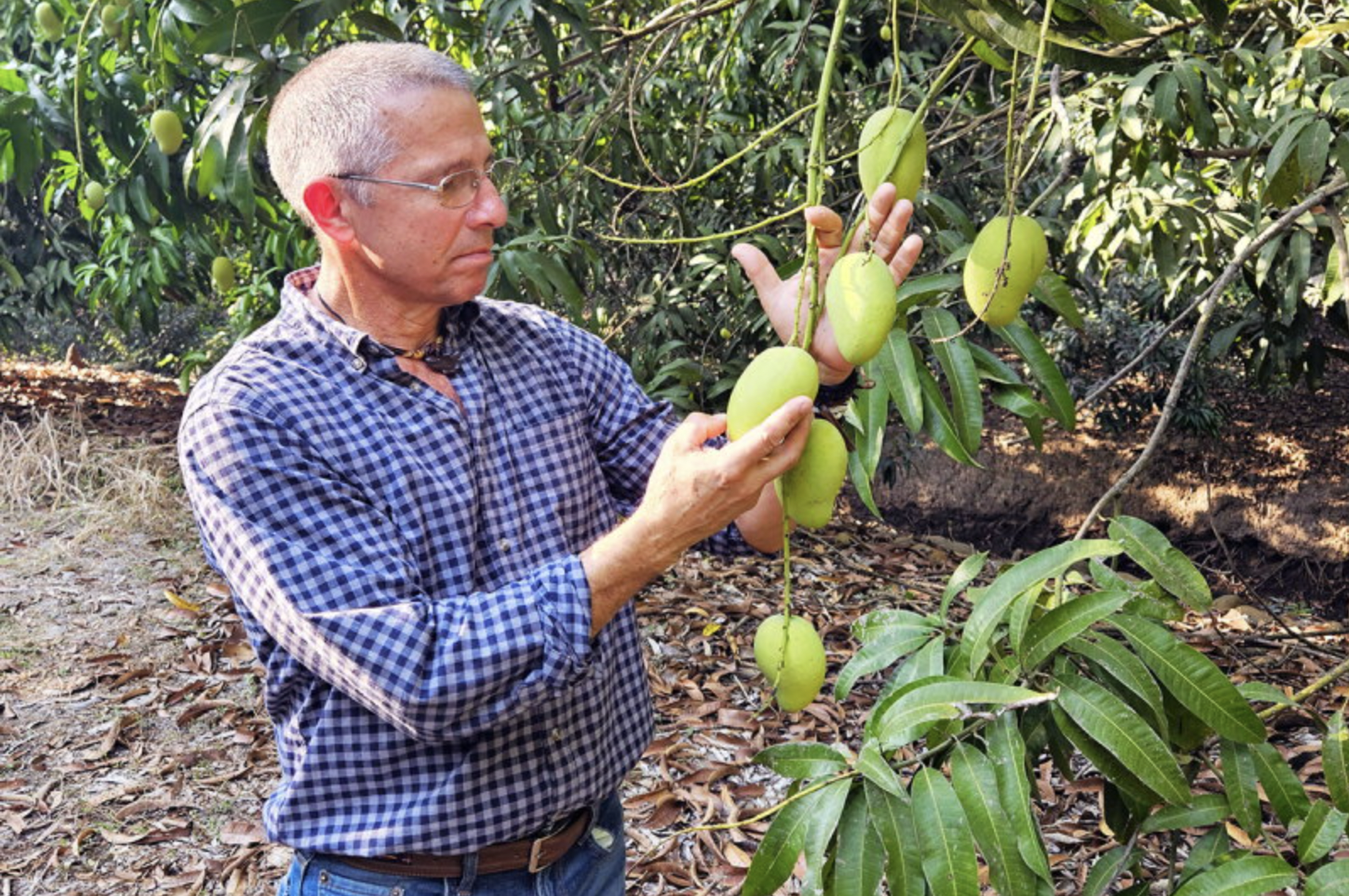
Ataulfo mangoes can succeed beyond tropical regions with mindful site selection and protective measures:
- USDA Zones 10–11
These zones offer ideal conditions for unprotected outdoor growth of Ataulfo mangoes. Consistently warm temperatures and minimal frost risk render them conducive to year-round flourishing. - USDA Zone 9
In these transitional zones, proactive measures like windbreaks and frost cloths during unexpected cold spells are recommended. Selecting microclimates within your garden—areas that trap heat better due to sun exposure or thermal mass from nearby structures—can also contribute to success. - USDA Zone 8b and Cooler Climates
If you reside in climates pushing past Zone 9, consider container growing or greenhouse cultivation. Heated conservatories can extend the growing season, creating an artificial tropics to accommodate Ataulfo’s warmth desires.
Selecting the Best Site in Your Garden
Optimal site selection is foundational to mango cultivation success. Ensuring proper exposure and elements plays a pivotal role:
- Sun Exposure
Ataulfo mangoes demand full sun, basking in a minimum of 8–10 hours of direct sunlight daily. This exposure is crucial for promoting robust flowering and the delectable sweet fruit that follows. - Wind and Air Movement
Moderate air circulation reduces disease pressure and supports dry conditions that mitigate pest proliferation. Nevertheless, strong winds may necessitate shielding to prevent flower and fruit drop, especially during vulnerable stages of fruit set. - Microclimates and Proximity to Structures
Clever use of your landscape’s microclimates enhances frost protection areas benefiting from reflected heat off walls can foster more favorable growth conditions, especially for marginal climates which are often compared to Tommy Atkins Mango.
Stay tuned for the remaining sections of this guide, where we delve deeper into soil preparation, advanced care techniques, and tackling pest challenges for thriving Ataulfo mango cultivation!
Ataulfo Mango Tree Care: Irrigation, Fertilization, and Pruning for Optimal Yield
Honey Mango Step-by-Step Care Guide
Proper ataulfo mango tree care is essential to ensure your tree thrives and produces the signature sweet, buttery fruit that makes this variety a standout among sweet mango varieties. Whether you have an outdoor mango tree or are experimenting with growing mangoes in pots, understanding the right irrigation schedules, fertilizer N-P-K ratios, and pruning techniques is key to maximizing fruit production. This section provides detailed, actionable guidance to help your Ataulfo mango tree flourish.
Irrigation Schedule for Ataulfo Mango Trees
Understanding Water Needs
Adequate watering is one of the most critical factors in ataulfo mango tree care. Mango trees are somewhat drought-tolerant once established, but consistent moisture during the growing season improves flowering and fruit set. Whether you are tending to a ground-planted mango or **growing mangoes in pots**, adjusting irrigation according to developmental stages will boost yield and fruit quality.
Seasonal Watering Guidelines
- Young trees (1-3 years old): Require more frequent watering as their root systems are still developing. Water deeply 2-3 times per week during dry spells to keep the mango tree soil moist but not soggy.
- Mature trees: Once established, your Ataulfo mango tree needs watering about once a week during dry periods. Overwatering can lead to root rot and poor aeration, so always ensure the soil drains well.
- Flowering and fruit setting stage: Increase watering slightly to encourage healthy blossom development and minimize flower drop. However, excess moisture can cause fungal issues, so balance is essential.
Tips for Growing Mangoes in Pots
Potted Ataulfo mango trees dry out faster than those in the ground due to limited soil volume. Water whenever the top inch of potting medium feels dry. Use containers with excellent drainage and consider a self-watering system during hot months to provide consistent moisture.
Fertilizer N-P-K Ratios for Ataulfo Mango Tree Care
Nutrient management is fundamental to maintaining healthy foliage, strong flowering, and bountiful fruit production. Selecting the correct fertilizer and applying it at the right times will prevent common deficiencies and support your tree’s vigorous growth.
Recommended N-P-K Ratios
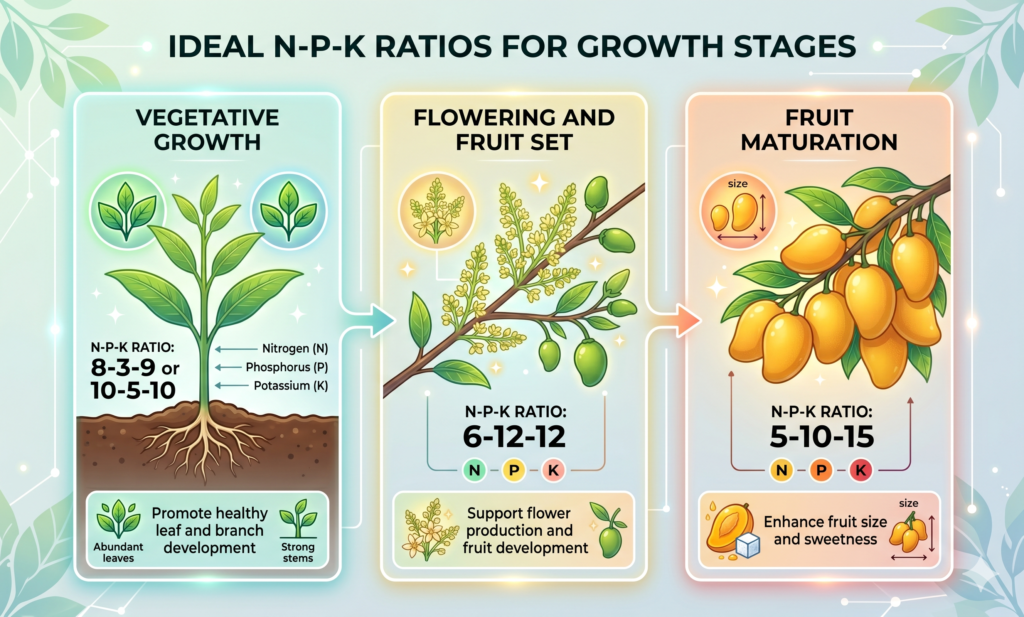
Ataulfo mango trees respond well to balanced fertilizers, but the emphasis should shift through the growing season:
Fertilizer Application Schedule
- Early spring (pre-flowering): Apply a balanced fertilizer high in nitrogen (N) to stimulate leaf growth.
- Flowering stage: Switch to a fertilizer with higher phosphorus (P) and potassium (K) ratios to promote blooms and fruit set.
- Fruit development period: Increase potassium to improve fruit quality and storage life.
- Late season or post-harvest: Apply a moderate balanced fertilizer to aid tree recovery.
Organic and Supplemental Options
In addition to synthetic fertilizers, incorporating organic matter like compost or well-rotted manure into the mango tree soil enriches microbial activity and nutrient availability. Foliar feeding with micronutrients such as magnesium, zinc, and boron can correct specific deficiencies common in mango cultivation and improve fruit quality.
Pruning Techniques to Maximize Ataulfo Mango Fruit Production
Pruning is often overlooked in home mango gardening but is critical for shaping the tree, enhancing air circulation, and increasing fruit yield. Proper pruning helps control tree size, making it easier to harvest especially when growing mangoes in pots or limited spaces.
When to Prune
- Post-harvest: The best time to prune your Ataulfo mango tree is shortly after harvesting the fruit, usually late winter or early spring before new growth begins.
- Light summer pruning: Can be performed to remove dead or diseased branches and encourage lateral growth, but heavy pruning during flowering or fruiting is discouraged.
Pruning Steps for Ataulfo Mango Tree Care
- Remove dead, damaged, or diseased wood: This reduces the risk of pest infestation and disease spread.
- Thin out crowded branches: Opening the canopy allows sunlight penetration and improves airflow, which helps prevent fungal infections.
- Cut back overly vigorous shoots: Mango trees often produce strong vertical shoots (“water sprouts”) that divert energy away from fruit production. Remove these to encourage lateral branch growth where flowers emerge.
- Shape the tree: Aim for a broad, open canopy with a central leader or vase shape. This architecture supports more flowering sites and simplifies fruit harvest.
Special Considerations for Growing Mangoes in Pots
Mango trees grown in containers tend to have restricted growth. Pruning helps maintain a manageable size while encouraging fruiting. Focus on removing suckers and maintaining a compact canopy. Annual pruning combined with repotting every 2-3 years ensures roots have enough space and nutrients.
Integrating Ataulfo Mango Tree Care Practices for Healthy Growth
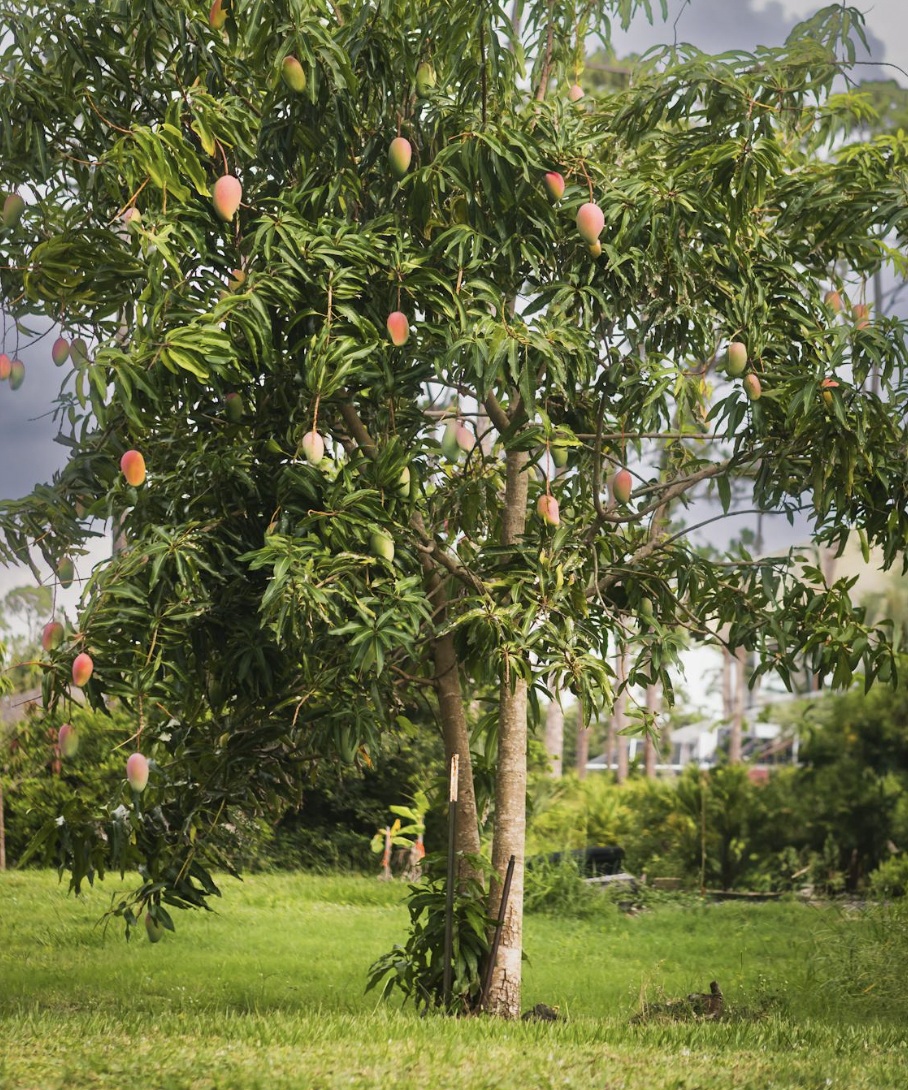
Combining the right irrigation schedule, balanced fertilization, and strategic pruning will keep your Ataulfo mango tree vigorous and prolific. Remember, healthy soil conditions, proper drainage, and monitoring for pests complement these practices.
By tailoring watering routines based on growth phases, applying the proper N-P-K ratios aligned with the tree’s nutrient demands, and employing pruning techniques that focus the tree’s energy toward fruit production, you can enjoy abundant Ataulfo mango harvests. These techniques also extend the lifespan of your tree and enhance its resilience against common tropical horticultural challenges.
Summary Checklist for Ataulfo Mango Tree Care
- Irrigation: Water 2-3 times weekly for young trees; reduce to weekly for mature trees; increase slightly during flowering.
- Fertilization: Use 8-3-9 during vegetative growth; switch to 6-12-12 at flowering; and apply 5-10-15 for fruit maturation.
- Pruning: Prune after harvest; remove diseased and crowded branches; shape canopy for light and airflow; control “water sprouts.”
- Growing in pots: Monitor soil moisture closely; use nutrient-rich compost; prune regularly to control size.
Mastering these cultural care elements will position your Ataulfo mango tree for a robust, delicious yield, whether you cultivate it in your backyard garden or a container patio setup. Enjoy the sweet rewards of your efforts with this prized member of the sweet mango varieties!