


How to Grow Purple Dragon Fruit (Hylocereus costaricensis)
So, you’ve decided to embark on an adventure into the vibrant world of purple dragon fruit cultivation. That’s fantastic! Let’s delve into this captivating plant’s intriguing botanical history, advise on selecting the perfect seedlings, and intensely discuss how climate and soil affect its growth.
Botanical Background & History of Purple Dragon Fruit
Taxonomy and Species Overview
Purple dragon fruit, often referred to as pitaya or pitahaya, is a fascinating member of the cactus family. At its core, we’re dealing with cactus species within the Hylocereus genus although recent taxonomic adventures have seen some reclassified under Selenicereus. The purple-fleshed varieties are a particularly captivating subset, with popular cultivars like ‘Purple Haze’, ‘American Beauty’, and ‘Physical Graffiti’. These varieties boast unique flavor profiles and dazzlingly vibrant interiors. Importantly, they can be self-fertile or self-sterile, a critical consideration for growers with limited space or interest in hands-on pollination, check the other grow guides at our Eco garden plant library.
Purple Dragon Fruit vs. Red Dragon Fruit: Are They the Same?
Yes, purple dragon fruit and red dragon fruit represent the exact same fruit category. Botanists classify both as red-fleshed pitaya (Hylocereus costaricensis or Selenicereus guatemalensis).
While agricultural growers sometimes draw minor distinctions based on exact pigment shades, these fruits share identical flavor profiles, physical characteristics, and health benefits.
Here is how these red-fleshed pitaya varieties break down:
-
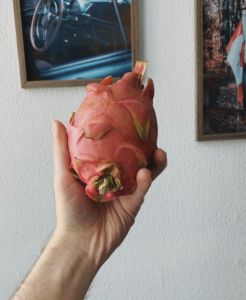
Physical Appearance: You can easily identify both varieties by their striking pink-to-red scaly outer skin. When you cut them open, they reveal a vivid magenta, fuchsia, or deep red center speckled with tiny, edible black seeds.
-
Flavor Profile: Consumers enjoy a sweet, refreshing taste that blends the flavor notes of kiwi, pear, and grape. As a general rule, red and purple pitayas taste significantly sweeter than the white-fleshed varieties.
-
Nutritional Value: These fruits deliver exceptional health benefits. A powerful antioxidant called betalain produces the vibrant red and purple pigments. Furthermore, a single serving provides abundant dietary fiber, iron, and magnesium to support a healthy diet.
Native Habitat and Natural Ecology
Hailing from the tropical dry forests stretching from Central to South America, purple dragon fruit has some impressive survival tactics. It thrives as both an epiphyte and lithophyte, meaning it can elegantly scramble over trees or rugged rocks. This adaptive growth habit equips it to withstand harsh environmental conditions including punishing heat, prolonged droughts, and sun-drenched days typical of its native habitats.
Global Spread and Modern Cultivation
Our purple protagonist has transcended its native roots, marking its presence across continents most notably throughout Asia in nations like Vietnam, Thailand, and Taiwan. The journey didn’t stop there; it’s now an agricultural star in Israel, Australia, Southern Europe, and subtropical regions of the USA, such as Florida, California, Texas, and Hawaii. Commercially, breeding programs have honed in on optimizing color vibrancy, sweetness, and shelf life, expanding the fruit’s culinary and market appeal.
Botanical Features Relevant to Growers
From a structural perspective, these climbing cacti are architecturally fascinating. They boast segmented stems that are triangular in shape, complete with aerial roots that aid in their climbing ascents. Their aptitude for CAM photosynthesis allows them to maximize water use efficiency—saving water by closing stomata during the day. Flower biology is another compelling aspect, as these plants produce majestic nocturnal blooms reliant on specialized pollinators such as moths and bats. Understandably, these features dictate a grower’s approach to pruning, providing structural support, and facilitating pollination. After pollination, you must anticipate a specific timeline from flowering to fruit maturation, influencing harvesting strategies.
Choosing the Right Purple Dragon Fruit Variety
Popular Purple-Fleshed Cultivars
Among the delectable purple-fleshed cultivars, ‘Purple Haze’ shines with robust growth vigor and distinctive flavor. ‘American Beauty’ dazzles with its intense color and commendable sweetness. The ‘Physical Graffiti’ and other hybrids add variety to the table with differing growth habits and productivity metrics. Understanding their unique needs concerning pollination and environmental adaptations is crucial in selecting the right match for your growing conditions.
Matching Varieties to Your Climate and Space
Not every cultivar will thrive everywhere; some are ideally adapted to cool-summer climates, while others flourish in hot-desert conditions. If you’re considering container gardening or have limited space, prioritize compact or self-fertile varieties to simplify cultivation and increase success rates.
Where to Source Quality Planting Material
When you’re on the hunt for quality seedlings or cuttings, looking beyond the appealing storefront of a big-box store is often wise. Instead, seek out reputable nurseries or experienced online sellers who specialize in dragon fruit. Their plant stock tends to have stronger genetics and fewer identity mishaps. Remember, choosing between cuttings, grafted plants, and seedlings is pivotal—each carries different benefits, from vigor in grafted forms to cost-effectiveness in seed-propagated plants.
Climate and Hardiness
Ideal Temperature, Light, and Humidity
You’re diving into a world where temperature, light, and humidity converge to power dragon fruit’s growth. Aim for a sweet spot with daytime temperatures hovering around 65°F to 85°F (18°C to 29°C). The boundaries can be stretched, but anything below 32°F (0°C) or above 100°F (38°C) can damage your plant. Full sun reigns supreme, although filtered light may suffice in regions where the intensity is overwhelming. Humidity plays its part, too—a moderate range helps limit disease likelihood, especially those borne from excessive moisture.
USDA Hardiness Zones 9-11
For those nestled in the balmy retreats of USDA Hardiness Zones 9 to 11, you’re in for a treat. These zones cater beautifully to dragon fruit, with their mild winters and hot, languid summers. Outside these zones? Fear not! Consider growing in containers for easy relocation to sheltered spots or employing greenhouses and polytunnels to buffer against temperature extremes. Microclimate optimization, through clever utilization of walls as windbreaks or reflective surfaces to amplify sunlight, can transform marginal conditions into thriving success.
Photoperiod and Flowering Behavior
Unlike many plants swayed by day length, dragon fruit dances primarily to the tunes of temperature and plant maturity when it comes to flowering. Typically blooming occurs as the weather warms, with a lively succession of flowerings—known as flushes—that seasonally pepper the landscape. The number and vigor of these flushes hinge partly on climate, an aspect worth noting when scheduling your horticultural calendar.
Soil Chemistry and Growing Medium
To properly cater to your dragon fruit’s needs, let’s dig a little deeper into soil selection and preparation (we’ll leave this as a teaser for our continuation!). Your choice here can make a substantial difference in root development, nutrient uptake, and overall health of your plants.
We’ve now laid the vital groundwork of climate and hardiness, preparing you to dive into dragon fruit cultivation with informed enthusiasm. The nuances of taxonomy, optimal variety selection, and climate adaptability are your keys to a fruitful—pun fully intended—endeavor. Stay tuned as we unravel more secrets in the cultivation saga of the purple dragon fruit!
Irrigation Schedules for Growing Pitaya from Seed
When growing pitaya from seed, establishing a consistent and appropriate irrigation schedule is crucial for developing a healthy plant that can produce abundant purple dragon fruit varieties. Young seedlings have delicate root systems that require evenly moist soil without becoming waterlogged, as overly saturated conditions can lead to root rot and fungal diseases.
Watering Frequency
- Seedlings: After germination, water the seedlings lightly every 2-3 days to maintain soil moisture in the upper 1-2 inches. Use a gentle watering method such as a spray bottle or drip irrigation to avoid dislodging seeds or seedlings.
- Juvenile Stage: As the plants mature (6-12 months), increase watering frequency to 2-3 times per week depending on temperature and humidity.
- Established Plants: Mature pitaya plants, especially when trained on dragon fruit trellis ideas, require deep watering about once a week during dry periods. Thoroughly saturate the soil to a depth of at least 12 inches to encourage robust root development.
Monitoring Soil Moisture and Adjusting Irrigation
Maintaining the ideal dragon fruit soil pH (around 6.0 to 7.0) helps optimize nutrient uptake and water retention capacity. Use a moisture meter or simply check the soil by hand to ensure it remains consistently moist but not soggy. During rainy seasons or cooler temperatures, reduce watering frequency accordingly.
Mulching around the base of the plant also minimizes moisture evaporation and regulates soil temperature, promoting healthier root growth essential for maximum fruit production.
Fertilizer N-P-K Ratios for Purple Dragon Fruit Varieties
Nutrient management plays a pivotal role in the health and productivity of purple dragon fruit varieties. When growing pitaya from seed, applying appropriate fertilizers with balanced N-P-K ratios ensures strong vegetative growth, enhanced flowering, and robust fruit development.
Fertilizer Recommendations by Growth Stage
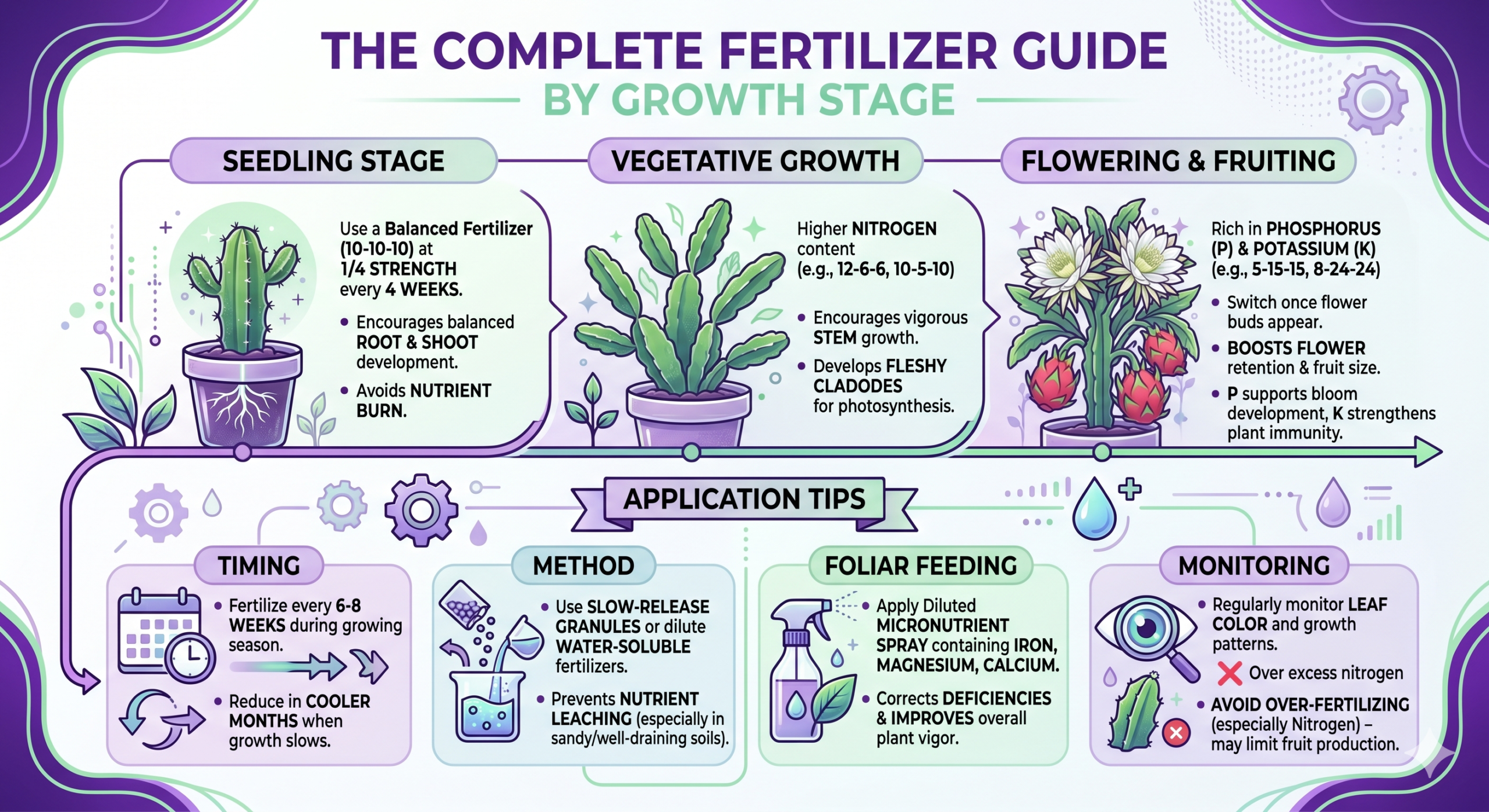
- Seedling Stage: Use a balanced fertilizer with an N-P-K ratio of 10-10-10 at ¼ strength every 4 weeks to avoid nutrient burn. This encourages balanced root and shoot development.
- Vegetative Growth: For established plants during active growth periods, apply a fertilizer with a higher nitrogen content such as 12-6-6 or 10-5-10. Nitrogen encourages the production of vigorous stems and fleshy cladodes necessary for photosynthesis.
- Flowering and Fruiting: Switch to a fertilizer rich in phosphorus and potassium like 5-15-15 or 8-24-24 once flower buds appear to boost flower retention and fruit size. Phosphorus supports bloom development while potassium strengthens fruit quality and plant immunity.
Application Tips
- Fertilize every 6-8 weeks during the growing season, reducing frequency in cooler months when plant growth slows.
– Use slow-release granules or dilute water-soluble fertilizers to prevent nutrient leaching, especially in sandy or well-draining soils. - Foliar feeding with a diluted micronutrient spray containing iron, magnesium, and calcium can correct deficiencies and improve overall plant vigor.
Regularly monitor leaf color and growth patterns to adjust fertilizer regimes as necessary. Over-fertilizing, particularly with nitrogen, may increase vegetative growth at the expense of fruit production.
Pruning Techniques for Maximum Fruit Production
Pruning is a vital cultural practice for optimizing sunlight exposure, airflow, and energy allocation in purple dragon fruit varieties. Proper pruning leads to healthier plants, easier management on a dragon fruit trellis, and significantly increased fruit yields.
When to Prune
- Perform major pruning after the harvest season, typically in late winter or early spring before the new growth flush.
- Light pruning can be done throughout the growing season to remove dead or damaged stems and manage excessive growth.
Pruning Steps and Tips
- Remove Dead and Diseased Cladodes: Identify and cut out any stems that show signs of rot, pests, or fungal infections. Use sterilized pruning shears and dispose of removed material to prevent disease spread.
- Thin Out Crowded Stems: Thin overcrowded stems to enhance airflow and light penetration, reducing the risk of fungal diseases and encouraging uniform flower development.
- Shorten Long Stems: Cut back overly long branches to 12-15 inches to promote lateral branching. These side branches will produce more fruiting sites the following season.
- Maintain Structure: When growing pitaya on a trellis, prune to maintain an open “Y” or “T” shape framework for easier harvesting and support. Removing weak or unproductive stems directs the plant’s energy towards fruit production on main branches.
- Pinching Tips: Pinch the growing tips of vigorous new shoots during the active growing season to stimulate branching and increase the number of flowering sites.
Tools and Care
- Always use clean, sharp tools to make smooth cuts.
- Apply a fungicide or sealant to large pruning wounds if necessary to prevent infections.
- Monitor the plants closely after pruning for any signs of stress.

Integrating Dragon Fruit Trellis Ideas for Improved Irrigation and Pruning
Employing effective dragon fruit trellis ideas enhances both irrigation efficiency and pruning outcomes. Vertical supports increase air circulation, facilitate sunlight access, and allow even water distribution to each plant.
Popular trellis designs include:
- T-post with Wire Supports: Durable and simple to build, facilitating easy pruning access.
- Vertical Poles with Horizontal Crossbeams: Supports the plant’s weight and allows systematic pruning of side branches.
- A-frame or Ladder Style Trellises: Great for maximizing space and promoting airflow.
Incorporating drip irrigation lines along the trellis ensures water is delivered directly to the root zone while keeping stems dry, minimizing disease risk.
Conclusion
Optimizing irrigation schedules, applying precise fertilizer N-P-K ratios, and adopting effective pruning techniques are foundational elements for successfully growing pitaya from seed, especially when cultivating purple dragon fruit varieties. Understanding and managing dragon fruit soil pH alongside the use of strategic dragon fruit trellis ideas will further support healthy growth and maximize fruit production in your home garden.