Tommy Atkins is not just any mango; it’s the grandfather of commercial cultivars, adored for its resilience and global adaptability. If you’ve ever savored a sweet, juicy mango that traveled thousands of miles to reach your table, it was likely a Tommy Atkins. In this guide, I’ll walk you through everything you need to know about growing this versatile mango variety, from its botanical history to optimizing soil conditions to perfecting climate adaptations. Let’s dive in!
Understanding the Tommy Atkins Mango
Origin and Botanical History
The Tommy Atkins mango emerges as one of the most popular mango cultivars in the world today, but its beginnings are rather humble. This cultivar was first selected in the mid-20th century in the sunny orchards of Florida. It represents the best traits of its diversified parentage, primarily chosen for its toughness and vibrant color. Early trials focused heavily on its adaptability to the U.S. climate and markets.
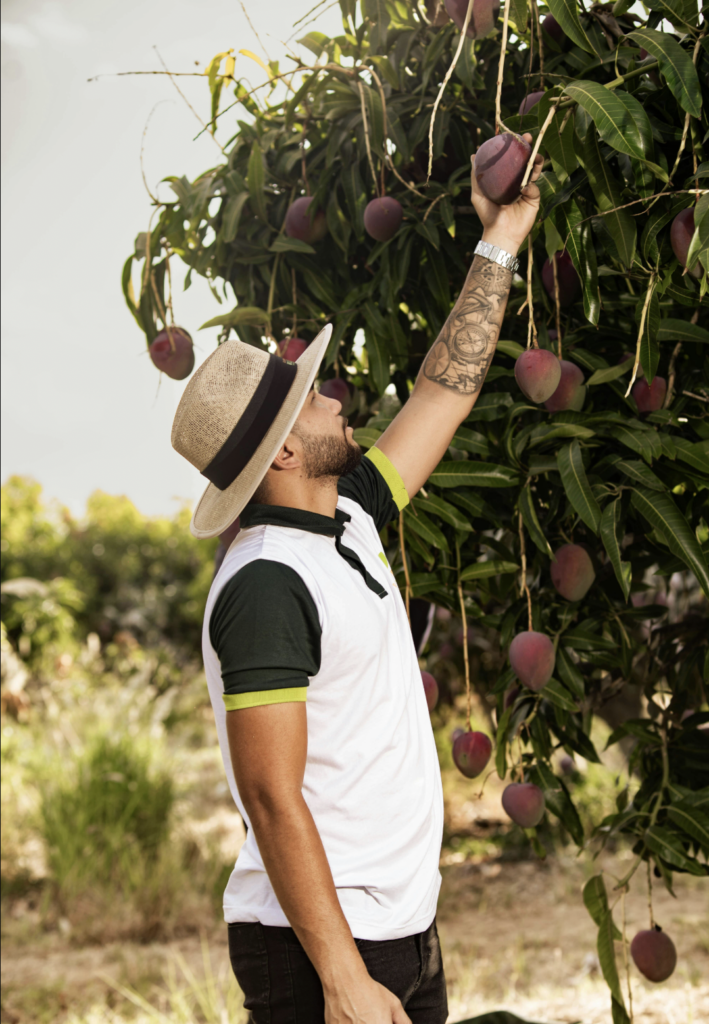
What made Tommy Atkins a favorite rapidly among growers wasn’t just its hardiness—it was its exceptional shipping durability, stunning red-blushed skin, and impressive yield. This made it a prime contender for export, skyrocketing its acceptance from its origin in the United States to mango industries across Latin America, Africa, and into the global market.
The cultivar’s robustness and wide climate adaptability meant it could be the backbone of both small farms and large commercial ventures, cementing its status as a staple in the mango world.
Botanical Characteristics of Tommy Atkins
Understanding the characteristics of Tommy Atkins can significantly aid in its successful cultivation:
- Species : Part of the Mangifera indica family, this perennial, evergreen tree thrives in tropical and subtropical climates.
- Tree Growth Habit : With an upright spreading habit, the Tommy Atkins can reach heights of around 18 to 24 feet, forming a dense, rounded canopy that provides majestic aesthetic value.
- Leaf Morphology: The leathery leaves transition from a deep green in maturity to the tender purple hues of juvenility, growing up to 12 inches long.
- Flower Structure: Its flowers cluster in panicles, a fascinating mix of male and hermaphroditic (perfect) flowers, typically flowering in late winter to early spring.
- Fruit Traits: This mango delights with size (weighing 16 to 24 oz), a tantalizing teardrop shape, vibrant skin, and a sweet yet subtly fibrous flesh, accompanied by a monoembryonic seed.
Climate and Site Requirements
Understanding the climate and the specific needs of the Tommy Atkins will ensure peak growth and fruit production.
Ideal Climate Ranges
The Tommy Atkins mango flourishes within specific temperature bands and humidity levels:
- Temperature: The optimal growth temperature ranges between 70°F and 90°F. Anything below 40°F can cause stress and potential flower drop, while anything above the upper threshold can damage developing fruit.
- Chill Sensitivity: A tropical climate plant to its core, it shuns frost and must be shielded against cold snaps that can devastate blooms or immature fruit.
- Relative Humidity: An ideal range of 50-60% encourages good flowering and less disease incidence, as excessive moisture can promote fungal problems (e.g., anthracnose or powdery mildew).
- Rainfall Patterns: Strategic timing is crucial, with a preference for a dry spell during flowering and early fruit development to minimize fungal disease and enhance quality fruit set.
Adapting Tommy Atkins to Different Climate Zones
If you’re within USDA Hardiness Zones 9-11, then rejoice, as these zones offer great prospects for the Tommy Atkins:
- Zone 9 : Protection during colder months is vital. Consider using frost blankets or opting for strategic planting locations shielded against prevailing winter winds.
- Zone 10-11: These zones offer optimal year-round conditions. Uninterrupted warm weather leads to vigorous growth and successful seasonal fruiting.
- Marginal Climates: In areas approaching the upper limits of Zone 8b, ensure maximum sun exposure and consider constructing windbreaks or selecting frost pocket-free sites to buffer against occasional temperature dips.
Tommy Atkins shines compared to sensitive cultivars due to its ability to thrive under varied tropical temperatures, but growers in suboptimal zones should apply location-specific techniques to mimic ideal conditions.
Site Selection and Microclimate Design
For best results, careful attention to site selection and microclimate creation is paramount:
- Choosing the Warmest Spot: Select south-facing walls or courtyards. These serve as thermal masses that store heat during the day and release it at night, providing a warmer microenvironment.
- Wind Exposure: While a moderate breeze can help reduce disease prevalence by keeping foliage dry, excessive wind can cause branch breakages. Ensure trees are staked well in high-wind areas.
- Elevation and Slope: Opt for sites that allow cool air to drain away, with slight slopes being ideal. This prevents frost accumulation and optimizes air circulation.
- Sunlight Requirements: Tommy Atkins requires full sun, a minimum of 8 hours a day. Insufficient light results in poor fruit development and dull flavor profiles. Partial shade may diminish both the yield and sweetness of the fruit.
By adhering to these tailored recommendations and understanding the specific microclimate needs, you can cultivate Tommy Atkins mangoes that are not only high-yielding but also vibrantly colored and flavorful.
Soil Chemistry and Root Environment
Ideal Soil Types for Tommy Atkins
Tommy Atkins demands well-drained soils with a certain degree of care given to soil texture and structure:
Textural Preferences: Sandy loams are best, facilitating adequate drainage while still retaining necessary nutrients. Clay needs amendments to increase pore space and prevent waterlogging.
Target Bulk Density: Aim for a balanced density that permits necessary root penetration without compacting, as compacted soils can suffocate roots and stunt growth.
Understanding these soil-specific requirements ensures that the roots of your Tommy Atkins trees are bombarded with the right mix of nutrients and aeration necessary for their growth vitality.
With the right combination of site selection and soil preparation, growing Tommy Atkins can be a rewarding experience, providing your table with the most authentic taste of the tropics! Stay tuned as we delve deeper into more guiding principles for Tommy Atkins in the next sections.
Growing Tommy Atkins Mango: Irrigation Schedules for Optimal Growth
When it comes to growing Tommy Atkins mango, proper irrigation is essential to ensure vigorous growth and an abundant fruit set. Mango tree watering needs vary depending on the tree’s age, season, soil type, and climatic conditions. For home gardeners, understanding the right irrigation schedule can mean the difference between a healthy mango tree producing lush fruits and one that struggles with poor yields or disease.
Irrigation Guidelines by Tree Age
- Young Trees (First 2-3 Years):** Newly planted Tommy Atkins mango trees require consistent moisture to establish a strong root system. Water deeply twice a week during the growing season, ensuring the top 6-8 inches of soil stay moist but never waterlogged. This encourages roots to expand deeply rather than shallowly.
- Mature Trees:** Once established, Tommy Atkins mango trees become moderately drought tolerant; however, they still produce better with scheduled watering. During dry spells or the flowering and fruiting periods, irrigate every 7-10 days with a deep soak to reach the root zone. Avoid excessive watering as it may lead to root rot and reduce fruit quality.
Seasonal Irrigation Schedule
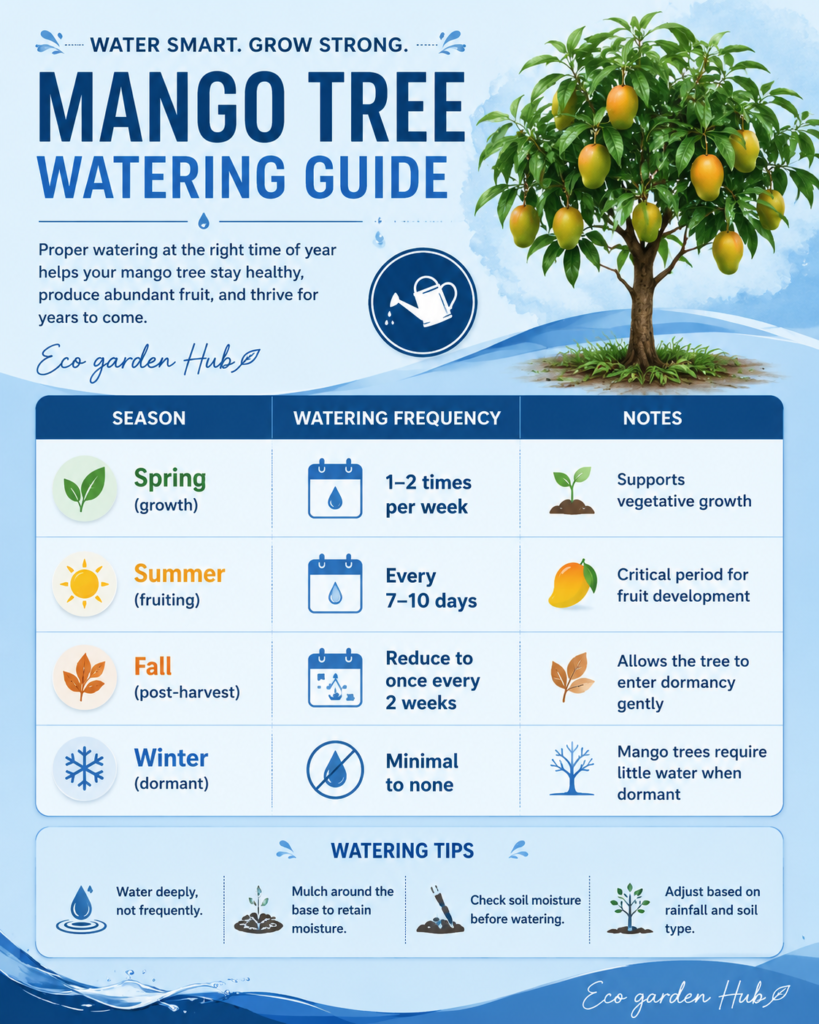
Deep watering is encouraged to promote strong root growth. Using drip irrigation or soaker hoses at the base helps conserve water and prevents wetting foliage, reducing fungal disease risks.
Fertilizer N-P-K Ratios for Tommy Atkins Mango
A key factor in maximizing fruit production of Tommy Atkins mango is providing balanced nutrition tailored to each growth stage. Fertilizer formulations are expressed as N-P-K (Nitrogen-Phosphorus-Potassium) ratios, which indicate the percentage by weight of these primary macronutrients.
Understanding Nutrient Needs
- Nitrogen (N): Promotes vegetative growth such as leaves and stems.
- Phosphorus (P): Encourages root development and flower initiation.
- Potassium (K): Essential for fruit size, flavor, and disease resistance.
Recommended Fertilizer Ratios by Growth Stage
- Young Trees (1-3 years): Use 8-3-9 Fertiliser. Supports balanced leafy and root growth.
- Mature Trees (fruiting): Apply 6-6-6 or 8-3-9 Fertilizer Higher phosphorus and potassium improve flowering and fruit quality.
- Pre-flowering (flower induction): Use 4-12-12 Fertilizer Boost phosphorus and potassium to stimulate blossoms and fruit set |
Application Tips for Home Gardeners
- Frequency: Apply fertilizer 3-4 times per year, coinciding with early spring growth, pre-flowering, early fruit set, and post-harvest periods.
- Method: Spread fertilizer evenly beneath the canopy drip line to avoid trunk burn. Water in immediately using mango tree watering techniques.
- Micronutrients: Include trace elements such as magnesium, zinc, and iron via foliar sprays or soil amendments to prevent deficiencies common in tropical soils.
By closely following these nutrient regimes, home gardeners can ensure their Tommy Atkins mango trees have the resources needed for maximum flowering and fruit yield.
Atkins Mango Pruning Techniques for Maximum Fruit Production
Proper mango pruning is often overlooked but is an indispensable horticultural practice when growing Tommy Atkins mango. Pruning shapes the canopy, improves sunlight penetration, increases air circulation, and reduces disease incidence — all factors crucial to prolific fruiting.
Objectives of Mango Pruning
– Develop a strong, stable framework of branches.
– Remove dead, damaged, or diseased wood.
– Encourage new flowering shoots.
– Control tree height for easier harvest and management.
When to Prune Your Mango Tree
- Best Time: Just after the main harvest season in late summer or early fall, before the tree enters dormancy.
- Light pruning may also be done during the growing season to remove water sprouts or overly vigorous shoots.
Step-by-Step Pruning Guide for Tommy Atkins Mango
1. Begin with Structural Pruning:
In young trees, select 3-5 main scaffold branches evenly spaced around the trunk to form the primary canopy. Remove competing branches and inward-growing limbs.
2. Remove Dead and Diseased Wood:
Cut back any branches showing signs of dieback, cankers, or fungal infection. Use clean, sharp tools and sanitize cuts with pruning sealant when necessary.
3. Thin Out Crowded Branches:
Open up the canopy by thinning overcrowded or crossing branches to improve airflow and light distribution. This encourages more uniform fruit development.
4. Shorten Vigorous Shoots:
Cutting back overly long shoots stimulates the growth of flowering laterals. Maintain tree height at a manageable 10-15 feet for home gardens.
5. Form the Canopy Shape:
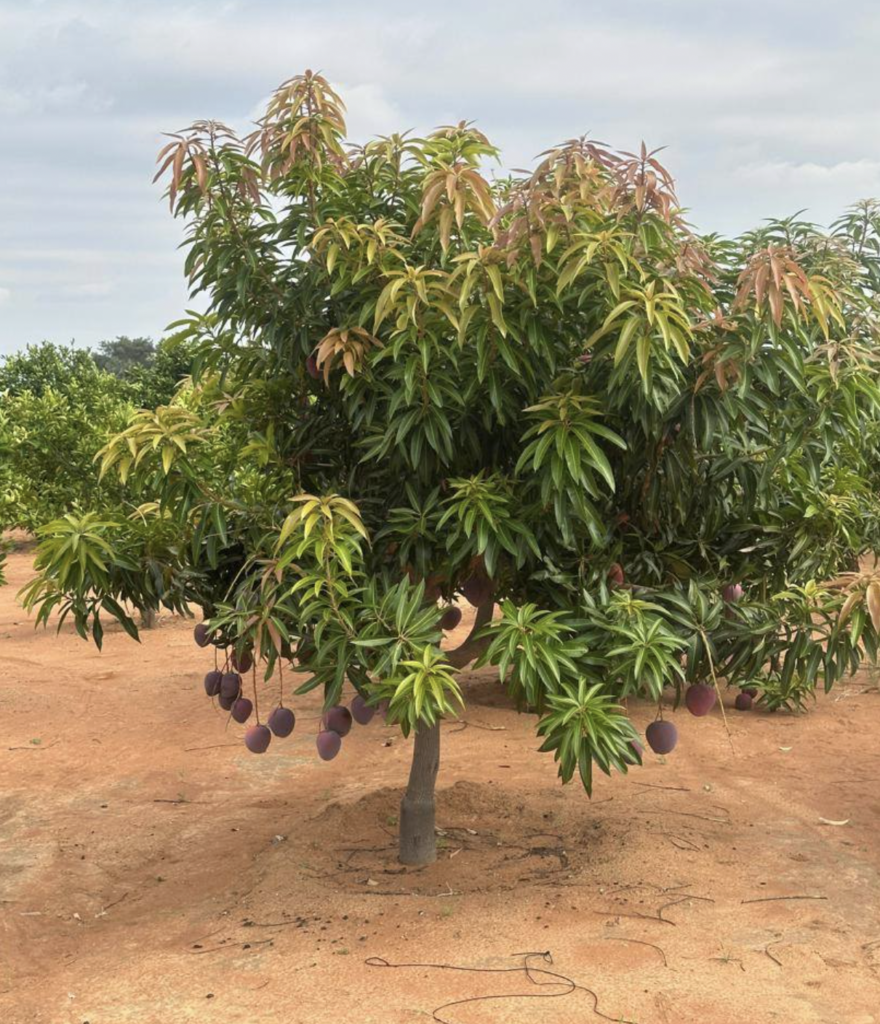
Aim for a rounded, vase-shaped canopy to maximize sunlight absorption. Avoid overly dense foliage that shadows fruit.
Tools and Safety used in Pruning Mango Trees
- Use bypass pruning shears for small branches and loppers or pruning saws for thicker limbs.
- Wear gloves and eye protection.
- Regularly disinfect tools with isopropyl alcohol to prevent disease spread.
Pruning Frequency
Home gardeners should perform maintenance mango pruning annually. Light trimming may be required during the growing season, but heavy pruning is reserved for the dormant post-harvest period to avoid loss of flowering potential.
Integrating Growing Tommy Atkins Mango Practices for Success
By combining appropriate mango tree watering schedules, tailored fertilizer N-P-K applications, and strategic mango pruning, home gardeners can create optimal conditions for the Tommy Atkins mango to thrive. While this variety is known for its robust nature and adaptability across tropical and subtropical climates, attention to these cultural practices ensures vibrant foliage, abundant blooms, and superior fruit yields.
Remember that individual tree needs can vary by microclimate and soil conditions. Regularly observe tree health, adjusting watering and fertilization accordingly. Applying mulch around the base further improves moisture retention and soil health.
Additional Tips for Home Gardeners
- Avoid overwatering as soggy soils lead to root rot.
- Use slow-release fertilizers to maintain steady nutrient supply.
- Consider companion planting with nitrogen-fixing species to enrich soil naturally.
- Monitor for pests and diseases, ensuring prompt removal of affected wood during pruning.
In summary, mastering irrigation schedules, fertilizer regimes, and pruning techniques transforms growing Tommy Atkins mango from a hobby into a rewarding pursuit, delivering luscious, sweet fruits season after season in your home garden.
Some Frequently Asked Questions About Growing Atkins Mango Trees
- How long does a Tommy Atkins mango tree take to produce fruit? A grafted Tommy Atkins mango usually begins fruiting in 3 to 5 years after planting, sometimes sooner in warm tropical climates. A seed-grown tree may take 6 to 10 years and may not produce fruit identical to Tommy Atkins. After flowering, the fruit typically takes about 4 to 5 months to mature.
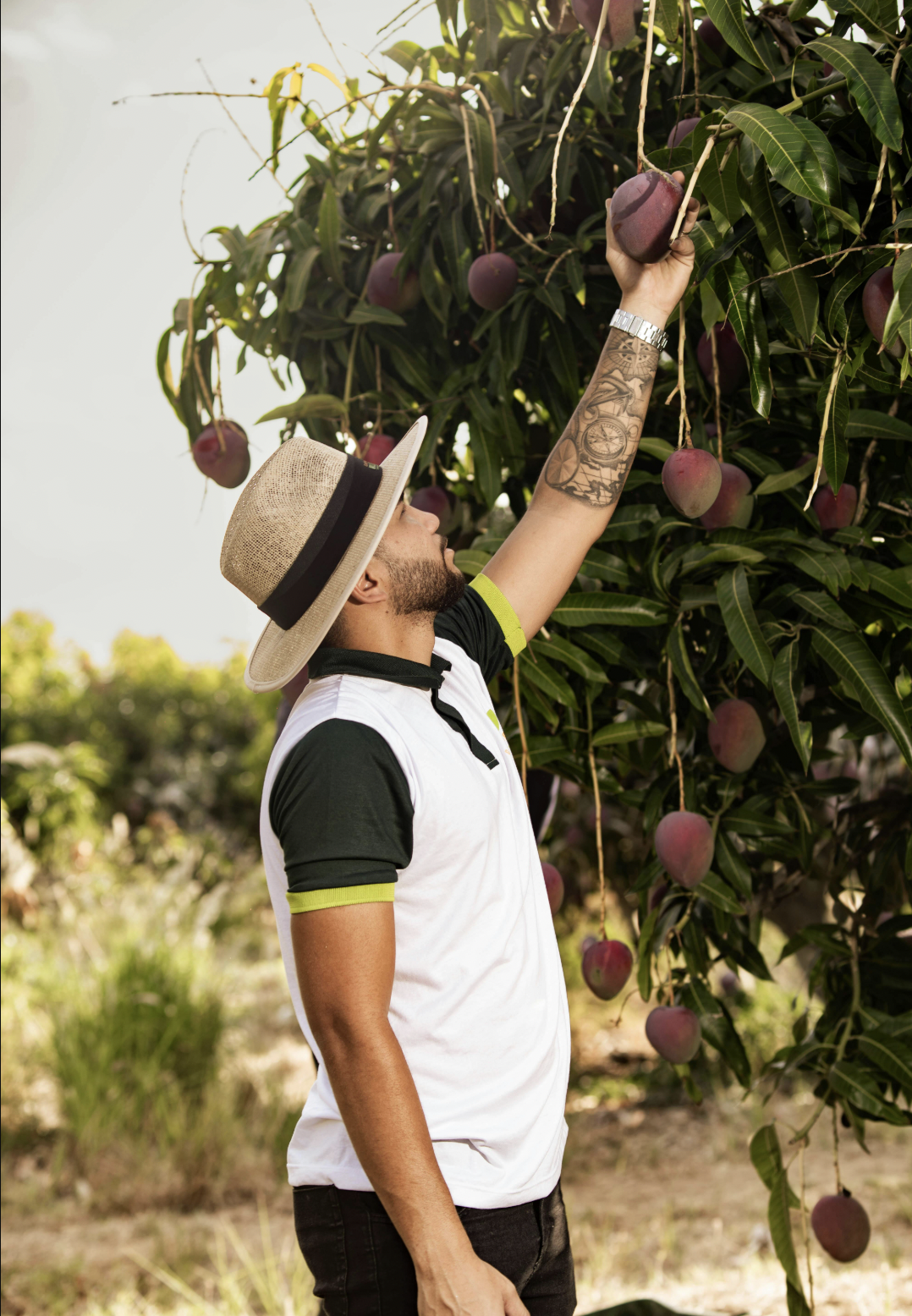
- When is Atkins mango ready to harvest? Harvest when the fruit shoulders fill out, the skin develops red, orange, or yellow color, and the stem end gives off a fruity mango aroma. Tommy Atkins can be picked mature-green and ripened indoors, but fruit left too long on the tree may suffer from pests, splitting, or internal breakdown. Use clippers and leave a short stem to reduce sap burn.
- Why is my Tommy Atkins mango flowering but not setting fruit? Poor fruit set is commonly caused by cool, wet, or windy weather during bloom, lack of pollinating insects, anthracnose or powdery mildew on flowers, excessive nitrogen fertilizer, or drought stress. Improve airflow with pruning, avoid overhead watering during bloom, reduce high-nitrogen feeding, and plant flowering companion plants nearby to attract pollinators.
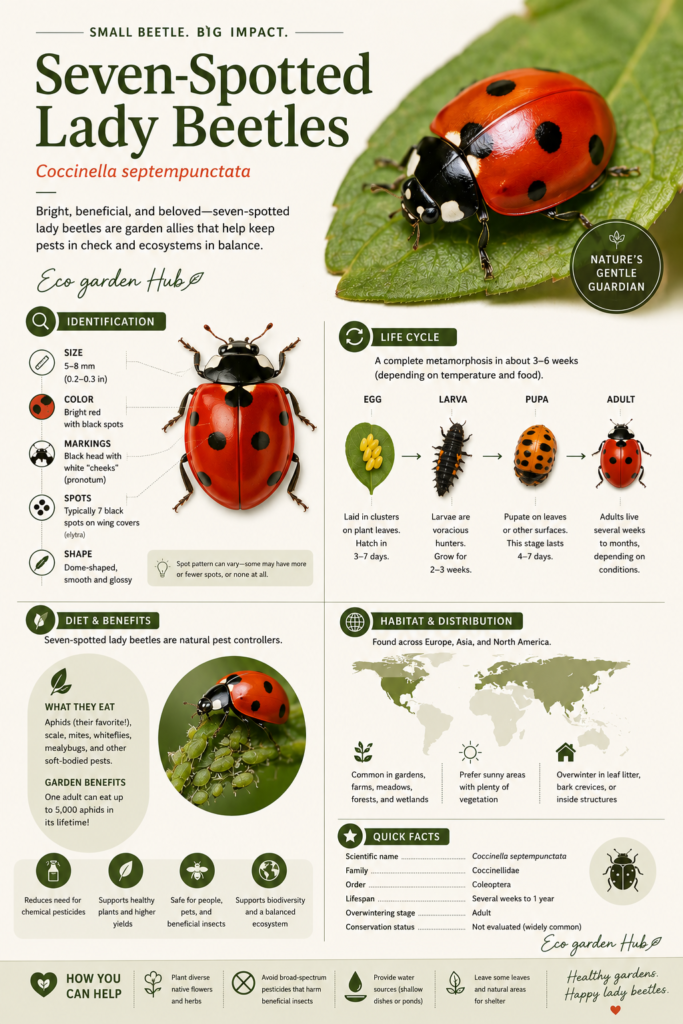
- How can I control mango pests without chemicals? Use non-chemical pest control by keeping the tree open and pruned, removing fallen fruit, bagging young fruit with paper or mesh bags, washing off mealybugs or scale with a strong water spray, pruning out heavily infested twigs, and encouraging beneficial insects such as lady beetles, lacewings, and parasitoid wasps. For fruit flies, sanitation and fruit bagging are the most effective home-garden tactics.
- What causes black spots on Tommy Atkins mango leaves, flowers, or fruits? Black spotting is often caused by anthracnose, a fungal disease favored by humid, rainy weather. Manage it by pruning for airflow, removing infected leaves and mummified fruit, avoiding overhead irrigation, cleaning up fallen debris, and harvesting fruit before prolonged wet periods. Tommy Atkins has moderate disease tolerance, but it can still develop anthracnose in humid climates.
- How much sun does a Tommy Atkins mango tree need? Tommy Atkins mango needs full sun, ideally 8 or more hours of direct light daily. Trees grown in shade become leggy, flower poorly, and produce less sweet fruit. Plant it in the warmest, sunniest, most wind-protected part of the garden, especially in marginal subtropical areas.
- How often should I water a Tommy Atkins mango tree? Water newly planted trees deeply 1 to 2 times per week during warm weather, allowing the soil surface to dry slightly between waterings. Established in-ground trees are drought tolerant but produce better with deep watering during fruit development. Avoid constant wet soil, which can cause root rot. A drier period before bloom can help flowering, but do not severely stress young or container trees.
- What fertilizer does Tommy Atkins mango need? Use a balanced fruit-tree fertilizer while the tree is young, then reduce nitrogen once it reaches bearing size. Too much nitrogen encourages leafy growth at the expense of flowers and can worsen disease pressure. Mature mango trees generally benefit from potassium, magnesium, and micronutrients such as zinc, manganese, and boron, especially in sandy or alkaline soils.
- How should I prune a Tommy Atkins mango tree? Prune immediately after harvest, not during winter or bloom. Tommy Atkins is vigorous, so tip-prune young trees to create a low, spreading canopy with 3 to 4 main scaffold branches. Remove crossing limbs, dead wood, and dense interior growth to improve airflow and pest access. Keep home-garden trees at 10 to 15 feet tall for easier harvest and fruit bagging.
- Can Tommy Atkins mango be grown in a container? Yes, but Tommy Atkins is a vigorous variety and needs a large container, preferably 25 to 50 gallons or larger. Use a fast-draining mix, choose a grafted tree, prune after harvest to control size, and provide full sun. Container trees need more frequent watering and feeding than in-ground trees but must never sit in waterlogged soil.”