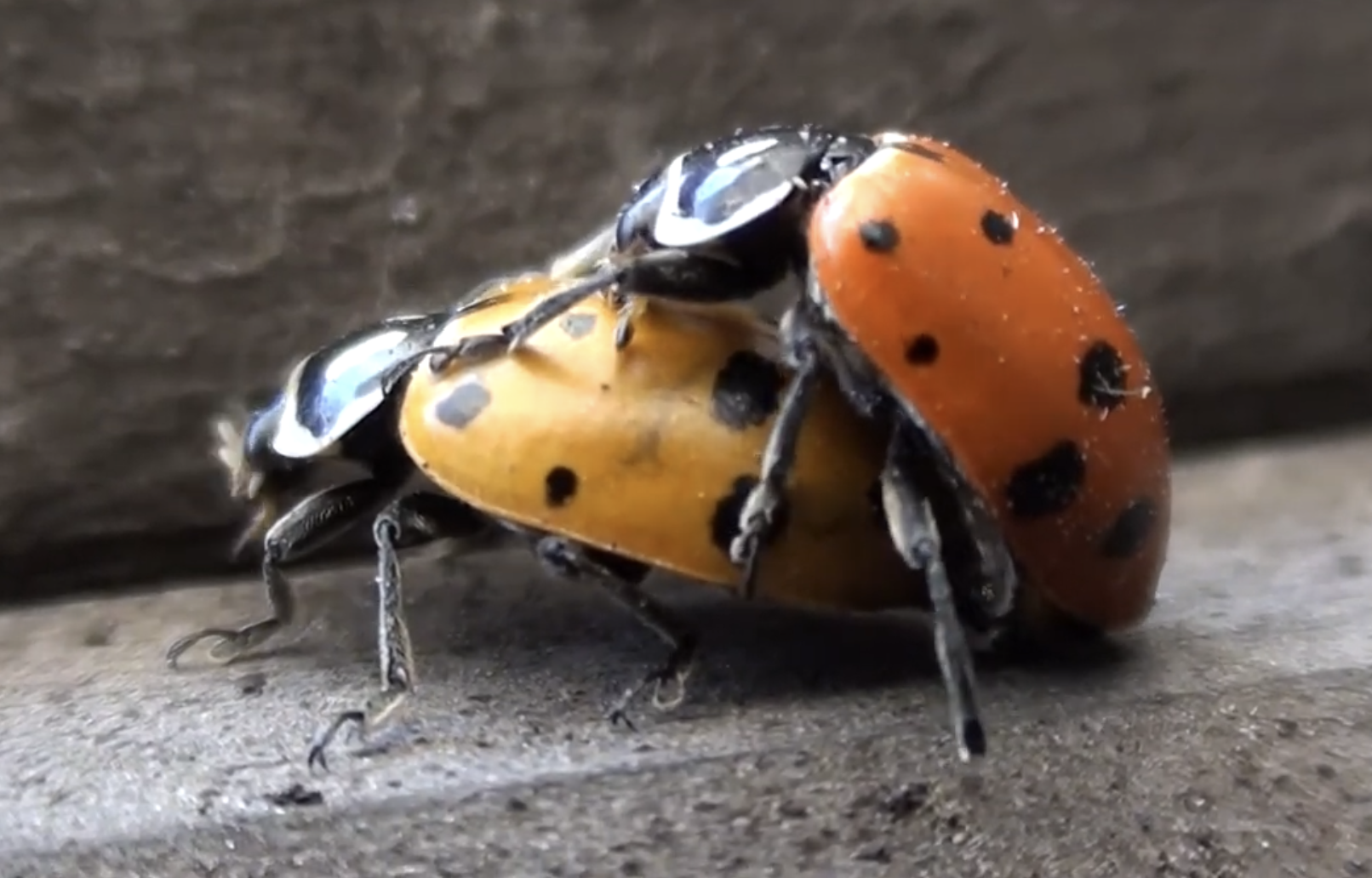
The Convergent Lady Beetle (Hippodamia convergens) is a crucial player in biological pest management, known for its voracious appetite for aphids and other soft-bodied insects. A key species within the coccinellids family, these beetles are vital predatory insects for both organic gardening and large-scale agricultural practices. Their role as aphid predators not only contributes to garden ecology but also supports integrated pest management (IPM) strategies by reducing reliance on chemical pesticides.
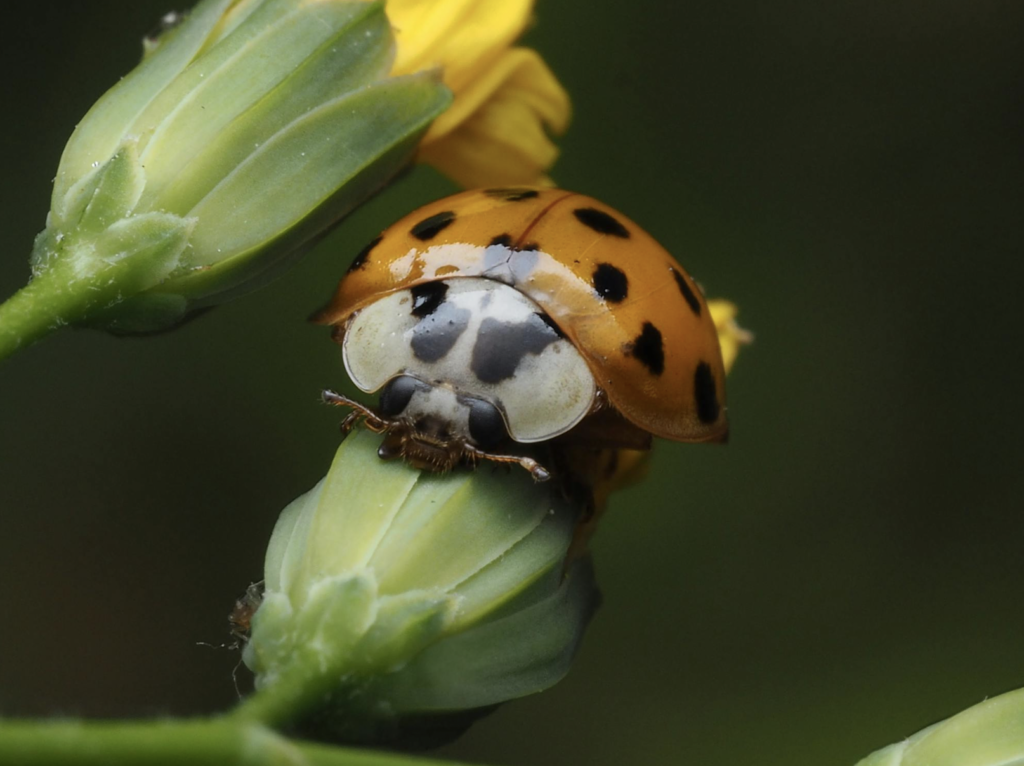
Understanding the Lifecycle of Hippodamia Convergens
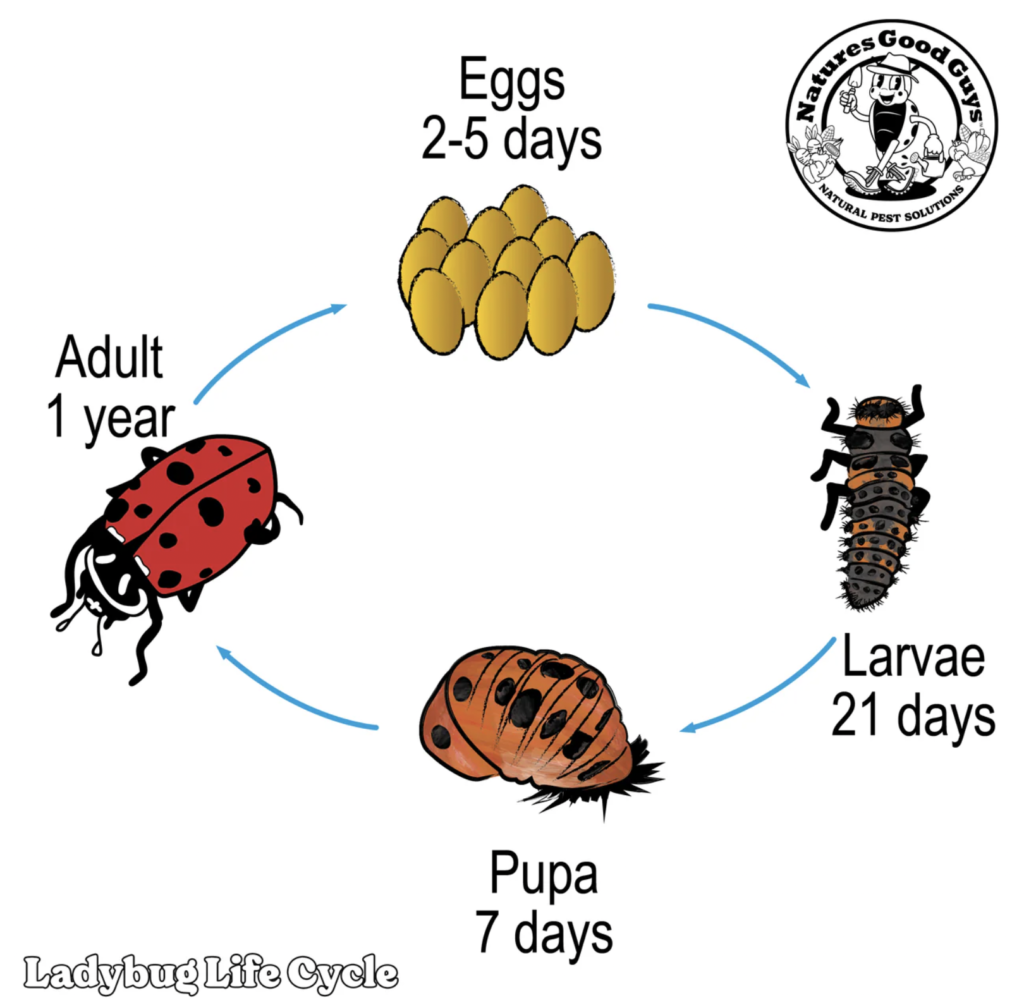
The lifecycle of Hippodamia convergens is a well-coordinated progression through egg, larva, pupa, and adult stages. Adult females lay clusters of yellow, oval-shaped eggs near aphid colonies. Within 3 to 5 days, these eggs hatch into larvae, commonly known as aphid lions, eager to hunt and feed on pests like aphids, scales, and thrips.
Egg Stage | Embryonic Stage
The egg stage is the beginning of the ladybug’s lifecycle, lasting just a few days. Females deposit these yellow eggs on the underside of leaves or near prey populations to ensure a ready food source for emerging larvae. The strategic placement of eggs in proximity to aphid clusters is essential for the initial larval stage of development.
Larva Stage | Nymph Stage
Larvae emerge from eggs resembling tiny alligators, characterized by elongated bodies with protruding legs. As competent aphid predators, they are known to consume hundreds of pests during this stage. This appetite facilitates effective aphid control and plays a significant role in reducing garden pest populations, making them valuable allies in organic farming.
Pupa Stage | Transformation Stage
Following their extensive feeding stage, larvae attach themselves to a secure leaf or stem to undergo pupation. In this transitional phase, internal transformations occur as the larvae develop into adults. The pupation process lasts about a week, culminating in the emergence of an adult Convergent Lady Beetle.
Adult Stage | Maturity Stage
Adult Convergent Lady Beetles exhibit the iconic orange-red color with black spots. Equipped with well-developed organs for flight and hunting, adults continue to consume a substantial number of aphids throughout their lifespan. Their reproductive and feeding activities ensure constant suppression of pest populations, aligning with broader biological pest management goals.
The Role of Hippodamia convergens in Garden Ecology and Organic Farming
These Lady Beetles contribute significantly to garden ecology and the sustainability of organic farms through their role as beneficial beetles and predatory insects. Their predation helps maintain balance within insect populations by targeting common pests. This naturally mitigates the potential damage to crops and ornamental plants without introducing chemical residues into the environment.
- Aphid Control and Integrated Pest Management: Lady beetles such as Hippodamia convergens are integral to IPM strategies that emphasize prevention, monitoring, and control of pests. By efficiently managing aphid populations, these beetles minimize the need for synthetic pesticides. Their activity supports the ecological health of gardens and agricultural landscapes, fostering increased biodiversity and sustainable practices.
Benefits of Convergent Lady Beetles as Aphid Predators
The aphid control executed by Hippodamia convergens aids in limiting the spread of plant diseases transmitted by these pests. They reduce aphid fecundity by direct consumption, disrupting aphid life cycles and preventing substantial infestations. As a result, plants benefit from improved health and growth conditions, culminating in higher yields for farmers and better aesthetics for home gardeners.
How to Attract and Sustain Convergent Lady Beetles
Gardeners can attract and sustain populations of Convergent Lady Beetles by maintaining diverse plantings and reducing pesticide use. Plant companions such as members of the daisy, dill, and clover families provide necessary nectar sources for adult beetles, promoting their longevity and reproductive success. Additional habitat such as garden debris or well-structured vegetation can further enhance their presence.
Assisting Lady Beetles with Shelter and Water
Supplying adequate shelter and moisture is essential for promoting lady beetle activity. Rocks and mulch can offer refuge during inclement weather, while shallow water sources can prevent dehydration in dry seasons. Creating a lady beetle-friendly habitat integrates them successfully into any garden ecosystem, enhancing their efficacy as biological control agents.
Introducing Convergent Lady Beetles to New Environments
In cases where gardening settings lack natural populations, introducing convergent lady beetles can prove beneficial. Prior to release, ensure gardens host ample aphid colonies to maintain beetle survival and efficacy. Gradual introductions support predator-prey balance, ultimately stabilizing pest populations and preserving plant health.
Monitoring and Evaluating Lady Beetle Effectiveness
Consistent monitoring is vital to evaluate the impact of Convergent Lady Beetles in pest management programs. Regular inspection of aphid populations following introduction helps assess their reduction and the beetles’ overall effectiveness. Supplementary strategies, such as periodic release, might enhance results where natural establishments face persistent pest pressure.
Conclusion
Convergent Lady Beetles, by their biological and ecological attributes, play an indispensable role in pest management through natural aphid control. Their effective lifecycle, adaptability, and integration into garden ecosystems render them invaluable to organic gardening and IPM practices. With sustainable gardening measures, these beneficial beetles significantly contribute to healthier, more resilient plant environments.
Overall, understanding and leveraging the full potential of Hippodamia convergens can boost agricultural productivity and foster environmental health, underscoring their importance in contemporary ecological strategies.