


The 20 fiercest apex predators in the world are the animals that sit at the very top of their food chains with no natural predators of their own and that back up that status with staggering bite force, ruthless hunting efficiency, and sheer physical dominance. From a crocodile that bites down with one of the strongest measured force on Earth to a two-pound cat that kills more often than a lion, this ranked guide brings the hard numbers together in one place so you can see exactly what “fierce” really means.
Most lists you’ll find simply parade the usual eight animals with a sentence each. This one ranks 20 across land, sea, and air using a transparent, data-driven method and explains why each earns its spot. Let’s get into it.
What Is an Apex Predator?
An apex predator is a species that occupies the highest trophic level in its ecosystem and has no natural predators as a healthy adult. The word “apex” comes from the Latin for “peak” or “top,” and in ecology these animals are defined by their position in the transfer of energy through a food web rather than simply by how scary they look.
Apex predators are frequently also keystone species, animals whose influence on their environment is far larger than their raw numbers would suggest. By controlling prey density and suppressing smaller “mesopredators,” they set off ripple effects that regulate disease, protect vegetation, and preserve biodiversity. When they are removed or introduced, ecologists observe dramatic “trophic cascades” that reshape an entire landscape.
That ecological weight is what separates a true apex predator from an animal that is merely dangerous. A hippo is deadly, but it’s a herbivore defending itself; a great white shark is an apex predator that hunts to survive at the top of the marine web.
How We Ranked the Fiercest Apex Predators
“Fiercest” is not a single number, so we scored each candidate across five dimensions that together capture predatory dominance:
- Lethality & weaponry: teeth, claws, talons, venom, and the physical tools used to kill.
- Bite force: measured in pounds per square inch (PSI) where reliable data exists.
- Hunting success rate: the proportion of hunts that end in a kill, drawn from field studies.
- Size, strength & speed: the raw physical package.
- Ecological dominance: how completely the animal rules its environment with no natural predators.
Where possible we’ve included real figures from peer-reviewed research and reputable science outlets. A quick, important caveat: bite-force and hunting-success numbers vary between studies, populations, and individual animals, so treat them as well-supported estimates rather than fixed constants. With that framework set, here is the ranked list.
Apex Animals List 2026
Among the apex animals list 2026 are some of the most captivating and fearsome creatures on the planet. These include iconic species such as the Siberian Tiger, Polar Bear, Great White Shark, and the African Lion. Each plays a unique role in its respective habitat, enforcing the natural order and sustaining its ecosystem.
1. Killer Whale Orca | Orcinus orca
Biogeography & Evolutionary Provenance: Orcas are the largest members of the dolphin family and have a cosmopolitan distribution. They are currently divided into various “ecotypes” (e.g., Residents, Transients, Offshores) that may eventually be recognized as separate species. In 2026, the “Iberian Orcas” have gained global attention for their coordinated “rudder-striking” behavior on sailing vessels, a cultural trait that has spread through the population. Their evolution is defined by “cultural transmission”—the ability to learn and pass on complex behaviors.
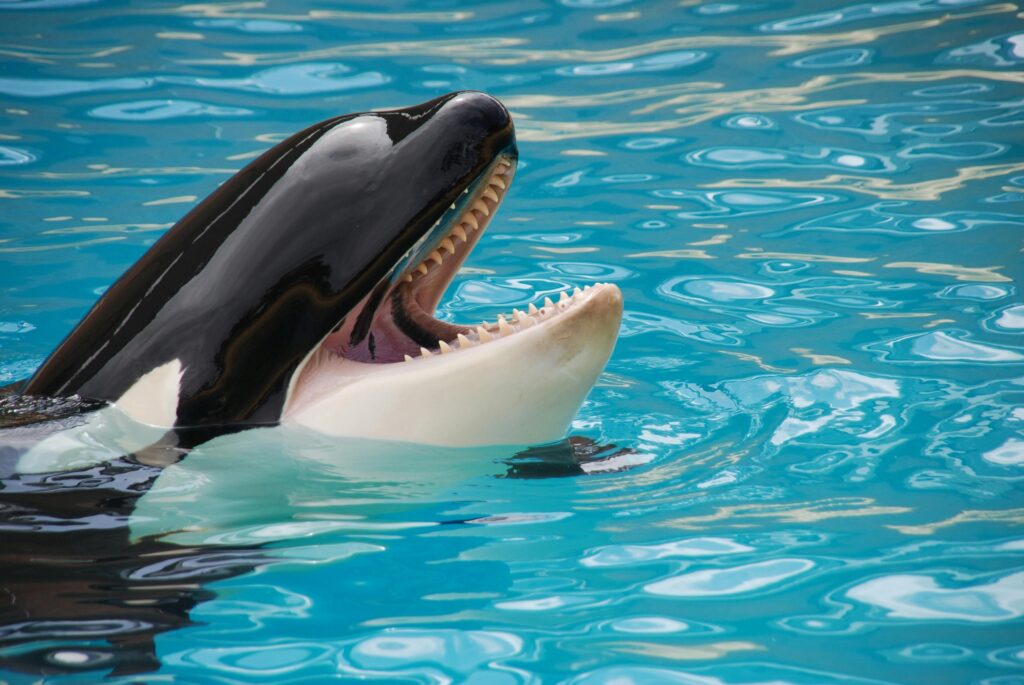
Trophic Ecology & Social Dynamics: Orcas are the undisputed #1 apex predator, utilizing “pod-specific” hunting techniques like creating waves to wash seals off ice or “surgical” removal of shark livers. They are the only animals known to hunt Great White Sharks and Blue Whales. Their social structure is “matrilineal,” led by post-menopausal females who act as repositories of ecological knowledge.
No animal is off the menu. Different pods specialize in different prey, fish, seals, penguins, sea turtles, large whales, and even great white sharks, which orcas have been documented killing to eat their nutrient-rich livers. With no natural predator anywhere in the world’s oceans, the orca sits at the very top of the marine food web.
2. Great White Shark | Carcharodon carcharias
Biogeography & Evolutionary Provenance: The Great White is the largest extant macropredatory fish, part of a lineage of lamnid sharks that evolved to thrive in temperate coastal waters. Their biogeography is currently undergoing a “climate-driven range shift,” with significant poleward movements observed in both the Northern and Southern Hemispheres. As of 2026, a notable “ecosystem exodus” has been documented in South Africa’s False Bay, as individuals have abandoned historical sites to avoid specialized predation by Orcas. Current strongholds include the Neptune Islands (Australia), Dyer Island (South Africa), and the Farallon Islands (USA).
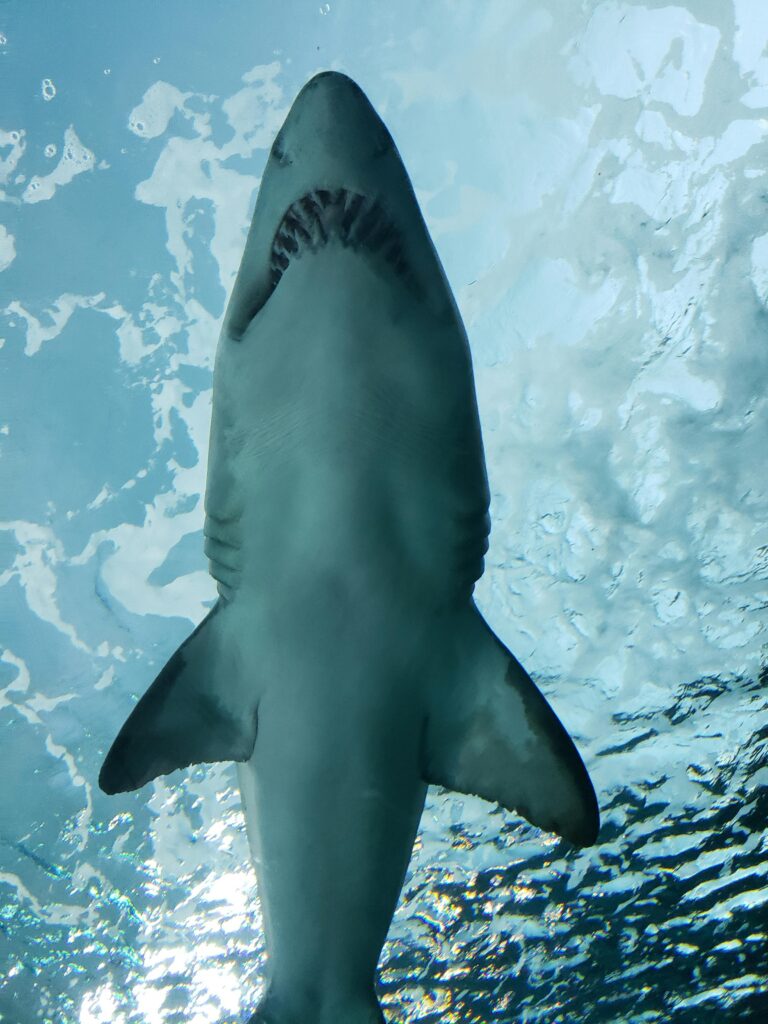
Trophic Ecology & Social Dynamics: They utilize a high-velocity “ambush-from-below” strategy, often breaching the surface to incapacitate pinniped prey. Their physiology is unique for fish, featuring regional endothermy (warm-bloodedness), which allows for enhanced muscle performance in cold, nutrient-rich hunting grounds. While primarily solitary, they exhibit complex non-aggressive social hierarchies at carcass sites, using pectoral fin displays to settle disputes without physical conflict.
Great whites detect a single drop of blood in vast volumes of water and sense the faint electrical fields of prey through specialized organs. As one of the sea’s top predators, they help regulate populations of seals, sea lions, and fish across coastal ecosystems worldwide, a role only complicated by the orca that occasionally hunts them.
3. Saltwater Crocodile | Crocodylus porosus
Biogeography & Evolutionary Provenance: This species is a living relic of the crocodylian lineage that survived the K-Pg extinction event. Their range spans the Indo-Pacific, from the eastern coast of India to northern Australia. In 2026, Northern Australia is experiencing a population saturation point, leading to increased “exploratory migrations” into urbanized coastal areas. Their evolutionary success is attributed to their specialized “salt glands,” which facilitate long-distance oceanic crossings between river systems, allowing them to colonize remote islands across the South Pacific.
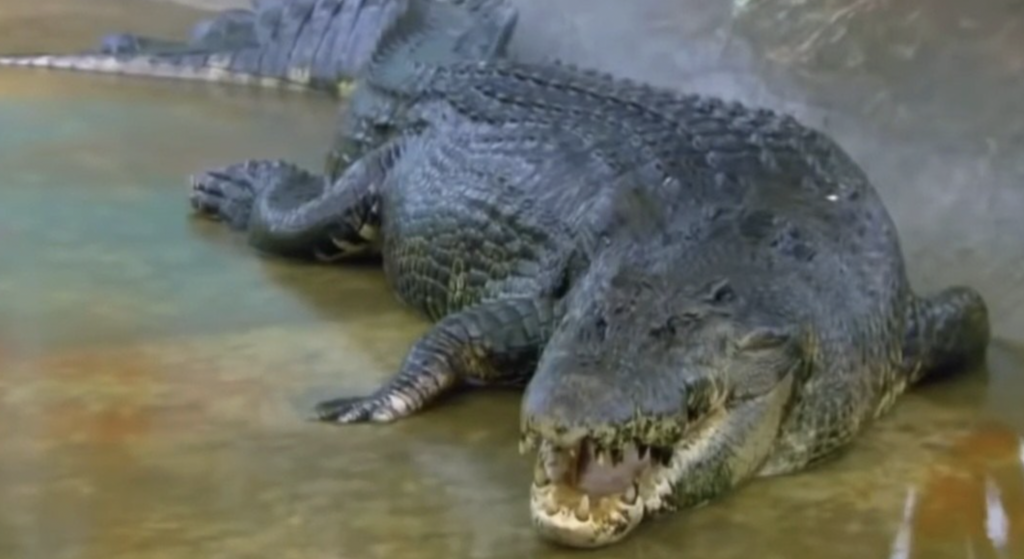
Trophic Ecology & Social Dynamics: As the largest living reptile, they possess the highest recorded bite force of any animal (3,700 psi / 25,500 kPa). What makes the saltwater crocodile the fiercest apex predator on this list is the combination of that bite with patience and the infamous “death roll.” It can lie motionless for hours before exploding out of the water to seize water buffalo, sharks, wild boar, and occasionally humans, then spin violently to dismember prey. Found from eastern India through Southeast Asia to northern Australia, it rules every waterway it inhabits.
4. Siberian Tiger | Panthera tigris altaica
Biogeography & Evolutionary Provenance: Also known as the Amur tiger, this subspecies is the largest feline on Earth. Their range is restricted to the birch and pine forests of the Russian Far East and Northeast China. A groundbreaking 2026 conservation milestone has been the successful translocation of the first four “foundational” Amur tigers into Kazakhstan’s Ile-Balkhash State Nature Reserve, marking the return of the tiger to Central Asia after seven decades. This reintroduction relies on the genetic proximity of the Amur tiger to the extinct Turan (Caspian) tiger.
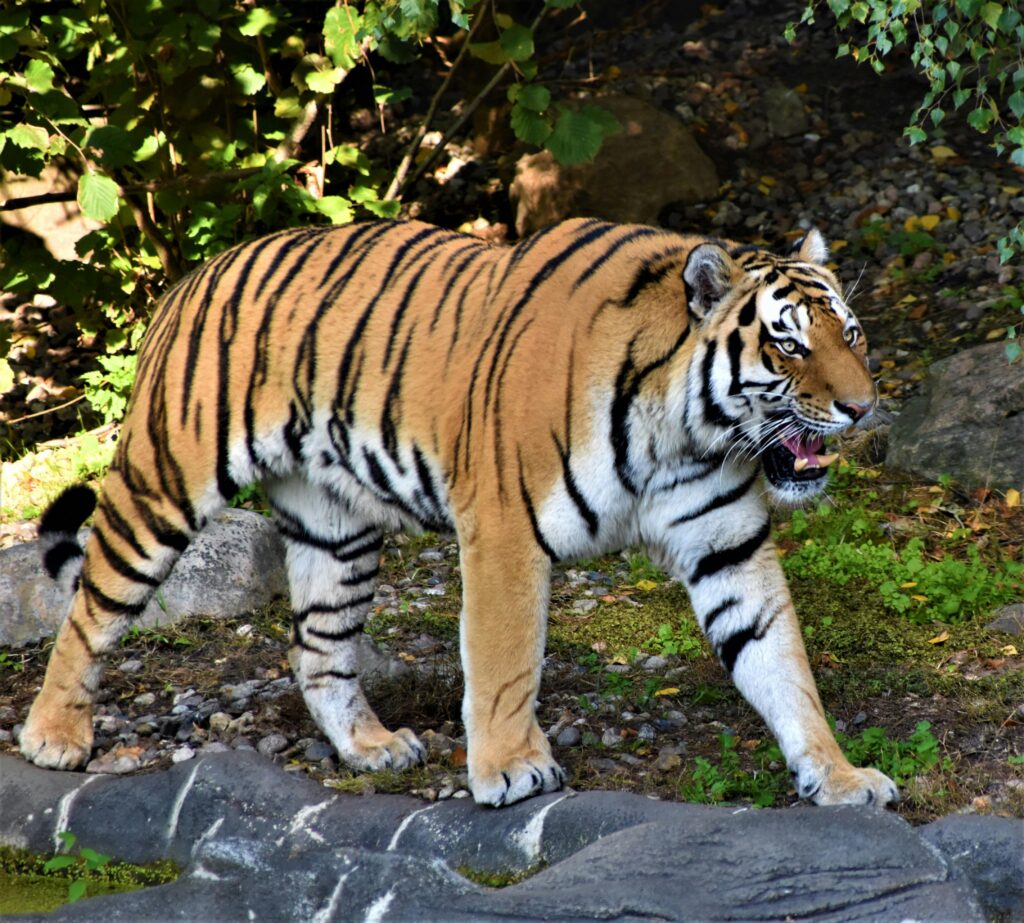
Trophic Ecology & Social Dynamics: They are solitary “ghosts” of the taiga, covering vast home ranges that can exceed 1,000km2. Stalking silently before an explosive rush, a tiger delivers a killing bite to the throat or nape. It hunts deer, wild boar, and even large buffalo, and shows little fear of confronting other predators. Habitats range across India, Bangladesh, Nepal, Russia, and Southeast Asia.
5. Grizzly Bear | Ursus arctos horribilis
Biogeography & Evolutionary Provenance: The Grizzly is a North American subspecies of the Brown Bear, having migrated across the Bering Land Bridge during the Pleistocene. In 2026, they are at the center of intense “delisting” debates in the Greater Yellowstone Ecosystem, where populations have recovered to stable levels. However, climate change has decimated high-altitude food sources like whitebark pine seeds, forcing bears into lower elevations. Strongholds persist in Alaska, British Columbia, and the Northern Rockies.
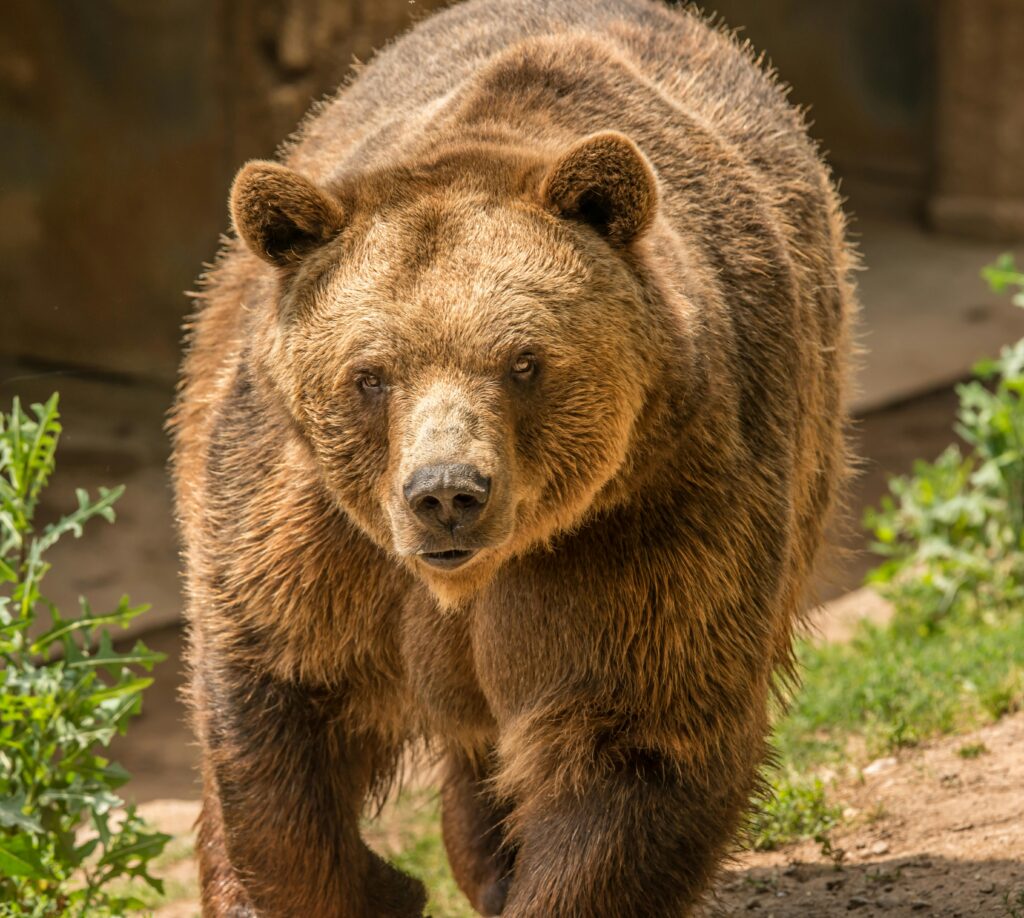
Trophic Ecology & Social Dynamics: Grizzlies are “ecosystem engineers” that significantly influence nutrient cycling through their foraging for salmon, tubers, and carcasses. Their hunting strategy is highly opportunistic, ranging from excavating ground squirrels to taking down adult elk. Socially, they are loose and hierarchical, with dominance established through size and aggression at high-density feeding sites. A common misconception is that they are naturally aggressive; in reality, most attacks are “defensive” encounters occurring when a bear is surprised at close range or is protecting a food cache or cubs.
6. African Lion | Panthera leo
Biogeography & Evolutionary Provenance: Lions are the only social big cats, once ranging across most of Africa, Europe, and the Middle East. Today, they are confined to fragmented savanna landscapes in sub-Saharan Africa. In 2026, the “fortress conservation” model is being challenged, as fenced reserves prevent necessary genetic exchange between prides. The Serengeti-Mara and the Greater Kruger remain the most significant strongholds, while the Asiatic subspecies (P. l. leo) maintains a tenuous existence in India’s Gir Forest.
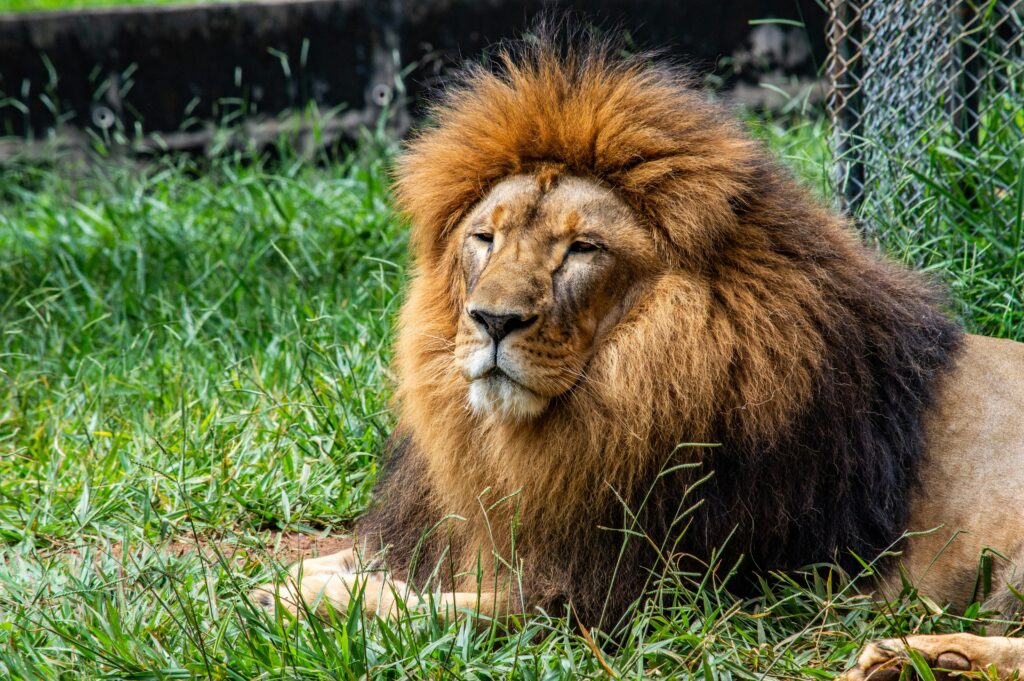
Trophic Ecology & Social Dynamics: Lion prides utilize a “cooperative ambush” strategy, with specific individuals assigned roles as “wings” or “centers” to funnel prey. That teamwork lets lions bring down zebra, wildebeest, and buffalo far larger than any single cat could manage. A male’s roar carries for miles, advertising control of territory. Though famously called the “king of the jungle,” lions actually rule the savannas and grasslands of sub-Saharan Africa, with a small population of Asiatic lions in India.
7. Green Anaconda | Eunectes murinus
Biogeography & Evolutionary Provenance: Native to the Orinoco and Amazon basins, this semi-aquatic boid is the heaviest snake in the world. Their lineage is specialized for the murky, low-oxygen environments of tropical swamps. By 2026, the primary threat to their biogeography is the “bioaccumulation” of heavy metals (specifically mercury) from illegal gold mining operations in the Amazon. While their range is extensive, they are increasingly rare in areas where the forest canopy has been breached by agricultural expansion.
Trophic Ecology & Social Dynamics: They are ambush constrictors that utilize their weight and the buoyancy of water to overpower prey as large as deer and caimans. They exhibit extreme sexual size dimorphism, with females being significantly larger than males. During the breeding season, they engage in “breeding balls,” where up to a dozen males compete for a single female. A Hollywood-driven misconception is their length; while massive, they rarely exceed 6 meters ($20$ feet), and historical reports of $10+$ meter anacondas remain unsupported by physical evidence.
8. Jaguar | Panthera onca
Biogeography & Evolutionary Provenance: The Jaguar is the only Panthera species in the Americas, with a range once extending as far north as the southern United States. In 2026, the “Jaguar Corridor Initiative” is the primary focus of Neotropical conservation, aiming to link isolated populations from Mexico to Argentina. The Brazilian Pantanal remains the undisputed stronghold, hosting the highest density of jaguars ever recorded. Their evolution is linked to a wet-habitat specialization, making them the most aquatic of the big cats.
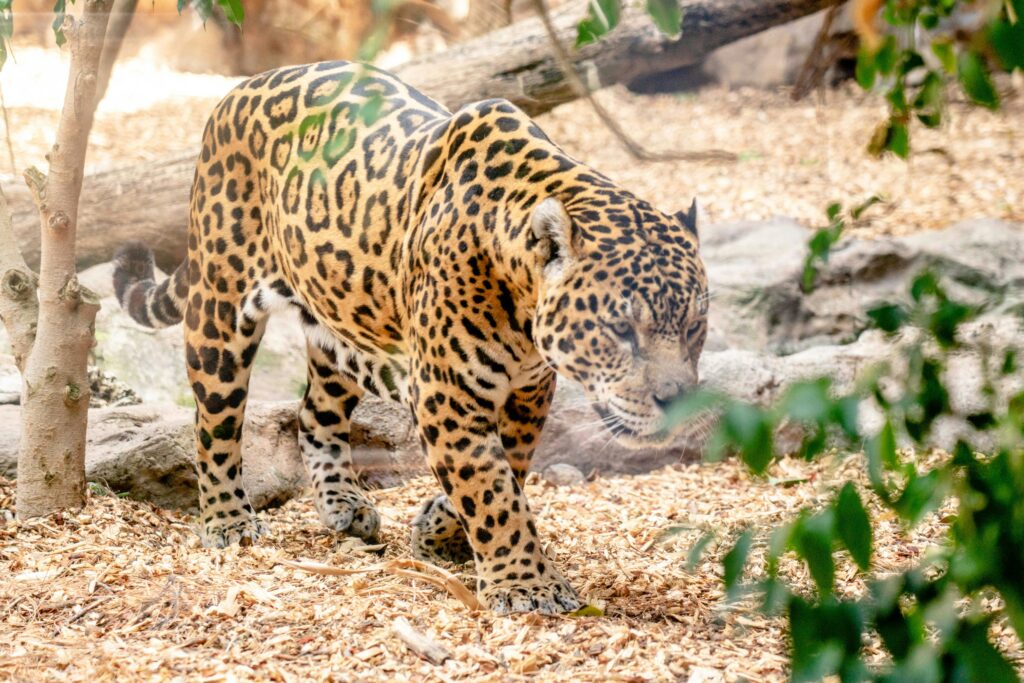
Trophic Ecology & Social Dynamics: Jaguars possess a “skull-crushing” bite, the strongest of the felines relative to body size, which allows them to pierce the shells of turtles and the skulls of caimans. The apex predator of the Amazon, the jaguar swims and climbs with ease, hunting caiman, capybara, deer, turtles, and anything else it can ambush. Indigenous peoples and field researchers alike describe its ambushing ability as nearly peerless, a compact powerhouse ruling Central and South American rainforests.
9. Snow Leopard | Panthera uncia
Biogeography & Evolutionary Provenance: Known as the “Ghost of the Mountains,” the Snow Leopard is a high-altitude specialist of Central Asia’s alpine biomes. Their lineage diverged from tigers approximately 2 million years ago. As of 2026, they are facing a “climate-induced habitat squeeze,” as the upward shift of the tree line reduces their available alpine tundra. Strongholds include the Altai Mountains of Mongolia and the Himalayas of Nepal, where community-based “guardianship” programs have been highly successful.
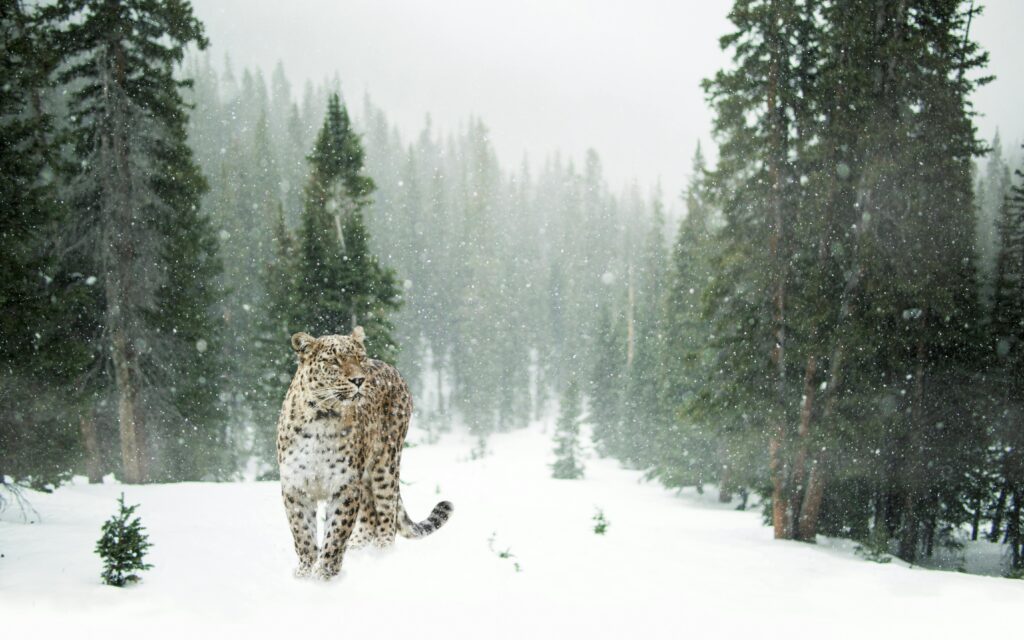
Trophic Ecology & Social Dynamics: They are solitary ambushers whose hunting strategy is optimized for steep, vertical terrain. They can leap up to 15 meters (50 feet) to strike prey such as blue sheep (bharal) and ibex. They are the apex regulators of the “Third Pole” ecosystem. A common misconception is their level of aggression; Snow Leopards are famously shy and have never been documented to attack a human in the wild, even when their primary prey is scarce and they are forced into proximity with livestock.
10. Spotted Hyena | Crocuta crocuta
Biogeography & Evolutionary Provenance: The Spotted Hyena is the most successful large carnivore in Africa, with an evolutionary history closer to cats than dogs. They thrived across Eurasia during the Pleistocene before being restricted to sub-Saharan Africa. In 2026, they are showing remarkable “anthropogenic resilience,” thriving on the edges of expanding human settlements where other predators have disappeared. Their largest concentrations remain in the Serengeti-Mara and the Okavango Delta.
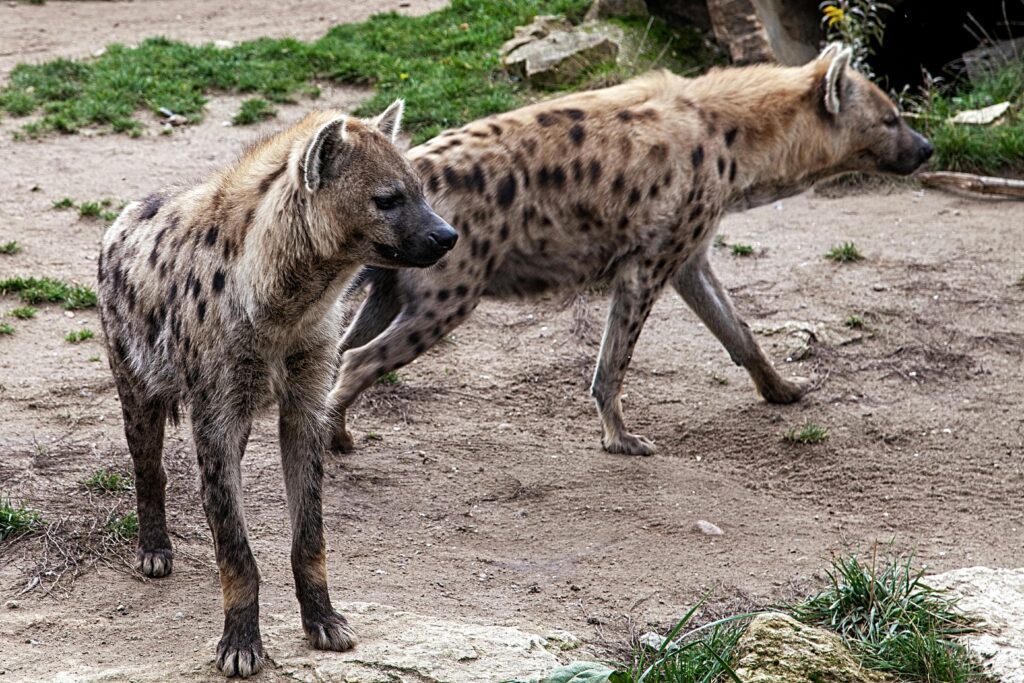
Trophic Ecology & Social Dynamics: With bone-crushing jaws capable of 1,100 psi (7,600 kpa), they are specialized to utilize entire carcasses, including marrow and bone. They are highly efficient pack hunters with a complex social structure—a female-dominated “clan” system with a strict hierarchy. A persistent misconception is that they are primarily scavengers; in reality, hyenas hunt for 60–90% of their food and are more likely to have their kills stolen by lions than the reverse.
11. Gray Wolf | Canis lupus
Biogeography & Evolutionary Provenance: The Gray Wolf is a Holarctic generalist that has achieved a massive recolonization of Western Europe. A March 2026 genomic study reveals that while numbers have reached $\sim 21,000$ in Europe, these populations are largely isolated lineages with low effective population sizes, making them vulnerable to inbreeding. Their evolutionary history is defined by multiple “expansion and contraction” cycles linked to glacial movements. Current strongholds include the Canadian wilderness, the Russian taiga, and the Northern Rockies.
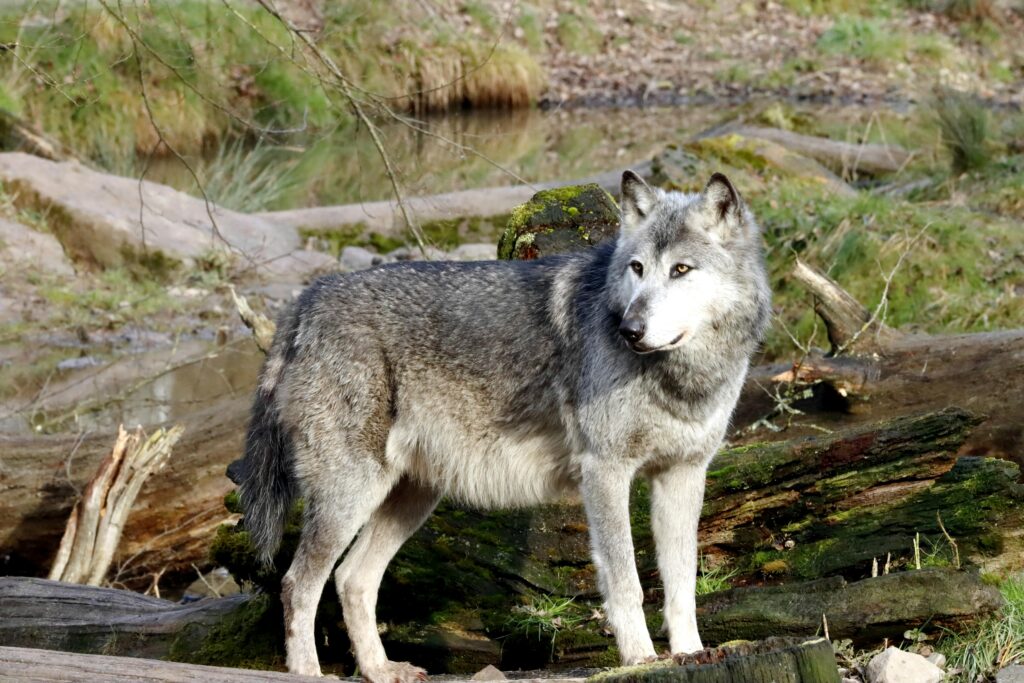
Trophic Ecology & Social Dynamics: Wolves are cursorial hunters, using “social intelligence” and pack coordination to wear down large ungulates over long distances. This cooperative strategy minimizes individual injury and maximizes the probability of a kill. They are the quintessential “keystone species,” triggering trophic cascades that improve entire ecosystem health. A common misconception is the rate of livestock depredation; in most regions, livestock makes up less than $1\%$ of their diet, usually occurring only when wild prey populations have collapsed.
12. Komodo Dragon | Varanus komodoensis
Biogeography & Evolutionary Provenance: The world’s largest lizard is an Indonesian endemic, restricted to five islands within the Komodo National Park. In 2026, their primary threat is rising sea levels, which are encroaching on the low-lying coastal nesting grounds. Their evolutionary lineage is a relic of giant varanids that once roamed Australia; they survived on these isolated islands through a process of “island gigantism.”
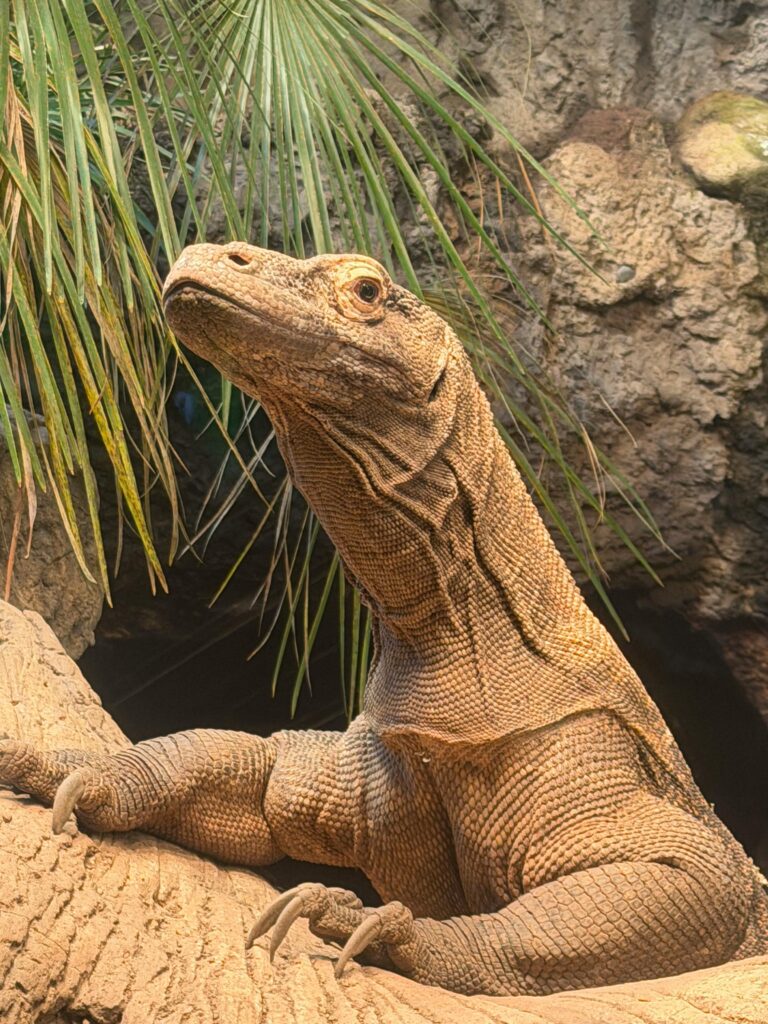
Trophic Ecology & Social Dynamics: They utilize a combination of serrated teeth, anticoagulant venom, and ambush to bring down prey as large as water buffalo. Socially, they are surprisingly intelligent, exhibiting size-based hierarchies and communal feeding behavior where younger dragons must climb trees to avoid being cannibalized by adults. A long-held misconception was that they killed through “septic bacteria” in their mouths; 21st-century research confirmed that complex venom glands are their primary lethal mechanism.
13. Harpy Eagle | Harpia harpyja
Biogeography & Evolutionary Provenance: This Neotropical giant is the world’s most powerful raptor, belonging to the “booted eagle” clade. Their range is centered in the lowland rainforests of Central and South America. By 2026, satellite data shows they have become “islands” of biodiversity within the fragmented “Arc of Deforestation.” Strongholds persist in Guyana and the deeper Amazon, where they serve as indicators of primary forest health.
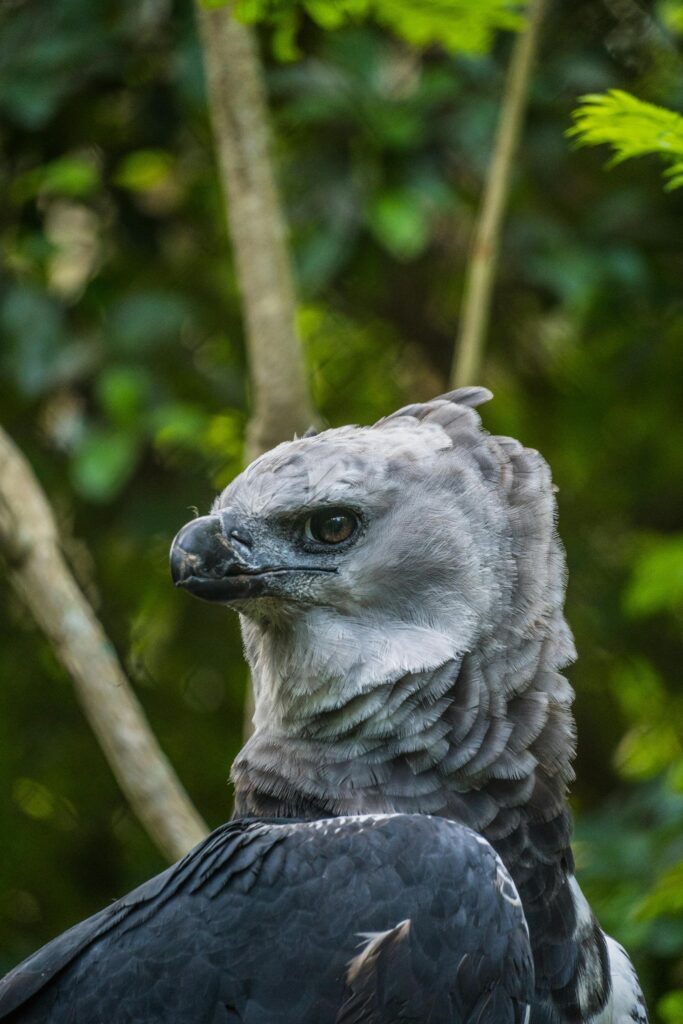
Trophic Ecology & Social Dynamics: Harpies are “sit-and-wait” predators of the canopy, utilizing massive $5$-inch talons to snatch sloths and monkeys from the trees. This strategy is an exercise in caloric efficiency, as their large prey provides sustained energy. They are generally solitary, defending vast territories of up to 10,000 hectares. A common misconception is their threat to livestock; while they may take an occasional piglet at the forest edge, stable isotope analysis shows their diet remains nearly 100% forest-dwelling mammals.
14. Peregrine Falcon | Falco peregrinus
Biogeography & Evolutionary Provenance: The Peregrine is a cosmopolitan specialist found on every continent except Antarctica. Following their near-extinction due to DDT, they have become one of the most successful avian recovery stories. In 2026, they are recognized as “urban apex predators,” nesting on skyscrapers in cities like New York and London. Their evolution is a study in high-speed aerodynamics, with specialized “baffles” in their nostrils to allow breathing during high-velocity dives.
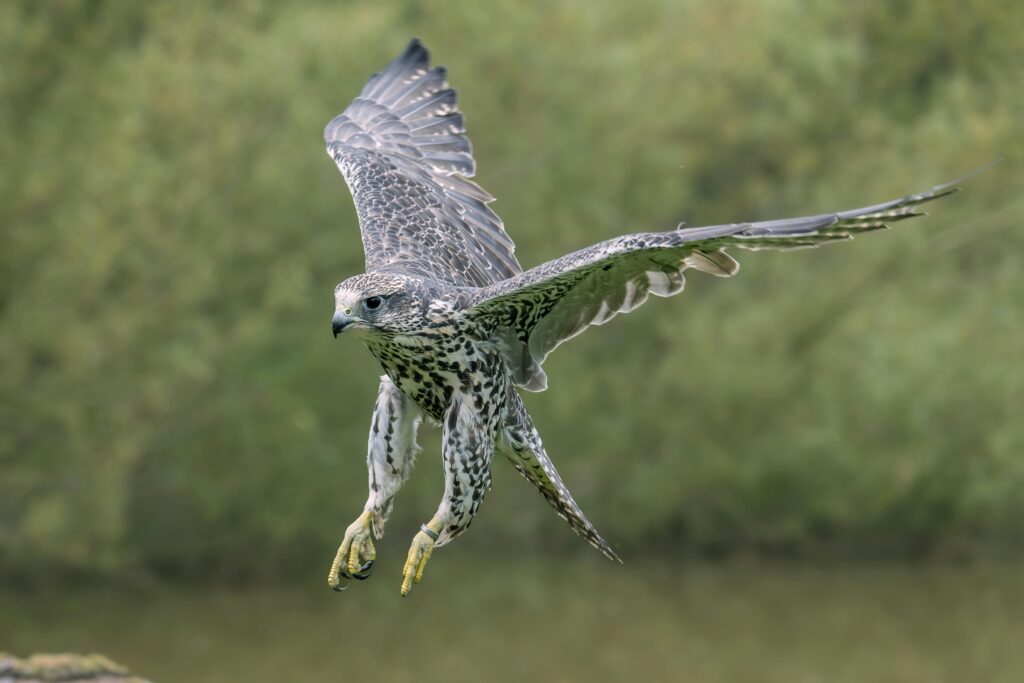
Trophic Ecology & Social Dynamics: Their hunting strategy, the “stoop,” involves a near-vertical dive reaching speeds of $240+$ mph ($107+$ m/s), delivering a kinetic strike to avian prey. This high-risk strategy is the fastest movement in the animal kingdom. While solitary hunters, they form long-term monogamous pair bonds. A misconception is that they “grab” their prey; in reality, the force of the strike usually kills the target instantly through blunt force trauma before the falcon retrieves it in mid-air.
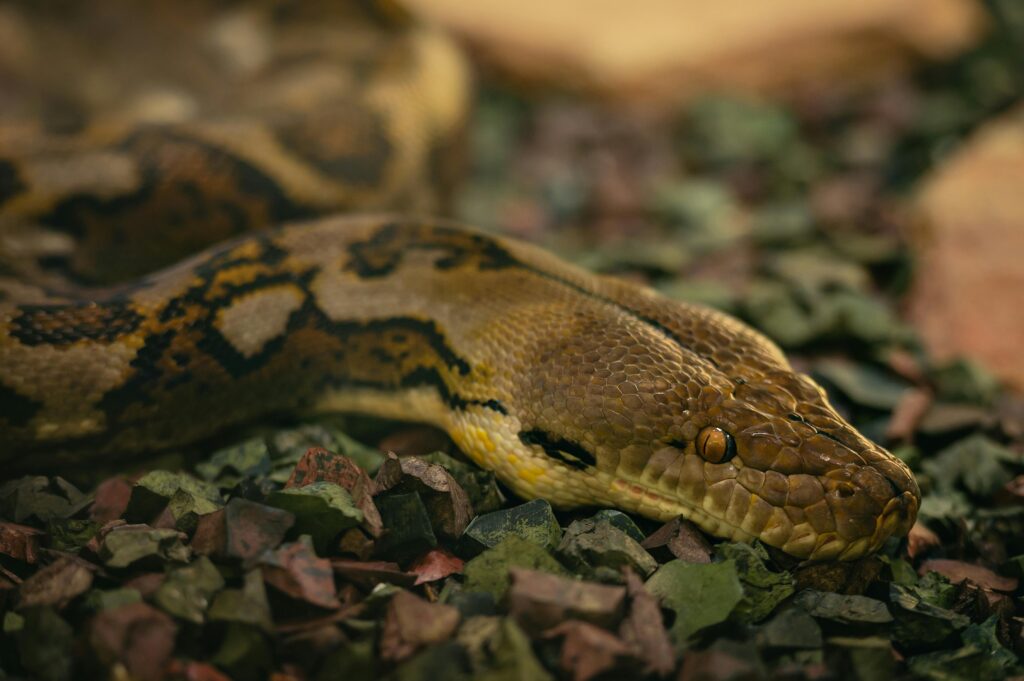
15. Burmese Python | Python bivittatus
Biogeography & Evolutionary Provenance: Native to the marshes of Southeast Asia, the Burmese Python has become the definitive invasive apex predator in the Florida Everglades. By 2026, their “invasion front” has pushed northward into Central Florida, fueled by warming winters. Their evolutionary lineage is characterized by extreme metabolic flexibility, allowing them to thrive in varied tropical and subtropical wetlands.
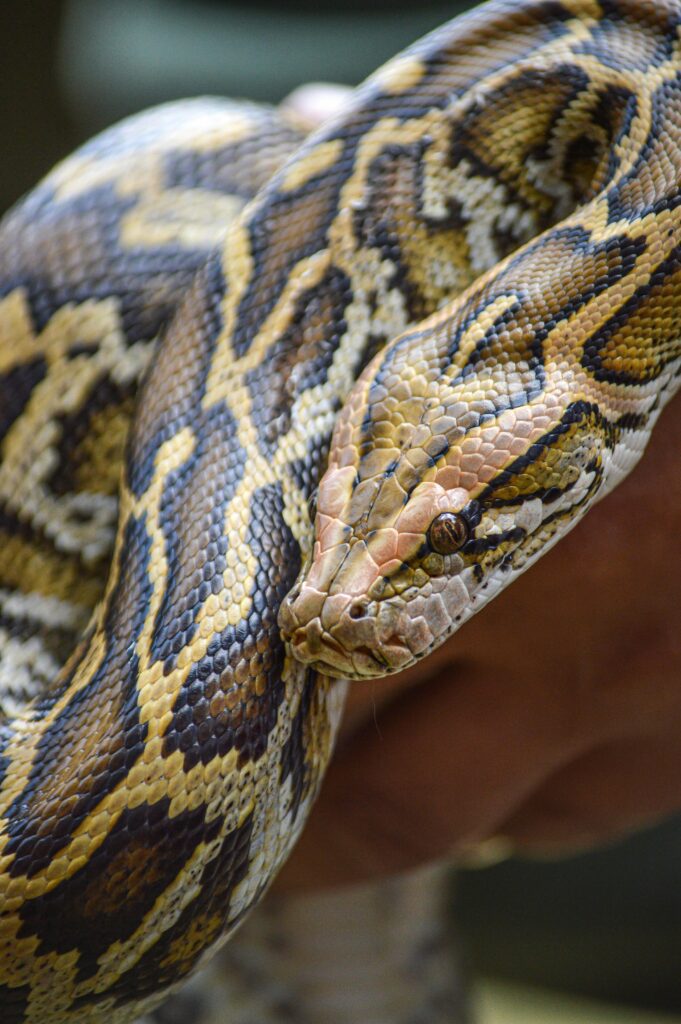
Trophic Ecology & Social Dynamics: As ambush constrictors, they utilize infrared-sensing pits to target warm-blooded prey in total darkness. In the Everglades, they have caused a near-total collapse of small mammal populations. They are strictly solitary outside of the breeding season. A common misconception is that they are a significant danger to humans; while they are capable of reaching 5+ meters, attacks on humans are exceedingly rare and typically occur only when the snake is cornered or misidentifies a limb in murky water.
16. African Wild Dog | Lycaon pictus
Biogeography & Evolutionary Provenance: This hypercarnivorous canid diverged from the Canis genus nearly $2$ million years ago. Their range is now highly fragmented across sub-Saharan Africa. As of March 2026, the global population is estimated at fewer than 7,000 individuals, with significant conservation efforts centered in South Africa’s Waterberg Biosphere. They require vast, contiguous territories to survive, making them highly susceptible to habitat fragmentation.
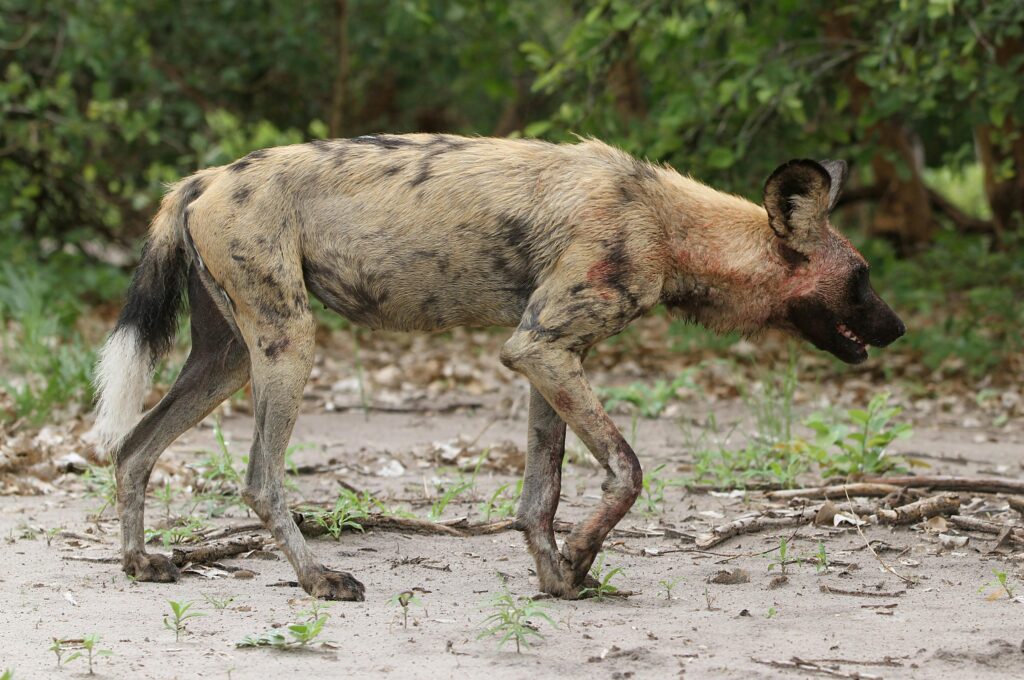
Trophic Ecology & Social Dynamics: They are “cursorial endurance” hunters with the highest success rate of any large mammal . They utilize a sophisticated “voting” system (using sneezes) to coordinate pack movements. Their social structure is extremely altruistic, with the entire pack sharing food and caring for the wounded. A misconception is that they are “cruel” hunters; their method of rapid disembowelment is an evolved strategy to consume prey as quickly as possible before larger scavengers like lions or hyenas arrive.
17. Giant Petrel | Macronectes spp.
Biogeography & Evolutionary Provenance: These pelagic “tubenoses” are the apex scavengers and predators of the Southern Ocean. Their biogeography is currently shifting southward as rising sea surface temperatures alter the distribution of Antarctic krill. Their evolution is defined by their salt-excreting “tubes” on the bill and their unique ability to hunt both on land and at sea. Strongholds include South Georgia and the Prince Edward Islands.
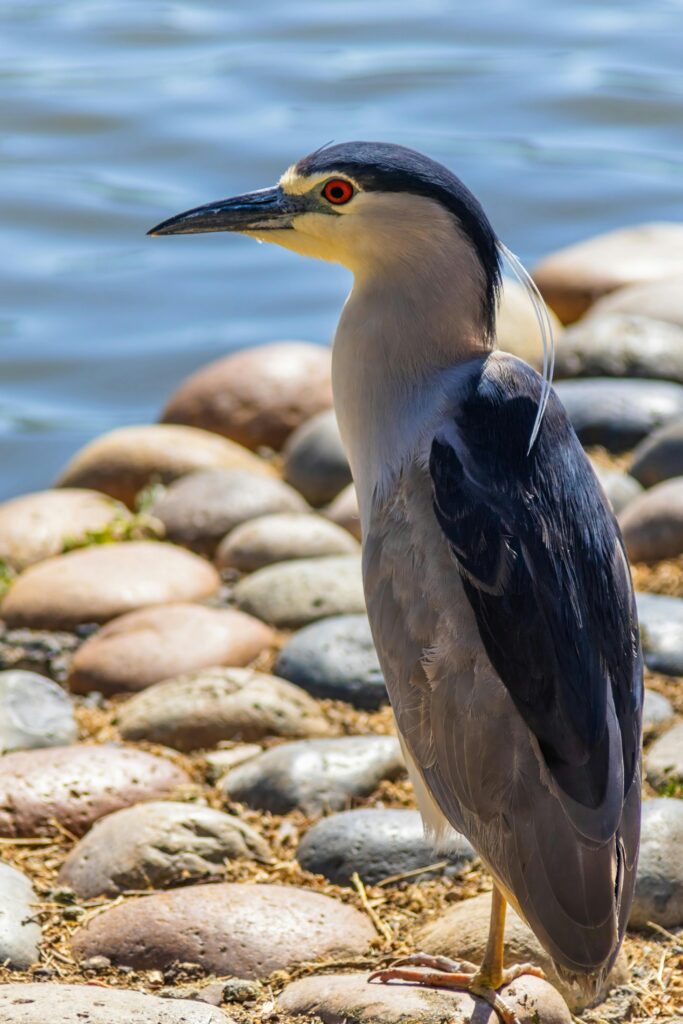
Trophic Ecology & Social Dynamics: They are the only “procellariids” that regularly forage on land, predating on penguin chicks and scavenging seal carcasses. At sea, they hunt squid and krill. Socially, they are aggressive and competitive at feeding sites, establishing a hierarchy based on size. A misconception is that they are “pure” scavengers; however, they are active and lethal predators of smaller seabirds, and their terrestrial hunting is a vital part of their energetic budget.
18. Tasmanian Devil | Sarcophilus harrisii
Biogeography & Evolutionary Provenance: The world’s largest carnivorous marsupial was once widespread across mainland Australia but has been restricted to Tasmania for $3,000$ years. In 2026, rewilding efforts at Barrington Tops (New South Wales) have successfully established a second year of wild-born joeys on the mainland. The primary threat remains the contagious Devil Facial Tumour Disease (DFTD), though 2026 research indicates some populations are developing genetic resistance.
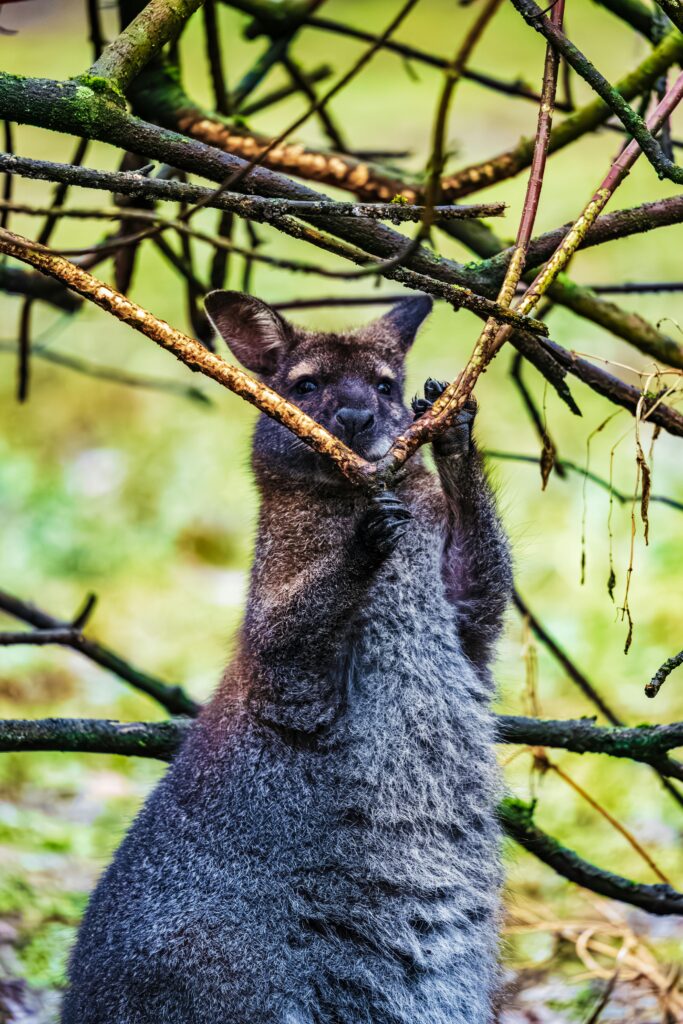
Trophic Ecology & Social Dynamics: Devils are “bone-crushing” specialists that fill the niche of both scavenger and predator. Their social dynamics involve communal feeding “frenzies” that facilitate social hierarchy and mate selection. They are vital “cleaners” of the ecosystem, preventing the spread of disease by consuming carrion. A misconception is that they are a threat to livestock; historical persecution was based on the false belief that they killed healthy sheep, whereas they almost exclusively target sick individuals or existing carcasses.
19. Praying Mantis | Order: Mantodea
Biogeography & Evolutionary Provenance: Mantids are a globally distributed lineage of Dictyoptera. In 2026, their range is expanding into northern latitudes due to “urban heat islands,” which allow them to survive in previously inhospitable climates. They are ancient predators, with their “raptorial” leg morphology appearing in the fossil record over $100$ million years ago. They are increasingly used in integrated pest management (IPM) across modern agricultural landscapes.
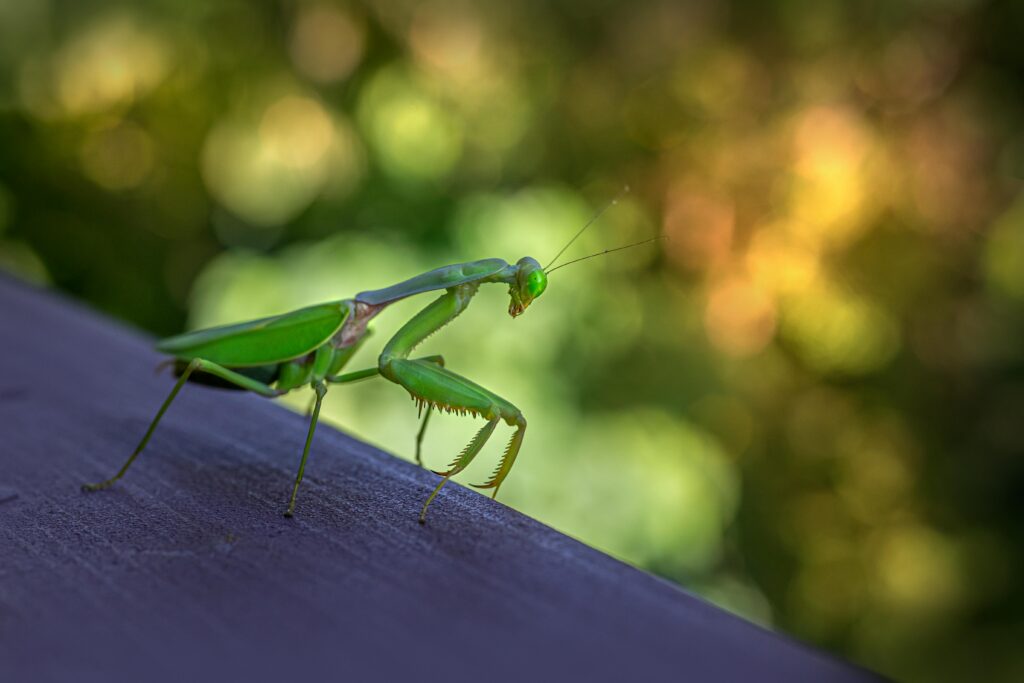
Trophic Ecology & Social Dynamics: They are high-efficiency ambushers that utilize a “sit-and-wait” strategy to minimize energy expenditure. Their social structure is strictly solitary and often cannibalistic. While primarily insectivorous, larger species are known to hunt vertebrates such as hummingbirds and small frogs. A misconception is that the female always eats the male during mating; in the wild, this only occurs in a small percentage of encounters, typically when the female is severely undernourished.
20. Dragonfly | Order: Anisoptera
Biogeography & Evolutionary Provenance: Dragonflies are among the oldest winged insects on Earth, with an evolutionary history dating back $300$ million years. Their range is cosmopolitan, but as of 2026, “specialist” species are declining due to the chemical contamination and desiccation of freshwater wetlands. They are critical “bioindicators” of water quality. Regional strongholds include the tropical wetlands of the Amazon and the Mekong.
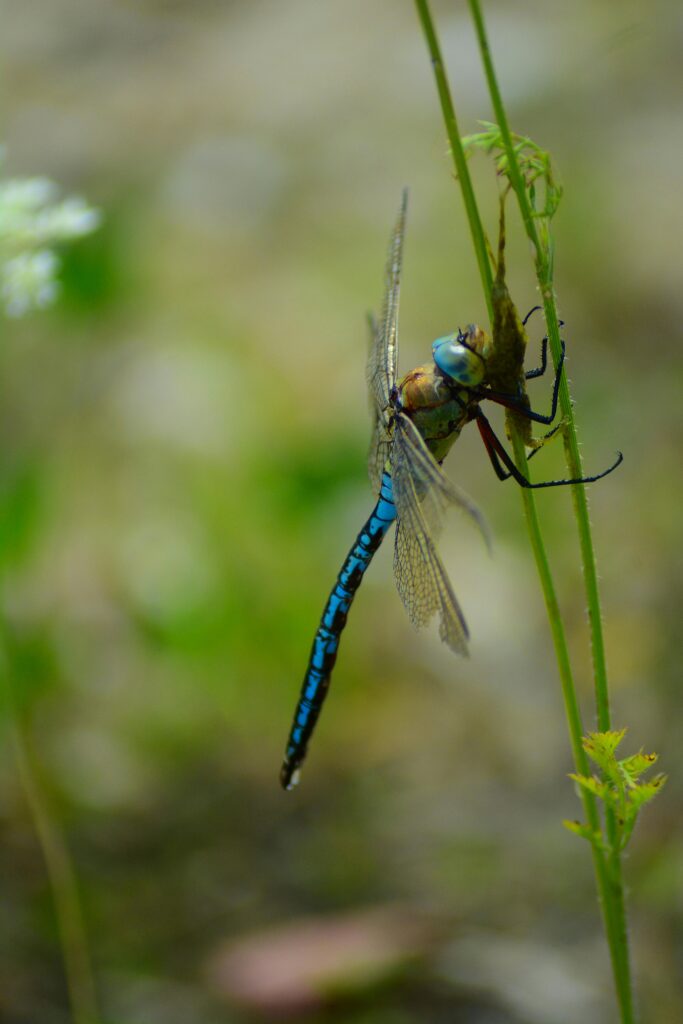
Trophic Ecology & Social Dynamics: They are the most “successful” predators on the planet, with approx 95% kill rate. They utilize four independently controlled wings to intercept prey in mid-air, a strategy requiring massive neural processing. They are largely solitary and highly territorial over breeding sites. A misconception is that they “sting”; dragonflies have no stinger and are completely harmless to humans, acting instead as a primary regulator of pest populations like mosquitoes and midges.
These predators are an essential part of our planet’s natural heritage, deserving respect and conservation efforts to ensure their continued existence.
What Makes These Predators So Fierce? (Step by Step)
If you want to understand why an animal earns apex status, evaluate it the same way a wildlife biologist would. Here’s a simple framework you can apply to any predator.
- Confirm its trophic position. Ask whether a healthy adult has any natural predators. If nothing routinely hunts it, it qualifies as an apex predator in its ecosystem.
- Assess its weaponry. Look at the primary killing tools: bite force, teeth and claw shape, talons, venom, or constriction and match them to the prey it takes.
- Check the hunting success rate. Find field-study kill rates. High per-hunt success (like the African wild dog’s 80–90%) signals efficiency; low rates (like the polar bear’s ~10%) reflect difficult prey, not weakness.
- Weigh size, speed, and strength. Factor in body mass, top speed, and raw power, since these determine what an animal can physically overpower.
- Measure ecological dominance. Consider whether removing it would trigger a trophic cascade. Keystone apex predators reshape entire landscapes, the ultimate mark of fierceness.
Run any predator through those five steps and you’ll quickly see where it belongs on a list like this one.
Threats Facing the World’s Apex Predators
For all their power, nearly every animal on this list is under pressure from the one species with no natural predator of its own: humans. Habitat loss, hunting, pollution, and climate change threaten apex predators across every continent and ocean. Polar bears lose the sea ice they hunt from; tigers and snow leopards lose forest and mountain range; sharks are killed in enormous numbers each year.
Because apex predators are keystone species, their decline doesn’t stay contained. Remove the wolf and deer overrun the vegetation; remove the shark and mid-level predators explode and destabilize reefs. Protecting the fiercest apex predators in the world isn’t sentimentality, it’s ecological maintenance that keeps whole systems functioning. Conservation efforts, protected areas, and anti-poaching work are the difference between these animals thriving and vanishing.
Conclusion
The 20 fiercest apex predators in the world showcase just how many ways evolution has engineered dominance: the crushing jaws of a saltwater crocodile, the coordinated intelligence of an orca pod, the surgical skull-bite of a jaguar, and the relentless efficiency of an African wild dog pack. Fierceness isn’t one trait, it’s the total package of weaponry, strategy, power, and ecological command.
What unites them all is that they earn the top of their food chains and hold it. And what they now need is our restraint and protection, because a world that loses its apex predators loses the balance they quietly enforce. If this ranking sparked your curiosity, dive deeper into the individual species each one is a masterclass in survival at the very top.
Frequently Asked Questions
- What is the fiercest apex predator in the world?
By the strongest measured bite force, the saltwater crocodile is often considered the fiercest, recording roughly 3,700 PSI — the highest ever directly measured in a living animal. But “fiercest” depends on the metric: the orca dominates the oceans through intelligence and cooperation, while the African wild dog leads in raw hunting efficiency at 80–90%.
- Which apex predator has the highest hunting success rate?
Among large predators, the African wild dog is the most efficient, with pack hunting success rates of roughly 80–90%. Among the cat family, the tiny black-footed cat leads at about 60%. Famous big predators are far less efficient — lions succeed around 25% of the time and polar bears only about 10%.
- What animal has the strongest bite force?
The saltwater crocodile holds the record for the strongest bite force ever directly measured, at about 3,700 PSI. The Nile crocodile is estimated even higher in some studies, around 5,000 PSI, and great white sharks are
modeled at nearly 4,000 PSI, though that figure comes from computer estimates rather than a live measurement.
- Are humans apex predators?
Ecologically, humans function as “super predators” who sit above nearly every other species and have no natural predators. However, humans are unusual because we rely on tools and cooperation rather than natural weaponry, so scientists often treat us as a special case rather than a conventional apex predator.
- What is the difference between an apex predator and a keystone species?
An apex predator sits at the top of its food chain with no natural predators. A keystone species has an outsized effect on its ecosystem relative to its abundance. Many apex predators, such as wolves and sharks, are also keystone species — but not every keystone species is an apex predator.
- Can apex predators be prey to anything?
Healthy adult apex predators have no routine natural predators, but there are exceptions. Orcas hunt great white sharks, lions and crocodiles occasionally kill each other, and virtually all apex predators are vulnerable to humans through hunting and habitat destruction. Young, old, or sick individuals are also more vulnerable than prime adults.
- Why are predators important in an ecosystem?
Predators help maintain ecological balance by managing prey populations, which prevents overgrazing and habitat destruction. This balance supports biodiversity and fosters healthy ecosystems.
- Can an animal be both a predator and prey?
Yes, many animals can be both predator and prey. For instance, snakes often prey on smaller animals but can fall victim to birds of prey or larger mammals, reflecting their place within the food chain’s levels.
- Where do predators live?
Predators occupy various habitats across the globe, from ocean depths to mountain peaks. They adapt to diverse environments, such as jungles, savannahs, forests, and even urban areas, displaying their remarkable adaptability.
Recent Encounters: Apex Predators and Humans
- In 2026, a remarkable incident in Colorado highlighted the resilience of both humans and apex predators when a camper survived an encounter with a mountain lion by killing the animal in self-defense. Such encounters remind us of the delicate balance between animal predators and human development.
-
Below is a list of recent encounters between apex predators and humans in the USA, Canada, and the UK. These incidents involve some of the world’s most formidable hunters, ranging from land-based carnivores to marine predators.
United States
-
Mountain Lion (Crosier Mountain, Colorado) – January 1, 2026
-
The Encounter: A 46-year-old female hiker and trail runner was tragically killed in a predatory attack by a mountain lion on the Crosier Mountain Trail. This followed two separate incidents in November 2025 where hikers on the same trail successfully fended off cougars by yelling and throwing rocks.
-
-
Black Bear (Ozark National Forest, Arkansas) – October 2, 2025
-
The Encounter: Max Thomas, 60, was fatally mauled at his campsite in the Sam’s Throne Campground. Evidence suggested the bear attacked him while he was breaking down his camp. It was the second fatal bear attack in Arkansas within a month.
-
Source: The Guardian / Associated Press
-
-
Great White Shark (Monterey, California) – 2025
-
The Encounter: Marathon swimmer Erika Fox was fatally bitten by a shark in Monterey Bay. This was one of ten unprovoked shark encounters recorded in California during 2025, a year that saw a slight uptick in shark-human interactions along the West Coast.
-
Source: Shark Stewards / International Shark Attack File (ISAF)
-
Canada
-
Grizzly Bear (Central Coast, British Columbia) – March 11, 2026
-
The Encounter: A grizzly bear attacked a school group consisting of students and teachers in a remote community. Several individuals sustained injuries before the bear was deterred.
-
-
Cougar (Lake Kathlyn, British Columbia) – July 2025
-
The Encounter: A man working in the Lake Kathlyn area was swiped by a cougar. In a rare display of physical defense, the man punched the cougar in the face, causing the animal to disengage. He suffered only minor injuries.
-
-
Cougar (Squamish, British Columbia) – August 8, 2025
-
The Encounter: A mountain biker in the Alpine Capone area was pursued by a cougar for approximately 20 minutes. The rider managed to keep the bike between himself and the cat while walking backward and throwing rocks until the predator eventually retreated.
-
United Kingdom
-
Orca (West Coast of Scotland) – April 2, 2026
-
The Encounter: A rare sighting of the “West Coast Community” of orcas—specifically the famous males John Coe and Aquarius—was recorded. While not an “attack,” these apex predators are the only resident orcas in the UK, and sightings are considered high-stakes encounters given their size and predatory status.
-
Source: BBC Wildlife Magazine / Hebridean Whale & Dolphin Trust
-
-
Suspected “Big Cat” (North Wales) – October 23–24, 2025
-
The Encounter: Multiple witnesses reported sightings of a “large black cat” (resembling a panther or puma) in Pwllheli and Anglesey. These reports are part of a documented increase in urban and rural big cat sightings verified by police disclosure logs and local monitoring groups.
-
-
Grey Seal (River Thames, London) – 2024/2025
-
The Encounter: While typically viewed as docile, the UK’s grey seal population has surged (including 3,000 in the Thames). Authorities have issued warnings following several instances of seals behaving territorially toward swimmers and dogs, noting that seal bites carry a high risk of “seal finger” (a severe bacterial infection).
-
-
Understanding these dynamics is key to promoting coexistence and preventing future conflicts, aiding in the preservation of both human and wildlife interests.