
What is the Tundra Biome?
The tundra is the coldest, harshest, and most unforgiving biome on Earth. The name itself comes from the Finnish word tunturi, which translates to “treeless plain.” You can think of the tundra as a freezing desert. It is characterized by frost-molded landscapes, extremely low temperatures, little precipitation, poor nutrients, and short growing seasons.
Here are the defining characteristics that make the Tundra Biome Plants environment so unique:
-
Permafrost: This is perhaps the most crucial feature of the tundra. Beneath the top layer of soil is a layer of ground that remains permanently frozen all year round. Because plant roots cannot penetrate this ice layer, trees cannot grow here. Only shallow-rooted plants like mosses, lichens, and small shrubs can survive.
-
Extreme Cold: Winter temperatures average around -30°F (-34°C), but can drop much lower. Summers are incredibly short (only lasting about 50 to 60 days) and temperatures barely creep above freezing, averaging 37°F to 54°F (3°C to 12°C).
-
Low Precipitation: The tundra receives very little rain or snow—usually less than 10 inches (25 cm) per year.
-
High Winds: Without trees to block the wind, tundra landscapes are often swept by continuous, freezing gales.
Why Agronomists Must Study Tundra Flora
The tundra biome is hostile. Temperatures drop below -30 degrees Celsius. The subsoil remains permanently frozen. Nutrients are scarce. Growing seasons last just 50 days.
You face similar challenges in commercial agriculture. Unseasonal frosts destroy millions of dollars in crops annually. High winds damage tall cultivars. Shortened growing windows threaten yield security.
Consider this.
By examining Tundra Biome Plants, you identify structural and genetic solutions. These species produce antifreeze proteins. They utilize dehydration tolerance to prevent cellular rupture. They develop morphological adaptations like pubescent stems to trap heat.
You can extract these genetic markers. You can breed these traits into commercial varieties. This is applied science. It provides direct financial returns. Let’s examine the 20 plants that master this hostile environment.
1. Arctic Willow (Salix arctica)
The Arctic Willow is a woody shrub. It rarely exceeds a few inches in height. It grows completely flat against the soil. This prostrate habit keeps the plant below the freezing winds that rip across the tundra.
-
Adaptation Mechanism: Shallow root systems bypass impenetrable permafrost.
-
Agronomic Value: High cold tolerance offers genetic markers for frost-resistant woody crops.
-
Growth Habit: Prostrate, creeping stems.
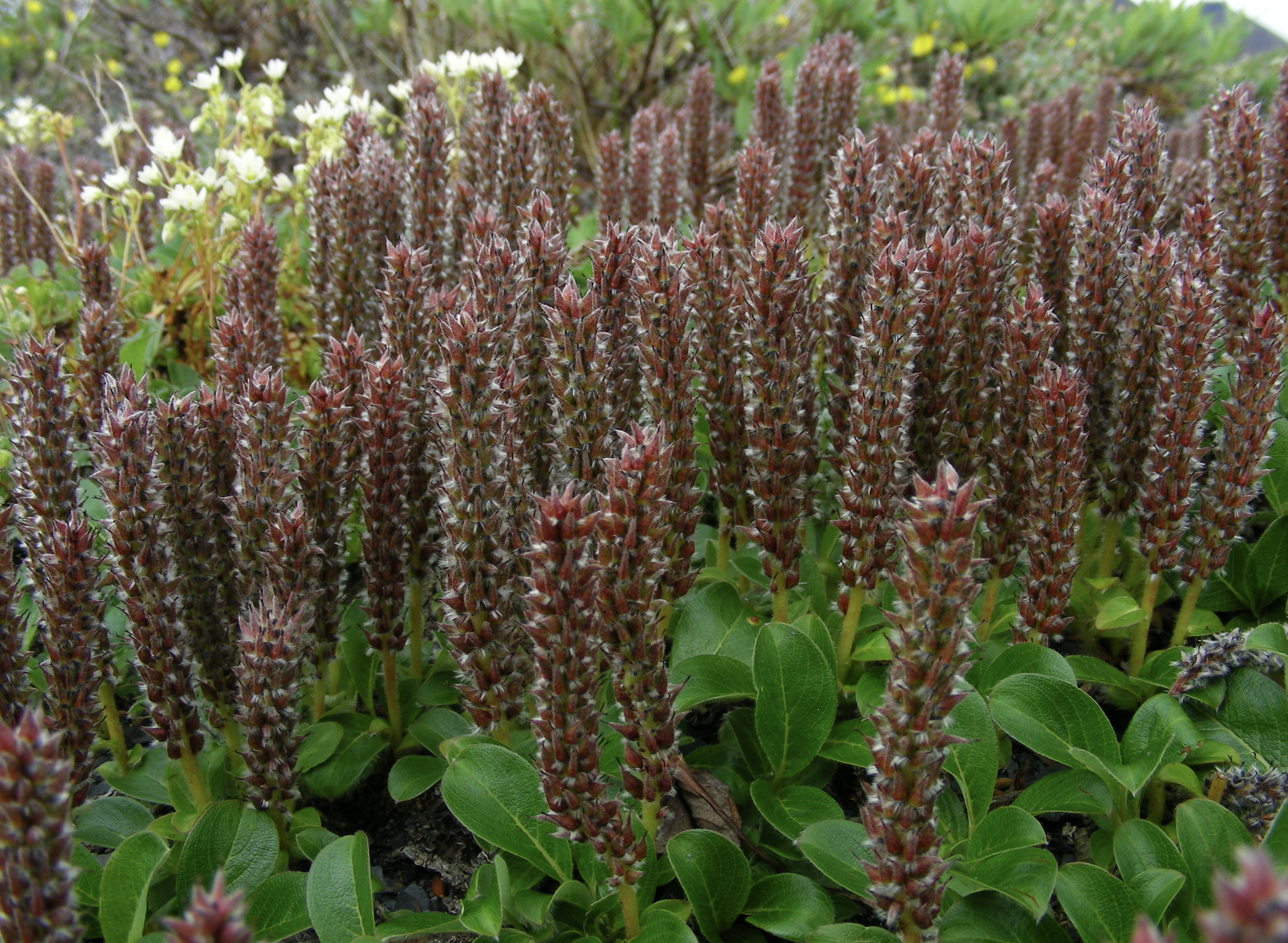
Agronomists analyze the Arctic Willow for its rapid growth cycle. It completes its reproductive phase in a narrow summer window. You can isolate the genes responsible for this accelerated phenology. Applying these traits to commercial fruit trees limits frost damage during late-spring freezes. The leaves feature a fuzzy coating. This fuzz traps heat. It creates a warm microclimate directly around the plant tissue. Growers developing crops for high-altitude regions benefit from replicating this physical trait.
2. Arctic Poppy (Papaver radicatum)
The Arctic Poppy is a perennial flower in the Tundra Biome Plants category. It tracks the sun across the sky. Botanists call this behavior heliotropism.
-
Adaptation Mechanism: Heliotropic flowers focus solar radiation to warm reproductive organs.
-
Agronomic Value: Sun-tracking traits improve seed viability in low-light environments.
-
Growth Habit: Clumping basal rosettes with hairy stems.
- Genera: Salix (Willows) (Classic Latin name for willow)
- Species: arctica (Gk arktikos from the constelation Bear or Northern)
- Synonym(s): S.anglorum, S.crassijulis, S.hudsonensis
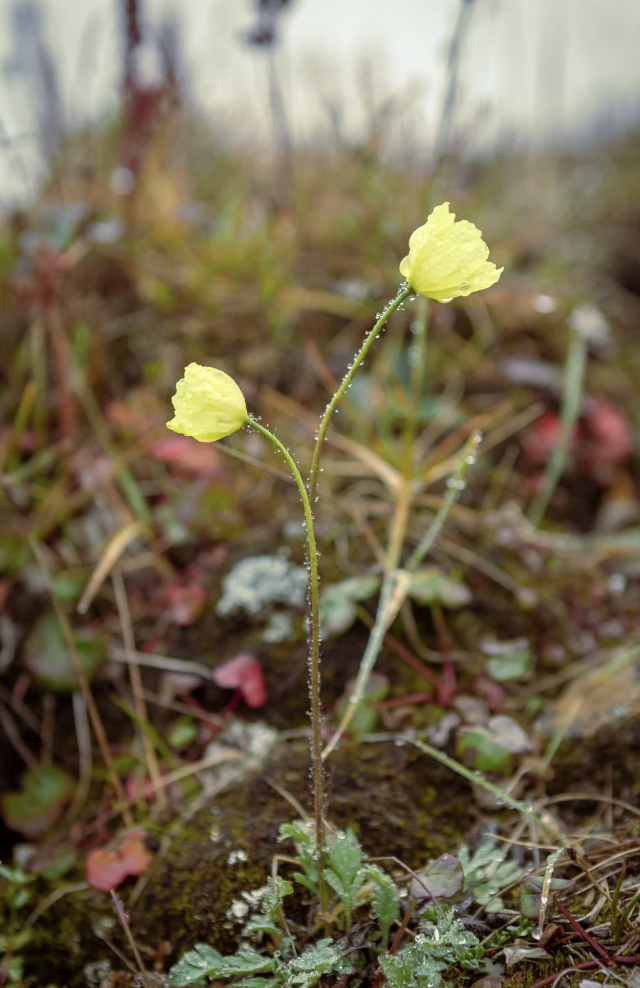
The cup-shaped flower acts as a parabolic reflector. It directs sunlight straight to the center of the bloom. This increases the temperature inside the flower. The added heat speeds up seed development. Commercial breeders study this mechanism. Integrating heliotropic behaviors into short-season cash crops accelerates maturity. The plant also relies on a dense root network to anchor itself against severe gales. You can use these rooting characteristics to stabilize topsoil in wind-prone agricultural zones.
3. Purple Saxifrage (Saxifraga oppositifolia)
Purple Saxifrage is an early bloomer. It often flowers while snow still covers the ground. It forms dense, low-lying mats.
-
Adaptation Mechanism: Mat-forming structure reduces surface area exposed to wind.
-
Agronomic Value: Extreme early-season flowering traits extend functional growing seasons.
-
Growth Habit: Cushion-forming evergreen.
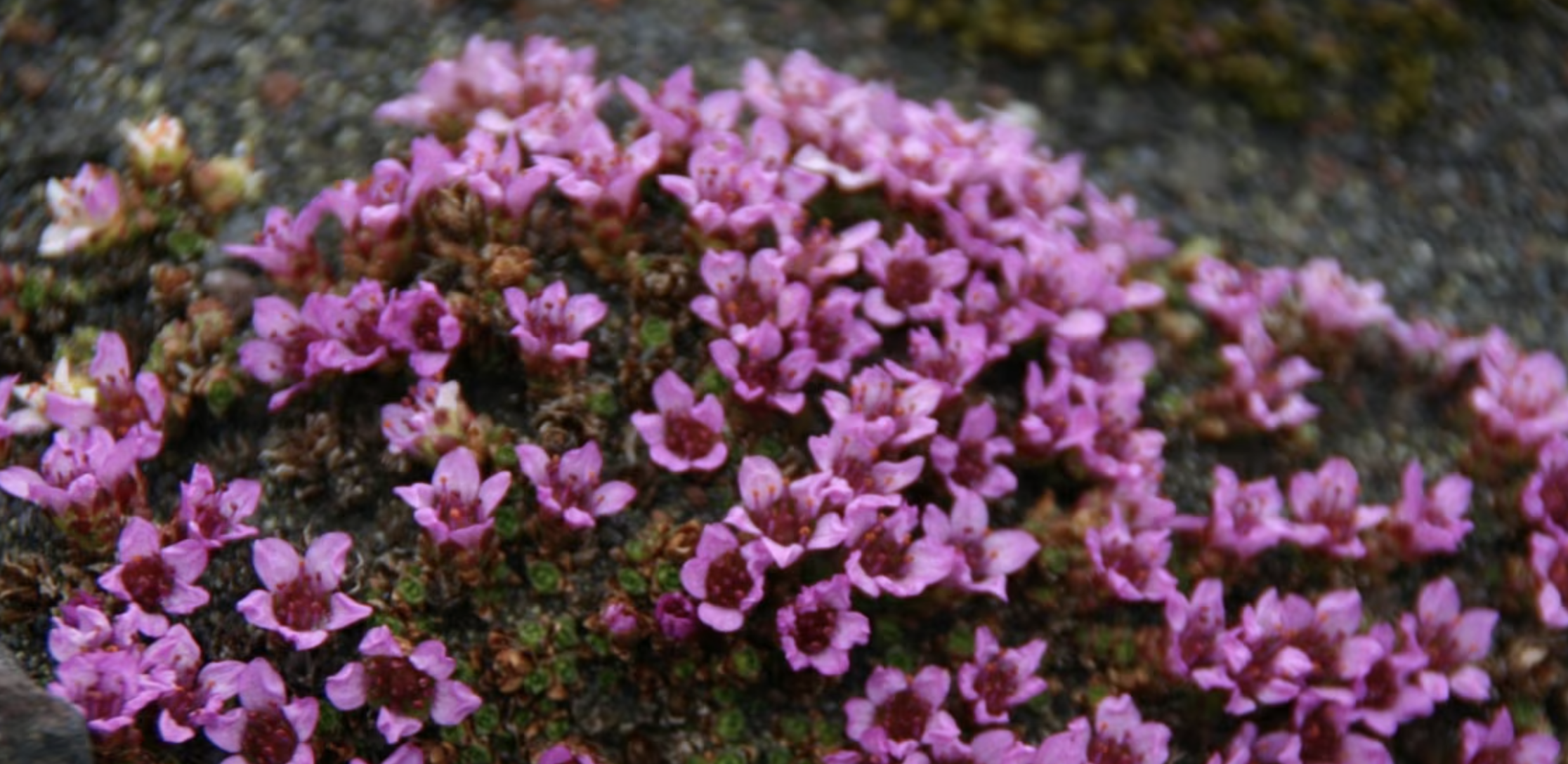
This Purple Flower plant survives freezing temperatures by packing its cells with soluble sugars. These sugars act as a biological antifreeze. They lower the freezing point of water inside the cell. This stops ice crystals from puncturing cell walls. Agriculture experts can extract the metabolic pathways responsible for this sugar concentration. Transferring this capability to vulnerable crops like citrus protects them from sudden cold snaps. The tight foliage also minimizes moisture loss. This represents a highly useful trait for drought-resistant crop breeding.
4. Bearberry (Arctostaphylos uva-ursi)
Bearberry features thick, leathery leaves. These leaves remain on the plant year-round. This saves the plant massive amounts of energy. It does not need to grow new leaves every spring.
-
Adaptation Mechanism: Evergreen foliage conserves energy in nutrient-poor soils.
-
Agronomic Value: Low-maintenance ground cover for erosion control in cold climates.
-
Growth Habit: Trailing woody vine.
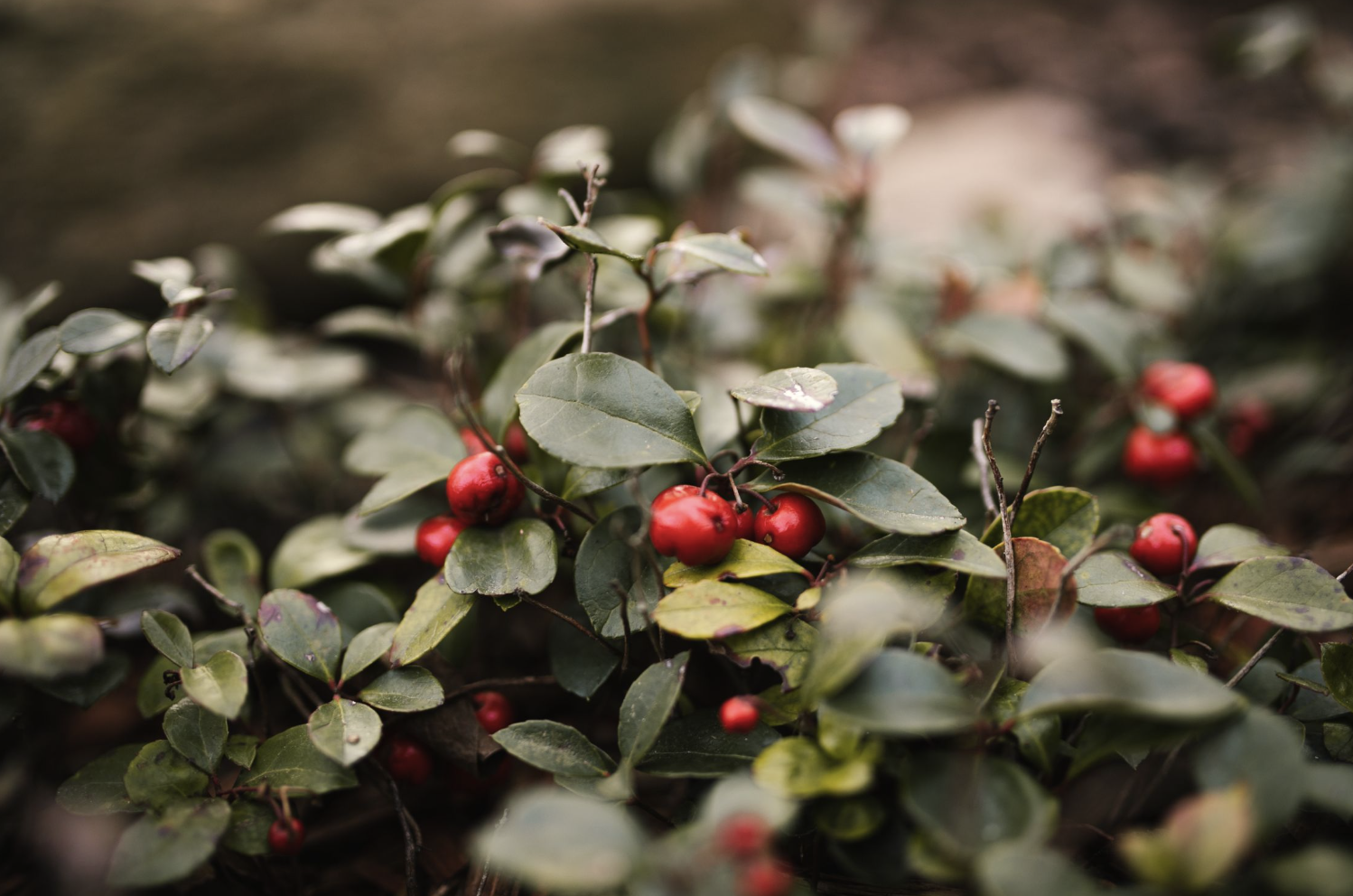
The leathery texture of the leaves prevents moisture evaporation. High winds pull moisture from plant tissues rapidly. Bearberry blocks this desiccation. The plant also houses mutualistic fungi in its roots. These fungi break down organic matter in frigid soils. They feed nutrients directly to the plant. You isolate these cold-active mycorrhizal fungi. Introducing them to commercial soil profiles improves nutrient uptake for winter cover crops.
5. Pasque Flower (Pulsatilla patens)
The Pasque Flower blooms early in the spring. It produces large, cup-shaped blossoms. Fine hairs cover the entire plant.
-
Adaptation Mechanism: Dense trichomes (hairs) insulate stems and leaves.
-
Agronomic Value: Trichome density presents a physical barrier against early-season pests.
-
Growth Habit: Clumping perennial.
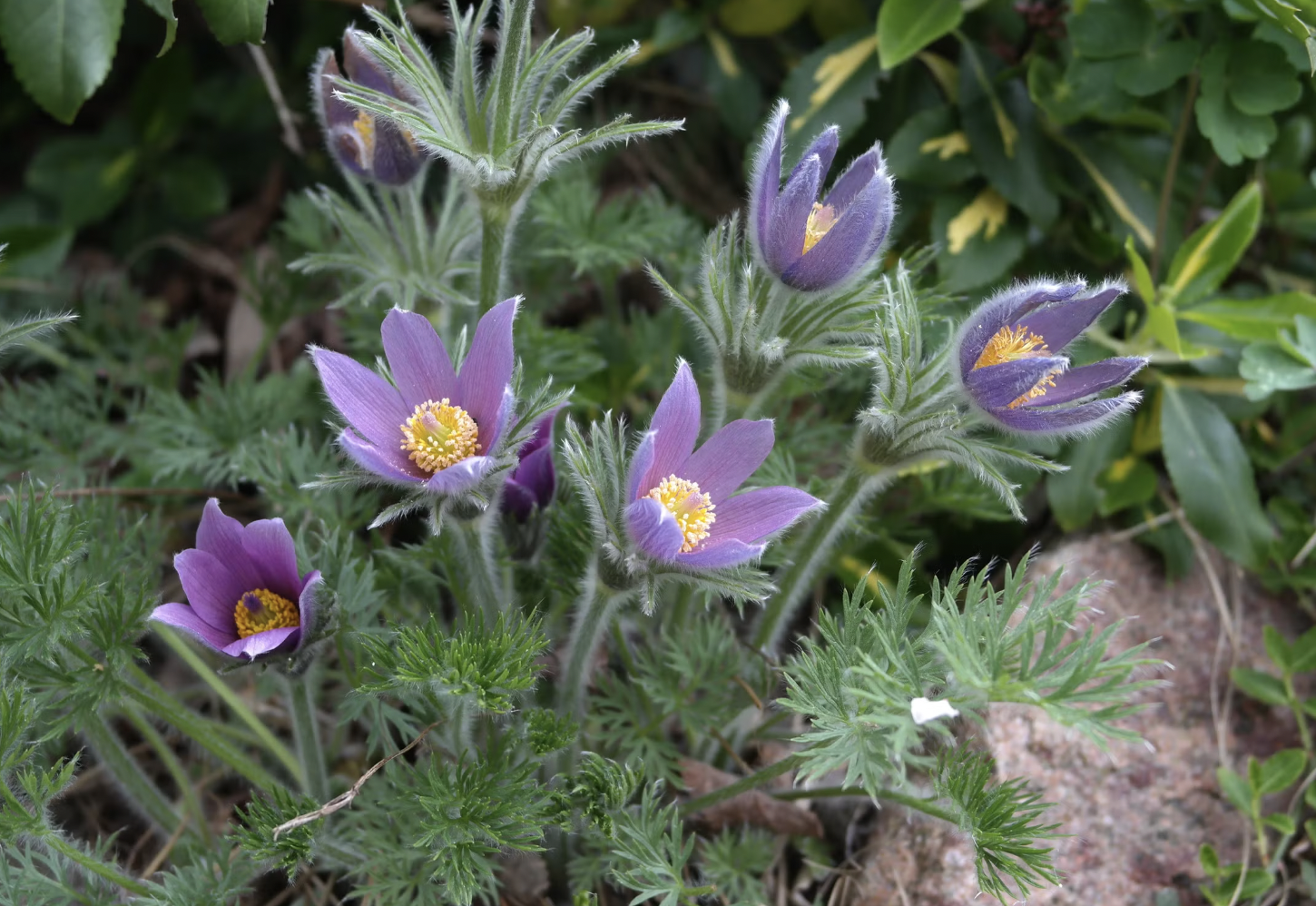
The hairs on the Pasque Flower trap a layer of still air against the epidermis. This functions exactly like thermal insulation. It keeps the plant tissues warmer than the ambient air. Commercial growers face heavy losses when unseasonal frosts kill early shoots. Studying the genetic triggers for dense trichome production offers a non-chemical frost defense. The plant also develops a deep taproot. This root stores carbohydrates over the long winter. This storage system provides immediate energy for rapid spring emergence.
6. Diamond-leaf Willow (Salix planifolia)
This willow species grows in wet, boggy tundra areas. It survives in waterlogged, freezing soils. Most plants drown in these exact conditions.
-
Adaptation Mechanism: Anaerobic root respiration pathways allow survival in saturated ground.
-
Agronomic Value: Genetic solutions for crop survival in poorly drained soils.
-
Growth Habit: Multi-stemmed shrub.
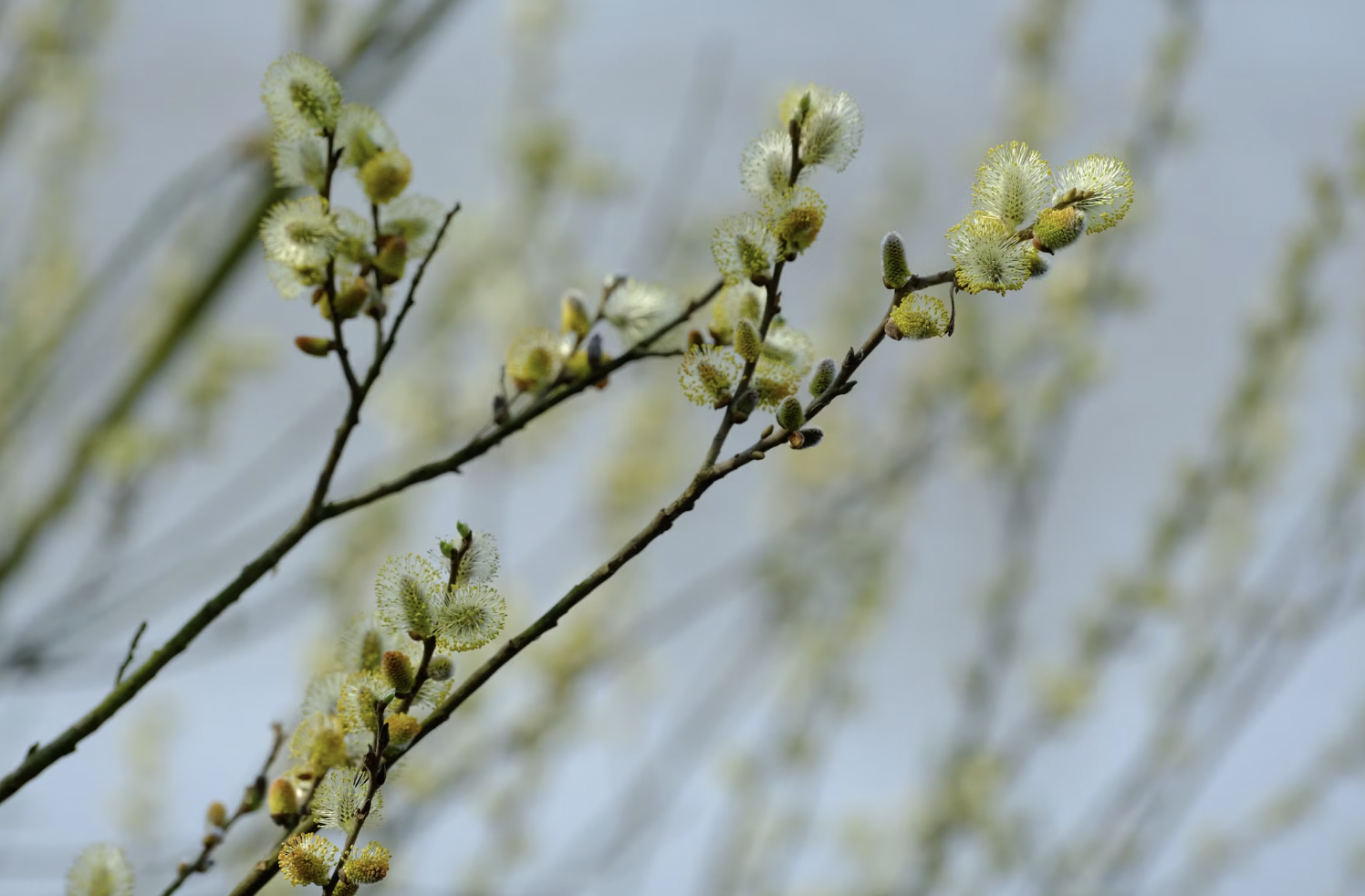
The Diamond-leaf Willow pulls nutrients from soils with zero oxygen. It stores massive amounts of vitamin C. This high vitamin concentration protects its cells from oxidative stress during freezing and thawing cycles. You study these anti-oxidant pathways. Breeding crops with similar vitamin C spikes during cold stress limits cellular degradation. The plant also sheds its leaves rapidly at the first sign of autumn. This hard-wired dormancy trigger prevents winter tissue damage.
7. Arctic Moss (Calliergon giganteum)
Arctic Moss lives entirely underwater in tundra lakes. It functions as an aquatic plant. It survives under solid ice for nine months of the year.
-
Adaptation Mechanism: Extreme metabolic slowdown during ice cover prevents starvation.
-
Agronomic Value: Insights into extreme metabolic dormancy for long-term seed storage.
-
Growth Habit: Aquatic, bottom-dwelling moss.
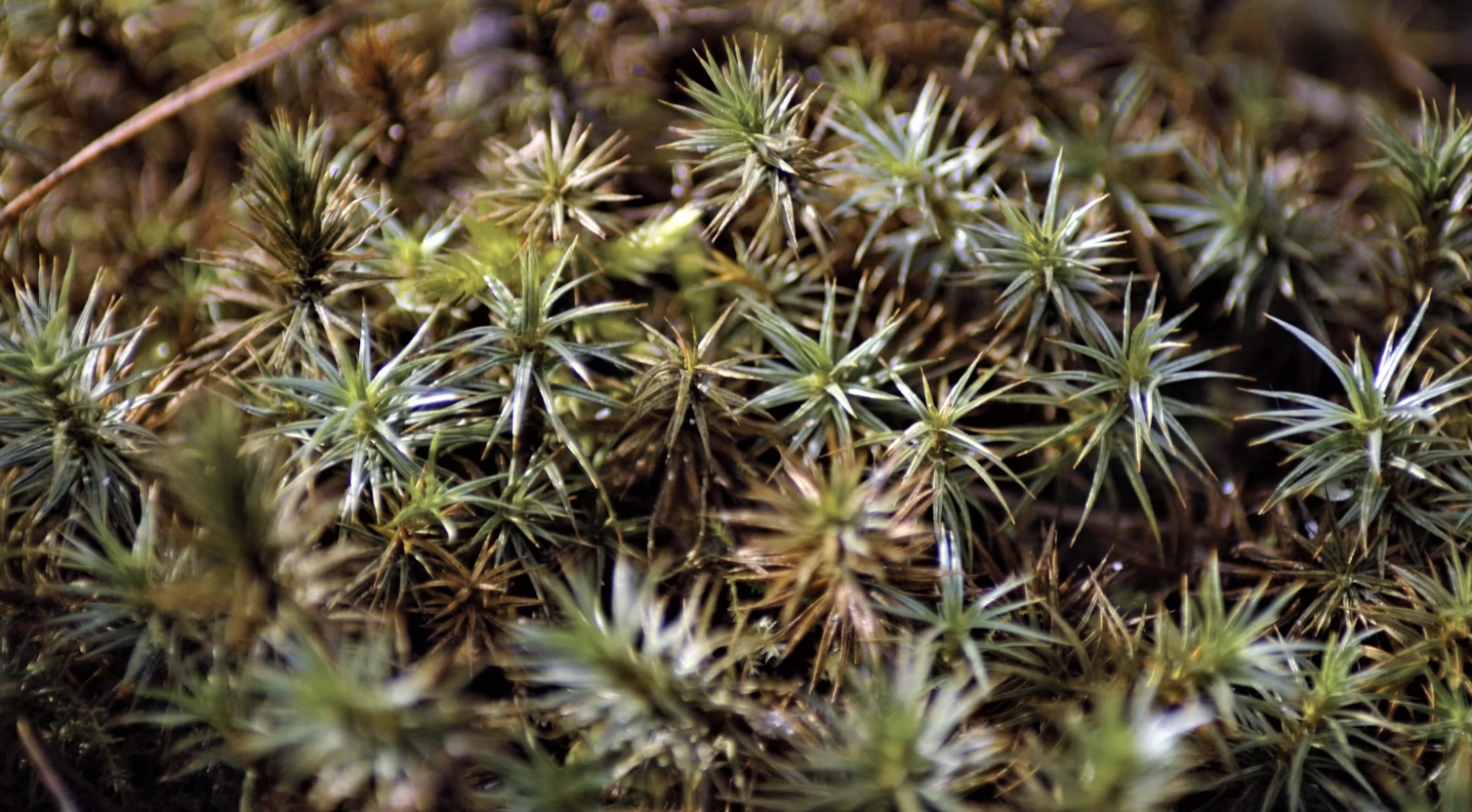
This moss grows incredibly slowly. It adds less than one centimeter of growth per year. It stores nutrients effectively to survive the long, dark winter under the ice. When you manage commercial algae or aquatic crops, winter die-off represents a major expense. The genetic markers that allow Arctic Moss to survive freezing water offer a solution. The moss also requires very few nutrients to build biomass. Agronomists analyze its cellular efficiency to reduce fertilizer dependency in aquatic farming operations.
8. Caribou Moss (Cladonia rangiferina)
Caribou Moss functions differently. It is actually a lichen. It represents a symbiotic relationship between a fungus and an alga. It has absolutely no roots.
-
Adaptation Mechanism: Spongy tissue absorbs moisture directly from the air.
-
Agronomic Value: Models for soil-independent nutrient absorption.
-
Growth Habit: Ground-covering, spongy mats.
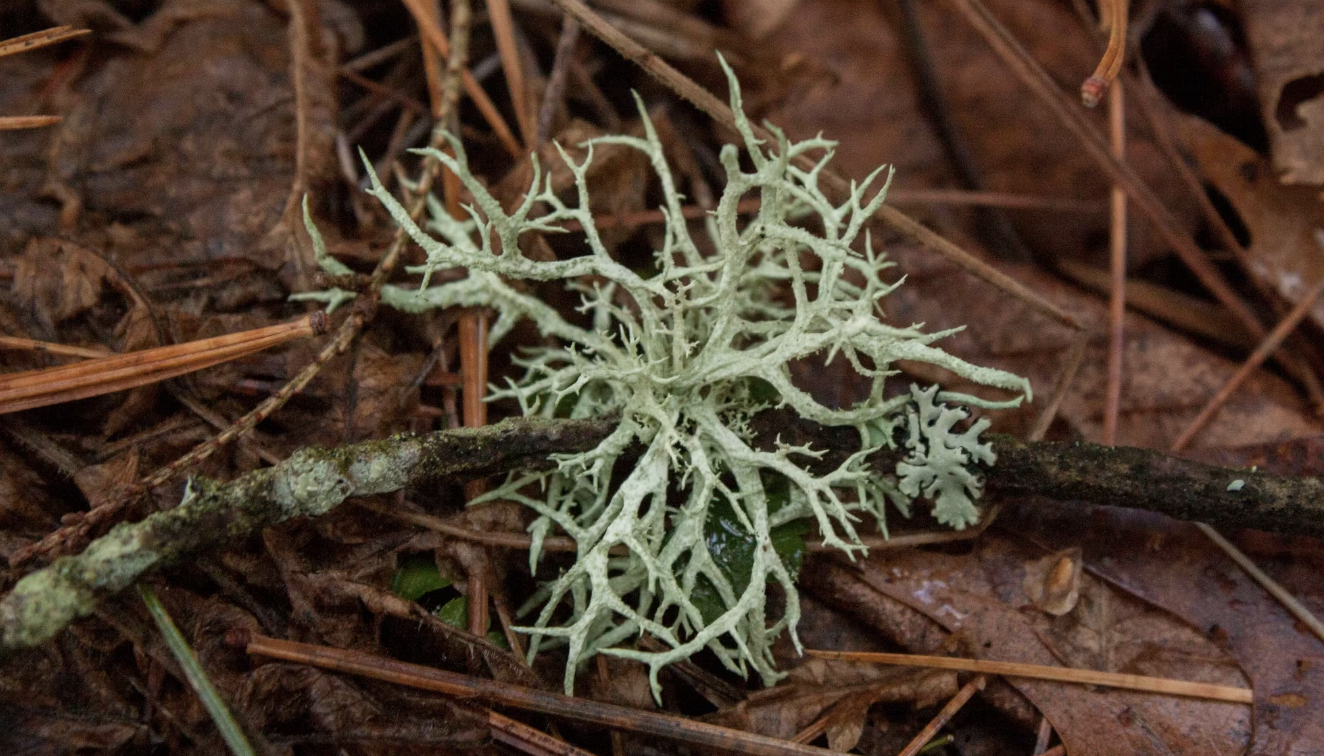
This lichen survives extreme desiccation. It can dry out completely and become brittle. When moisture returns, it rehydrates and resumes photosynthesis instantly. Biologists call this poikilohydry. Commercial agriculture wastes massive amounts of water. You analyze the cellular structure of Caribou Moss to understand extreme drought tolerance. Sequencing the genes responsible for this rapid recovery helps breeders develop drought-impervious cover crops. The lichen also produces acidic compounds that break down solid rock into usable soil over time.
9. Tufted Saxifrage (Saxifraga cespitosa)
Tufted Saxifrage grows directly in rocky crevices. It anchors itself in minimal soil. It produces tight clusters of white flowers.
-
Adaptation Mechanism: Crevice-dwelling root systems exploit micro-fissures for stability.
-
Agronomic Value: Rock-splitting root mechanics inform soil-penetration traits.
-
Growth Habit: Dense, tufted cushions.
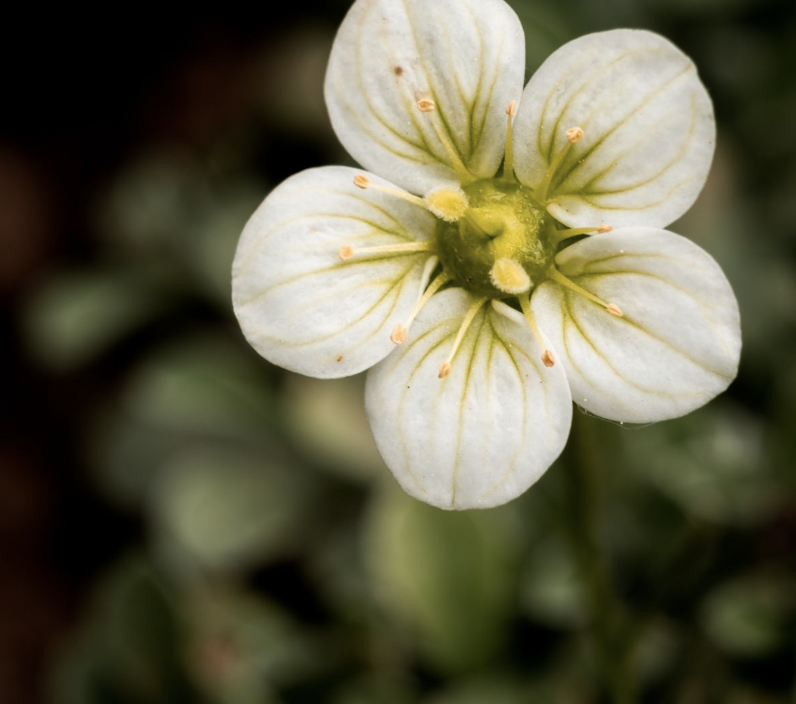
The tightly packed leaves trap dead plant matter. This decaying matter creates a localized compost pile. The plant feeds on its own debris. This self-fertilization proves highly efficient in barren environments. Agronomists observe this closed-loop nutrient cycling closely. Developing crops that retain decaying basal leaves to build localized organic matter reduces external fertilizer needs. The root system also excretes enzymes that dissolve minerals. This action extracts phosphorus directly from raw stone.
10. Arctic Lupine (Lupinus arcticus)
Arctic Lupine operates as a legume. It adds nitrogen to the tundra soil. It features deep blue, spire-like flowers.
-
Adaptation Mechanism: Nitrogen-fixing root nodules function in near-freezing temperatures.
-
Agronomic Value: Cold-active rhizobia bacteria offer winter cover crop applications.
-
Growth Habit: Erect, herbaceous perennial.
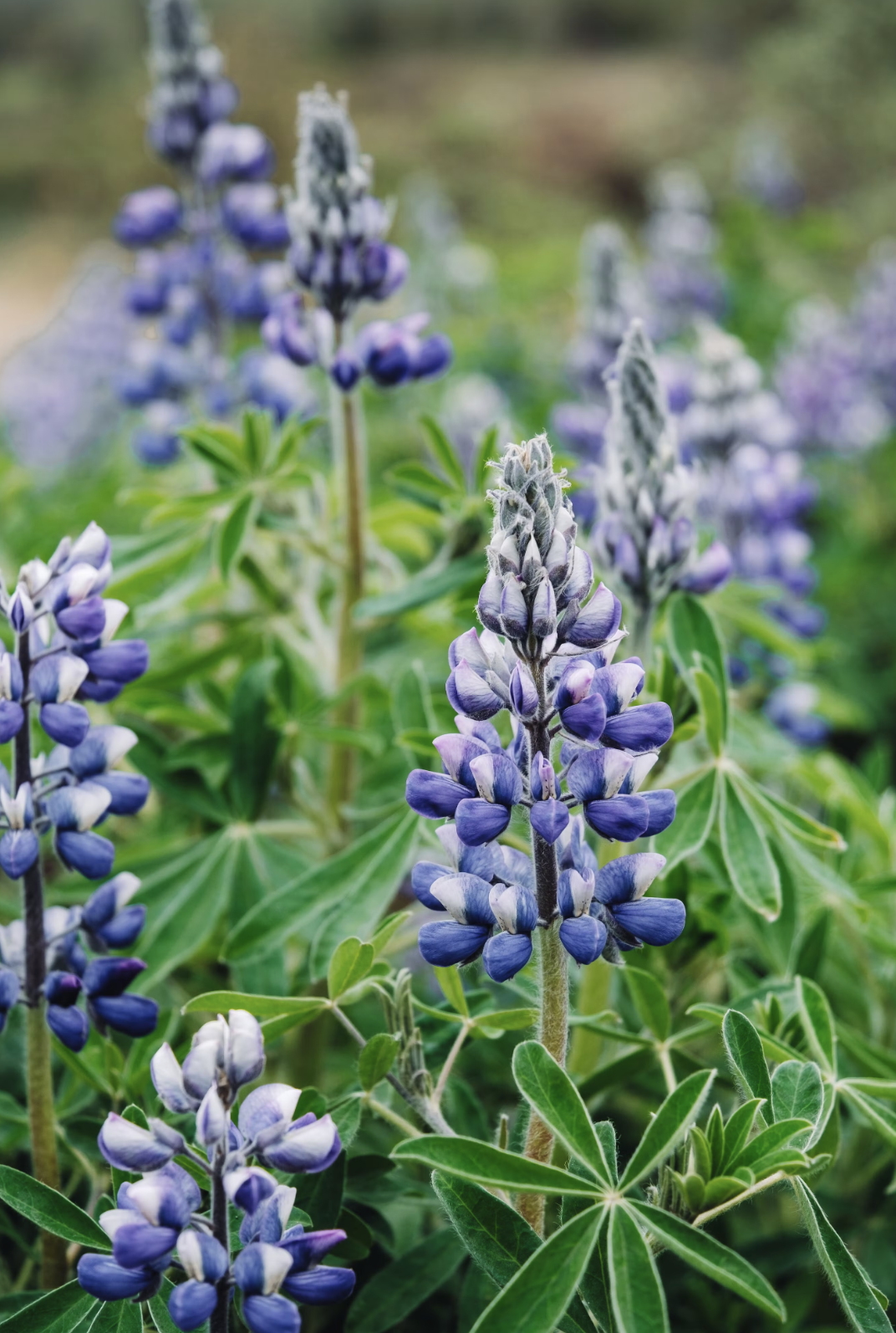
Most nitrogen-fixing bacteria stop working in cold soil. The bacteria associated with Arctic Lupine continue to fix nitrogen at extremely low temperatures. You extract these cold-adapted bacteria. Inoculating winter cover crops with these strains allows continuous soil improvement during the off-season. The seeds of the Arctic Lupine are incredibly durable. Researchers successfully grew a plant from an Arctic Lupine seed trapped in permafrost for 10,000 years. This extreme seed longevity presents opportunities for improving commercial seed vault viability.
11. Moss Campion (Silene acaulis)
Moss Campion looks exactly like a patch of green moss. It produces tiny pink flowers. It grows strictly in a dome shape.
-
Adaptation Mechanism: Aerodynamic dome shape deflects high-velocity winds.
-
Agronomic Value: Aerodynamic plant structures limit wind-lodging in open-field crops.
-
Growth Habit: Low, hemispherical cushion.
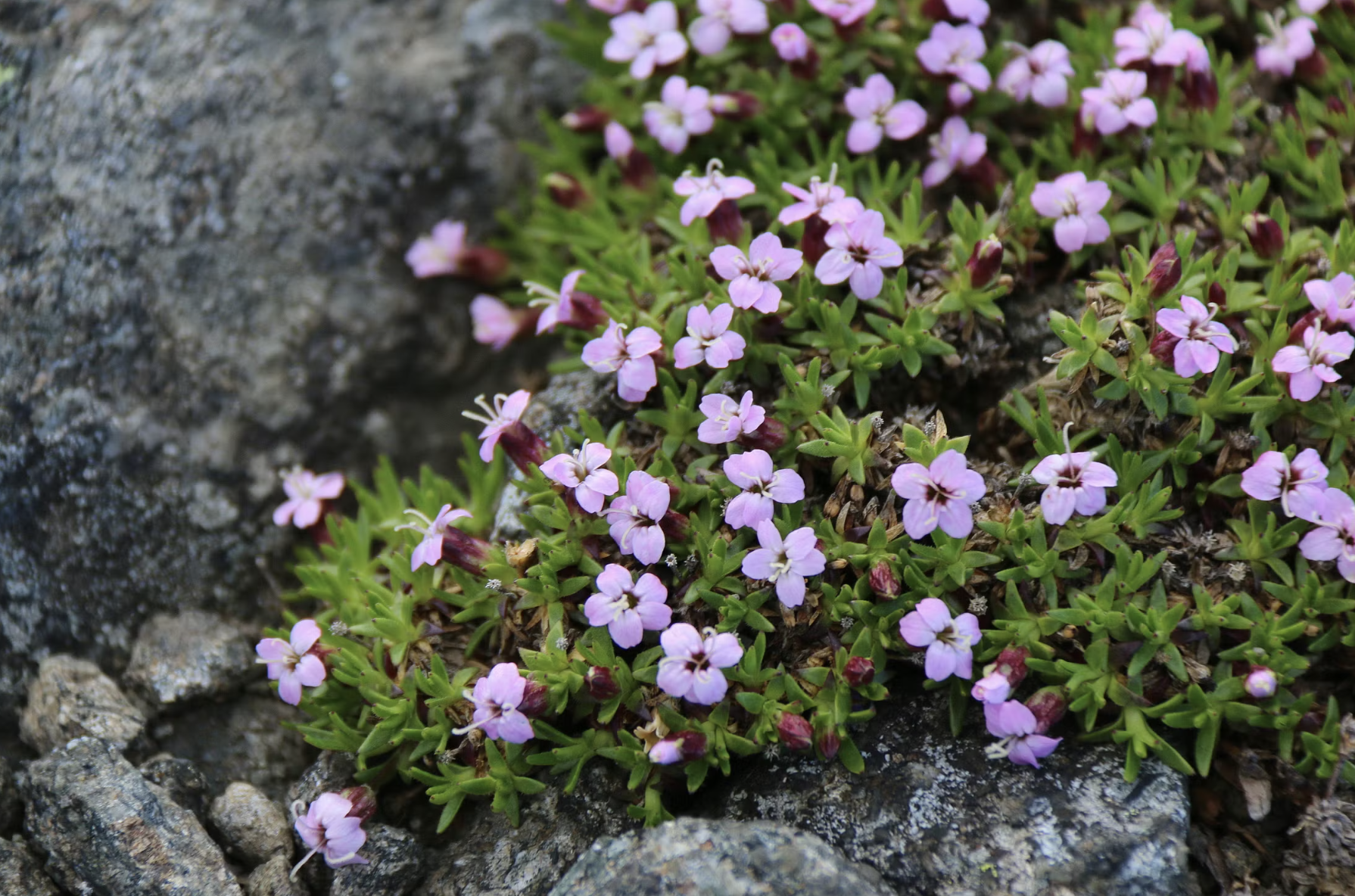
The dome shape serves a specific purpose. It forces freezing winds to flow over the plant. This creates an aerodynamic slipstream. It prevents windburn and structural damage entirely. The center of the dome acts as a heat trap. Internal temperatures inside the cushion routinely read 20 degrees warmer than the outside air. Agronomists fighting wind damage in flat agricultural regions learn from this geometry. Breeding low, domed cover crops protects the topsoil from wind erosion while creating a warmer microclimate for intercropping.
12. Arctic Dryad (Dryas integrifolia)
The Arctic Dryad serves as a foundational species in the tundra. It features small, leathery leaves with distinctly curled edges.
-
Adaptation Mechanism: Curled leaf margins minimize stomatal exposure to dry air.
-
Agronomic Value: Leaf morphology modifications reduce agricultural water consumption.
-
Growth Habit: Creeping, mat-forming dwarf shrub.

The plant utilizes heliotropic flowers, matching the behavior of the Arctic Poppy. The curled edges of the leaves restrict airflow directly over the stomata. This drastically limits transpiration. In commercial farming, transpiration causes massive water loss during dry spells. You target the genetic traits that cause leaves to curl downward under stress. The Arctic Dryad also associates with ectomycorrhizal fungi. These fungi scavenge nitrogen aggressively from frozen organic matter.
13. Cotton Grass (Eriophorum callitrix)
Cotton Grass produces fluffy, white seed heads. It resembles common cotton. It grows aggressively in acidic tundra bogs.
-
Adaptation Mechanism: Hollow stems transport oxygen down to submerged roots.
-
Agronomic Value: Aerenchyma tissue development prevents root rot in flooded fields.
-
Growth Habit: Clumping sedge.
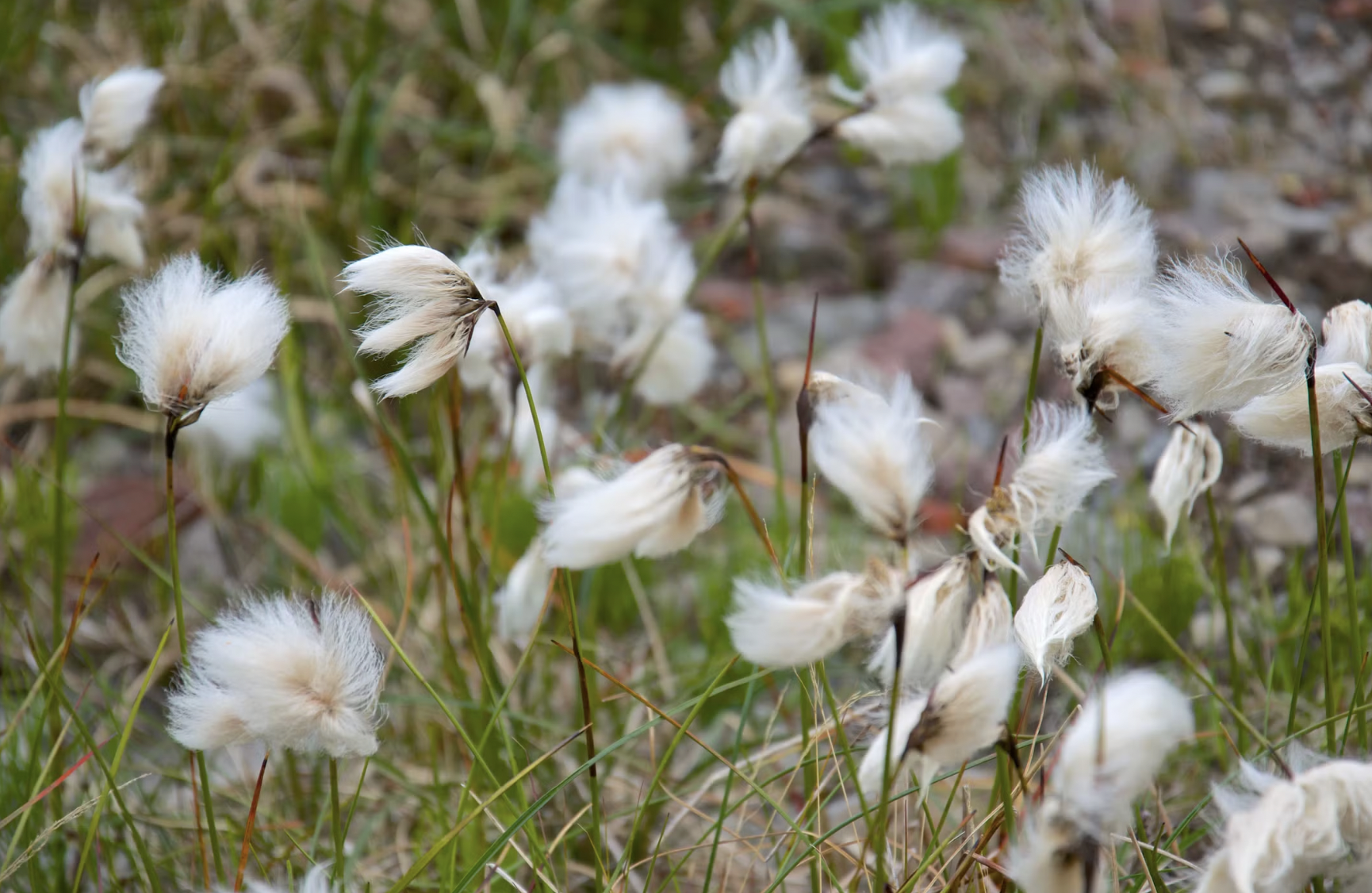
The hollow stems act like snorkels. They pipe oxygen from the air directly into the root system. This allows the plant to thrive in stagnant, oxygen-depleted water. Flooding destroys commercial crops by suffocating the roots. Agronomists study the genetic pathways that trigger aerenchyma (hollow tissue) formation. Breeding these pathways into staple crops like maize or wheat prevents total crop loss during heavy flood events. The fluffy seed heads also trap heat to protect the developing seeds from sudden frosts.
14. Snow Buttercup (Ranunculus nivalis)
The Snow Buttercup pushes right through the snowpack to bloom. It never waits for the snow to melt completely.
-
Adaptation Mechanism: Thermogenic tissues generate internal heat to melt surrounding snow.
-
Agronomic Value: Bio-heating mechanisms prevent frost damage in early-flowering crops.
-
Growth Habit: Small, herbaceous perennial.
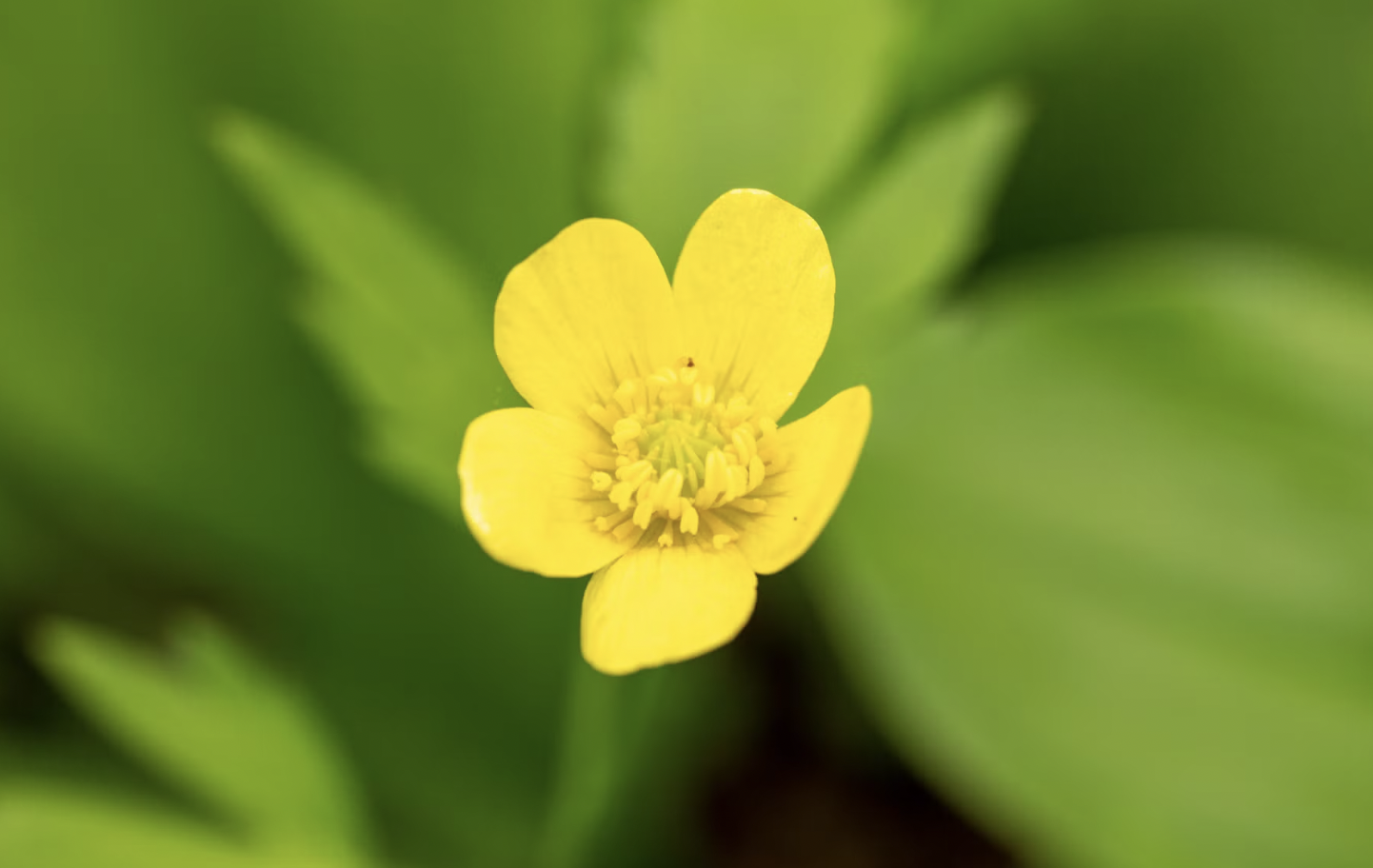
This plant actively melts the snow around it. It utilizes an inefficient respiration process to generate waste heat. Biologists term this thermogenesis. Commercial fruit trees suffer heavily from late-spring frosts destroying their blossoms. If you isolate the genes responsible for this localized heat generation, you develop self-warming blossoms. This removes the need for expensive smudge pots or wind machines in orchards. The glossy yellow petals also reflect sunlight to the center of the flower to speed up maturation.
15. Alpine Azalea (Kalmia procumbens)
Alpine Azalea is a miniature evergreen shrub. It grows prostrate on exposed, rocky ridges. It turns dark red in the winter.
-
Adaptation Mechanism: Anthocyanin pigment accumulation acts as cellular antifreeze and sunscreen.
-
Agronomic Value: Pigment-based stress tolerance improves winter hardiness in fruiting shrubs.
-
Growth Habit: Creeping, woody mat.
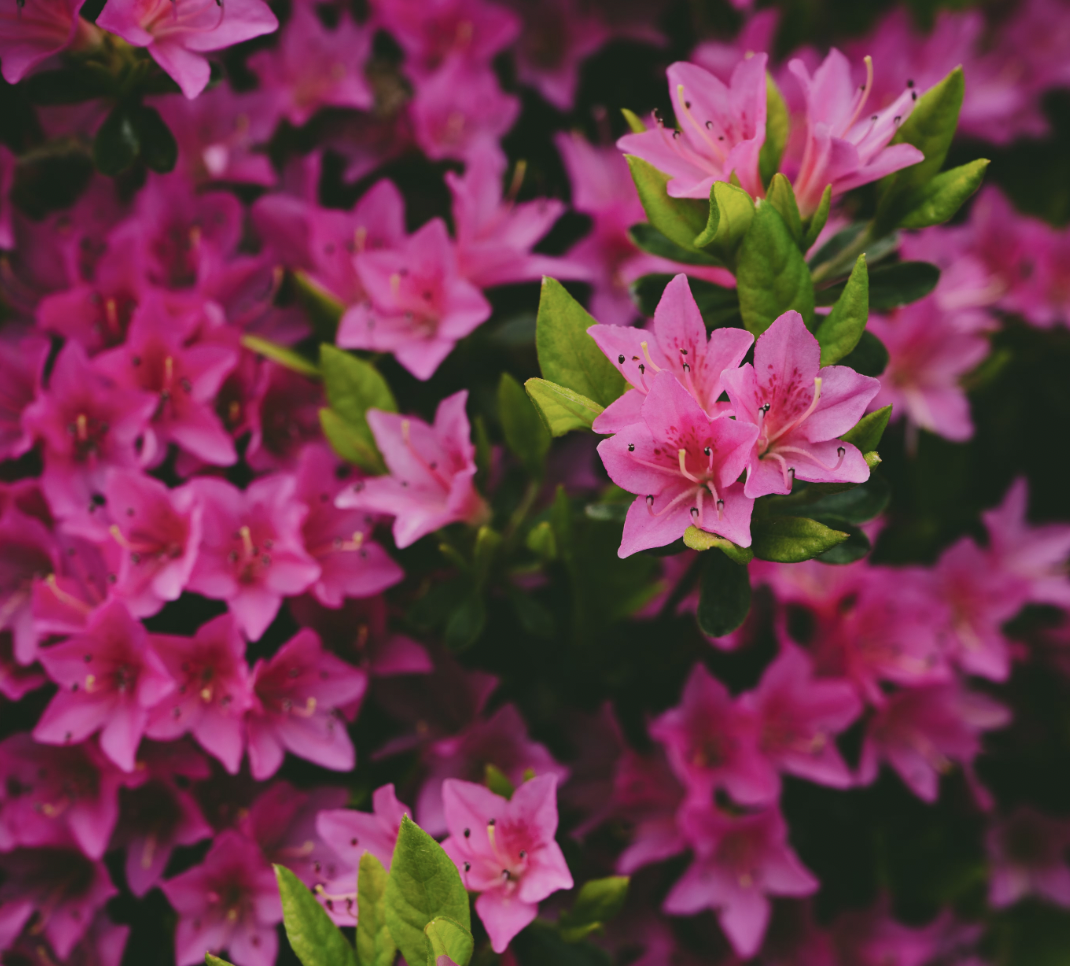
The red coloration comes directly from anthocyanins. These pigments protect the cellular machinery from high-intensity ultraviolet light reflecting off the snow. They also lower the freezing point of the cell sap. Agronomists use this knowledge to breed high-anthocyanin crop varieties. These varieties tolerate colder temperatures and resist solar radiation damage. The Tundra plant maintains a very low transpiration rate. Its stomata close completely when wind speeds increase. This conserves every single drop of water.
16. Labrador Tea (Rhododendron groenlandicum)
Labrador Tea produces thick leaves with a fuzzy, rust-colored underside. It defends itself aggressively against herbivores.
-
Adaptation Mechanism: Toxic secondary metabolites deter grazing.
-
Agronomic Value: Natural chemical defenses reduce dependency on synthetic pesticides.
-
Growth Habit: Upright, evergreen shrub.
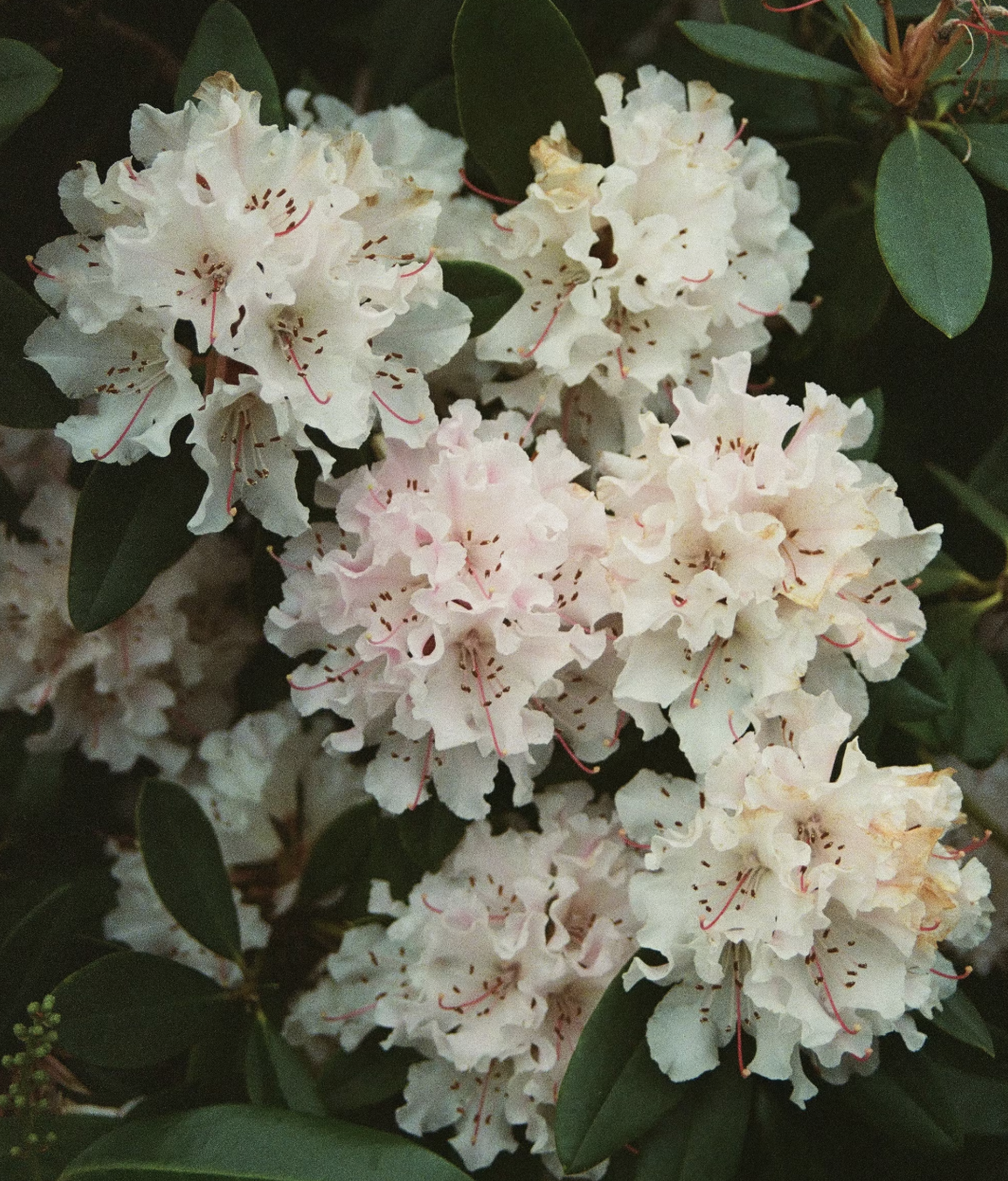
The plant produces toxic compounds called ledol. These compounds make the plant unpalatable and mildly toxic to most animals. In the tundra, losing leaves to a herbivore proves fatal because regeneration takes too long. Commercial growers spend millions on pest control. You extract and synthesize these natural deterrents. Alternatively, breeders introduce similar metabolic pathways into cash crops. This makes them naturally resistant to grazing insects and mammals. The fuzzy leaf undersides also limit moisture loss.
17. Mountain Sorrel (Oxyria digyna)
Mountain Sorrel produces kidney shaped leaves. It grows mostly in high altitude tundra regions. It turns red under environmental stress.
-
Adaptation Mechanism: High oxalic acid content prevents cellular freezing and deters pests.
-
Agronomic Value: Oxalic acid pathways offer dual-purpose frost and pest resistance.
-
Growth Habit: Herbaceous perennial.
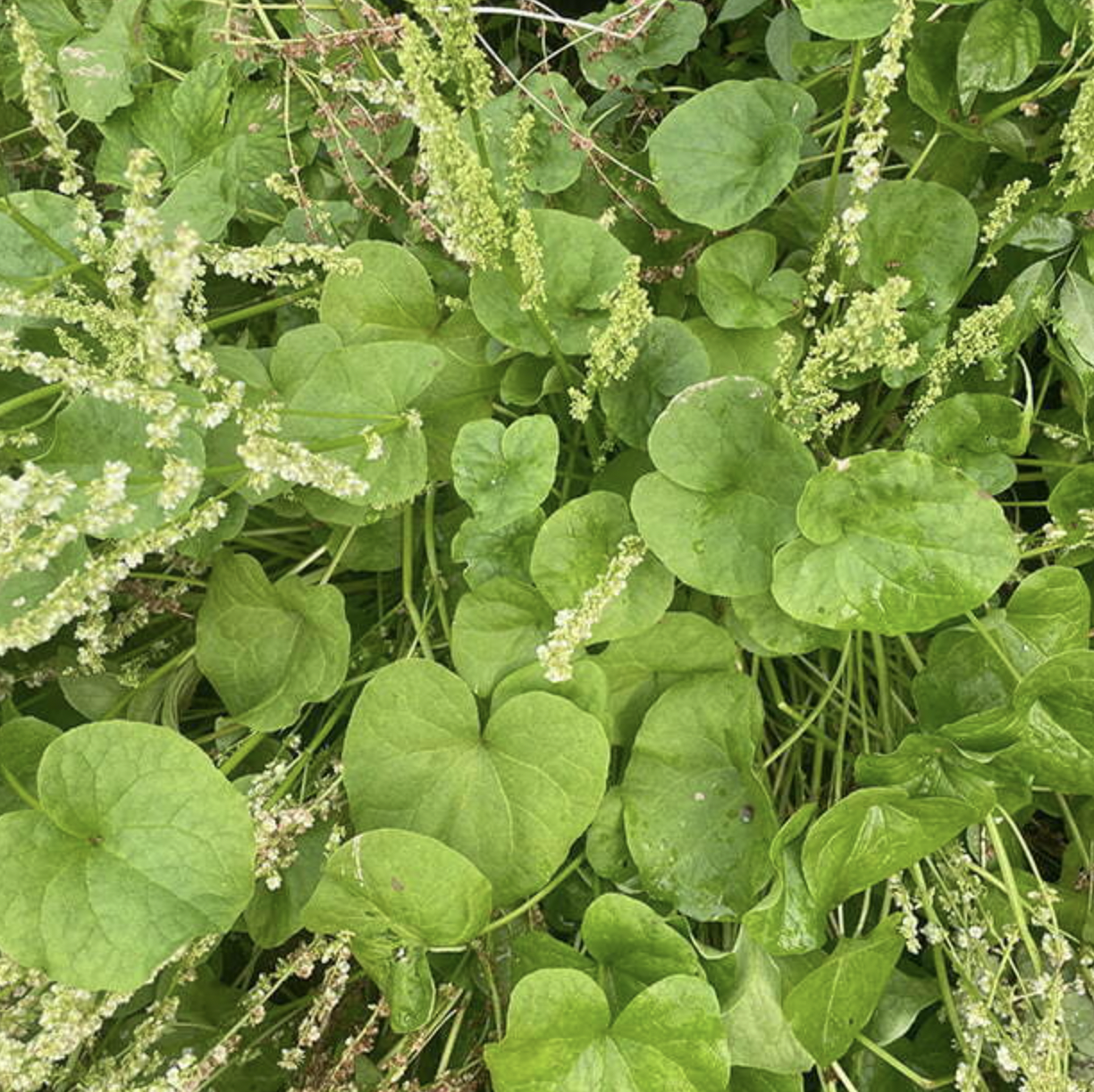
The plant stores massive amounts of oxalic acid. This acid tastes highly sour. This flavor profile deters grazing animals. More importantly, the acid acts as a powerful biological antifreeze. It lowers the freezing temperature of the cellular fluids. You study this chemical defense mechanism. Agronomists breed crops with localized oxalic acid accumulation in vulnerable tissues, like buds or young stems. The plant also uses a deep taproot to secure water from deep underground during the dry summer months.
18. Dwarf Birch (Betula nana)
Dwarf Birch represents a tiny version of the common birch tree. It grows flat against the ground. It rarely exceeds 30 centimeters in height.
-
Adaptation Mechanism: Prostrate growth habit exploits the boundary layer of warmer air near the soil.
-
Agronomic Value: Height-restricting genes facilitate mechanical harvesting and limit wind damage.
-
Growth Habit: Deciduous, creeping shrub.
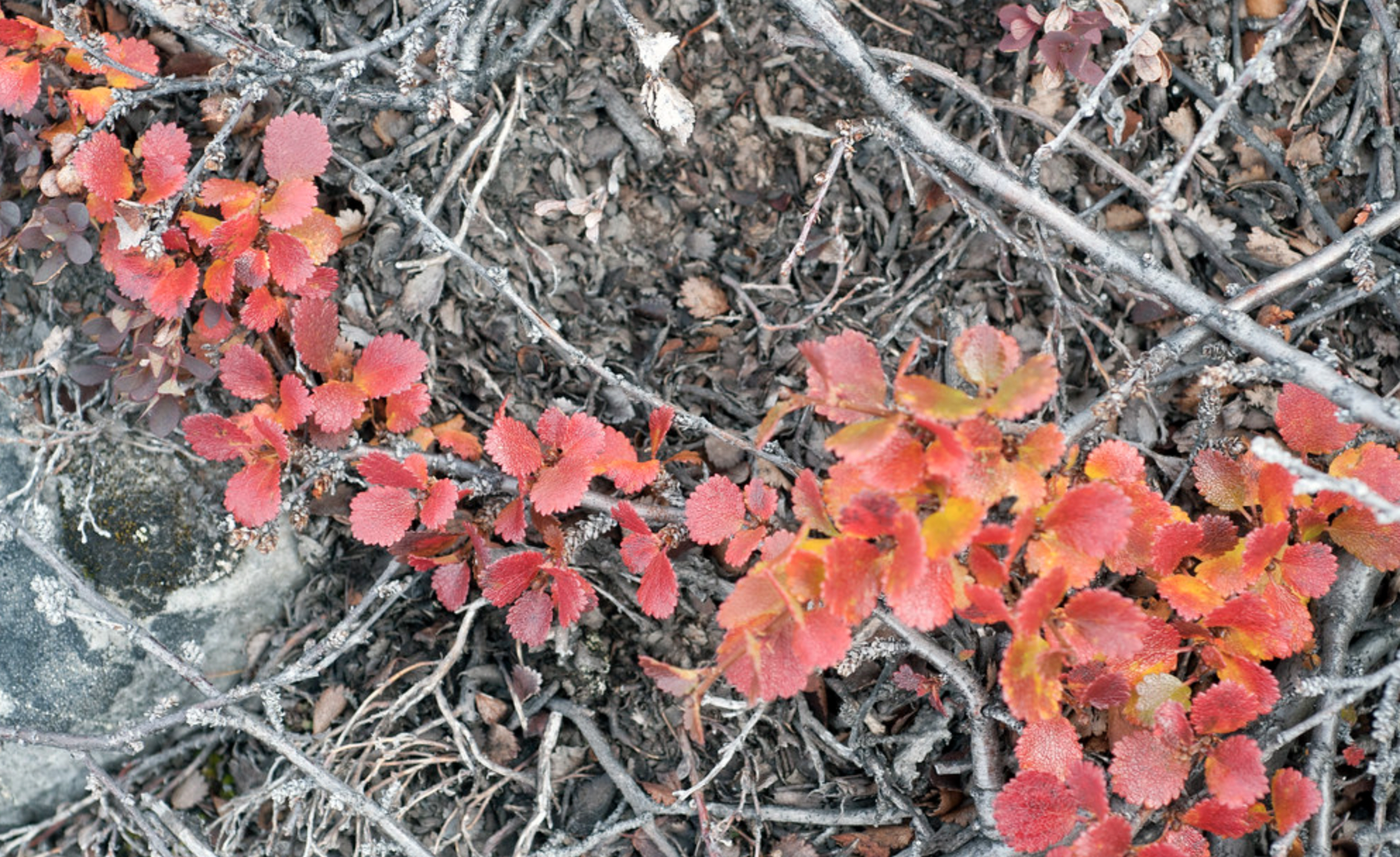
The tree exploits a microclimate. The air immediately above the soil surface registers significantly warmer than the air one meter higher. By growing flat, the Dwarf Birch stays firmly in this warm zone. It also gets buried by insulating snow in the winter. Agronomists isolate the dwarfing genes present in this species. Applying these genes to commercial orchards allows for high-density planting. Smaller, more compact trees are easier to harvest and require fewer resources to maintain.
19. Arctic White Heather (Cassiope tetragona)
Arctic White Heather produces scale-like leaves. These leaves press tightly against the stem. The plant resembles a braided cord.
-
Adaptation Mechanism: Imbricate (overlapping) leaves eliminate wind exposure to the stem.
-
Agronomic Value: Structural leaf modifications reduce water loss in arid-climate crops.
-
Growth Habit: Evergreen, dwarf shrub.
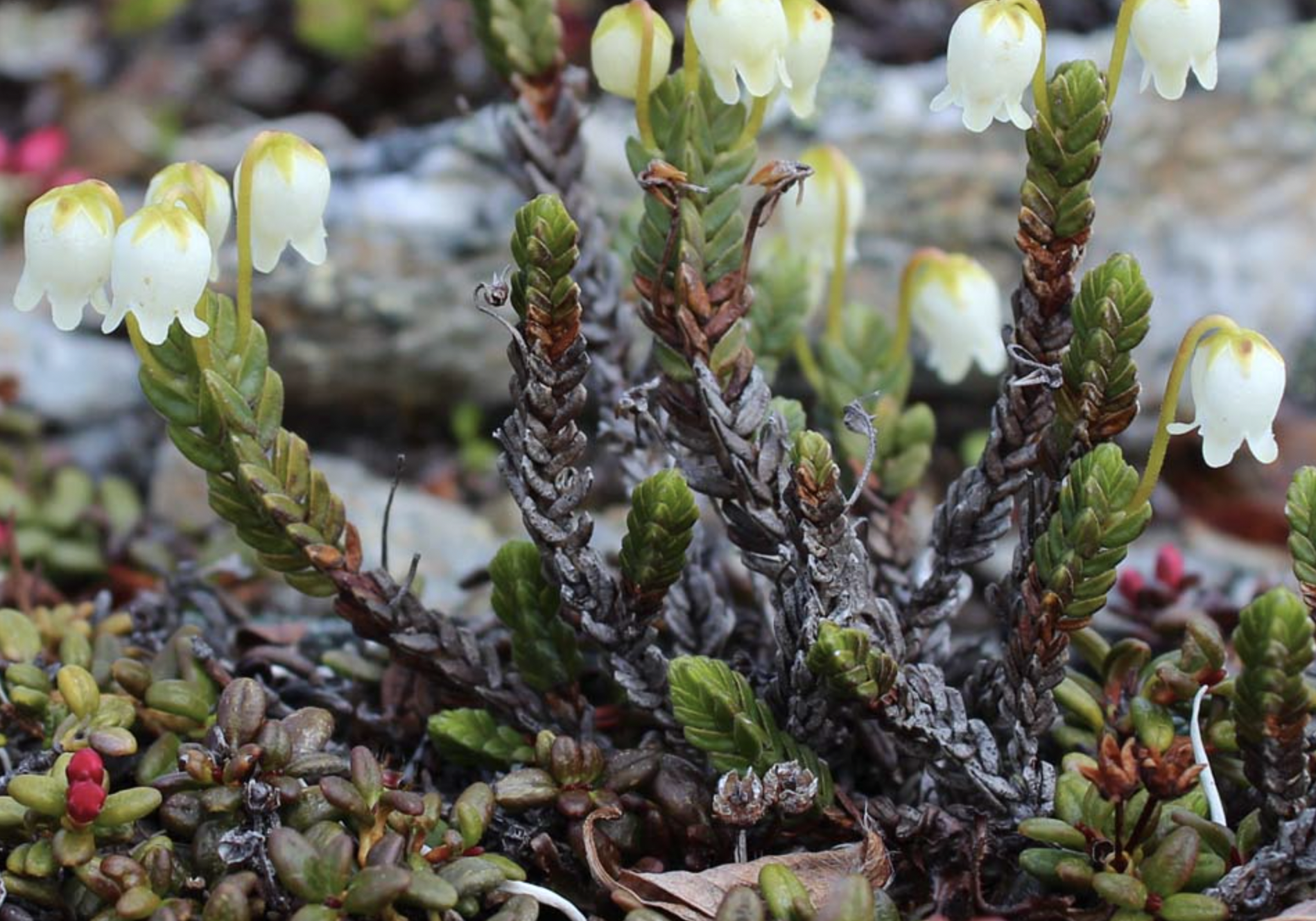
The overlapping leaves seal the inner stem completely away from the harsh environment. This drastically cuts down on moisture loss and protects the vascular tissue from freezing winds. Commercial crops in arid regions suffer heavily from desiccation. You study the genetics behind this overlapping leaf structure. Breeding crops with tighter, more compact foliage reduces the surface area exposed to dry air. The plant also relies on a shallow but highly branched root system to quickly absorb surface meltwater.
20. Lapland Rosebay (Rhododendron lapponicum)
Lapland Rosebay is a tough, dwarf rhododendron. It thrives in highly acidic, nutrient-poor tundra soils.
-
Adaptation Mechanism: Extreme tolerance to low pH and aluminum toxicity.
-
Agronomic Value: Genetic markers for cultivating crops in highly degraded, acidic soils.
-
Growth Habit: Small, highly branched shrub.
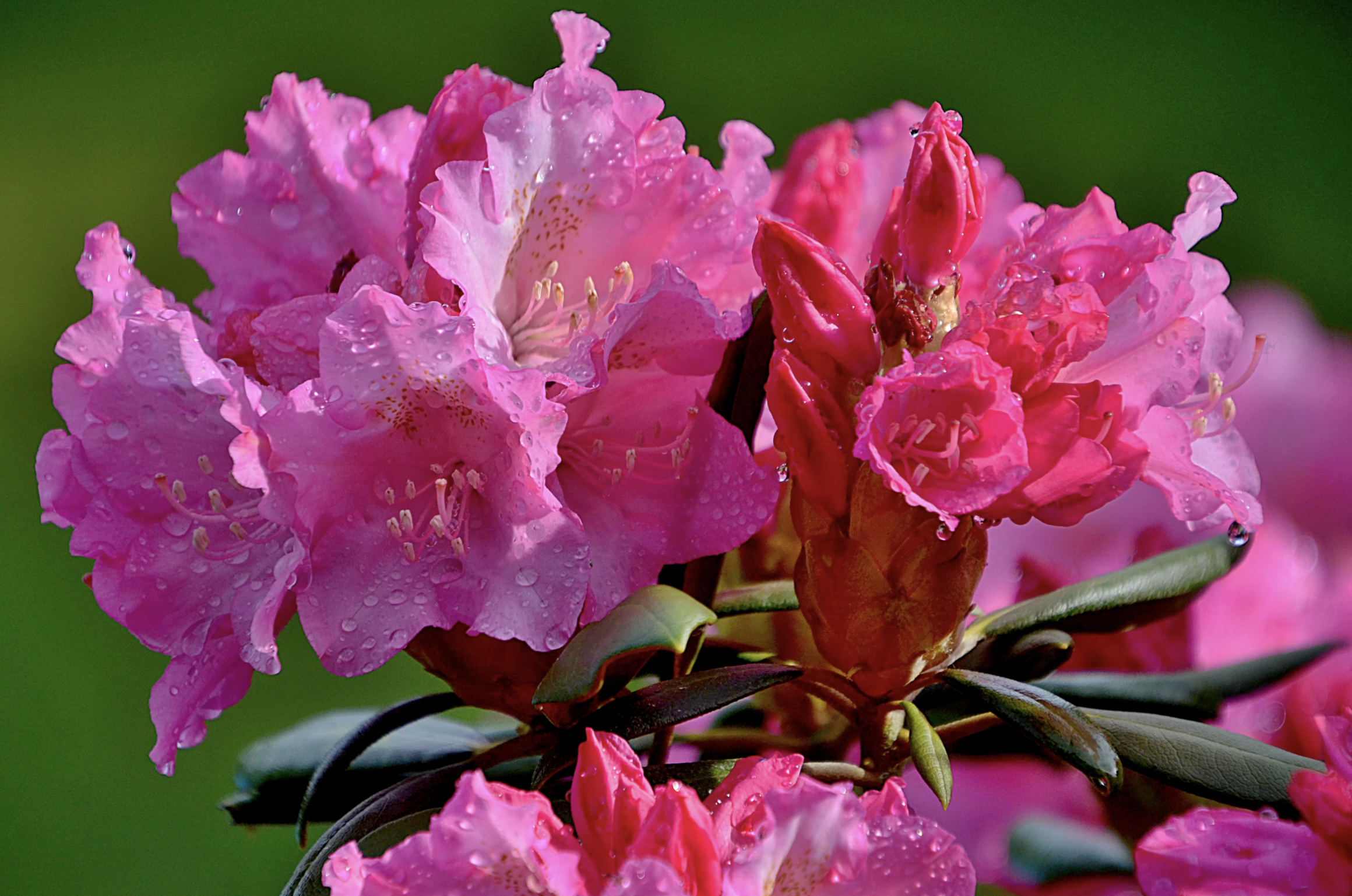
Many commercial soils become highly acidic over time due to synthetic fertilizer use. Acidic soils release toxic levels of aluminum. This aluminum destroys crop roots. Lapland Rosebay ignores aluminum toxicity completely. It excretes organic acids from its roots. These acids bind to the aluminum, rendering it harmless. Agronomists must sequence this specific trait. Transferring this aluminum-binding capability to staple crops like wheat or soybeans allows farmers to maintain high yields on degraded, acidic farmland without applying expensive lime treatments.
The Physiology of Extreme Cold Tolerance
You must understand how these plants survive at a cellular level. Tundra Biome Plants do not simply endure the cold. They actively manage it.
Here is the truth.
Plants lack the ability to generate body heat like mammals. They rely strictly on biochemical and structural defenses. Agronomists extract these defenses to build better crops.
Antifreeze Proteins and Soluble Sugars
Plants like Purple Saxifrage synthesise antifreeze proteins. They pump their cells full of soluble sugars. Water expands when it freezes. In a normal plant cell, expanding ice crystals puncture the cell membrane. This causes internal bleeding and rapid death. High sugar concentrations lower the freezing point of the cytoplasm. The antifreeze proteins bind to tiny ice crystals. They stop them from growing larger. You apply these exact mechanisms directly to commercial agriculture to prevent frost damage.
Controlled Cellular Dehydration
Some tundra species survive by pushing the water out of their cells entirely before it freezes. They move the water into the extracellular spaces. The water freezes harmlessly outside the cell walls. The cell itself shrinks. It enters a state of suspended animation. When temperatures rise, the ice melts. The cell reabsorbs the water and resumes normal function. You study this osmotic regulation to build better drought and freeze resistance in commercial seeds.
Morphological Heat Trapping
The Tundra Biome Plants use physical structures to capture heat. Domed shapes, dense hairs, and parabolic flowers create functional microclimates. The ambient temperature outside a Moss Campion dome reads well below freezing. The inside remains warm enough for active photosynthesis. Agronomists use these structural blueprints. You design crops that physically protect themselves from the elements without external inputs.
How Commercial Growers Leverage Tundra Genetics
Why invest time in studying the tundra biome? The answer is yield security.
Climate volatility destroys predictability. Late frosts kill fruit blossoms. High winds flatten cereal crops. Droughts starve cash crops of water. The genetics found in tundra plants hold the solutions to these exact problems.
You cannot control the weather. You can control your crop genetics.
Identify Target Traits
Stop relying on broad-spectrum chemical inputs. Look for structural solutions. Notice how the Diamond-leaf Willow survives waterlogged soils. Note how the Pasque Flower uses hairs to stop frost. You identify the specific traits your crops lack. You look to the tundra for the biological equivalent.
Apply CRISPR and Cross-Breeding
Traditional cross-breeding takes decades. Modern genomic tools like CRISPR allow you to edit plant DNA directly. You sequence the cold-hardy genes from the Arctic Lupine. You insert them into vulnerable legume cash crops. This speeds up the development of resilient cultivars dramatically.
Field Testing in Marginal Environments
You deploy these genetically upgraded crops in marginal farmland. Soils previously considered too cold, too wet, or too acidic suddenly become viable. The Lapland Rosebay proves you can grow in high-aluminum soils. You apply these traits to expand your operational footprint without buying premium land.
Final Assessment
The tundra is not a wasteland. It functions as a highly specialized genetic laboratory. The 20 Tundra Biome Plants listed above survive the harshest environment on earth through ruthless efficiency and complex chemical engineering. The original draft provided to you missed this entirely.
By understanding and extracting these botanical adaptations, you build stronger, more resilient agricultural systems. Stop viewing these plants as academic curiosities. Start viewing them as the genetic blueprints for the future of commercial farming. You extract the data. You implement the genetics. You secure your yield.