Introduction to ‘Bluecrop’ Blueberry
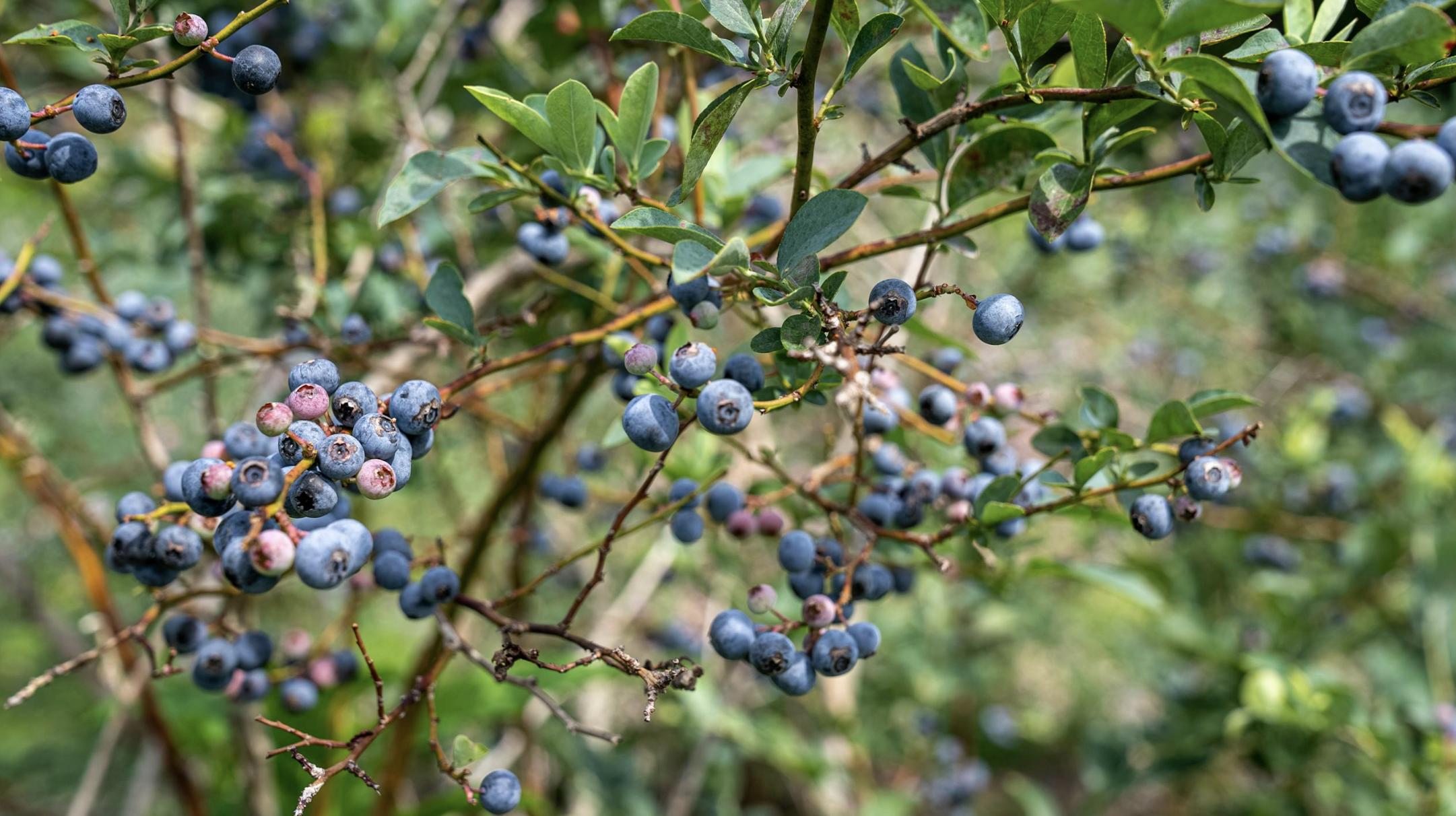
If you’re on the quest for a high-yielding, resilient berry bush perfect for your home garden or farm, look no further than the ‘Bluecrop’ blueberry. This variety is beloved for its medium to large-sized berries, characterized by a delightful balance of sweetness and a hint of tartness—perfect for fresh eating, baking, or preserving. The ‘Bluecrop’ blueberry forms an upright, vigorous bush reaching up to six feet in height, making it a substantial addition to any landscape. Known for its impressive productivity and adaptability, it’s not surprising that ‘Bluecrop’ thrives both in small home gardens and sprawling commercial fields across North America.
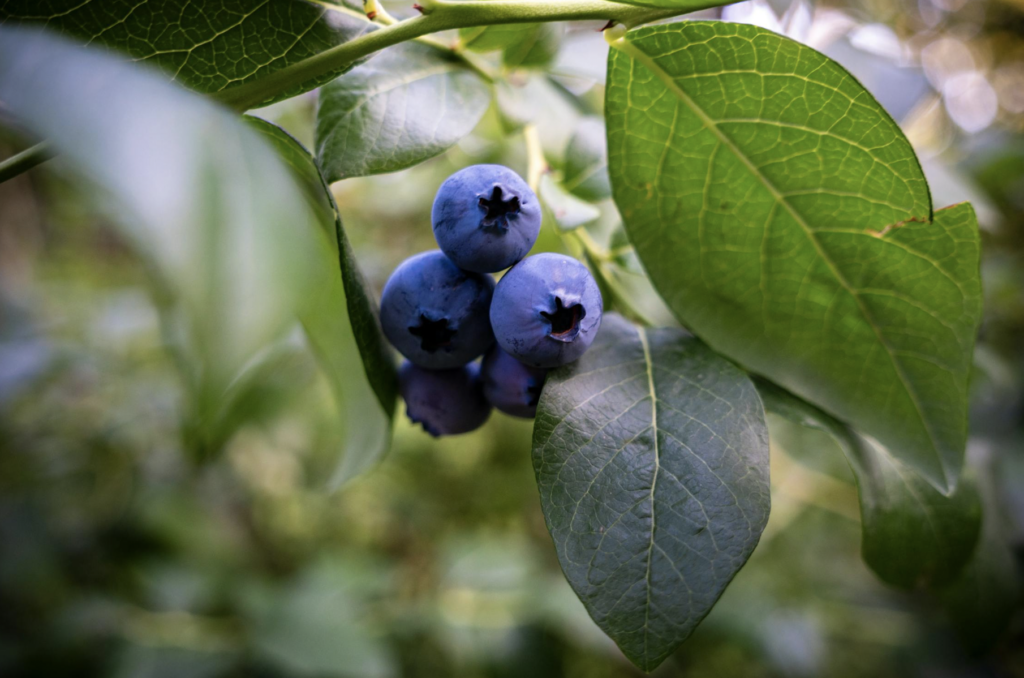
One of the major accolades of ‘Bluecrop’ is its cold-hardiness. This cultivar is tailored to withstand the harsh winters of northern climates while maintaining a reliable yield season after season. Whether you face late spring frosts or erratic winter temperatures, ‘Bluecrop’ stands out with its robust resistance, making it a foundational planting for many.
At-a-Glance Quick Facts
Here’s a snapshot of what you should know about ‘Bluecrop’:
-
Species and Cultivar Name: Vaccinium corymbosum ‘Bluecrop’
-
USDA Hardiness Zones: 4 through 7
-
Typical Yield: Approximately 10-20 pounds per mature bush annually
-
Ripening Season: Mid to late season; usually in July
-
Pollination Needs: Self-fertile, but benefits from cross-pollination
Botanical Background & History of ‘Bluecrop’
Origins of Highbush Blueberries
Highbush blueberries, native to North America, find their primary habitat in the forests and bogs stretching from the southern Canadian provinces down the eastern United States. These indigenous plants were once wild and varied before the efforts of early 20th-century botanists who began domesticating and selectively breeding them for agricultural purposes. Unlike the lowbush types, highbush blueberries, such as ‘Bluecrop,’ present taller growth and larger fruit, making them particularly appealing to growers seeking higher yields.
Breeding History of ‘Bluecrop’
The ‘Bluecrop’ variety arose out of a deep-seated desire to breed a blueberry bush adept at tackling the multifaceted challenges of commercial production. Bred in the mid-20th century, its development was spearheaded by diligent efforts from institutions like the USDA and various state experiment stations. The primary breeding targets included cold tolerance, superior fruit quality, and disease resistance.
The breeders’ focus on enhancing yield without compromising on the berry’s rich flavor or structural integrity resulted in a cultivar that became a hallmark of dependable blueberry production. The breeding process didn’t just happen overnight—it was the product of patience, cross-breeding, and extensive field trials conducted by committed pioneers in horticulture.
How ‘Bluecrop’ Compares to Other Popular Cultivars
When stacked next to other notable cultivars like ‘Jersey’, ‘Duke’, and ‘Patriot’, ‘Bluecrop’ effortlessly holds its ground. While each cultivar offers unique traits, ‘Bluecrop’s’ combination of resilient growth and high fruit quality makes it a perennial favorite. It surpasses others with its balance of sweetness and firmness—key factors for those interested in not just home consumption but also market sales.
While ‘Bluecrop’ boasts numerous strengths, it isn’t without potential hitches. For instance, in particularly wet climates, the cultivar may face susceptibility to mildew. However, its adaptability often far outweighs its limitations, making it a versatile choice for many regions.
Botanical Characteristics Relevant to Growers
For any serious grower, understanding the botanical intricacies of the ‘Bluecrop’ blueberry is paramount. Its fibrous root system requires well-prepared, acidic soil to maximize nutrient uptake and ensure optimal bush health. The flowering structure of ‘Bluecrop,’ characterized by tight clusters of fragrant white blooms, is crucial for pollination success and eventual fruit set.
A grower should pay attention to the perennial life cycle stages of the plant, noting that a well-cared-for bush can maintain productivity for over two decades. Proper pruning and training, aligned with understanding leaf and cane growth habits, will prove integral to sustaining a fruitful blueberry operation.
More About Blueberry Varieties
While Northern and Southern blueberry bushes are considered self-fertile, meaning they can produce fruit without a plant pollinator, planting two of the same varieties of blueberry bushes together is not the best approach for maximizing fruit production.
Here’s why:
- Limited genetic diversity: Even though Sweetheart is self-fertile, cross-pollination (pollination between two different varieties) generally leads to better fruit set, larger berries, and more consistent yields. 1 Planting two of the same variety doesn’t provide this benefit of genetic diversity.
Will a Rabbiteye cross pollinate with a half high? While it’s not ideal, a Rabbiteye blueberry can sometimes cross-pollinate with a Half-High blueberry, but it’s generally not recommended for optimal fruit production.
Here’s why:
- Different species: Rabbiteye blueberries (Vaccinium virgatum) and Half-High blueberries (hybrids of Vaccinium corymbosum and Vaccinium angustifolium) are different species with different genetic makeups. This can lead to incompatibility issues during pollination.
- Chromosome differences: Rabbiteye blueberries are hexaploid (six sets of chromosomes), while Highbush blueberries (a parent of Half-Highs) are tetraploid (four sets of chromosomes). This difference in chromosome number can hinder successful fertilization.
- Bloom time differences: Rabbiteye and Half-High blueberries may have different bloom times, which can further reduce the chances of successful cross-pollination.
Climate & Site Selection for ‘Bluecrop’ Success
Ideal Climate Conditions
‘Bluecrop’ finds its sweet spot in USDA Hardiness Zones 4 to 7, reflecting its versatility across diverse climates. The chilling hour requirement for this blueberry essential hours of cold temperatures to trigger proper spring bud development is generally satisfied in these zones, thus ensuring healthy blooms and prolific fruiting. However, in climates that lean too warm, the plants might struggle, as excessive heat can impede berry development and sugar accumulation.
A balanced environment with mild summers and cold winters supports the best growth. The plants can tolerate slight temperature dips during winter, but it’s crucial to avoid late spring frosts that could damage the emerging flowers.
Sunlight & Exposure Requirements
The ‘Bluecrop’ blueberry thrives best under full sun exposure, propelling photosynthesis and catalyzing optimal berry sweetness. While it can manage in partial shade, reduced light can lead to compromised yields and reduced berry quality.
Positioning your rows with adequate north-south orientation enhances sunlight interception throughout the day. Additionally, ensuring ample air circulation helps alleviate disease pressure—a vital consideration for maintaining plant health across seasons.
Site Selection Checklist
Successful ‘Bluecrop’ cultivation starts with a meticulous site selection process. Key factors include evaluating soil drainage, as blueberries despise waterlogging, which can suffocate roots and lead to plant stress or death. Proximity to large trees should be avoided, as these can vie for resources and inhibit growth.
An ideal location will include good accessibility for necessary tasks like irrigation, pest management, bird netting, and harvesting, emphasizing ease of care as much as environmental suitability.
Bluecrop Blueberry Care: Irrigation, Fertilization, and Pruning for Optimal Production
Proper Bluecrop blueberry care is crucial to maximize the yield and quality of your blueberries. Beyond planting and soil preparation, maintaining a precise irrigation schedule, applying the right fertilizer mix, and executing effective pruning techniques are fundamental. In this section, we will cover the best practices related to irrigation, fertilization with specific N-P-K ratios, and blueberry pruning tips that help you maintain robust bushes and enjoy bountiful harvests.
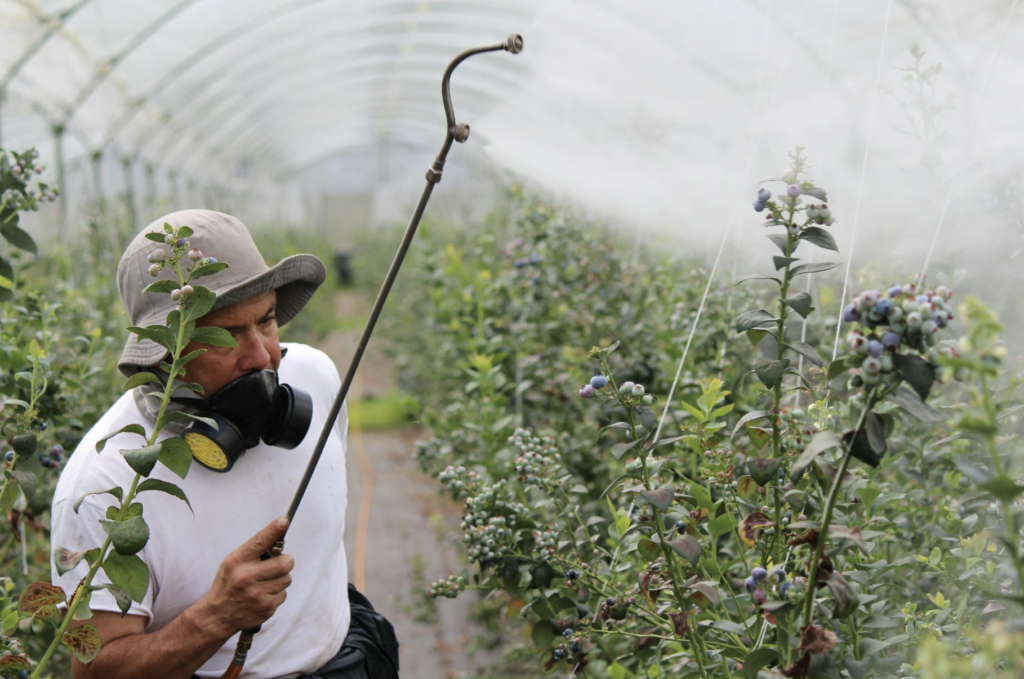
Irrigation Schedules for Bluecrop Blueberries
Bluecrop blueberries thrive best when consistent moisture is maintained, especially due to their preference for acidic soil and shallow root systems. Water management directly impacts nutrient uptake and fruit development, so proper irrigation scheduling is vital.
Water Requirements
Bluecrop blueberries require approximately 1 to 2 inches of water per week during the growing season, particularly from flowering through blueberry harvest time in late summer. This consistent moisture helps promote plump, juicy berries.
Recommended Irrigation Methods
- Drip Irrigation: This method delivers water directly to the root zone, reducing evaporation and minimizing foliar diseases by keeping leaves dry.
- Soaker Hoses: An affordable alternative that also waters roots efficiently.
- Avoid overhead watering, which can increase the risk of fungal infections on foliage and fruit.
Irrigation Frequency
- In cooler months or early growth stages, irrigate every 7 to 10 days, ensuring the soil remains moist but not waterlogged.
- During hot, dry periods or as the berries approach ripening, increase irrigation to every 3 to 4 days.
- Use a soil moisture meter or probe to check moisture levels 6 to 8 inches deep, adjusting irrigation to prevent drought stress or root rot.
Mulching to Retain Moisture
Applying a 3 to 4-inch layer of organic mulch such as pine needles or wood chips helps retain soil moisture and maintains the preferred acidic environment critical for healthy Bluecrop blueberry roots.
Fertilizer N-P-K Ratios for Bluecrop Blueberries
Bluecrop blueberries have specific nutrient requirements that must be met for vigorous growth and prolific fruiting. Balanced fertilization tailored to soil tests and plant needs avoids nutrient deficiencies and excessive vegetative growth at the expense of fruit production.
Understanding Blueberry Fertilizer Needs
Blueberries prefer acidic soils, typically with a pH between 4.5 and 5.5, which influences nutrient availability. Bluecrop blueberries benefit from fertilizers with higher nitrogen and potassium compared to phosphorus.
Recommended N-P-K Ratios
- Early Season: Use a fertilizer with an N-P-K ratio of approximately 12-4-8 or 16-6-12 to support leafy growth as buds break dormancy.
- Mid to Late Season: Shift to a balanced fertilizer such as 10-10-10 or a slightly potassium-enhanced formula like 10-5-15 to promote fruit set and berry development.
- Avoid high phosphorus fertilizers as blueberries generally require minimal phosphorus in acidic soils.
Application Guidelines
- Apply fertilizer in early spring just before new growth begins.
- Split total fertilizer application into two or three doses: one at bud break, one after flowering, and optionally one mid-summer.
- Broadcast fertilizer evenly around the drip line of the plant (the area under the outer edges of the branches) but keep it at least 2 to 3 inches away from the base of the stems to avoid root burn.
- Water the fertilizer in thoroughly to help nutrients penetrate to the root zone.
Organic Alternatives
For gardeners favoring organic methods, well-aged compost, cottonseed meal, or fish emulsion with similar NPK ratios can be used. Always monitor soil pH and nutrient levels annually to adjust fertilization accordingly.
Blueberry Pruning Tips for Maximum Fruit Production
Pruning is an essential part of bluecrop blueberry care that directly affects plant vigor, air circulation, light penetration, and ultimately fruit yield and quality. Prune your Bluecrop bushes annually, following specific **blueberry pruning tips** tailored for this mid-season variety.
When to Prune Bluecrop Blueberries
- The best time for pruning is late winter to early spring while plants are still dormant, before new growth begins.
- Light summer pruning can assist with shaping but avoid heavy cuts outside the dormant season to reduce stress.
Tools Needed for Pruning
- Sharp bypass pruners
- Loppers for thicker canes
- Pruning saw for old, woody growth
- Disinfectant solution to clean tools between cuts, preventing disease spread
Pruning Objectives
- Remove dead, damaged, or diseased wood.
- Eliminate weak or spindly growth that produces few fruit.
- Thin out older canes to encourage vigorous new shoots.
- Maintain an open center or vase shape to allow sunlight and airflow.
Step-by-Step Pruning Guide
- Remove All Dead or Diseased Wood: Cut back to healthy wood, making clean cuts just above a bud or side branch.
- Thin Out Old Canes: Prioritize removing 2- to 3-year-old canes that are no longer productive or have decreased berry size. These stems become woody and less fruitful over time.
- Retain 8 to 10 Healthy Canes: Optimal fruit production occurs on 1- to 3-year-old wood. Maintaining about a dozen main canes ensures a balance between vegetative growth and fruit load.
- Cut Back Excess Shoot Growth: Shorten overly long current year’s shoots by 1/3 to 1/2 to promote lateral branching and more flowering sites.
- Shape the Bush: Aim for a height between 3 to 5 feet depending on your management goals, ensuring sunlight reaches interior branches.
- Remove Low-Growing Suckers: Eliminate shoots from the base that crowd the planting area or compete with main stems.
Benefits of Proper Pruning
Pruned Bluecrop blueberries develop stronger canes with larger berries and less susceptibility to diseases. Open structures enable better airflow, reducing fungal infections and facilitating spray applications during the growing season.
Monitoring Blueberry Harvest Time and Correlating Care Practices
Understanding the link between your irrigation, fertilization, and pruning schedules with **blueberry harvest time** helps optimize your efforts. Bluecrop blueberries generally mature in mid to late summer—often from late July through early August—depending on local climate.
- Consistent watering during fruit development leads to juicy, well-sized berries.
- Balanced fertilization ensures adequate nutrient availability for berry growth without promoting excessive leafy growth, which can delay ripening.
- Proper pruning sets the framework for maximum flower bud formation and healthy fruit clusters.
By integrating these dedicated care strategies, your Bluecrop blueberry plants will deliver a bountiful and flavorful harvest year after year.
By maintaining a thoughtful irrigation schedule, applying appropriate N-P-K fertilizers, and practicing annual pruning using these blueberry pruning tips, you can ensure your Bluecrop blueberry bush remains healthy, productive, and well-prepared for each growing season’s challenges. Keep these best practices in mind as you nurture your blueberries through flowering, fruit set, and finally, the rewarding blueberry harvest time.